The Definitive Guide to Selecting the Best Beard Trimmers for Professional Grooming Results

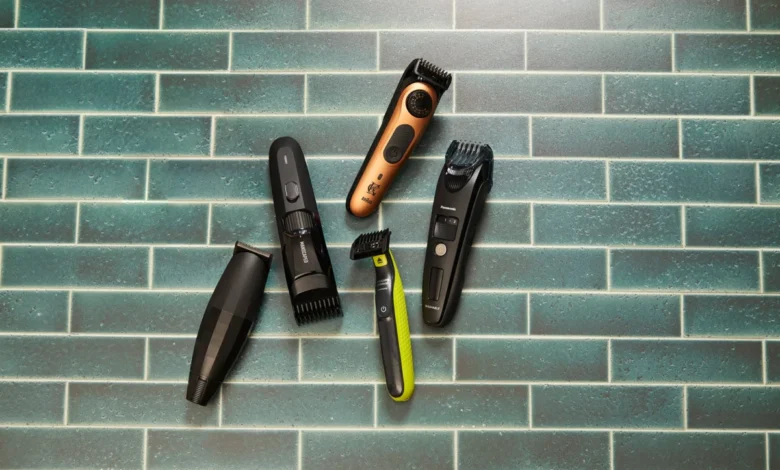
Maintaining a well-groomed appearance has transitioned from a niche preference to a staple of professional personal care. As the market for male grooming tools experiences significant growth, manufacturers have responded by engineering devices that offer increased precision, longer battery life, and enhanced versatility. Choosing the correct instrument requires an understanding of individual grooming needs, ranging from simple stubble maintenance to the complex shaping of long, full beards.
The Evolution of Grooming Technology
The grooming industry has undergone a technological shift over the past decade. Historically, consumers were limited to basic, corded clippers that often lacked the ergonomic design and specialized attachments necessary for delicate facial hair work. Today, the landscape is dominated by sophisticated cordless systems, lithium-ion battery technology, and micro-precision motors.
This evolution is driven by consumer demand for "all-in-one" solutions. Modern devices, such as the Braun Series 9 and various Philips Norelco models, emphasize multi-functionality. This design philosophy reduces clutter in personal care kits and provides users with a comprehensive suite of tools capable of handling hair from the scalp to the chest, and everywhere in between.

Comparative Analysis of Leading Grooming Systems
To assist in the selection process, it is essential to evaluate the top-performing models currently available, categorizing them by their specific utility and technical specifications.
1. The Multi-Purpose Powerhouse: Braun Series 9 All-in-One Style Kit
The Braun Series 9 is frequently cited for its versatility. Featuring ten distinct adjustments, it is designed for users who require a single device for beard trimming, nose hair management, and body grooming. Its primary advantage lies in its robust construction and high-performance motor.
Data indicates that while the manufacturer advertises a 180-minute runtime, field testing often shows a consistent performance closer to 120 minutes. Despite this, the device’s long-term reliability is high; users report that the blades maintain their sharpness over extended periods, often exceeding one year of regular usage without degradation. The inclusion of a compact charging dock and a hard-shell travel case further cements its status as a premium, utility-focused option.
2. The Precision-Focused Rotary Model
For users who prefer a streamlined approach, rotary-dial systems offer a significant advantage by eliminating the need to swap multiple physical attachments. A standout in this category offers up to 19 length settings via a single integrated guard.

From a mechanical standpoint, this model is engineered to provide 9,800 cuts per minute. This high-frequency operation allows for a seamless glide through thick hair. While there is a slight learning curve regarding the correlation between dial settings and actual hair length, the efficiency gained through the removal of manual attachment swapping is a substantial benefit for those seeking a quick, daily routine.
3. The Budget-Friendly Versatile Option
Entry-level market segments have also seen a rise in quality. Certain models under the King C. Gillette brand offer an impressive 40 length settings by combining a dual-attachment system with a rotary wheel. This allows for 0.5 mm precision increments. While the build quality of the plastic attachments may feel less premium compared to high-end counterparts, the performance-to-price ratio is industry-leading. These devices typically prioritize long-term battery retention, with some models offering up to 45 days of operation on a single charge.
4. The Hybrid Shaver-Trimmer
The Philips Norelco OneBlade represents a departure from traditional trimmer design. By utilizing a rectangular, flat blade head, it bridges the gap between an electric shaver and a traditional trimmer. Its 360-degree blade movement makes it uniquely suited for contouring around the jawline and cheekbones. It is the preferred choice for those who maintain "perma-stubble" or short, manicured beards. Because the blades are designed to be replaced every four to six months, this tool ensures that the user always has a sharp, hygienic cutting surface.
5. Professional-Grade Detailers
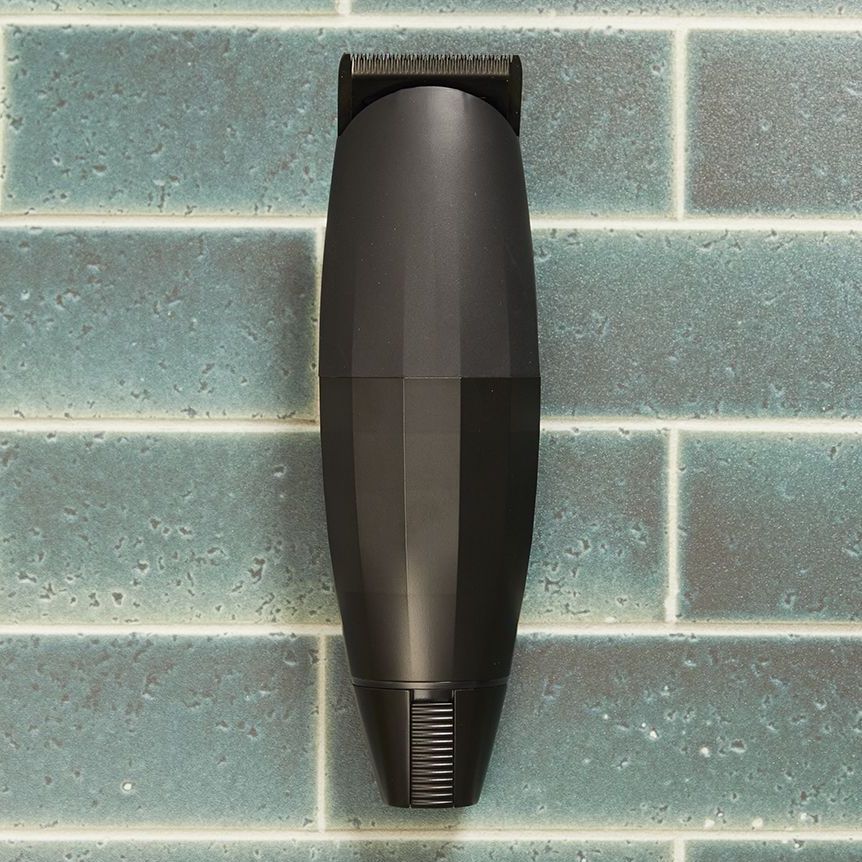
For the enthusiast who maintains a long beard or requires sharp, barber-quality line work, professional-grade clippers—such as those produced by Bevel—are the industry standard. Unlike consumer-facing trimmers, these tools often lack length guards entirely, as they are intended for freehand shaping. With a motor speed exceeding 6,000 RPM, they offer the torque necessary to cut through dense, coarse hair. While they represent a higher financial investment, their durability and precision are unmatched for edge-work and neck-line detailing.
Technical Considerations for Consumer Selection
When selecting a grooming device, several technical factors influence the long-term satisfaction of the user.
- Motor Speed: Measured in cuts per minute or RPM, this determines the device’s ability to tackle thick, coarse hair without pulling or tugging. High-end devices typically operate between 7,000 and 12,000 RPM.
- Battery Chemistry: Lithium-ion batteries are the gold standard, offering consistent power output until the charge is exhausted and significantly faster charging times than older nickel-metal hydride (NiMH) batteries.
- Hygiene and Maintenance: Cross-contamination is a genuine concern when using the same device for facial and body hair. Experts recommend maintaining separate attachments or using devices with modular, easy-to-clean heads. Waterproofing is a critical feature for those who prefer to groom during or immediately after a shower, as it simplifies the cleaning process.
- Blade Material: Stainless steel is the most common material due to its resistance to corrosion. However, titanium-coated blades are becoming more common in premium models, as they offer superior hardness and longevity.
Industry Implications and Future Trends
The grooming market is currently witnessing a trend toward "smart" grooming. Manufacturers are increasingly integrating LED indicators for battery life, USB-C charging compatibility, and ergonomic designs that mimic professional barber tools.
The broader implication of this shift is the professionalization of at-home care. As consumers become more adept at utilizing these advanced tools, the reliance on professional barber services for simple maintenance is decreasing. However, this shift places a greater burden on the consumer to understand proper hygiene and tool maintenance.
Conclusion
The selection of a beard trimmer is a personal decision based on hair density, desired length, and the user’s willingness to maintain the device. Whether one opts for the all-encompassing power of a Braun Series 9, the precision of a rotary-dial trimmer, or the versatile hybrid nature of a OneBlade, the current market offers solutions for every level of expertise. By focusing on technical specifications—such as motor speed, blade longevity, and battery efficiency—users can invest in tools that not only provide immediate aesthetic results but also endure for years of consistent use. Proper tool selection, coupled with a disciplined grooming routine, remains the most effective strategy for achieving and maintaining a professional appearance.
Related posts: