Esteban Ocon will not race for Haas again this season as Rafael Camara replaces him at Sao Paulo Grand Prix

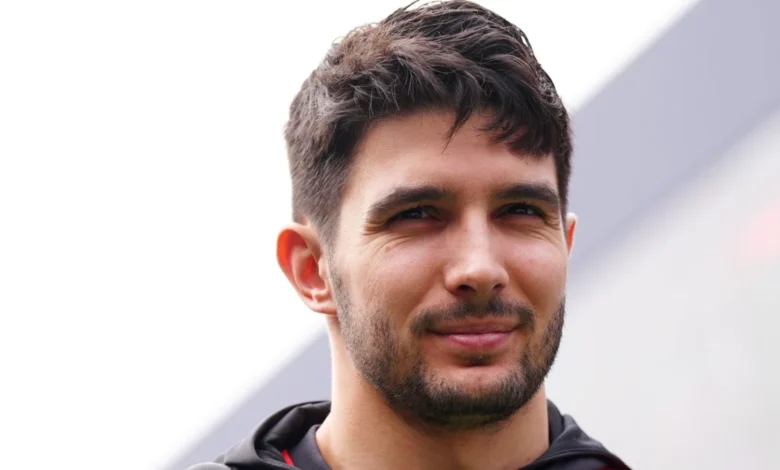
The abrupt departure of Esteban Ocon from the Haas F1 Team marks a dramatic turning point in a season already defined by mid-field instability and high-stakes driver management. The American-owned squad confirmed on Wednesday that the Frenchman, who had been a cornerstone of their long-term project, will vacate his seat effective immediately. The decision accelerates the timeline for Brazilian sensation Rafael Camara, the current leader of the Formula 2 standings, who was originally slated to join the team for the 2027 season. Camara’s sudden elevation to the grid for his home race at Interlagos is a move that underscores the team’s willingness to prioritize future development over current continuity.
A Fractured Relationship
The catalyst for this sudden vacancy appears to be a breakdown in the relationship between Ocon and the Haas management during the Mexico City Grand Prix weekend. While the team has remained tight-lipped regarding the specific nature of the dispute, sources close to the paddock suggest that tensions reached a boiling point following internal disagreements regarding team strategy and communication protocols.
Ocon, a veteran of the sport with a Grand Prix victory to his name, had been under immense pressure as the team struggled to find consistent performance. The friction in Mexico was palpable, leading to a temporary internal suspension for the remainder of that race weekend. Ryo Hirakawa, the Japanese endurance specialist, was called upon to fill the seat on short notice. Hirakawa’s performance was nothing short of a revelation; he managed to secure a 10th-place finish, netting a valuable championship point for the team after post-race penalties were applied to McLaren’s Oscar Piastri and the Alpine duo of Pierre Gasly and Franco Colapinto.
However, with Hirakawa committed to World Endurance Championship duties in Italy this weekend, Haas found themselves in a precarious position. Rather than seeking a temporary stand-in, they have chosen to fast-track their future, effectively ending the Ocon era two years ahead of the original contractual expiry.
The Rise of Rafael Camara
Rafael Camara’s promotion is arguably the most significant development in the driver market this year. The young Brazilian has dominated the junior categories, demonstrating the pace, race craft, and maturity required for the pinnacle of motorsport. By placing him in the car for the Sao Paulo Grand Prix, Haas is not only securing a potential star but also capitalizing on the massive marketing and fan support that accompanies a local hero on the grid at Interlagos.
Camara’s path to Formula 1 has been meteoric. His performance in Formula 2 throughout the 2026 season has been marked by a level of consistency that is rare for a rookie, frequently putting him ahead of more experienced competitors. His technical feedback and ability to manage tire degradation—critical factors in the current ground-effect era of F1—have drawn praise from scouts and team principals alike. For Haas, this is a trial by fire. The Interlagos circuit is notoriously technical, featuring a mix of high-speed sections and tight, twisty corners, providing a stern test for any debutant.
Chronology of the Haas Driver Transition
- Early 2026: Haas begins evaluating the driver market, identifying long-term replacements for the 2027 season.
- September 2026: Official announcement confirming Rafael Camara as a future Haas driver starting in 2027.
- October 2026 (Mexico City): Tensions escalate between Esteban Ocon and team leadership. Ocon is replaced by Ryo Hirakawa for the remainder of the event.
- October 2026: Hirakawa finishes 10th, scoring a vital point for the team.
- Early November 2026: Haas officially announces the permanent separation from Esteban Ocon for the remainder of the 2026 season.
- November 2026: Rafael Camara is confirmed to make his F1 debut at the Sao Paulo Grand Prix.
Strategic Implications for the Constructors’ Championship
The shift in the driver lineup has significant ramifications for the Constructors’ Championship. Haas is currently engaged in a tight battle in the midfield, where every point is worth millions of dollars in prize money and potential sponsorship revenue. Ocon’s departure, while disruptive, allows the team to begin the "Camara experiment" early, gathering crucial data on how the Brazilian handles the transition from F2 machinery to the high-downforce, hybrid-powered F1 car.
From a team perspective, the move reflects a shift in philosophy. Haas has historically leaned toward experienced drivers to provide stability. However, the success of other teams in promoting young talent—notably the recent trend of fast-tracking academy drivers—has clearly influenced the Haas hierarchy. If Camara can demonstrate a comparable pace to the midfield pack during these final races, it will vindicate the team’s decision to cut ties with Ocon early and solidify their lineup strategy for the coming years.
The Challenge of the Final Triple Header
Beyond this weekend’s race in Brazil, the team faces a complex logistical and sporting challenge. With the final three races of the season scheduled for Las Vegas, Qatar, and Abu Dhabi, the team has yet to formally announce who will occupy the second seat alongside their lead driver for the remainder of the calendar.
The decision likely hinges on Camara’s performance in Sao Paulo. If he proves capable of handling the pressures of an F1 race weekend, it is highly probable he will remain in the seat through to the season finale in Abu Dhabi. If he struggles, the team may look to rotate reserve drivers or reach a short-term agreement with another experienced hand to ensure the car remains competitive.
The View from the Paddock
Industry analysts suggest that the Haas decision was as much about "cleaning house" as it was about developmental strategy. In the modern F1 landscape, internal team harmony is essential. The events in Mexico served as a final warning that the partnership between the driver and the team had become untenable.
"When the trust is gone, the results rarely follow," noted one veteran paddock observer. "Haas is in a position where they need to look toward the future. Ocon is a talented driver, but the chemistry was clearly absent. By bringing in Camara now, they are effectively turning the final few races of the season into a high-stakes scouting camp."
Looking Ahead to the Sao Paulo Grand Prix
The Sao Paulo Grand Prix at the Autódromo José Carlos Pace is always one of the most demanding events on the calendar. The altitude, the unpredictable weather, and the passionate local crowd create a cauldron of pressure for any driver, let alone a debutant.
Fans attending the event or watching from home will be focused on the #20 car. For Camara, the goal is simple: avoid incidents, provide coherent feedback to the engineers, and keep the car within striking distance of the midfield pack. The technical requirements of the car—managing the ERS (Energy Recovery System) deployment and the complex steering wheel controls—will be the biggest hurdle for the young Brazilian.
As the team prepares for the opening practice sessions, the atmosphere at the Haas garage will be one of focused intensity. The team’s leadership, including the team principal, will be closely monitoring every lap, every data point, and every radio transmission from their new recruit.
Conclusion
The removal of Esteban Ocon from the Haas lineup and the rapid promotion of Rafael Camara represent a decisive shift in team policy. While the circumstances behind the departure remain shrouded in the private affairs of the team, the outcome is clear: the future has arrived ahead of schedule. As the sport descends on Brazil, all eyes will be on the young Brazilian, tasked with navigating his first Grand Prix under the glare of global scrutiny. Whether this move proves to be a masterstroke or a premature gamble will be determined in the laps to come, but one thing is certain: the final chapter of the 2026 season has just become significantly more compelling.