The Rebirth of the Apex Predator: Navigating the Complexities of Wolf Recovery in Modern Europe

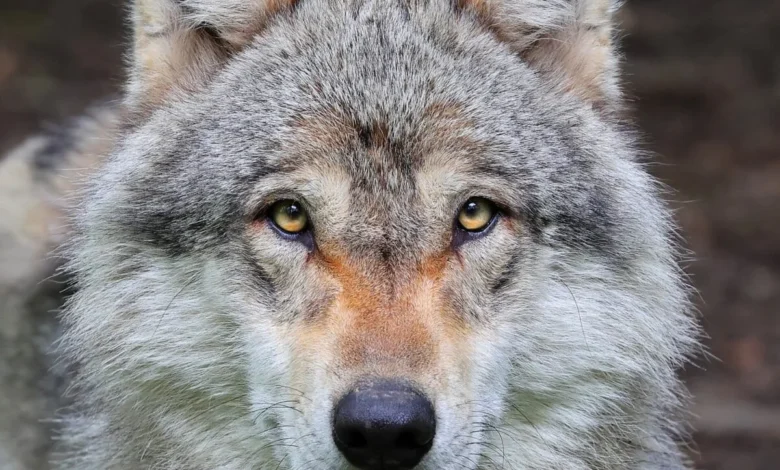
The resurgence of the Eurasian gray wolf (Canis lupus lupus) across Western and Central Europe represents one of the most significant, and simultaneously contentious, wildlife conservation achievements of the 21st century. After facing near-total eradication in many regions during the 19th and 20th centuries due to systematic persecution and habitat loss, the wolf has made a dramatic return. Between 2012 and 2022, populations experienced a reported surge of 58%, bringing the total count to approximately 21,500 individuals. While conservationists celebrate this recovery as a milestone for biodiversity, the rapid return of this apex predator has ignited a firestorm of sociocultural and economic debate, particularly among rural farming communities whose livelihoods are increasingly vulnerable to livestock predation.
A Chronology of Extinction and Return
The decline of the European wolf was not accidental; it was the result of deliberate human intervention. For centuries, the wolf was viewed as a direct competitor for game and a persistent threat to domestic livestock. By the mid-20th century, the species had been pushed to the fringes of the continent, surviving only in pockets of Eastern and Southern Europe.
The turning point for the species began in the late 1970s and 1980s, marked by the implementation of the Bern Convention on the Conservation of European Wildlife and Natural Habitats. This international legal framework provided the basis for the strict protection of wolves, prohibiting their hunting and promoting habitat restoration. In Germany, a country where the wolf had been extinct for over a century, the first documented instance of successful reproduction occurred in the year 2000. Over the next two decades, the species expanded rapidly, recolonizing landscapes that had become heavily dominated by human infrastructure, agriculture, and dense urban sprawl.
Regional Disparities and Ecological Realities
The recovery of the wolf is not a uniform phenomenon. It is highly dependent on regional ecology, land-use patterns, and the length of time a specific area has lived without the predator. In countries where wolves were never fully eradicated, traditional livestock management practices—such as the use of livestock guardian dogs and consistent shepherding—remained intact. Conversely, in nations like Germany, the Netherlands, and Belgium, these historical protective measures were largely abandoned over the last hundred years.
This "lost knowledge" has created a critical vulnerability. As wolves return to these modernized, open landscapes, farmers are often ill-equipped to handle the threat. The conflict is further complicated by the "Yellowstone effect"—a theory suggesting that wolves create a trophic cascade by controlling herbivore populations, which in turn allows vegetation to recover and improves overall ecosystem health. However, social scientist Emu-Felicitas Ostermann-Miyashita of the Tokyo University of Agriculture and Technology notes that applying such ecological theories to Europe’s human-dominated landscape is problematic. Unlike the vast, relatively untamed wilderness of North American parks, Europe is a mosaic of human activity where the influence of agriculture and infrastructure often outweighs the ecological impact of a small number of predators.
The Legislative Shift: A Turning Point in 2024
In late 2024, the European Union took a significant step that signaled a shift in the continent’s conservation philosophy: member states voted to downgrade the protection status of the Eurasian gray wolf. This decision, which allows for more flexible management and potentially lethal control, was met with intense lobbying from agricultural groups who argued that the population had exceeded a "viable" threshold.
The move has drawn sharp criticism from environmental organizations. The World Wide Fund for Nature (WWF) and other conservation bodies have argued that the recovery remains fragile. They contend that while wolf numbers have risen in specific hotspots, the species is still recolonizing much of its former range, and weakening legal protections could jeopardize the progress made over the last 40 years.
From an administrative perspective, the decision effectively delegates more power to national and regional governments. Critics fear this decentralization will lead to inconsistent management policies, where some regions may move toward aggressive culling programs that threaten the genetic connectivity of the wider European population.
The Social Science of Coexistence
The debate surrounding wolves is often framed in the media as a binary choice: one must either support the total protection of the wolf or prioritize the economic interests of the farmer. However, research into public perception suggests that the reality is far more nuanced. Studies conducted by Ostermann-Miyashita on public attitudes in Germany indicate that the majority of the population does not hold extreme views. Instead, public sentiment is characterized by a "gray area," where individuals generally value the presence of the wolf as a species but express concern over the human-wildlife conflict and the lack of support for affected farmers.
The core challenge, according to researchers, is shifting the prevailing mindset from "wolves versus livestock" to "livestock with wolves." This requires a move away from crisis-based management toward a holistic system that integrates three primary pillars: standardized ecological monitoring, evidence-based management, and robust support for livestock keepers.
Evaluating Management Strategies
Governments currently rely on a mix of tools, including financial compensation, payment for the presence of wolves, protective fencing, and, increasingly, lethal control. Each comes with significant drawbacks:
- Financial Compensation: In many regions, the bureaucratic burden required to prove that a wolf was responsible for livestock death is so high that many farmers abandon the process, leading to resentment and a lack of trust in governmental institutions.
- Protective Measures: While highly effective, measures such as high-tensile fencing are labor-intensive and costly. In mountainous or migratory grazing landscapes, such as those found in parts of the Alps or the German countryside, physical protection is not always feasible.
- Lethal Control: The most controversial of the bunch, lethal control is often touted as a solution to "problem wolves." However, existing data suggests that culling can be counterproductive. Removing dominant individuals can disrupt the social structure of a wolf pack, potentially leading to an increase in attacks by younger, less experienced wolves that find livestock an easier target than wild prey.
Broader Implications and Future Outlook
The current situation in Europe reflects a deeper global struggle regarding the role of humans in nature. The European model of land management is increasingly challenged by the "rewilding" movement, which advocates for land abandonment and the restoration of natural processes. This creates tension with those who manage cultural landscapes—such as traditional shepherding regions—where biodiversity depends specifically on human-maintained grazing practices.
To move forward, European nations must move beyond reactive, emotion-driven policy. This involves a commitment to cross-border data sharing, ensuring that wildlife management is based on the movement of the species rather than political boundaries. Furthermore, there is a growing call to incorporate non-Western perspectives on coexistence, where humans recognize their role as part of the ecosystem rather than as masters of it.
The future of the European gray wolf will not be decided solely by biologists or politicians; it will be determined by whether the continent can develop the infrastructure to support a coexistence that respects both the ecological necessity of the predator and the socio-economic rights of the people who share the land. As the EU begins to implement the new, lower protection standards, the coming years will serve as a critical test of whether Europe can maintain its conservation legacy while addressing the genuine concerns of its rural communities. The data gathered during this transition will be vital, as it will determine whether lethal control is truly a solution, or merely a temporary distraction from the complex reality of living alongside a returned apex predator.