The decision to showcase these concepts marks a strategic pivot for the brand, which has spent the last several years consolidating its model lineup and streamlining production. Industry analysts suggest that the December 10 event will be the most significant brand-wide design reset since the introduction of the MC20 supercar, signaling how the company intends to balance its storied performance history with the inevitable shift toward modernized vehicle architectures.
The Evolution of the Maserati Portfolio: A Chronology
To understand the significance of this upcoming reveal, one must look at the recent trajectory of the Maserati brand. The Levante, which first reached global markets in 2016, was instrumental in vaulting Maserati into the highly competitive luxury SUV segment. At the time of its launch, it was tasked with competing directly against established stalwarts like the Porsche Cayenne, the BMW X5, and the Mercedes-Benz GLE.
For several years, the Levante served as the brand’s volume leader, accounting for a significant portion of annual global sales. However, as the automotive industry shifted rapidly toward electrification and digital integration, the Levante’s architecture began to show its age. Following years of declining sales and the natural lifecycle conclusion of its internal combustion-only platform, production of the Levante officially ceased in 2024. This left a notable void in the company’s E-segment SUV offerings, a gap that the brand is now clearly eager to fill with a more contemporary, technologically advanced successor.
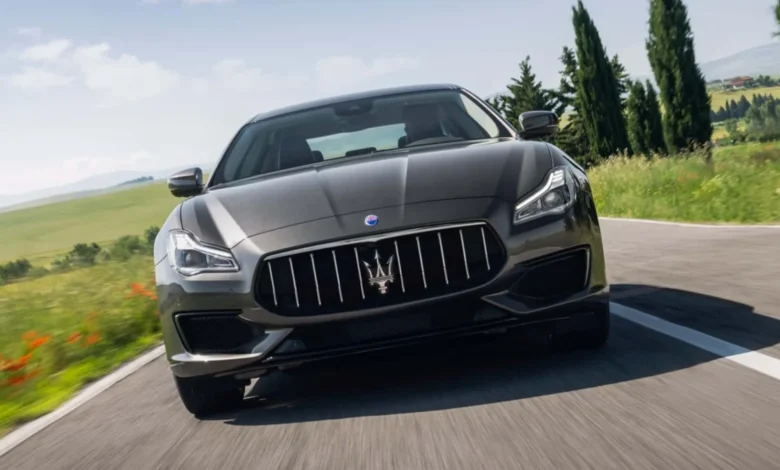
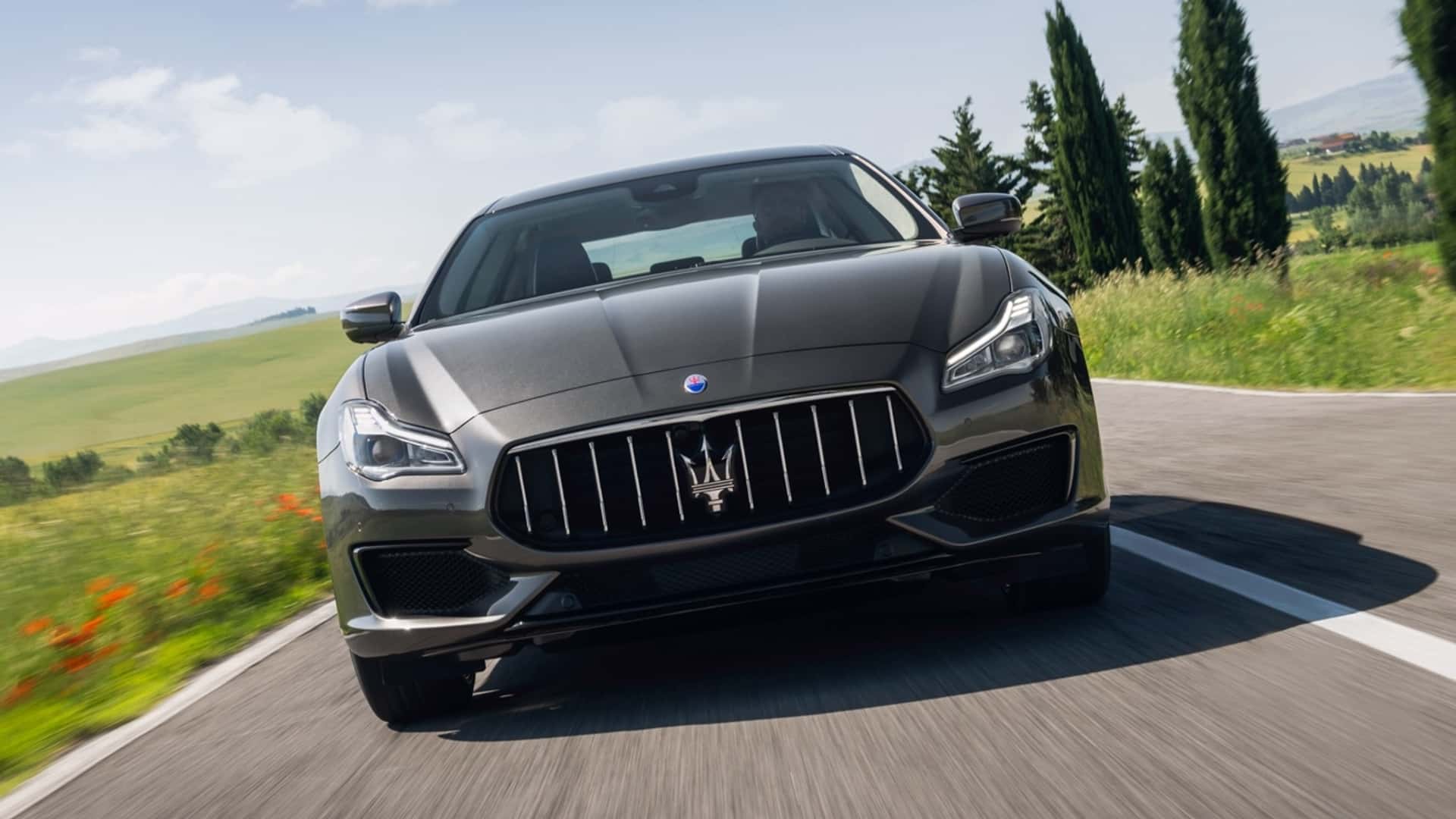
Parallel to this, the Quattroporte—a nameplate that has historically defined the Italian sports sedan—concluded its production run in 2023. As one of the most recognizable luxury saloons in the world, its departure was met with speculation regarding whether the brand would retain the traditional four-door sedan silhouette in an era where consumers are increasingly gravitating toward high-riding crossovers and unconventional body shapes.
The Strategic Vision for the Future
The upcoming concepts are not merely design studies; they are physical manifestations of a vision articulated by Maserati CEO Santo Ficili. Recent communications from the executive leadership team, including input from broader Stellantis management, have emphasized that Maserati is not for sale and remains a critical pillar in the group’s luxury division.
In recent discussions, Ficili has provided hints that suggest the next iteration of the Quattroporte will deviate significantly from the conventional three-box sedan profile. By describing the potential future direction as a vehicle that is "not a sedan" but rather a "very low, big car," Ficili has fueled speculation that the new Quattroporte may adopt a crossover-shooting brake hybrid aesthetic. This design philosophy aligns with the shifting demands of the ultra-luxury market, where buyers seek the ground clearance and utility of an SUV combined with the sleek, aerodynamic profile of a grand tourer.
For the Levante, the objective is to reclaim market share in the premium SUV segment. While no official specifications have been released, it is widely expected that the new concept will utilize a highly modular platform capable of supporting a variety of powertrains, ensuring the vehicle remains relevant for the next decade of emissions regulations and consumer preference shifts.
Economic and Industry Context
The timing of these reveals is critical. Maserati is currently navigating a challenging economic environment characterized by rising manufacturing costs and a cooling global demand for high-end luxury vehicles. However, the decision to unveil these concepts suggests that the brand is moving forward with its long-term investment strategy.
Data from the luxury automotive sector indicates that the E-segment SUV market remains the most profitable and high-growth area for premium manufacturers. By re-entering this space with a redesigned Levante, Maserati is positioning itself to capture a more tech-savvy demographic that expects seamless connectivity, high-end autonomous driving assistance systems (ADAS), and electrified performance.
Furthermore, the brand’s dedication to its Modena headquarters serves as a psychological anchor for its customer base. In an era where many manufacturers are outsourcing development to global hubs, keeping the design process for the next generation of vehicles within the heart of Italy underscores the "Made in Italy" premium that Maserati markets to its global clientele.
Analyzing the Design Language
The design direction of these two concepts will be heavily scrutinized for clues regarding the brand’s future visual identity. Since the debut of the MC20, Maserati has transitioned toward a cleaner, more minimalist design language, moving away from the excessive chrome and busy air intakes that characterized the early 2010s.
Industry observers expect the new concepts to feature:
- Aerodynamic Efficiency: A focus on drag reduction, which is essential for maximizing the range of upcoming electric or hybrid variants.
- Signature Lighting: The use of advanced LED matrix lighting to create a distinctive light signature that maintains the "Maserati face" even in the absence of a traditional front grille.
- Sustainable Materials: A greater emphasis on eco-friendly, high-end cabin materials, moving beyond traditional leather to high-performance synthetics and recycled fibers, aligning with the sustainability mandates of the broader Stellantis "Dare Forward 2030" plan.
Official Stance and Market Implications
While official details remain under strict embargo, the silence from the manufacturer is standard for such high-stakes product launches. However, the alignment between these upcoming concepts and the recent public statements by the CEO suggests that the brand is ready to commit to a bold new chapter.
The primary implication of this move is the potential for Maserati to differentiate itself from the German "Big Three"—Mercedes-Benz, BMW, and Audi—by leaning into its identity as a boutique manufacturer of "emotional" vehicles. If the new Quattroporte successfully blends the utility of a crossover with the soul of a sports car, it could create a unique niche, much as the original Quattroporte did by inventing the luxury sports sedan category decades ago.
For the stakeholders and investors watching the brand, the December 10 event will be the ultimate test of the current management’s strategy. A successful unveiling could bolster investor confidence and provide a much-needed morale boost to the brand’s loyal fanbase. Conversely, any deviation from the established brand heritage will be met with intense debate among enthusiasts who cherish the traditional Maserati aesthetic.
Conclusion: A Turning Point for the Trident
As December 10 approaches, the focus in Modena is on balancing the weight of history with the necessity of modernization. The dual-concept reveal is a high-risk, high-reward strategy. It is not enough for these vehicles to be aesthetically pleasing; they must demonstrate that they are technologically capable of leading the brand through the next decade of electrification and digital transformation.
The return of the Levante and the reimagining of the Quattroporte represent more than just two new models; they represent the survival and evolution of one of the world’s most prestigious automotive names. Whether these concepts serve as direct precursors to production or as abstract exercises in design, they will undeniably set the tone for the future of Maserati. The automotive world will be watching to see if the "Trident" can strike the perfect balance between its illustrious past and the demanding requirements of the future.
The upcoming event will likely serve as a foundational moment, providing clarity to the market and potentially silencing skeptics who have questioned the long-term viability of the brand in an increasingly competitive and rapidly evolving global marketplace. As the industry moves toward a future defined by software-defined vehicles and sustainable luxury, Maserati’s ability to marry its Italian design DNA with the next generation of automotive technology will determine its place in the global luxury pantheon for years to come.
Related posts: