The Origins of an Invasive Threat
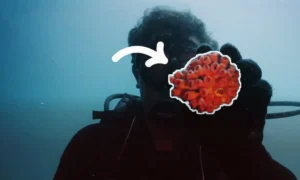
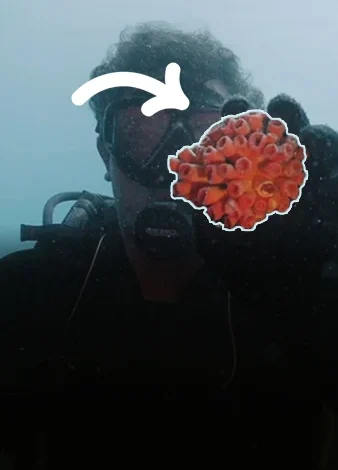
The sun coral, native to the Indo-Pacific region, was first detected in Brazilian waters in the 1980s. Its introduction is widely attributed to the maritime industry, specifically through the hulls of vessels and the ballast water of oil platforms and tankers. Unlike many other invasive species that struggle to adapt to foreign ecosystems, the sun coral found the tropical waters of Brazil to be an ideal environment. Lacking natural predators—such as the specialized fish or mollusks that keep their population in check in the Pacific—the coral has expanded its range with devastating efficiency.
For decades, the sun coral was viewed as a localized curiosity, but it has since transformed into a pervasive biological pollutant. By colonizing hard substrates, including natural rock formations, coral reefs, and man-made structures like oil platforms, the sun coral creates monocultures that physically and chemically displace native species.
A Chronology of Colonization
The history of Tubastraea in Brazil is marked by rapid expansion phases that have outpaced government mitigation strategies:
- 1980s: Initial reports of Tubastraea coccinea and Tubastraea tagusensis emerge near oil platforms in the Campos Basin.
- 1990s–2000s: The species begins a steady migration along the coast, hitching rides on the infrastructure of the offshore oil and gas industry.
- 2010s: Marine biologists begin raising alarms as the coral is spotted in protected areas, including marine parks and regions of high biodiversity.
- 2020–Present: Public awareness campaigns and grassroots efforts, such as the one led by Adriana Gomes, gain traction as the impact on local fisheries and endemic reef systems becomes impossible to ignore.
The Mechanics of Destruction: Why Manual Removal?
The decision to employ volunteer divers to manually remove the coral is driven by the limitations of chemical or biological control methods. In a marine protected area, the use of biocides or toxic treatments is strictly prohibited, as these substances would likely harm the native species the project intends to save.
The physical removal process involves divers descending to the base of oil platforms and reef outcrops, using specialized scrapers to pry the coral colonies from the substrate. It is a grueling, labor-intensive process. Each cluster must be completely removed; if even a small fragment of the coral’s tissue remains, it can regenerate, effectively negating the divers’ efforts. Furthermore, the divers must carefully collect the removed material in mesh bags to ensure that debris does not drift to other areas, where it could potentially establish new colonies.
Data and Ecological Impact
The ecological stakes are high. The sun coral is a "space-competitor" that outcompetes native corals for nutrients and sunlight. According to studies from the Federal University of Rio de Janeiro, Tubastraea can reduce the biodiversity of a reef patch by up to 60% within two years of initial colonization.
In addition to displacing native organisms, the sun coral alters the structural complexity of reefs. Native reefs often have varied crevices and hollows that provide shelter for small fish, crustaceans, and mollusks. The sun coral, by contrast, grows in dense, rounded mounds that fill these vital spaces, effectively "suffocating" the reef’s inhabitants by removing their natural habitats.
Economic implications are equally concerning. Brazil’s coastal tourism industry relies heavily on the health of its reefs and the diversity of its marine life. If the sun coral continues to encroach upon recreational diving sites and traditional fishing grounds, the economic loss could reach millions of dollars annually, affecting both the artisanal fishing sector and the hospitality industry.

Perspectives from the Scientific Community
While Adriana Gomes and her volunteers provide a vital service, the broader scientific community acknowledges that manual removal is a stop-gap measure rather than a permanent solution.
"Manual removal is a heroic effort, but it is ultimately a reactive strategy," notes Dr. Ricardo Silva, a marine ecologist not involved in the Ipanema project. "The challenge is that the sun coral is already present in thousands of kilometers of coastline. We are essentially trying to empty the ocean with a teaspoon. Without strict regulations on the cleaning of ship hulls and the management of oil platform maintenance, we are only treating the symptoms of a much larger industrial problem."
The oil and gas industry has faced mounting pressure from environmental agencies to implement more rigorous bio-fouling protocols. Several companies have begun to integrate underwater cleaning systems that capture invasive organisms during the maintenance of platforms, yet the implementation of these technologies remains inconsistent across different operators.
The Broader Implications for Marine Conservation
The fight against sun coral in Rio de Janeiro serves as a microcosm for the global struggle against invasive marine species. As global trade increases and climate change alters water temperatures, many native species are being forced to shift their habitats, leaving them vulnerable to opportunistic invaders like Tubastraea.
The Ipanema project also raises important questions about the role of citizen science and volunteerism in conservation. With government budgets for environmental monitoring often fluctuating, the reliance on dedicated biologists and community volunteers has become a critical component of modern conservation. These groups provide the "boots on the ground" necessary to maintain the health of local ecosystems that might otherwise be ignored by federal authorities.
Looking Ahead: The Path Toward Eradication
For the immediate future, the strategy remains one of containment. The goal is to keep the sun coral away from the most ecologically sensitive regions—the "hotspots" of biodiversity where native corals are still thriving. By focusing their efforts on the oil platforms that act as "seed banks" for the spread of larvae, teams like Gomes’s are attempting to break the reproductive cycle of the invader.
However, researchers emphasize that long-term success will require a multi-pronged approach:
- Strict Regulation: Mandatory inspection and cleaning of all maritime structures entering Brazilian waters.
- Monitoring: Investment in satellite and drone technology to identify new colonies before they reach critical mass.
- Research: Exploring potential natural biological controls that could safely be introduced or encouraged within the ecosystem.
- Public Engagement: Continuing to educate the public and the diving community on how to identify and report the presence of sun coral.
The work being done off the coast of Ipanema is a testament to the dedication of those who view the ocean not merely as a resource, but as a legacy. While the sun coral is a formidable opponent, the persistence of human intervention—however manual or localized—serves as a reminder that the health of the marine environment is a shared responsibility. Whether these efforts will be enough to turn the tide against an invader that has had a forty-year head start remains the defining question for Brazil’s marine biologists in the coming decade. As the divers return to the water day after day, their work stands as a symbol of the ongoing battle to maintain the integrity of the world’s oceans against the unintended consequences of global industry.