The Looming Reckoning Over the Colorado River: How a Historic Drought is Reviving Radical Ideas for the Glen Canyon Dam

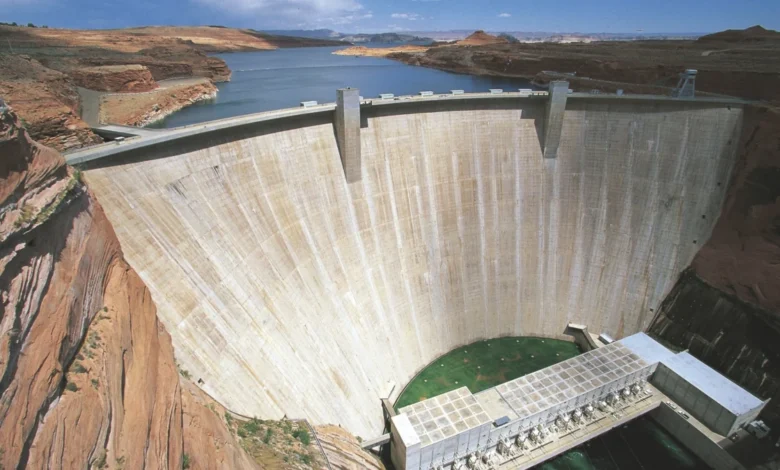
The American Southwest is currently grappling with its most severe climate crisis in over a millennium. A staggering 27-year-long drought—the driest period the region has experienced in 1,200 years—has fundamentally altered the hydrological reality of the Colorado River, forcing federal authorities, state officials, and local communities to confront structural deficiencies that were once considered unthinkable. At the center of this unfolding crisis is the iconic Glen Canyon Dam, an engineering marvel of the 1960s that is rapidly transforming from a regional economic asset into a perilous ecological and operational liability.
As climate change relentlessly shrinks the snowpack in Colorado’s Rocky Mountains, which accounts for roughly 80 percent of the river’s annual flow, the cascading effects are being felt across seven U.S. states and northern Mexico. Higher global temperatures are causing the snowpack to melt weeks earlier in the year, starving the river of vital runoff during the scorching late summer and autumn months. Simultaneously, warmer weather is turbocharging evaporation rates across the river’s sprawling network of 40 reservoirs, most notably its two largest and most vital storage basins: Lake Mead and Lake Powell.
The consequences of this continuous depletion are stark. Lake Powell, situated on the Utah-Arizona border, recently plummeted to a record low, hovering perilously close to "dead pool"—the critical threshold where water can no longer flow naturally through the dam’s bypass tubes to reach Lake Mead, located 300 miles downstream behind the Hoover Dam. This unprecedented drop in water levels has severely crippled hydroelectric power generation at both facilities, complicated delicate riverine ecosystem management, and triggered mandatory, sweeping delivery cuts to Lower Basin states including Arizona, California, and Nevada.
Across the region, the human cost is mounting. Farmers are being forced to fallow thousands of acres of productive agricultural fields. Real estate developers in fast-growing municipalities have been compelled to halt housing construction projects due to a lack of guaranteed, long-term water supplies. Meanwhile, the U.S. Bureau of Reclamation has repeatedly curtailed its "environmental flows"—carefully timed releases of cold water from Lake Powell that are essential for protecting endangered native fish species and maintaining the sandbars that support wildlife habitats throughout the Grand Canyon.
A Century of Engineering and the Roots of the Crisis
To understand the magnitude of the current dilemma, one must look back to the mid-20th century, an era of audacious water management projects in the American West. When the Glen Canyon Dam was authorized and constructed in the 1960s, its proponents hailed it as a triumph of modern engineering. It promised cheap, reliable hydroelectric power, heavily subsidized irrigation water for regional cotton and alfalfa growers, lucrative real estate opportunities along newly formed shorelines, and a booming recreational playground for boaters and tourists.
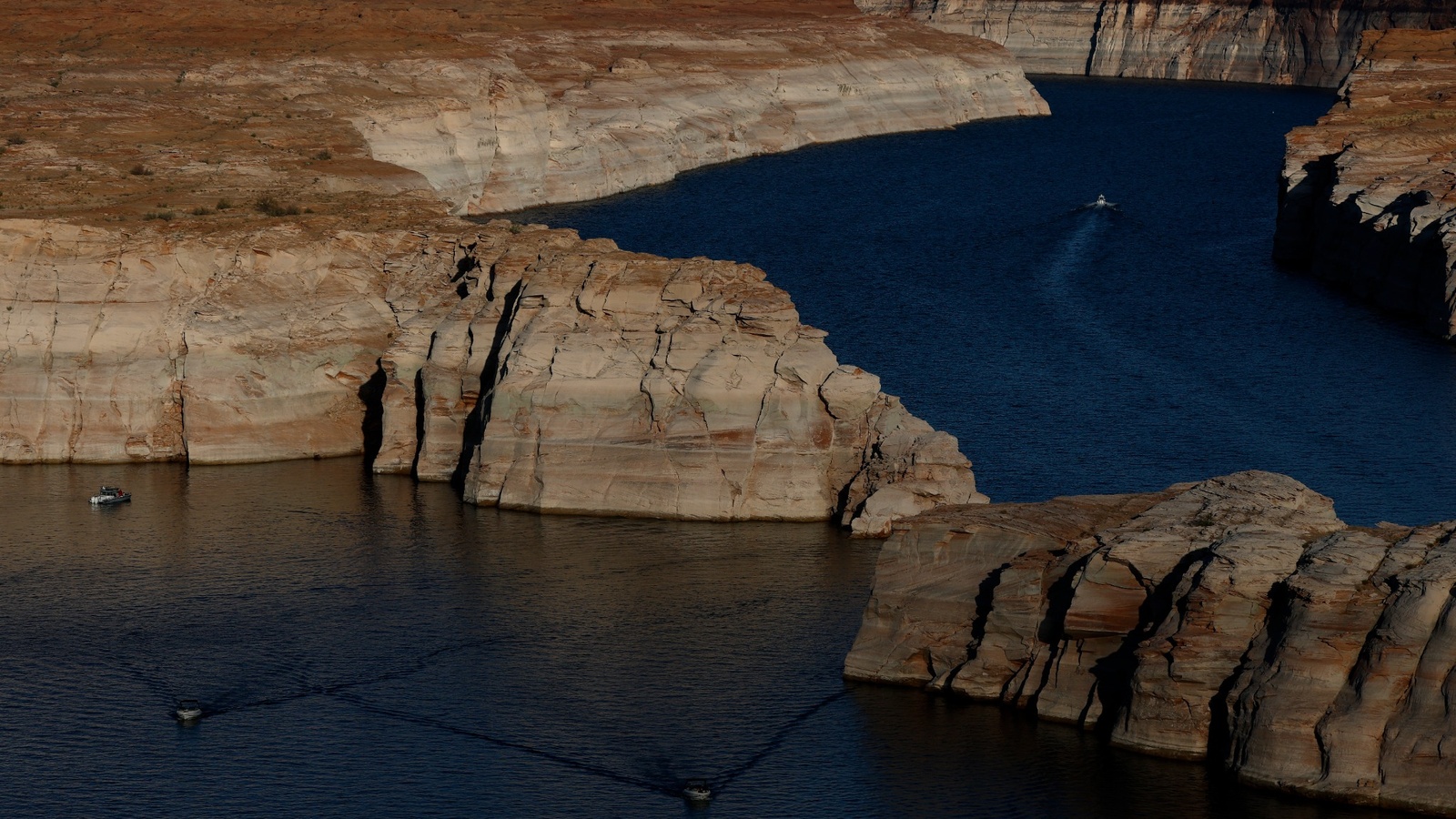
However, the dam’s construction came at a devastating environmental and cultural cost. Conservationists and Indigenous groups deeply lamented the intentional drowning of Glen Canyon itself—a labyrinth of breathtaking red-hot gorges, towering spires, isolated cliffs, and hidden grottoes that many naturalists regarded as possessing an aesthetic grandeur surpassing even the Grand Canyon. For decades, a vocal contingent of environmental advocates called for the outright removal of the dam and the ecological restoration of the canyon. Yet, these proposals were routinely dismissed by policymakers and industry leaders as financially prohibitive, politically toxic, and entirely impractical given the region’s total reliance on the dam’s power generation.
Today, however, the calculus is shifting. As the reality of a permanently diminished river takes hold, a more tempered, highly pragmatic proposal is gaining traction among scientists, water policy experts, and environmental organizations: the "Fill Mead First" initiative.
Spearheaded by groups like the Glen Canyon Institute, this alternative strategy does not call for the immediate demolition of the Glen Canyon Dam. Instead, it proposes draining Lake Powell entirely by drilling new, deep-water diversion tunnels near the riverbed, positioned well below the dam’s existing, increasingly vulnerable bypass tubes.
Advocates point to a multitude of potential benefits under this scenario. Draining Lake Powell would dramatically reduce system-wide water losses; experts estimate that roughly 11 percent of the reservoir’s remaining water is lost annually simply to evaporation. Reclaiming those hundreds of thousands of acre-feet of water each year would provide a vital buffer for the shrinking river basin. Furthermore, shifting the bulk of the water storage downstream to Lake Mead would optimize hydropower production, while the gradual emergence of Glen Canyon would reveal stunning geological formations and countless cultural sites sacred to Native Indigenous tribes.
Structural Vulnerabilities and the Limits of Existing Infrastructure
The urgency behind proposals like Fill Mead First stems from the severe structural limitations of the aging Glen Canyon Dam. Eric Balken, executive director of the Glen Canyon Institute, notes that the dam’s foundational engineering assumptions have been completely upended by climate change.
"For more than four decades, the Glen Canyon Dam was considered a huge asset to the river basin," Balken explains. "But it’s now becoming a liability because it might actually prevent water from flowing downstream. All of the core assumptions around the dam have been turned on their head."

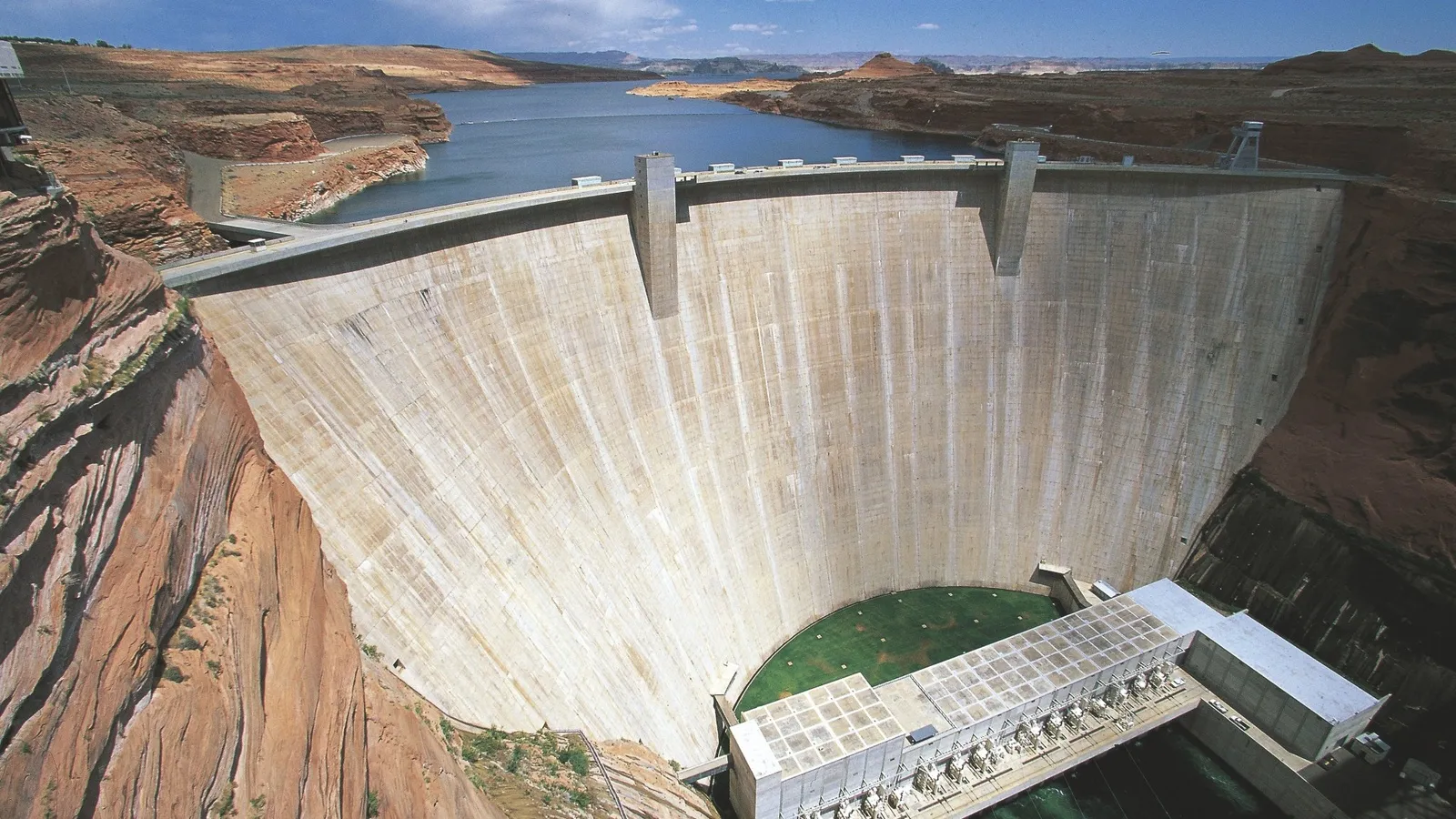
The primary vulnerability lies in the dam’s design. If Lake Powell’s water level drops below the "minimum power pool," the massive penstocks—the large pipes that feed water to the dam’s eight hydroelectric turbines—will be left stranded, completely high and dry. Water would then have to be routed exclusively through the facility’s bypass tubes, which are located significantly lower than the penstocks but possess less than half their water-discharge capacity.
Crucially, these bypass tubes were never engineered for sustained, long-term operational use. Forcing high volumes of water through them continuously risks inducing severe structural vibrations, concrete scouring, and potential damage that could compromise the integrity of the dam itself. While the Bureau of Reclamation inspected and relined the bypass tubes in 2025, confirming they could function as a temporary emergency measure, relying solely on these narrow channels creates a logistical nightmare for Upper Basin states—Colorado, New Mexico, Utah, and Wyoming—as they struggle to fulfill their mandatory water delivery obligations to the Lower Basin states and, by international treaty, to Mexico.
Recognizing these compounding risks, Lower Basin states—which primarily draw their allocations from Lake Mead and have frequently seen their supplies restricted to prop up Lake Powell—have increasingly urged federal authorities to modernize the dam rather than enforce continuous, punishing cuts to downstream deliveries. In a joint communication to Interior Secretary Doug Burgum, representatives from the Lower Basin argued that addressing the facility’s infrastructure limitations is the single most effective long-term measure for improving the operational management of the river system.
Competing Interests and Major Obstacles to Reform
Despite growing support from regional stakeholders, proposals to radically alter the operations of Lake Powell face formidable political, financial, and logistical roadblocks.
Chief among these is the stance of the federal government. In its comprehensive environmental impact statement addressing the management of the Colorado River over the coming decade, the Bureau of Reclamation declined to formally evaluate the complete draining of Lake Powell as a viable management option.
Local opposition is also fierce. Municipal leaders and business owners in Page, Arizona—a community whose local economy relies heavily on water-based recreation tourism centered around Lake Powell—have strongly resisted any initiatives that would shrink or eliminate the reservoir. Organizations representing motorized outdoor recreation, such as the BlueRibbon Coalition, have actively pushed back against environmental proposals, putting forward alternative legislative models like the Colorado River Abundance Act. This $40 billion counter-proposal aims to supplement regional water supplies through advanced wastewater reuse and nuclear-powered desalination of seawater and briny inland aquifers, thereby allowing the federal government to retain higher water levels within Lake Powell without sacrificing municipal allotments.
Furthermore, the sheer timeline and financial cost of infrastructure modifications present massive hurdles. Engineering, designing, and constructing brand-new, deep-water diversion tunnels near the riverbed would likely take a decade or more to complete, with a multi-billion-dollar price tag.
Ecosystem Transformation and the High Cost of Trade-Offs
While policymakers debate structural fixes, the ecological toll on the Colorado River basin continues to mount. Scientists frequently describe the current riverine environment as "novel"—an ecosystem radically transformed by seven decades of heavy human intervention and the complete suppression of natural seasonal flooding.
In recent years, plunging lake levels and operational constraints have forced the Bureau of Reclamation to cancel numerous planned high-flow experiments from the Glen Canyon Dam. These controlled floods are critical for mobilizing sediment, rebuilding eroded sandbars and beaches utilized by recreational boaters throughout the Grand Canyon, and generating shallow-water backwater habitats essential for the survival of endangered native fish species.
Conversely, dam operators have historically released cold water from the depths of Lake Powell to lower summer river temperatures, preventing invasive, warm-water-loving predatory fish like bass from establishing permanent populations in the Grand Canyon and decimating native aquatic life. Yet, as the ongoing drought continues to squeeze hydroelectric capacity and reservoir depths, even these targeted environmental releases have become increasingly difficult to execute.
Experts note that if Lake Powell were ever drained entirely, the ecological impacts would be profound, sweeping, and complex. On one hand, the natural river would aggressively flush out decades of accumulated sediment, allowing native flora like cottonwoods and willows to take root, which would naturally crowd out invasive species like tamarisk. Native wildlife—including river otters, beavers, shorebirds, and amphibians—would likely return to the newly restored canyon landscape, alongside the unearthing of countless archaeological and cultural resources.
On the other hand, the downstream effects on the Grand Canyon and surrounding river reaches would introduce sweeping volatility. Jack Schmidt, director of the Center for Colorado River Studies at Utah State University, emphasizes the profound trade-offs inherent in any major hydrological shift.
"Suddenly the river would have great fluctuations," Schmidt points out. "The river would have much more sediment. The river would be much more turbid." Furthermore, a massive influx of non-native fish species—historically introduced into Lake Powell for sport fishing—would suddenly wash downstream into the Grand Canyon’s native fish refugium, creating entirely new biological management challenges. "It just keeps getting more complicated," Schmidt acknowledges. "It’s all a trade-off in this screwy manmade world."
Looking Ahead: Running Out of Road
For now, large-scale transformations like the Fill Mead First initiative remain outside the immediate policy mainstream, viewed by skeptics as a distant pipe dream. Yet, as global temperatures continue to rise and the hydrological deficit in the Colorado River basin deepens year after year, these once-radical concepts are commanding serious attention from policymakers who realize that status-quo management is no longer sustainable.
The federal government will ultimately hold the decisive authority over the future of the Glen Canyon Dam and the management of the American Southwest’s most critical lifeline. But for conservationists like Eric Balken, the persistent efforts to artificially prop up a failing reservoir are merely a temporary delay of an inevitable reckoning.
"Propping up Lake Powell is kicking the can down the road," Balken warns. "But they are running out of road."