Kiwi Return to Wellington Hills After 150 Years Marking a Milestone in Aotearoa New Zealand Conservation

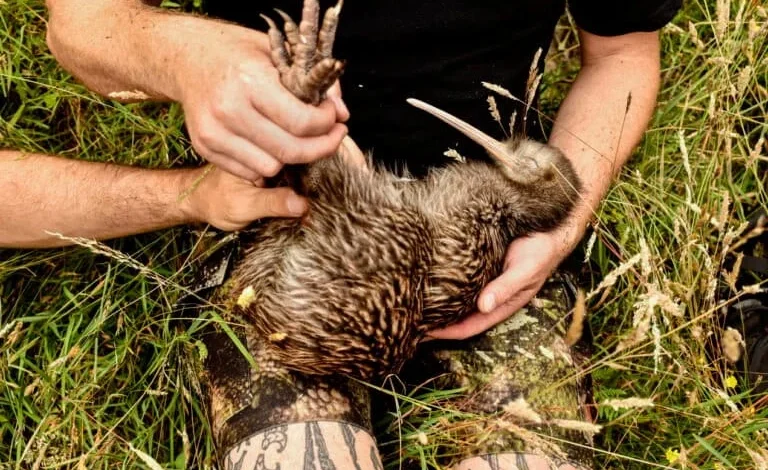
For the first time in over a century and a half, the haunting, nocturnal call of the kiwi once again resonates through the hills surrounding Wellington. The return of more than 250 of these flightless birds to the capital’s outskirts is not merely a biological triumph; it represents a significant shift in the conservation philosophy of Aotearoa New Zealand, blending indigenous knowledge, community engagement, and rigorous ecological management. Led by the Capital Kiwi Project, this initiative has transformed a fragmented, human-modified landscape into a thriving sanctuary for a species that has long been sidelined by the pressures of colonial settlement and introduced predators.
A Century of Absence and the Quest for Restoration
The kiwi, an iconic symbol of Aotearoa New Zealand’s unique evolutionary history, had been effectively exiled from the Wellington region for approximately 150 years. Following the arrival of European settlers, the introduction of mammalian predators—specifically stoats, ferrets, and domestic dogs—devastated local populations. Unlike many of the world’s birds, the kiwi evolved in a niche devoid of terrestrial mammalian threats, leaving it defenseless against the predatory habits of introduced species.
The Capital Kiwi Project, founded by Paul Ward, sought to reverse this trend by targeting an expansive 24,000-hectare area. This landscape is far from a pristine national park; it is a complex, peopled environment consisting of sheep and cattle farms, commercial forestry, and urban infrastructure. The project’s fundamental premise was that conservation cannot occur in isolation behind high-security fences if the species is to truly re-integrate into the national identity.
The Mechanism of Survival: Predator Control at Scale
The primary obstacle to kiwi survival in the wild is the vulnerability of chicks. While adult kiwi can often fend off predators using their powerful, dinosaur-like claws and dense bones, chicks under one kilogram—often referred to as "fighting weight"—are highly susceptible to stoats. To mitigate this, the Capital Kiwi Project deployed a vast network of 5,300 traps across the project area.
This massive technical intervention was designed to suppress the stoat population to a level that allows juvenile kiwi to reach the safety of maturity. The results have been statistically profound. While the project’s Department of Conservation permit initially set a target of 30% chick survivorship, the actual data has exceeded all projections. Currently, the project reports a chick survivorship rate of over 90%. This success has led to an estimated population of over 300 birds in the region, including those born in the wild since the initial translocations began in 2022.
Te Ao Māori and the Tono Process
Central to the success of the Capital Kiwi Project is the collaboration with iwi (nations of Aotearoa). The translocation process is deeply rooted in Te ao Māori (the Māori world). Unlike traditional, top-down government conservation efforts, the movement of these birds was facilitated through a tono—a traditional gifting process.
Rawiri Walsh, the project’s Kaimanaaki Kiwi (kiwi guardian) and iwi liaison, explains that this process requires formal consent and partnership between the gifting iwi and the receiving iwi. The birds are not merely relocated; they are bestowed upon the community through a pōwhiri, a traditional welcoming ceremony. This approach acknowledges the birds as taonga (treasures) and ensures that the responsibility for their care is shared by the entire community, including landowners, local schools, and conservation workers.
The tono process serves as a bridge between modern ecological requirements and ancestral protocols. When the birds are released into their new habitats, the ceremony acts as a symbolic transfer of guardianship. This relational approach ensures that the project remains sustainable, as the community feels a personal stake in the welfare of the birds.
Chronology of the Reintroduction
The road to reintroducing the kiwi was a multi-year effort that began long before the first bird touched the soil of the Wellington hills:
- 2014–2019: Foundations were laid through community-led pest control networks and the success of the Zealandia sanctuary, which provided a proof-of-concept for reintroducing native species into the city’s periphery.
- 2020–2021: Intensive engagement with local landowners, farmers, and iwi to secure access and build the massive trap network required for the 24,000-hectare project.
- 2022: The first group of kiwi were translocated to the Wellington hills. The historic release was marked by a pōwhiri attended by hundreds of community members.
- 2023: Monitoring data confirmed that the released kiwi were not only surviving but thriving. Health checks revealed that birds were maintaining, and in some cases exceeding, ideal weight metrics.
- 2024: The project reached a milestone of over 250 translocated birds, with wild-born chicks successfully reaching maturity, signaling the establishment of a self-sustaining population.
Implications for Modern Conservation
The Capital Kiwi Project offers a compelling case study for conservationists worldwide. By demonstrating that iconic species can return to modified, human-occupied landscapes, the project challenges the "ambulance at the bottom of the cliff" model of conservation, which focuses on keeping threatened species in isolated, high-security facilities.
The implications are twofold. First, it proves that intensive, community-wide predator control can create "safe" corridors in agricultural and semi-urban zones. Second, it highlights the necessity of social integration. As Paul Ward notes, if the public loses its relationship with these animals—if they become creatures seen only in museums or behind fences—they lose the societal mandate required to protect them. By bringing the kiwi back into the backyard, the project has fostered a sense of collective identity and agency.
Broader Impact and Future Outlook
The return of the kiwi has had a visible impact on the morale and environmental consciousness of the Wellington region. For many residents, witnessing a kiwi in the wild is a transformative experience, repairing what Walsh describes as a "wound" in the landscape caused by the long absence of these birds.
Furthermore, the project serves as a proof of concept for the potential reintroduction of other taonga species. The collaborative framework established between iwi, landowners, and the public provides a template for future conservation efforts across Aotearoa New Zealand. As the population continues to grow, the focus of the project is shifting from the ambition of reintroduction to the responsibility of long-term stewardship.
The project faces the ongoing challenge of complacency. While the initial results are historic, maintaining the trap network and ensuring that urban development and domestic pet management align with the needs of the kiwi remain critical tasks. However, the momentum behind the Capital Kiwi Project suggests that the restoration of the region’s biodiversity is now a shared community value.
As the kiwi population stabilizes, the project team continues to work behind the scenes on what species might follow. The success of the kiwi in the Wellington hills has fundamentally changed the conversation regarding what is possible in the field of ecological restoration. It serves as a reminder that with the right combination of scientific rigor, traditional knowledge, and, most importantly, the strength of human relationships, humanity can indeed bend the arc of extinction in a more positive direction.
In the words of those involved, the project is as much about the restoration of human connection to the land as it is about the restoration of the birds themselves. By integrating the kiwi back into the whenua (land), the people of Wellington have not only returned an iconic species to its home but have also reclaimed a vital part of their own cultural and natural heritage.
Related posts: