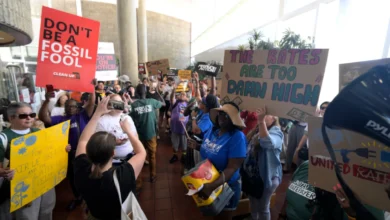
Tar Sands and Tight Margins: Eastern Montana Landowners Weigh Risks and Rewards of Proposed Bridger Pipeline

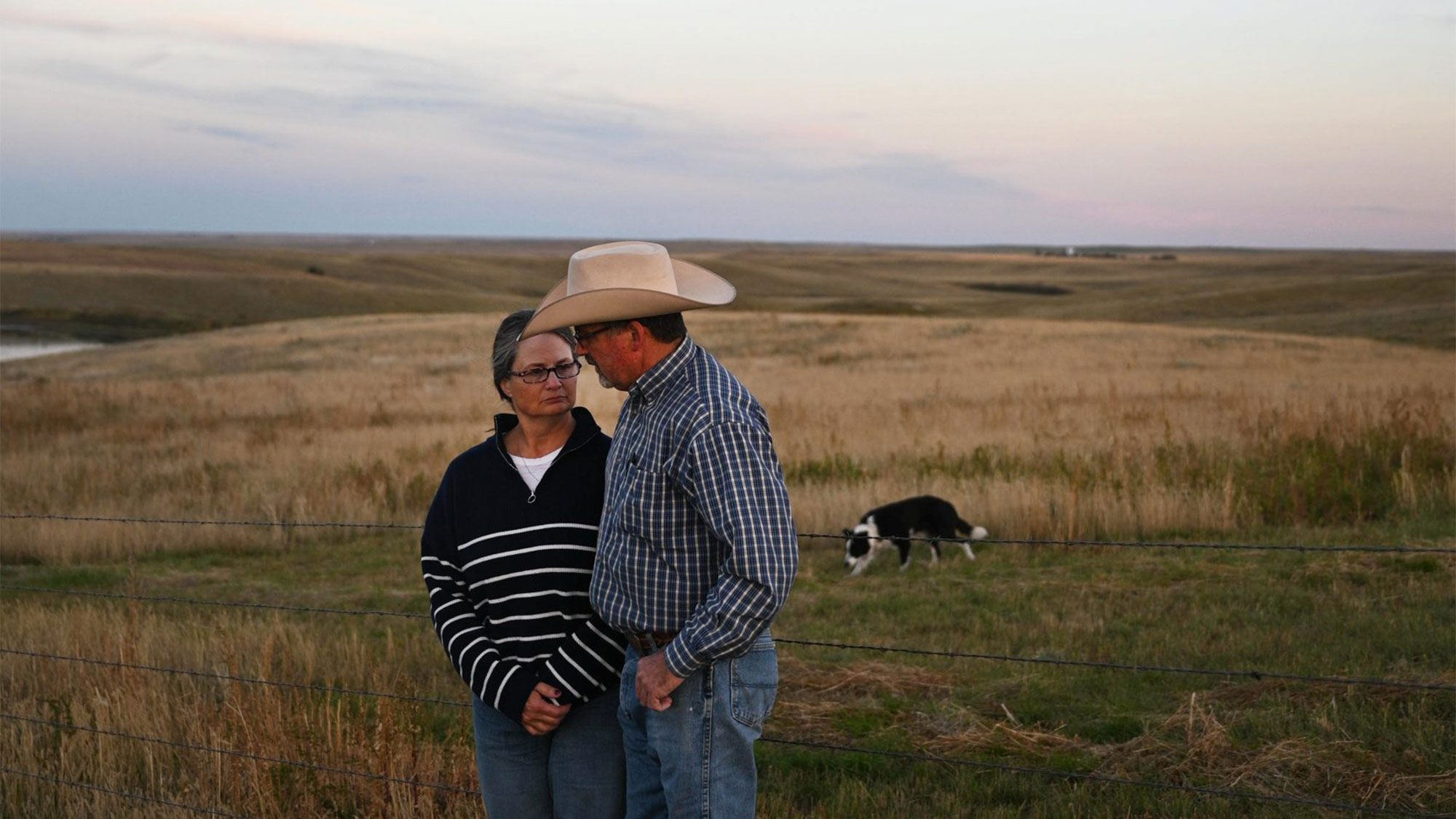
Deep in the rolling hills of northeastern Montana, grain farmer Jerry Arnold stands beside his idling combine, his sweat-stained cap dusted with the golden remnants of a grueling harvest. Operating an unirrigated farm near Opheim—a town of just 72 residents near the Canadian border—Arnold knows all too well the devastating financial toll of a warming, unpredictable climate. Last year’s record-low snowpack and unseasonably dry winter stunted his crops, compounding the relentless pressures of an agricultural industry built on razor-thin margins.
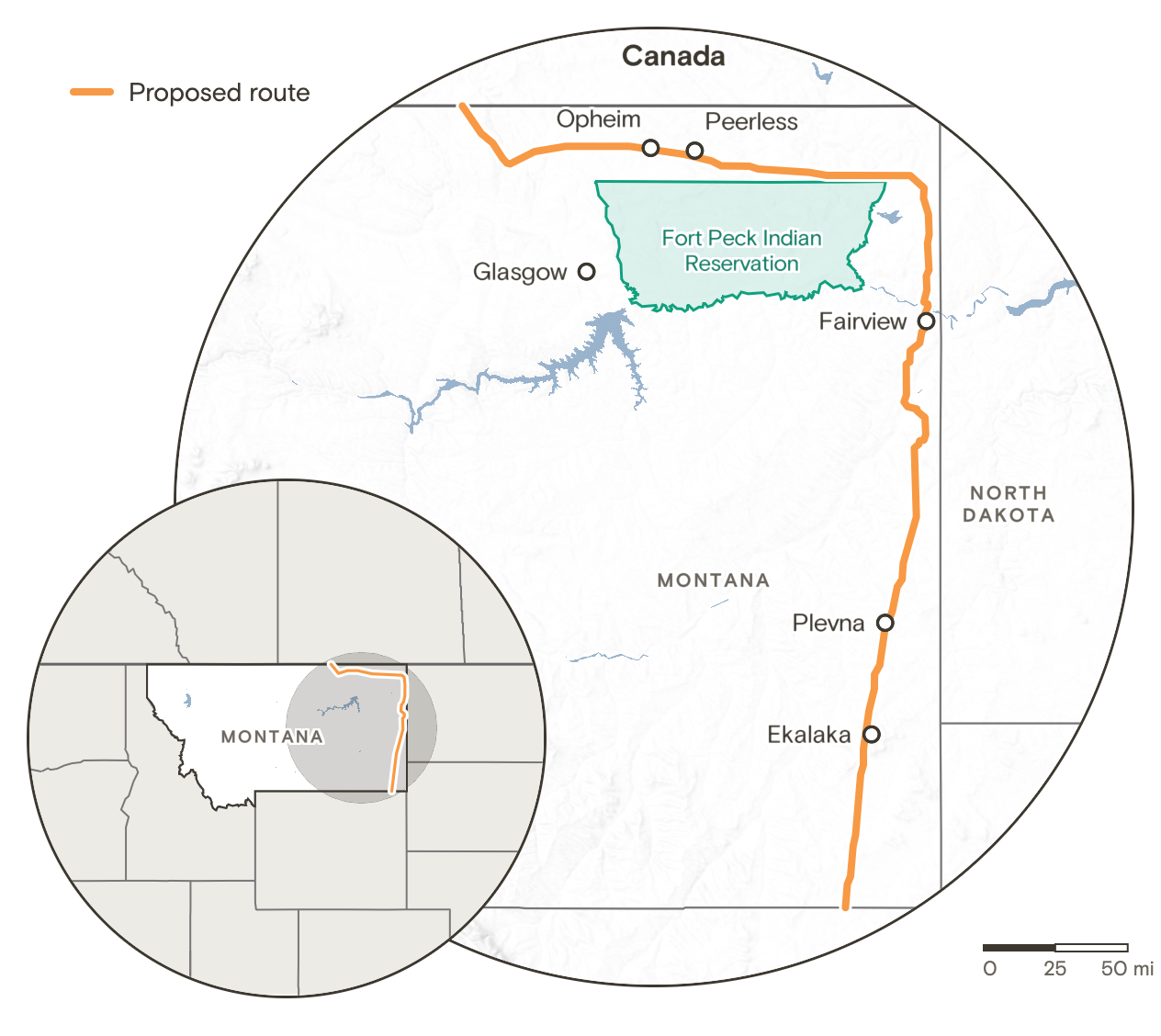
Yet, much-needed financial relief may be on the horizon. Arnold is one of roughly 300 agricultural landowners situated directly in the path of a massive, highly contentious infrastructure project: a proposed 650-mile tar sands oil pipeline spearheaded by Wyoming-based Bridger Pipeline LLC. The ambitious venture would traverse nine counties across eastern Montana and an expansive swath of eastern Wyoming, offering landowners lucrative easement payouts that could mean the difference between keeping family farms afloat and insolvency.
"We’re coming off of two, three bad years," Arnold reflected, surveying the surrounding fields. "And that’s going to be a good-size check."
For rural communities wrestling with multiyear droughts, volatile cattle markets, and skyrocketing diesel prices, the prospective pipeline represents a lifeline. But as federal permitting moves forward under a supportive presidential administration, the project has also ignited intense concerns over environmental safety, climate impacts, and the distinct vulnerability of indigenous populations living in its shadow.
Project Scope and Regulatory Milestones
The proposed Bridger Pipeline is designed to transport massive volumes of tar sands oil—a dense, highly viscous mixture of sand, clay, water, and bitumen. According to environmental studies, refining and burning tar sands crude generates roughly 20 percent more greenhouse gas emissions than conventional crude extraction, making the project a focal point for environmental scrutiny.
The route is engineered to connect to an existing Canadian pipeline infrastructure, sweeping down through Montana before terminating at a major oil refinery hub and trading center in Guernsey, Wyoming. From there, energy collaborators plan to push the crude further south toward Cushing, Oklahoma, and potentially onward to the Gulf of Mexico for international export.
At peak capacity, the pipeline could transport upwards of one million barrels of oil daily, with an initial scheduled flow of 550,000 barrels per day. Bridger officials maintain that this increased supply will introduce much-needed stability to an otherwise erratic global energy market.
"This is scheduled to start at 550,000 barrels a day; that gives additional security and stability to a market that can be unstable at times," said Bridger spokesperson Bill Salvin. "And when you have a secure market, and you have a security of supply, that can help even out some of those shocks."
The project’s regulatory trajectory has accelerated significantly. Earlier this spring, President Donald Trump granted the venture a presidential permit authorizing it to cross the international border in Phillips County, Montana. Bridger officials have since stated their intention to break ground within a year, pending the successful completion of environmental reviews, land surveys, and easement negotiations.
The Economic Lifeline for Cash-Strapped Counties
In eastern Montana, the economic landscape is sharply divided from the booming, tourism-driven population centers west of the Continental Divide. While western Montana thrives on service industries and tech growth, the eastern plains rely heavily on the oil and gas sector as a primary engine of regional revenue.
For cash-strapped local governments, the arrival of a major pipeline infrastructure project translates directly into vital tax receipts. Commissioners in Carter County, for instance, note that existing oil and pipeline installations account for the vast majority of local property tax revenue.
Daniels County Commissioner Tammi Fladager noted that roughly 50 miles of Bridger’s preferred route would pass through her jurisdiction, where approximately 11 percent of the population lives in poverty.
"We’re kind of desperate," Fladager said. "Anybody that comes with a big check, it’s ‘Where do I sign?’ You don’t want the lottery ticket to walk out the door."
Fladager captured the regional sentiment regarding the economic disparity across the state, adding, "It almost feels like western Montana is eating off of a banquet table, and we’re down here picking up scraps. And this is like a pork chop falling on the floor. That’s what it is to us."
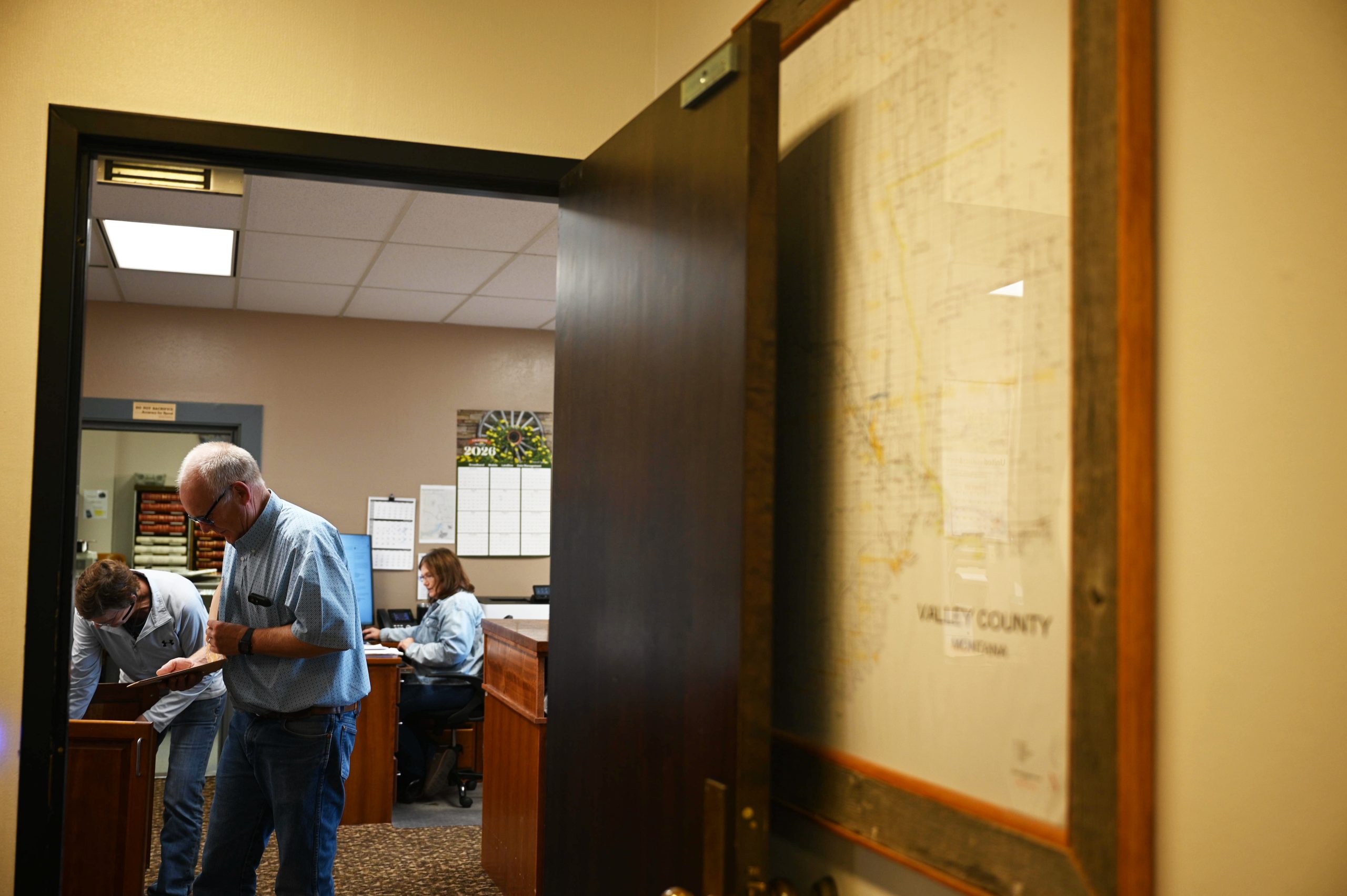
Daniels County is uniquely positioned to benefit because it currently possesses no commercial pipelines contributing to its county tax base. Neighboring Valley County experienced a similar wave of optimism a decade ago when the ill-fated Keystone XL pipeline was proposed. Anticipating substantial tax windfalls, Valley County residents built new commercial properties, purchased new equipment, and approved a $16.8 million school bond.
When then-President Joe Biden officially terminated the Keystone XL project via executive order in 2021, the community absorbed a severe economic blow. Asked how local leadership felt when the project was canceled, Valley County Commission Chair Paul Tweten offered a grim assessment: "You don’t want to know."
Now, with Bridger offering a second chance at economic revitalization, local officials are cautiously supportive, even as individual landowners grapple with lingering skepticism about the project’s long-term transparency and ultimate benefits.
Landowner Perspectives: Between Relief and Resignation
For individual farmers and ranchers, engaging with pipeline developers is a delicate balancing act. Pipeline companies typically negotiate private, one-time lump-sum payments with landowners for property easements, alongside compensation for initial land surveys and legal consultations.
While specific financial agreements remain heavily guarded under nondisclosure agreements, historical precedent shows that landowners along major pipeline corridors can command substantial payouts. During the height of the Keystone XL negotiations, some landowners in Nebraska and Texas reported receiving signing bonuses ranging from tens of thousands to upwards of $150,000, depending on the acreage affected.
Jerry Arnold recalls how a similar payout from the construction of the Northern Border Pipeline in the 1980s saved his family farm during a devastating trifecta of drought, heatwaves, and grasshopper infestations. When Bridger approached him regarding the new route, his initial instinct was to maximize his compensation.
"My first thought was, ‘I’m not gonna let you come through unless you do circles out there,’" Arnold said, emphasizing that a longer pipeline route across his property directly increases his financial payout.
Not all landowners share Arnold’s unbridled enthusiasm. Bob Thielen, a rancher outside Plevna, Montana, whose property sits directly on Bridger’s preferred route, views the ongoing survey and negotiation phase with weary pragmatism. Having witnessed the collapse of Keystone XL after years of bureaucratic wrangling, Thielen remains cautious about whether dirt will actually turn.
"I’m going to call this the annoying stages of it," Thielen said, standing near a rural county road. "When all the negotiations are going on, and when you got all the surveyors and environmentalists, and everybody is wanting to come through your property… really before anything’s even set in stone."
Thielen also voiced frustration over the lack of transparency regarding the pipeline’s end use, echoing concerns shared by several agricultural neighbors who remain unsure of the oil’s ultimate destination or whether it will provide any domestic relief at the fuel pump.
"What is the benefit to the American people?" Thielen asked. "The counties might get a little revenue, us ranchers are going to get a little revenue—the American people are going to get absolutely zero from it if it’s just coming in and going out."
Environmental Hazards and the Fort Peck Reservation
While agricultural landowners focus on economic survival, indigenous communities and environmental advocates are raising alarm bells over the significant safety and ecological risks associated with transporting tar sands crude.
Bridger’s preferred pipeline route skirts just north of the Fort Peck Indian Reservation boundary, coming within two miles of tribal lands at its closest point. The pipeline would cross the Poplar River—a vital tributary of the Missouri River—and run dangerously close to municipal water systems that supply drinking water to thousands of Native and non-Native residents.
Krystal Two Bulls, executive director of the Indigenous-led environmental organization Honor the Earth, noted that routing hazardous infrastructure just outside reservation borders is a well-worn corporate tactic. Similar routing controversies accompanied the Dakota Access pipeline near the Standing Rock Indian Reservation and Enbridge’s Line 5 near the Bad River Reservation in Wisconsin.
"It’s an extremely common practice," Two Bulls said. "It’s like, ‘We’ll put the pipeline just close enough where you don’t have rights. And you can’t say that it’s on the reservation, so, legally, you don’t have the same protections or the same ability to fight it.’ But it’s close enough where it’s going to have an impact."
Bridger’s spokesperson defended the route, stating that the company deliberately avoided crossing reservation property because local tribal leadership made it clear they opposed new pipelines.
"We are of the mind that if people don’t want our pipelines, whether it’s Fort Peck Tribes or an individual landowner, we don’t want to put it there," Salvin said.
However, tribal leaders remain deeply skeptical, pointing to Bridger’s troubled safety record. In 2015, a pipeline owned by Bridger ruptured, spilling at least 30,000 gallons of crude oil into the Yellowstone River and forcing roughly 6,000 residents in Glendive, Montana, to avoid drinking tap water. Bridger ultimately settled a civil lawsuit with the Montana Attorney General’s Office for $2 million in 2021.
Federal data from the U.S. Pipeline and Hazardous Materials Safety Administration indicates that Bridger pipelines have experienced 12 spills since 2012. Furthermore, in 2023, Bridger and sister company Belle Fourche were ordered to pay a $12.5 million civil penalty under the Clean Water Act and federal pipeline safety laws following multiple oil spills across Montana and North Dakota.
Bridger insists that safety protocols have been drastically overhauled since 2015, citing advanced 24/7 monitoring systems and proprietary artificial intelligence leak-detection technology.
Regulatory Shortfalls and Tribal Frustrations
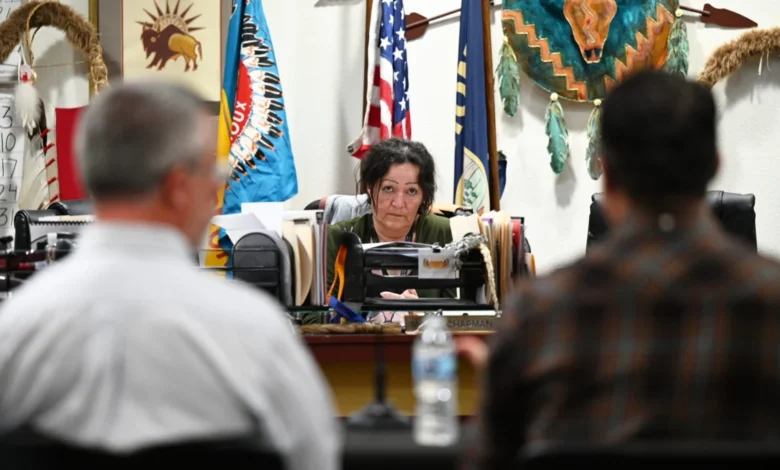
During a tense consultation meeting in late September at the Fort Peck tribal chambers in Poplar, Montana, Tribal Executive Board members pressed representatives from the U.S. Bureau of Land Management (BLM) regarding emergency preparedness, spill scenarios, and the long-term ecological risks of tar sands transport. Because the pipeline would traverse more than 50 miles of BLM-managed federal land, the agency holds primary authority over the environmental impact statement (EIS).
When tribal council members questioned whether the BLM’s environmental review would account for the lifetime greenhouse gas emissions generated by processing and burning tar sands oil, project lead Phillip Blundell cited a recent U.S. Supreme Court decision limiting the scope of federal environmental mandates. Blundell confirmed that the BLM’s formal analysis "will only look at emissions from construction."
Frustrated by vague answers and a perceived lack of substantive logistical data provided by Bridger, tribal officials expressed deep dissatisfaction with the consultation process.
"We met with the BLM twice and Bridger Pipeline twice in the last year and a half, but you know, the same questions come about with no answers," said Fort Peck Tribal Executive Board member Jestin Dupree. "It’s just a lot of lip service, it seems."
While Bridger representatives stated that the company is preparing technical assessments to directly address tribal concerns ahead of a planned December meeting, community leaders like Dupree remain unconvinced that their fundamental safety concerns will be adequately addressed.
As federal agencies advance their environmental reviews and agricultural landowners weigh the immediate financial security of easement checks against the long-term hazards of heavy crude transport, eastern Montana finds itself once again at the epicenter of the nation’s ongoing debate over fossil fuel expansion, climate change, and rural economic survival.