The Sundance Film Festival, an institution synonymous with independent cinema for over four decades, is set to undergo a historic transformation. After a tenure in Park City, Utah, that began in 1985, the festival will relocate its operations to Boulder, Colorado, for the 2027 season. The inaugural Boulder-based event is scheduled to take place from January 21 to 31, 2027, marking a significant shift in the landscape of American film festivals. This transition represents not merely a change of venue, but a strategic repositioning designed to accommodate the exponential growth of the festival, which has seen attendance figures balloon from its humble origins to over 85,000 in-person participants in recent years.
A Chronology of the Transition
The decision to move the Sundance Film Festival did not emerge overnight. It is the culmination of years of internal evaluation regarding the scalability of the festival within the confined geography of Park City.
The origins of the Sundance Institute date back to 1981, when Robert Redford founded the organization to support independent storytellers. By 1985, the festival had established a permanent home in the Utah mountains. However, as the global profile of independent film grew, so did the logistical pressures on the host city. By the early 2010s, industry analysts and festival organizers began noting that the infrastructure of Park City—characterized by narrow mountain roads and limited transit—was increasingly strained by the volume of media, industry professionals, and cinephiles.
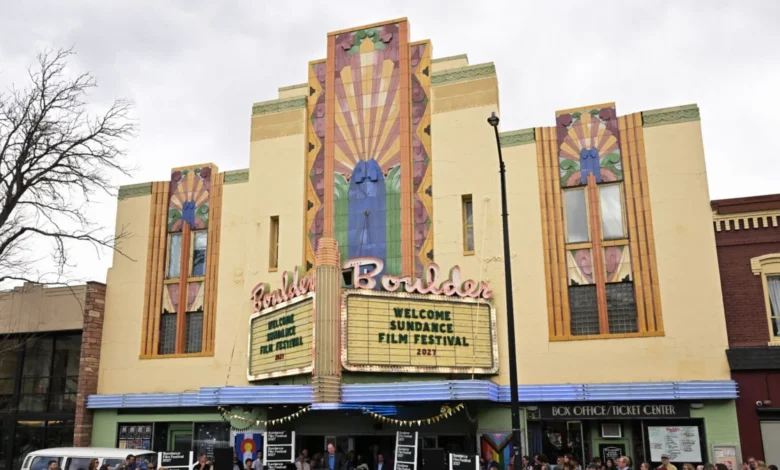
The formal pivot toward Boulder began gaining momentum in early 2025. Following extensive negotiations between the Sundance Institute and municipal leaders in Colorado, a press conference held at the historic Boulder Theater in March 2025 served as the official announcement. Governor Jared Polis framed the move as a transformative moment for Colorado’s creative economy, emphasizing the state’s capacity to host international delegations and provide a new, more accessible home for global storytellers.

Strategic Rationale and Venue Centralization
One of the primary drivers behind the selection of Boulder is its unique combination of urban accessibility and proximity to the Rocky Mountain landscape. Unlike the fragmented footprint of the Park City festival, where venues were often separated by significant travel times and difficult transit conditions, the Boulder experience is designed to be highly concentrated.
The 2027 festival will utilize a series of iconic venues, including the Boulder Theater, the Chautauqua Auditorium, and eTown Hall. Crucially, these sites are situated within a two-mile radius, allowing for a more cohesive experience for attendees. The city’s investment in infrastructure—including a dedicated fleet of Sundance shuttles, the expansion of the HOP bus service, and the integration of the Regional Transportation District (RTD) network—aims to mitigate the traffic congestion traditionally associated with large-scale film festivals.
From a logistics standpoint, Boulder offers a distinct advantage: its location along the Front Range allows for direct access from Denver International Airport without the need for high-altitude pass navigation. This accessibility is expected to increase attendance among international guests who previously cited the difficulty of reaching Park City as a barrier to entry.
Economic and Cultural Implications
The arrival of Sundance is expected to have a profound economic impact on Boulder County. The festival is a high-yield event, traditionally attracting a demographic of high-spending industry professionals, journalists, and cultural tourists. Local officials have spent the last eighteen months preparing for this influx by streamlining short-term rental regulations to maximize housing capacity.
Charlene Hoffman, CEO of Visit Boulder, noted that while the city has successfully managed large-scale events like the Boulder Creek Fest—which draws upwards of 90,000 visitors in a single day—the 11-day duration of Sundance presents a unique challenge. To address this, the city has encouraged a regional approach to lodging, partnering with municipalities in Denver and Estes Park to provide secondary housing options connected by express transit routes.

The cultural alignment between the festival and the city is equally significant. Boulder is the site of the University of Colorado Boulder, the alma mater of Robert Redford, which adds a layer of historical continuity to the move. Furthermore, the city’s established arts scene and reputation for supporting environmental and social activism mirror the core mission of the Sundance Institute.
Navigating the Festival Landscape
Beyond the cinema screens, the festival organizers and the City of Boulder are emphasizing the "all-around" experience. The integration of local businesses into the festival fabric is a key strategy. Attendees are encouraged to utilize the city’s extensive network of pedestrian malls, such as the historic Pearl Street, which will remain a central hub for social activity.
For industry professionals and film enthusiasts, the city offers a diverse range of culinary and leisure options. Institutions like Frasca Food and Wine, a Michelin-starred destination, and The Sink—a historic establishment where Robert Redford once worked—provide venues for the high-level networking that defines the festival experience.
For those seeking to leverage the mountain environment, the proximity to Eldora Mountain Resort offers an immediate recreational outlet. The introduction of the "Ski-n-Ride" shuttle from Downtown Boulder Station allows festival-goers to transition from film panels to alpine activities within minutes, effectively blending the "film and mountain" ethos that has always been the hallmark of the Sundance brand.
Operational Challenges and Future Outlook
Despite the optimism surrounding the move, organizers acknowledge the inevitable friction points that accompany a shift of this magnitude. Traffic management remains the primary concern for local residents, as the city expects to see a significant uptick in vehicle volume on local thoroughfares. The strategy to combat this involves a "car-free" initiative, heavily promoting public transit and bicycle-sharing programs over personal vehicle usage.

Furthermore, the environmental impact of such a large event is being monitored. The Sundance Institute has committed to maintaining its carbon-offset programs, working closely with local environmental agencies to ensure that the increased foot traffic and energy consumption are balanced by sustainable practices.
As the 2027 date approaches, the focus for the Boulder municipal government and the Sundance Institute is on capacity testing. Success will be measured not only by the number of tickets sold or the revenue generated, but by the seamlessness of the guest experience and the long-term integration of the festival into the Boulder community.
The relocation of the Sundance Film Festival to Boulder is arguably the most significant disruption in the American film industry in the last forty years. By trading the high-altitude, dispersed environment of Park City for a centralized, accessible, and educationally-aligned city, the Sundance Institute is signaling a new era. The 2027 festival will serve as a pilot for this model, setting a precedent for how major cultural institutions can evolve to meet the demands of modern audiences while maintaining the spirit of independent inquiry that has defined the organization since its inception. Whether this shift will redefine the festival’s legacy remains to be seen, but for now, all eyes are turned toward the Flatirons as the world’s most prestigious independent film event prepares for its Colorado debut.