Beyond the Party Strip: How Cancúns All-Inclusive Resorts Matured Into High-End Luxury Destinations

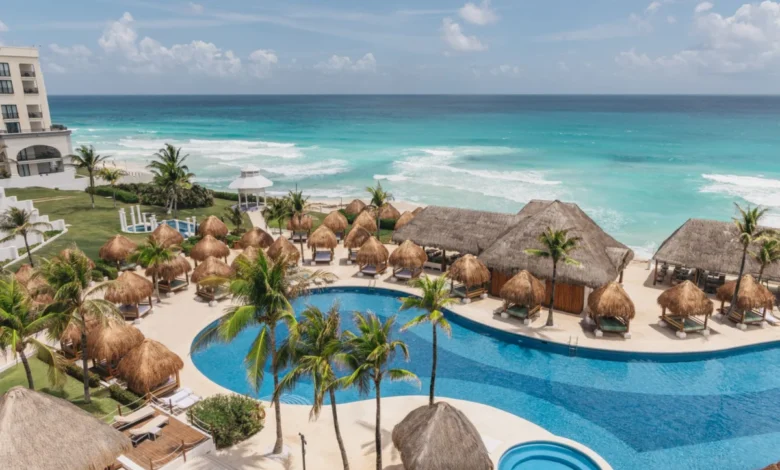
The evolution of Cancún, Mexico, from a modest federal development project into one of the worlds premier tourism hubs mirrors a broader shift in the international hospitality sector. When international travelers first began frequenting the northeastern coast of the Yucatán Peninsula in significant numbers during the late 1970s and 1980s, the region was defined primarily by mass-market tourism, high-density hotel construction, and a reputation centered largely on spring break celebrations and affordable, standardized all-inclusive packages. Over the past two decades, however, market pressures, demographic shifts among travelers, and a multi-billion-dollar wave of private investment have fundamentally transformed the destination. Today, Cancún’s hospitality landscape features some of the most sophisticated, design-forward, and service-oriented luxury all-inclusive resorts in the Western Hemisphere.
Main Facts of the Modern Cancún Hospitality Market
The transformation of Cancún’s resort offerings is not merely anecdotal; it is backed by substantial economic indicators and infrastructural growth. The destination, anchored by the Cancún International Airport (CUN), continues to serve as the primary international gateway to the Mexican Caribbean. According to data from Grupo Aeroportuario del Sureste (ASUR), which operates the airport, passenger traffic has consistently broken records, driven by an extensive network of nonstop flights from major metropolitan areas across the United States, Canada, and Europe.
This steady stream of airlift has enabled hotel operators to target a more affluent, discerning demographic. No longer reliant solely on the budget-conscious traveler or the college spring breaker, modern luxury resorts in Cancún have redefined the all-inclusive model. Today’s high-end properties routinely feature Michelin-starred or internationally acclaimed culinary talent, expansive wellness and hydrotherapy spas, bespoke concierge services, and architectural designs that integrate the natural coastal environment rather than isolating guests from it.
Geographically, the expansion has moved beyond the traditional 14-mile stretch of the downtown Hotel Zone. While the classic beachfront corridor remains bustling, luxury development has increasingly dispersed northward to the tranquil peninsula of Playa Mujeres and eastward across the Bahia de Mujeres to Isla Mujeres. These outlying areas offer a more secluded environment while remaining within easy reach of the international airport and regional cultural sites.
Chronology and Evolution: From Mass Tourism to Elite Hospitality
The trajectory of Cancún’s tourism industry can be traced across distinct chronological phases, reflecting the maturation of Mexico’s tourism strategy.
1970s–1980s: The Genesis of FONATUR
The modern history of Cancún began in the late 1960s when the Mexican government, through the national tourism development fund FONATUR (Fondo Nacional de Fomento al Turismo), identified the uninhabited barrier island and surrounding coastline as an ideal location for a master-planned resort destination. The objective was to stimulate economic development in the state of Quintana Roo. The first hotels opened in the mid-1970s, establishing the foundational infrastructure, including the airport and the iconic, numeral-7-shaped Hotel Zone.
1990s–2000s: The Rise of the Mass-Market All-Inclusive
During the 1990s and 2000s, the all-inclusive model gained dominance. Driven by predictability for consumers and high occupancy rates for operators, mega-resorts sprouted along the coastline. This era cemented Cancún’s global reputation as an accessible, high-volume destination, frequently associated with energetic nightlife and youth-oriented travel during seasonal breaks.
2010s: The Luxury Pivot and Reinvestment
Recognizing a shift in consumer demand—particularly among affluent travelers seeking seamless, hassle-free luxury experiences without sacrificing culinary and aesthetic standards—major international hotel brands began acquiring and retrofitting properties in the region. Brands such as Hyatt, Marriott, and various independent luxury groups invested heavily in upgrading infrastructure, introducing fine dining, and implementing eco-conscious building practices.
2020s–Present: The Post-Pandemic High-End Boom
Following the global disruptions of the COVID-19 pandemic, Cancún experienced a rapid rebound in tourism. Industry data from the Quintana Roo Tourism Board (Cofetur) indicates that average daily rates (ADR) and revenue per available room (RevPAR) reached historic highs as travelers increasingly favored upscale and luxury all-inclusive formats that bundled high-end amenities into a single upfront cost.
Supporting Data and Economic Impact
The economic footprint of Cancún’s tourism sector is monumental for the Mexican economy. Tourism accounts for a substantial percentage of Quintana Roo’s gross domestic product and employs a vast majority of the local workforce.
- Airlift Capacity: Cancún International Airport consistently ranks as Mexico’s second-busiest airport by passenger volume, frequently handling tens of millions of passengers annually. The dominance of nonstop routes from key hubs in the United States—including Miami, Houston, Atlanta, New York, and Chicago—ensures continuous market liquidity.
- Foreign Direct Investment: According to the Ministry of Economy (Secretaría de Economía), the hospitality and tourism sectors in Quintana Roo attract hundreds of millions of dollars in foreign direct investment annually, much of it directed toward the construction and renovation of luxury all-inclusive properties.
- Length of Stay and Spend: Data from regional hotel associations indicates that guests at high-end all-inclusive resorts tend to stay longer—averaging five to seven nights—and spend significantly more on ancillary services such as private excursions, spa treatments, and premium wine and spirits than visitors of previous decades.
Official Responses and Industry Perspectives
Industry leaders and tourism officials have actively shaped the narrative around Cancún’s maturation, emphasizing sustainability, diversification, and service excellence.
Representatives from the Quintana Roo Tourism Board have frequently noted that the strategic diversification of the region’s offerings—from the bustling Hotel Zone to the serene enclaves of Playa Mujeres and the cultural corridors of the Riviera Maya—allows the destination to capture multiple segments of the global travel market simultaneously. "The objective has never been to abandon our roots, but to elevate the entire ecosystem," noted a regional tourism development representative during a recent hospitality summit. "Travelers today expect convenience, but they also demand authenticity, sustainability, and uncompromising quality."
Furthermore, major hospitality executives point out that the all-inclusive model has undergone a psychological rebrand. Once viewed by luxury travelers as a compromise in quality for the sake of convenience, the high-end all-inclusive format is now perceived as the ultimate expression of frictionless travel. By removing the transactional friction of daily tipping, bill-signing, and restaurant reservations, resorts allow guests to experience a seamless form of leisure.
Broader Impact and Market Implications
The successful upscaling of Cancún’s resort sector carries several important implications for the broader Caribbean and Latin American travel markets.
First, Cancún serves as a blueprint for how legacy mass-market destinations can reinvent themselves without alienating their core audience. By dividing development zones into distinct micro-destinations—catering to families, wellness seekers, luxury connoisseurs, and nightlife enthusiasts alike—the region avoids the pitfalls of over-saturation and brand dilution.
Second, the shift toward luxury all-inclusives has driven sustainability initiatives. Modern upscale developments are increasingly required to adhere to stringent environmental regulations regarding wastewater management, energy efficiency, protection of local mangrove ecosystems, and beach preservation. As climate change and coastal erosion pose ongoing threats to Caribbean tourism, high-end resorts are heavily incentivized to invest in resilient infrastructure and green certifications.
Finally, the evolution of Cancún influences labor markets and community development within Quintana Roo. The demand for sophisticated culinary arts, multilingual concierge services, and specialized wellness therapies has elevated professional training standards within the local hospitality workforce, creating long-term career pathways for residents of the region.
Conclusion
The Cancún of today is vastly different from the destination that welcomed budget-conscious spring breakers decades ago. While the foundational elements that made the region famous—sun-drenched beaches, accessible airlift, and the effortless appeal of a frozen cocktail by the water—remain intact, they are now complemented by a level of refinement, culinary ambition, and personalized service that rivals any luxury destination globally. For the modern traveler willing to look beyond outdated stereotypes and select the right property for their needs, Cancún’s mature luxury landscape offers a compelling case study in the successful reinvention of a world-class travel destination.
Related posts: