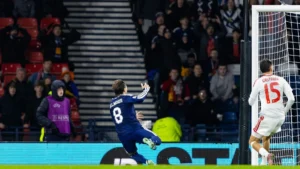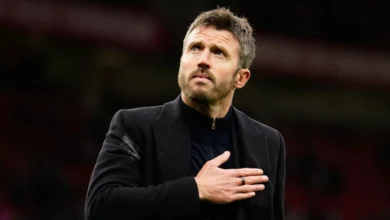
In many ways, there are striking parallels between the Manchester United relegated in 1974 and the Manchester United sitting in the relegation zone at this stage of the season for the first time in 40 years. The narrative arc is hauntingly familiar: a legendary, era-defining manager departs, yet his gargantuan shadow continues to loom over Old Trafford. Boardroom indecision, a lack of long-term strategic clarity, and a rapid turnover of successors have seen the club slide into a state of structural atrophy over several years.
When Sir Matt Busby, the architect of the 1968 European Cup-winning side, finally stepped aside, he did not vanish. He remained a director, occupying the same vantage point that Sir Alex Ferguson would later inhabit for over a decade. In both instances, the presence of the patriarch in the directors’ box created an impossible environment for those tasked with the succession, as every tactical deviation or poor result was measured against the ghost of former glories.
The Anatomy of a Collapse: A Historical Chronology
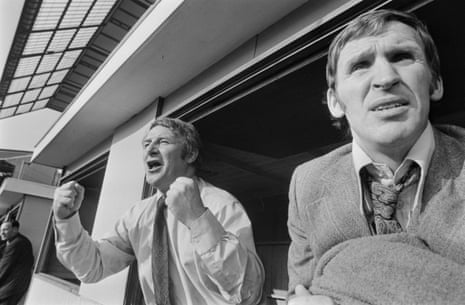
The period following the 1968 European triumph serves as a cautionary tale for modern football. Between 1969 and 1974, the club struggled to replace the irreplaceable. Wilf McGuinness was the first to take the poisoned chalice, followed by a brief, uneasy return of Busby himself, and then the appointment of Frank O’Farrell. By the time Tommy Docherty arrived in 1972, the rot had set in.
The current malaise mirrors this timeline with chilling precision. In the eight years following a period of relative stability, the club has churned through managers at an unsustainable rate: José Mourinho, Ole Gunnar Solskjær, Erik ten Hag, Ruben Amorim, and most recently, the short-lived tenure of Michael Carrick. Each sacking was intended to be a reset button; each ultimately functioned as a temporary patch on a systemic fracture.

In 1974, the external perception was that United were "too big to fail." Inside the dressing room, however, the decay was palpable. Following a dismal defeat to Crystal Palace in December 1972, Busby approached Docherty at Selhurst Park. The admission was stark: "There’s a lot of trouble in the camp." Docherty, then Scotland manager, was warned that turning the club around would be like steering an oil tanker—a massive, slow-moving vessel that required a monumental effort to change course.
The Price of Sentimentality and the Need for a Clean Slate
Docherty’s initial mandate was a wholesale reconstruction. He realized, as many modern observers have noted, that the 1968 vintage had been allowed to "grow old together." Sentimentality, while a noble trait in fans, is a poison in high-performance sport. Docherty took the clinical, often brutal, decision to move on icons such as Bobby Charlton, Denis Law, Tony Dunne, and Pat Crerand.
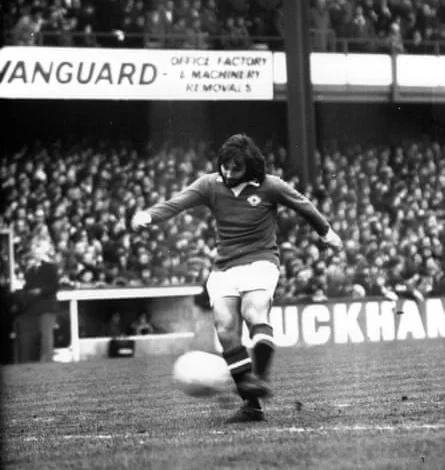
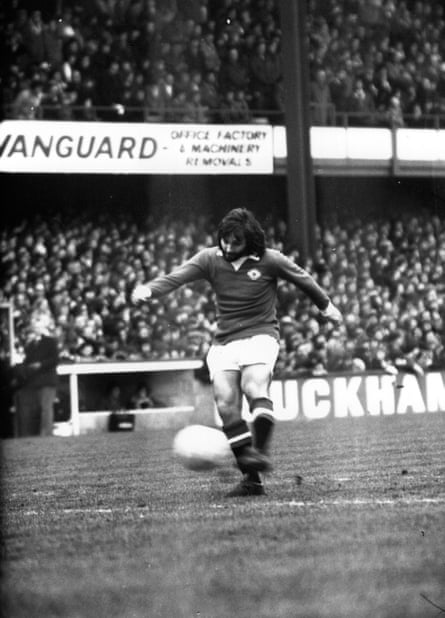
George Best, the mercurial genius who had already flirted with retirement, was finally released in January 1974 after a series of disciplinary lapses. The most symbolic moment of this transition occurred during the penultimate game of the 1973-74 season, when a relegated United faced Manchester City. Denis Law, playing for City, scored a back-heeled goal that effectively sealed his former club’s fate. It was a Shakespearean tragedy played out on the turf of Old Trafford.
Modern Financial Realities and the New Era of Risk
The differences between the 1974 relegation and the current crisis are as significant as the similarities. In 1974, football was a domestic concern; today, it is a global, high-stakes industry defined by broadcast rights, commercial partnerships, and stringent financial sustainability rules.
The financial burden on the modern club is immense. The current wage bill is inextricably linked to Champions League participation, creating a "boom or bust" cycle that was entirely absent in the 1970s. Furthermore, the presence of complex ownership models and private equity influence adds layers of bureaucracy that did not exist when a chairman might simply hand a manager a bottle of champagne after a relegation to signal support for a rebuild.
Data from the past decade highlights the sheer scale of the investment that has failed to yield on-pitch results. While the 1970s rebuild relied on scouting talent from the lower tiers—such as Steve Coppell from Tranmere and Stuart Pearson from Hull—modern recruitment is dictated by high-value transfers, agent fees, and long-term, high-salary contracts that make "moving players on" a logistical and financial nightmare.
The Illusion of "Too Big to Fail"
In his post-relegation interview, Tommy Docherty famously remarked that the club could "wash the jerseys here and hang them out to dry, and you’d get 15,000 people standing watching them do so." He was right about the brand’s resilience. In the Second Division, United averaged over 47,000 fans—a figure that dwarfed most top-flight attendances at the time.
However, the assumption that the "United brand" provides an automatic safety net is dangerous. The modern game is less forgiving of extended periods outside the elite tier. The loss of revenue from Champions League broadcasting deals alone would be catastrophic to a club carrying current debt loads. Unlike the 1970s, where fans were often more patient with their clubs, the modern digital landscape creates an environment of instant accountability and extreme, often toxic, scrutiny.
Tactical Shifts and the Search for Identity
The tactical evolution of the 1970s side, which favored a direct 4-2-4 formation, was an attempt to reclaim the club’s identity. It was a style rooted in speed, aggression, and a "fearless" mentality. The modern struggle, by contrast, is a search for a coherent footballing philosophy that can bridge the gap between commercial growth and sporting success.
Recent analysis suggests that the club has suffered from a lack of "sporting continuity." While Docherty was allowed to oversee a three-year cycle of transition, modern managers are rarely afforded the time to implement a cohesive identity. The cycle of appointing a coach with a specific tactical profile, only to abandon that profile when results falter, has left the squad a disjointed collection of players from different eras and systems.
Looking Ahead: The Cost of Ignoring History
If there is a lesson to be drawn from the 1974 experience, it is that a change in division does not have to be the end of a club, but it requires a fundamental reassessment of its culture. Docherty’s immediate success in the Second Division was built on a foundation of young, hungry players with something to prove. He did not buy superstars; he bought potential and hunger.
For the current leadership, the task is no less daunting. The "oil tanker" metaphor remains relevant, but the sea has become much rougher. The fallout of a sustained period of failure today would be far more profound than it was 50 years ago. It would not only threaten the club’s status as a global superpower but would also jeopardize the financial viability of its entire infrastructure.
As the club navigates this latest, and perhaps most significant, period of uncertainty, the ghosts of the past serve as a reminder: history is not a guarantee of future success. Without a clear strategy, a ruthless commitment to long-term planning, and a departure from the reactionary decision-making that has defined the post-Ferguson era, the parallels to 1974 will cease to be a cautionary tale and become a grim reality. The club stands at a precipice where the difference between a "step back to leap forward" and a permanent decline into mediocrity is, as Busby once suggested, the hardest turn of all.