The Evolution of Travel Insurance and the Shift Toward Digital-First Solutions in Global Tourism


For nearly two decades, the travel insurance industry has operated on a legacy model defined by static coverage and cumbersome bureaucratic processes. Historically, the consumer experience was predicated on the purchase of a policy followed by an arduous, paper-based claims process that often spanned months. As global travel habits have evolved—shifting from traditional, agent-booked vacations to spontaneous, mobile-managed itineraries—the gap between traveler expectations and insurance functionality has widened significantly. In response, a new generation of digital-first providers has emerged, attempting to modernize a sector that has long been criticized for its lack of transparency and agility.
The Legacy Model and the Need for Industry Disruption
Travel insurance was traditionally viewed as a “safety net” commodity: a necessary expense designed to mitigate the risks of medical emergencies, flight cancellations, or lost baggage. However, the operational reality for the consumer was frequently disconnected from the urgency of their needs. In many instances, travelers faced a "documentation marathon," requiring original receipts, physical claim forms, and extensive wait times for reimbursements that were processed via paper checks.
Market research indicates that the travel insurance industry is currently undergoing a structural transformation. According to data from the U.S. Travel Insurance Association (UStiA), millions of Americans purchase travel protection annually, yet customer satisfaction metrics have historically struggled due to the complexity of policy language and the friction involved in filing claims. The rise of "insurtech" companies—firms that integrate mobile technology into the core insurance product—has forced traditional carriers to re-evaluate their service models to accommodate a demographic that manages every other facet of their lives via smartphone.
The Emergence of Digital-First Providers
Faye Travel Insurance, which entered the United States market in 2022, serves as a primary example of this shift. By focusing on mobile-first architecture, the company has attempted to address the primary pain points of the modern traveler: real-time support, rapid claims processing, and integrated utility. Unlike legacy providers that rely on third-party administrators, digital-first entrants often own the end-to-end user experience, which includes the app interface, communication protocols, and financial disbursement systems.

This model is built on the principle of active protection rather than passive coverage. By utilizing real-time data, these platforms aim to provide proactive alerts regarding flight delays, gate changes, and baggage carousel information, effectively shifting the insurance provider from an entity contacted only during a crisis to a constant travel companion.
Technical Infrastructure and Service Integration
The integration of advanced digital tools has redefined the scope of travel protection. Modern insurance platforms now incorporate several key technological features:
- Telemedicine Connectivity: By partnering with global networks of medical professionals, these services allow travelers to bypass the logistical difficulties of navigating foreign healthcare systems. Access to doctors who speak the traveler’s language via secure video consultation has become a critical feature for international travelers.
- Digital Wallet Systems: To combat the delays associated with traditional check-based payouts, digital wallets integrated into insurance apps allow for near-instant reimbursement. This capital can then be utilized via mobile payment platforms like Apple Pay or Google Pay, enabling travelers to purchase necessities during a baggage or flight delay without out-of-pocket strain.
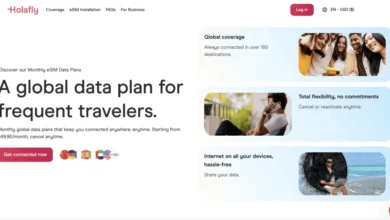
- eSIM and Connectivity: Recognizing that mobile connectivity is essential for managing travel disruptions, some providers now facilitate the purchase of eSIMs directly within the insurance app, ensuring travelers remain connected regardless of their geographic location.
Chronology of the Modernization Movement
The shift toward mobile-centric insurance has accelerated significantly following the COVID-19 pandemic. The global health crisis brought travel insurance to the forefront of the consumer consciousness, as travelers faced unprecedented levels of uncertainty.
- Pre-2020: The industry was dominated by large, established firms focusing on traditional, retail-heavy sales channels and long-form physical documentation.
- 2020-2021: The pandemic caused a surge in claim volume, exposing the limitations of legacy systems that were unable to handle the sheer scale of global trip cancellations.
- 2022-Present: The launch of digital-first companies like Faye signaled a new era, characterized by app-integrated workflows, AI-assisted document processing, and the removal of the "paper check" bottleneck.
Financial Analysis and Market Implications
From an economic perspective, the democratization of travel insurance through mobile platforms has made coverage more accessible and transparent. With entry-level pricing for comprehensive international policies often starting at modest daily rates, the barrier to entry has lowered significantly compared to traditional providers.
However, the industry faces ongoing challenges. Regulatory compliance across all 50 U.S. states requires a complex web of underwriting partnerships and legal approvals. Furthermore, the reliance on digital infrastructure creates a dependency on cellular networks and software stability. Despite these challenges, the broader impact of this technological integration is clear: travelers are now demanding a "consumer-grade" experience for their insurance products, matching the ease of use found in the ride-sharing and food-delivery sectors.

Future Outlook: The Role of Comprehensive Protection
As the travel industry continues to recover and expand, the definition of "essential" travel insurance is being rewritten. Future iterations of these products are likely to include more specialized add-ons, such as pet care coverage—acknowledging the rising trend of traveling with domestic animals—and customizable Cancel For Any Reason (CFAR) clauses, which provide a flexible buffer for travelers with unpredictable schedules.
The industry’s shift toward instant, app-based solutions suggests that the era of waiting weeks for a claim to be reviewed is reaching its end. For the consumer, this translates to a more stable environment where the financial burden of travel-related mishaps is addressed in real-time. As competition in the insurtech space intensifies, consumers can expect even greater integration between their travel bookings, their digital identities, and their insurance providers.
Ultimately, the goal for these new players is to remove the "fear factor" associated with travel. By providing tools to manage everything from pharmacy visits to flight changes, these companies are attempting to commoditize peace of mind. While legacy firms still hold a significant portion of the market share, the rapid adoption of digital-first platforms indicates a permanent change in consumer behavior. The modern traveler is no longer interested in buying a policy and forgetting it exists; they expect an active, digital, and responsive partner that operates at the speed of their journey.