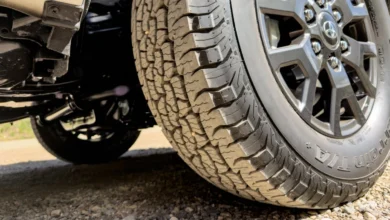
The Evolution of Backcountry Travel and the Rise of Overlanding as a Response to Public Land Congestion

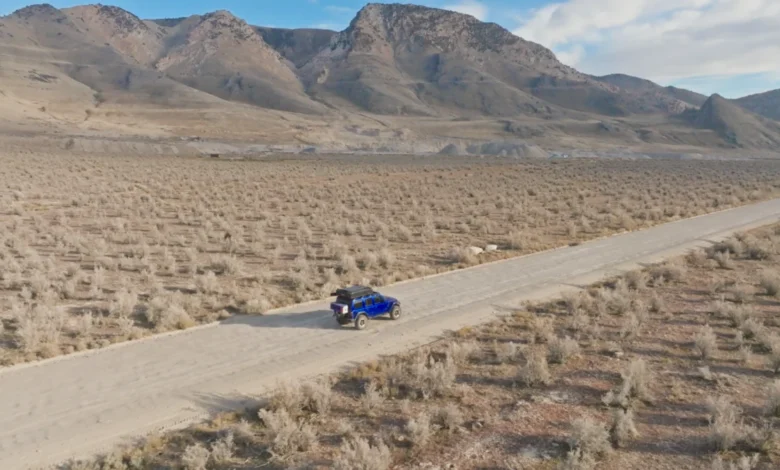
The landscape of outdoor recreation in North America has undergone a significant transformation over the past five years, characterized by a marked increase in demand for national park access and a simultaneous decline in the availability of traditional, first-come-first-served camping. As of November 2026, data from federal land management agencies indicates that reservation systems for popular campgrounds are often fully booked within minutes of their release, mirroring the high-demand volatility typically associated with major concert ticketing. This shift has catalyzed a growing demographic of travelers to adopt "overlanding"—a form of self-reliant, vehicle-based travel that prioritizes remote exploration over destination-specific tourism.
The Shift from Front-Country to Remote Autonomy
Overlanding is defined by the utilization of off-road-capable vehicles to access, travel, and camp in areas inaccessible to standard passenger vehicles. Unlike traditional recreational vehicle (RV) travel, which relies on established infrastructure such as electrical hookups, sewage disposal, and cellular connectivity, the overlanding model is built on self-sufficiency.

Market analysis from the specialty automotive sector suggests that the demand for high-clearance, four-wheel-drive vehicles equipped for long-term off-grid living has surged by approximately 22% annually since 2022. This trend is not merely a pursuit of extreme terrain; it is a pragmatic response to the overcrowding of the "front-country"—the paved, easily accessible campgrounds within national parks and state recreation areas. By trading asphalt for dirt tracks, travelers are increasingly seeking the "dispersed camping" model, which allows for legal, temporary stays on public lands managed by the Bureau of Land Management (BLM) and the U.S. Forest Service, provided that practitioners adhere to "Leave No Trace" principles.
Chronology of the Modern Overlanding Movement
The current surge in overlanding can be traced back to a confluence of factors in the early 2020s:
- 2020–2021: Global health directives necessitated a move toward outdoor-centric activities, leading to an unprecedented influx of visitors to public lands. This resulted in the widespread adoption of reservation-only systems at nearly all major U.S. National Parks.
- 2022–2023: As infrastructure struggled to accommodate the volume of visitors, a segment of the outdoor community began seeking alternatives to avoid the "asphalt lottery." This period saw a rise in the popularity of specialized GPS mapping software designed for off-highway vehicles (OHVs).
- 2024–2025: Professionalization of the industry occurred, with major automotive manufacturers integrating overlanding-ready features into factory-stock vehicles, moving the hobby from the fringes of "custom rock-crawling" to a mainstream lifestyle choice.
- 2026: Regulatory bodies, including the BLM, have begun implementing new land-use management plans to balance the rising interest in remote travel with the necessity of habitat preservation.
Regional Case Studies in Remote Exploration
While the pursuit of solitude is the primary driver, land managers emphasize that the increased volume of traffic on sensitive backcountry roads requires heightened environmental stewardship.

The San Rafael Swell, Utah
Spanning roughly 2,000 square miles, the San Rafael Swell serves as a premier example of high-desert overlanding. Geologically significant, the area is characterized by anticlines and sandstone canyons. Unlike the nearby Arches or Canyonlands National Parks, the Swell is not a singular tourist attraction but a vast, unregulated network of dirt tracks. Data from the Utah Office of Tourism notes that while visitation to the Swell has increased, the sheer size of the geography allows for a higher carrying capacity than traditional park models, provided that vehicles remain on established trails to protect biological soil crusts.
The Oregon Outback
The southeastern quadrant of Oregon represents one of the largest contiguous areas of public land in the lower 48 states. This region encompasses the Hart Mountain National Antelope Refuge and the Alvord Desert. The implications for travelers here are distinct: the vast distances between fuel and water sources necessitate a high level of technical preparedness. The area is also significant for its status as an International Dark Sky Sanctuary, a designation that has attracted a specific demographic of travelers focused on astrophotography and nocturnal environmental research.
The Cascade Crest, Washington
Hart’s Pass, the highest drivable mountain pass in Washington State, illustrates the "natural barrier" theory of trail maintenance. Because the road is narrow, steep, and lacks guardrails, it effectively limits the type of equipment—and therefore the volume of traffic—that can reach the summit. Local environmental reports suggest that the physical difficulty of the route serves as a deterrent to casual tourism, preserving the integrity of the alpine ecosystem while allowing for low-impact recreation.

Environmental and Socioeconomic Implications
The transition toward remote overlanding brings a set of complex challenges for land management agencies. According to representatives from the U.S. Forest Service, the primary concern is the unauthorized expansion of campsites, which can lead to vegetation loss and the disturbance of local wildlife corridors.
"The goal is to maintain access while ensuring that the wild character of these landscapes remains intact," says an agency spokesperson. "We encourage the use of existing, previously impacted areas for camping rather than creating new clearings."
From an economic perspective, the overlanding industry has created a secondary market for specialized gear, including portable solar arrays, high-efficiency refrigeration units, and advanced navigation systems. However, industry analysts warn that the "social media effect"—the tendency for influencers to broadcast the coordinates of previously obscure, quiet locations—is putting increased pressure on these sensitive environments. This has led to an informal "code of silence" among long-term overlanders, who intentionally refrain from geotagging their exact camp locations to prevent the rapid degradation of pristine sites.

Future Outlook and Regulatory Balance
As we look toward 2027 and beyond, the trend of overlanding is expected to stabilize. The focus is shifting from "conquering" difficult terrain to the long-term sustainability of the travel style. There is an increasing emphasis on technical training, vehicle maintenance, and navigation proficiency, as the rise of remote travel has also led to an uptick in search-and-rescue (SAR) operations for those unprepared for the complexities of deep-backcountry navigation.
For the modern adventurer, the objective remains clear: the value of the experience is found in the silence of the wilderness and the ability to disconnect from a hyper-connected society. Whether navigating the high-desert plains of the West or the mountain passes of the Pacific Northwest, the success of the overlanding movement depends on the dual commitment to personal exploration and the rigorous preservation of the lands that make such journeys possible. By selecting routes that respect both the terrain and the local ecology, the overlanding community aims to redefine the relationship between humans and public lands, ensuring that the spirit of adventure remains sustainable for generations to come.