Star-Studded Donor Coalition Backs Chris Van Hollen to Oust Chuck Schumer as Senate Majority Leader Ahead of January Transition

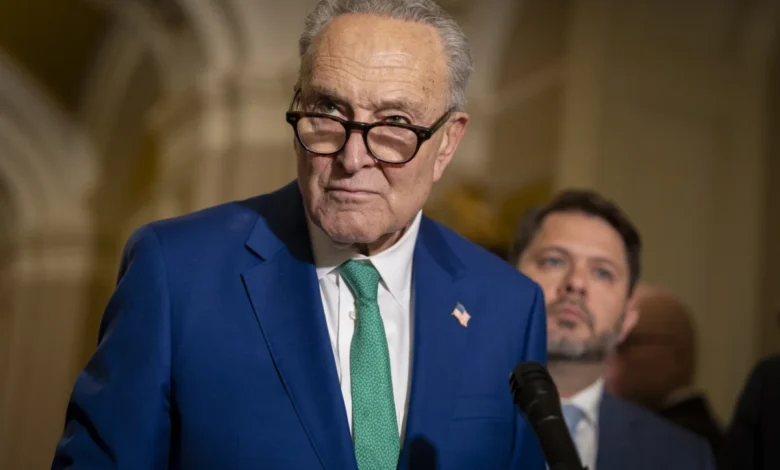
A high-profile coalition of prominent actors, entertainment figures, and major Democratic donors has launched a concerted campaign to unseat New York Senator Chuck Schumer from his long-held position as the leader of the Senate Democratic caucus. As the Democratic Party prepares to reclaim
control of the upper chamber of Congress in January with its largest majority in more than two decades, a growing faction of progressive activists, celebrity advocates, and influential fundraisers is demanding a change at the top of the party’s leadership hierarchy.
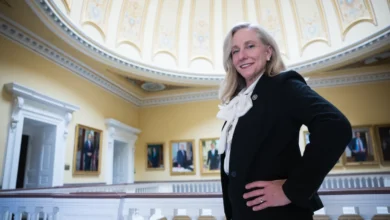
The push to replace Schumer features an open challenge from Senator Chris Van Hollen of Maryland, whose candidacy has been endorsed by a newly surfaced letter signed by more than two dozen influential actors and high-net-worth political donors. Together, the signatories of the missive have contributed more than $23 million to Democratic campaigns during the most recent election cycle. The effort highlights deep-seated divisions within the Democratic Party regarding its future direction, leadership style, and electability moving into the next legislative session.
The Mechanics of Senate Leadership and Demands for Transparency
At the heart of the controversy is the secretive nature of the Senate leadership election process. According to longstanding rules within the Democratic Conference, the leader of the party in the Senate is chosen behind closed doors via a secret ballot. This internal mechanism means that individual senators are never required to publicly disclose their vote to their constituents or party members.
The authors of the letter organized by the high-profile donors and celebrities argue that this lack of transparency is unacceptable given the political stakes facing the party. "The Senate Democratic leader will be chosen behind closed doors, by secret ballot," the authors wrote, according to reports. "No senator will ever have to tell voters, or us, how they voted. We believe a decision this consequential deserves public accountability."
This insistence on public accountability has struck a chord among liberal advocacy groups and progressive organizations that have long criticized institutional inertia within the Democratic establishment. Groups such as Indivisible, MoveOn, the Working Families Party, and Our Revolution have thrown their weight behind Van Hollen, arguing that Schumer has proven to be an ineffective opposition leader who is ill-equipped to capitalize on the party’s upcoming legislative majorities.
A Commanding Majority Amid Broad Public Unpopularity
The push for new leadership comes at a time of dramatic political realignment in the Senate. Following an electoral cycle that yielded significant gains, Democrats are set to return to Capitol Hill in January with a commanding 56-seat majority—the largest margin the party has enjoyed in the chamber in over twenty years.
Despite this impressive parliamentary advantage, the party—and Schumer in particular—faces significant headwinds regarding public perception. According to data from a recent Economist/YouGov poll, 50 percent of surveyed Americans hold an unfavorable view of Schumer. This negative sentiment places the veteran New York lawmaker’s unfavorability rating higher than several prominent conservative figures, including Jim Jordan, Tucker Carlson, and Stephen Miller. Among national political figures tested in the survey, only Vice President JD Vance registered a higher negative rating, with 52 percent of respondents viewing him unfavorably.
Critics argue that this widespread public dissatisfaction makes Schumer a liability as the party seeks to present a unified, forward-looking agenda to the American electorate. For progressive donors and entertainment figures who invested heavily in securing the Senate majority, retaining a leader with high unfavorability metrics represents a strategic miscalculation.
Celebrity Involvement and Strategic Inflection Points
The involvement of high-profile cultural figures has injected an unusual level of mainstream attention into what is typically a quiet, internal party process. Among the reported signatories of the donor-and-celebrity letter are prominent entertainment industry personalities known for their vocal political activism. These include longtime political activist and actress Jane Fonda, frequent political commentator and actor Robert De Niro, Top Chef host Padma Lakshmi, actress Marisa Tomei, and television writer and producer David Mandel.
Comedian Chelsea Handler, who added her name to the growing chorus calling for a leadership change, explained the motivation behind the celebrity intervention in an interview with the press. Characterizing the current political moment as a critical turning point, Handler emphasized the need for aggressive, forward-looking leadership. "This is an opportunity. This is a window… We need to, like, get the ball and run with it," Handler said. "And I don’t believe that Chuck Schumer is going to do that."
While the specific recipients of the letter have not been publicly disclosed by all parties, and representatives for Senator Van Hollen’s office have declined to release a complete manifest of the more than two dozen signatories, the public airing of grievances has significantly intensified the pressure on incoming and returning senators.
Whip Counts, Endorsements, and the Legislative Timeline
As the internal contest for the majority leadership reaches its final stages, both camps have engaged in intense behind-the-scenes lobbying to secure the necessary votes.
Senator Schumer’s campaign has maintained that he possesses the requisite support to retain his leadership post. Sources close to the New York senator indicate he has secured the public backing of at least 16 members of the caucus, and Schumer himself was recently captured on video on Capitol Hill asserting that he holds the 29 votes needed to secure the position. However, that same video—which showed the 76-year-old lawmaker appearing slightly hunched and hobbled—prompted a renewed wave of public discussion and media scrutiny regarding his physical stamina and overall fitness to serve as the primary public face of Senate Democrats.
Conversely, Senator Van Hollen’s campaign points to growing momentum within the caucus. While Van Hollen has publicly announced the formal support of six senators thus far—including incoming Senators Abdul El-Sayed and Peggy Flanagan, both of whom defeated primary opponents previously backed by Schumer—the Maryland senator claimed during a recent appearance on Meet the Press that he has secured private commitments from an additional nine caucus members, bringing his estimated total closer to viability. "Momentum is in our direction," Van Hollen asserted.
The internal leadership vote is scheduled to take place at 9:30 a.m. on December 1, adhering to the earliest allowable timeframe under the rules of the Senate Democratic Conference. Although reports had previously circulated suggesting that Schumer might seek to accelerate the timeline of the vote, the incumbent leader has denied attempting to move the date forward.
Broader Implications for the Democratic Agenda
The outcome of the December 1 leadership vote carries profound implications for the legislative strategy of the Democratic Party as it assumes control of the Senate. A victory for Schumer would signal a continuation of the party’s established leadership apparatus, maintaining institutional continuity but potentially validating criticisms from the progressive wing regarding a lack of aggressive messaging and public engagement.
On the other hand, an upset victory by Van Hollen would represent a historic rebuke of the old guard and a decisive structural shift toward a more activist-aligned leadership team. Such a transition could fundamentally alter how the Senate Democratic caucus approaches upcoming legislative negotiations, judicial confirmations, and oversight initiatives.
As the hours tick down toward the secret-ballot vote, senators find themselves caught between the private demands of high-dollar donors and celebrity activists on one side, and the institutional loyalties of the existing party structure on the other. Regardless of the final tally, the public fissure over the leadership of the Senate Democratic caucus has exposed deep ideological and generational fault lines that will likely shape the party’s trajectory for years to come.
Related posts: