Beyond the Mint Leaf: University of Lancashire Study Reveals Peppermint Oil’s Potential in Combating Mild Hypertension

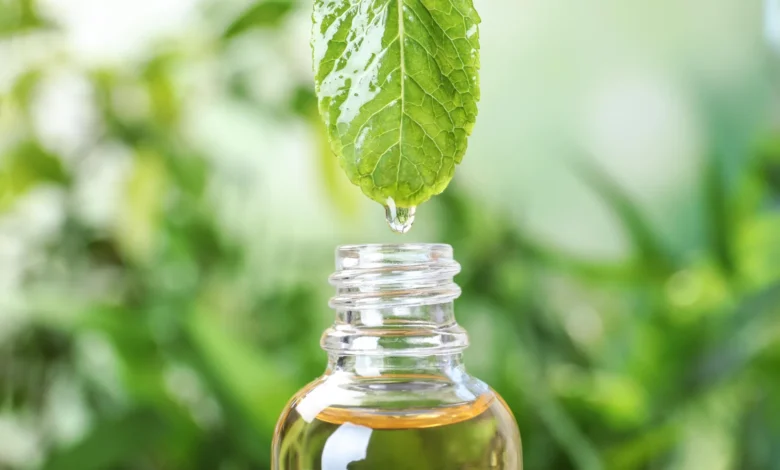
Peppermint has long been celebrated across culinary and holistic traditions for its refreshing flavor profile, its ability to soothe gastrointestinal discomfort, and its calming aromatic qualities. However, recent clinical findings suggest that this ubiquitous herb may harbor a far more critical therapeutic application: the mitigation of mildly elevated blood pressure. A breakthrough study conducted by researchers at the University of Lancashire has demonstrated that a modest daily intake of food-grade peppermint oil over a brief three-week period can yield statistically significant reductions in systolic blood pressure among adults experiencing early-stage hypertension.
The findings, which were recently published in the peer-reviewed scientific journal PLOS One, introduce a potentially simple, cost-effective, and highly accessible intervention for one of the most pervasive modern health challenges. As cardiovascular disease continues to rank as a leading cause of global morbidity and mortality, the medical community constantly evaluates lifestyle modifications and complementary therapies that can bridge the gap between primary prevention and pharmaceutical management.
Methodology and Clinical Trial Design
To thoroughly examine the cardiovascular impacts of peppermint oil, research teams at the University of Lancashire structured a controlled clinical trial involving 40 adult participants. The cohort comprised individuals aged 18 to 65 who had been clinically diagnosed with either elevated blood pressure or stage 1 hypertension—a classification that serves as an early warning indicator for subsequent, more severe cardiovascular complications.
The randomized, placebo-controlled trial was designed to isolate the active botanical components of peppermint from psychological or secondary physiological variables. Participants were systematically divided into two distinct groups. Over the course of 20 consecutive days, the experimental group consumed a precise daily dosage of 100 microliters—equivalent to one-tenth of a milliliter—of food-grade peppermint oil. To ensure safe and consistent administration, this oil was divided into two equal daily doses and diluted in water. Conversely, the control group received a placebo that perfectly mimicked the sensory experience of peppermint through flavoring agents but remained entirely devoid of the plant’s active biochemical compounds.
Throughout the 20-day evaluation window, researchers monitored multiple physiological and psychological markers. While the primary focus centered on changes in systolic blood pressure—the numerical measurement representing the force exerted against artery walls when the heart contracts—the scientific team also tracked diastolic blood pressure, resting heart rates, comprehensive blood test panels, anthropometric body measurements, subjective mental well-being scores, and self-reported sleep quality metrics.
Remarkable Systolic Reductions Within Twenty Days
The quantitative results of the Lancashire trial exceeded initial expectations. Following the 20-day intervention period, participants in the peppermint oil cohort exhibited a pronounced decline in systolic blood pressure. On average, their readings dropped from approximately 130 mmHg down to 122 mmHg. When evaluated against the control group and adjusted for baseline starting measurements, those who received the peppermint oil experienced systolic readings that were an average of 8.5 mmHg lower than their placebo-receiving counterparts.
In contrast, the control group, which consumed the non-active, flavored placebo, registered virtually no measurable changes in their blood pressure parameters over the identical timeframe.
To contextualize these findings within cardiovascular health, persistent systolic hypertension places an undue mechanical strain on the arterial network. Over prolonged periods, this continuous high pressure inflicts micro-trauma on blood vessel walls, accelerating atherosclerosis, hardening the arteries, and dramatically escalating the lifetime risk of acute myocardial infarctions (heart attacks), cerebrovascular accidents (strokes), and progressive heart failure. A reduction of 8.5 mmHg in systolic pressure, even in a short-term study, represents a clinically meaningful shift that, if sustained over the long term, could substantially diminish overall cardiovascular risk profiles.
Biochemical Mechanisms: Unlocking the Power of Menthol and Flavonoids
To understand how a simple botanical extract can influence hemodynamics, researchers analyzed the complex phytochemical composition of peppermint (Mentha piperita). The plant naturally synthesizes a diverse array of biologically active constituents, most notably menthol—the organic compound responsible for the signature cooling sensation associated with mint—alongside a rich spectrum of flavonoids, which are plant-derived polyphenols renowned for their potent antioxidant capabilities.
Beyond these well-known compounds, pharmacological analyses indicate that peppermint possesses intrinsic anti-inflammatory and vasodilatory properties. Vasodilation refers to the physiological widening of blood vessels resulting from the relaxation of the smooth muscle cells within the vessel walls. When these muscular walls relax and expand, the internal diameter of the arteries increases, allowing blood to course through the circulatory system with significantly less resistance. By reducing vascular resistance, the pressure exerted against arterial walls diminishes correspondingly.
While these vasodilatory and anti-inflammatory pathways provide a highly plausible scientific rationale for the observed blood pressure reductions, researchers emphasize that the exact molecular mechanisms remain under active investigation. Future physiological studies will need to map out precisely how ingested menthol metabolites interact with endothelial cells and autonomic nervous system regulation in human subjects.
Expert Insights and Clinical Implications
The implications of this study extend far beyond the immediate laboratory setting, offering a fresh perspective on preventive cardiology. Dr. Jonnie Sinclair, Reader in Sport and Health Sciences at the University of Lancashire and lead author of the study, underscored the gravity of arterial hypertension within the global healthcare landscape.
"High blood pressure is one of the biggest causes of heart disease and death worldwide, and it costs a huge amount of money to treat," Dr. Sinclair stated. "Although medicines are commonly used to treat it, it’s not always clear how well they work in the long-term, and they can cause unwanted side effects."
Pharmaceutical management of hypertension—while undeniably lifesaving for millions—frequently comes with a spectrum of adverse reactions, ranging from chronic fatigue and dizziness to electrolyte imbalances and metabolic disturbances. Furthermore, patient compliance with lifelong pharmaceutical regimens can wane due to cost, side effects, or the asymptomatic nature of early hypertension.
Dr. Sinclair emphasized the unique socio-economic and clinical advantages that a botanical intervention like peppermint oil could offer if validated by broader research. "Our findings were very positive and they have significant clinical implications, especially given arterial hypertension is the most common preventable risk factor for cardiometabolic disease and the greatest single risk factor for global mortality," he noted. "Peppermint oil is low in calories and price so it’s proved to be a very simple and cost-effective solution to potentially treat millions of people around the world."
The Broader Context of Complementary Cardiovascular Interventions
The exploration of dietary botanicals for blood pressure regulation aligns with an expanding paradigm shift in modern medicine toward integrative and lifestyle-based cardiology. For decades, public health initiatives have prioritized dietary sodium reduction, increased potassium intake, regular aerobic exercise, and weight management as foundational strategies for controlling mild hypertension before resorting to pharmacological therapy.
However, adherence to strict dietary modifications can prove challenging for many patients. The identification of adjunct functional foods and standardized botanical extracts that can safely nudge cardiovascular parameters in a favorable direction represents a valuable expansion of the clinical toolkit. Peppermint oil joins a select group of natural agents—such as garlic extract, hibiscus tea, and coenzyme Q10—that have been investigated for mild hypotensive properties.
Despite the enthusiasm surrounding these findings, researchers and clinicians urge a balanced and cautious interpretation of the data. The Lancashire study, while methodologically rigorous, possessed inherent limitations that must be addressed before clinical guidelines can incorporate peppermint oil supplementation.
Navigating Limitations and Future Research Directions
Chief among these limitations is the scale and duration of the trial. Encompassing 40 participants over a 20-day period, the study serves as a crucial proof-of-concept pilot rather than a definitive, population-wide recommendation. To establish clinical efficacy and safety definitively, the scientific community will require larger, multi-center randomized controlled trials involving diverse demographic cohorts followed over extended periods spanning months or years.
Such longitudinal studies will be vital to determine whether the hypotensive benefits of peppermint oil persist over the long term or whether the human cardiovascular system develops a physiological tolerance to the active compounds. Additionally, researchers must rigorously assess potential interactions between concentrated peppermint extracts and common prescription medications, including existing antihypertensive drugs, anticoagulants, and metabolic treatments.
Crucially, health experts have issued strong cautionary warnings regarding self-medication based on preliminary findings. The research team specifically utilized food-grade peppermint oil formulated strictly for safe human consumption and oral ingestion. Commercial essential oils marketed for aromatherapy, topical application, or cosmetic use frequently contain synthetic additives, concentrated impurities, or carrier agents that are toxic when swallowed.
Under no circumstances should individuals interpret these preliminary scientific disclosures as an endorsement to discontinue prescribed blood pressure medications, alter established treatment plans, or ingest non-food-grade essential oils. Any integration of new botanical supplements into a health regimen should be discussed thoroughly with a qualified primary care physician or cardiologist, particularly for individuals managing pre-existing cardiovascular conditions.
Path Forward for Preventive Cardiology
As the global burden of cardiometabolic disease continues to challenge healthcare systems, the search for accessible, economical, and well-tolerated interventions remains an urgent priority. The University of Lancashire study illuminates a promising new avenue for investigation, demonstrating that everyday botanical agents may hold untapped physiological power.
While further clinical validation is required to move from laboratory observation to mainstream therapeutic recommendation, the prospect of utilizing a low-cost, calorie-free natural extract to help manage arterial pressure offers a compelling glimpse into the future of integrative medicine. By bridging traditional herbal knowledge with rigorous modern clinical trial design, researchers are steadily expanding the horizons of preventive heart health—proving that sometimes, monumental therapeutic breakthroughs can originate from something as simple as a drop of mint.