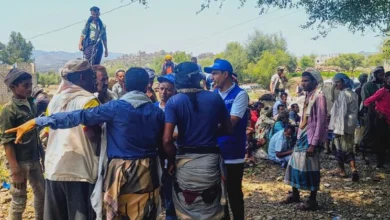
The protracted and devastating conflict in Yemen has once again drawn the urgent attention of the international community, as United Nations Emergency Relief Coordinator and Under-Secretary-General for Humanitarian Affairs, Tom Fletcher, arrived in the war-torn nation on Wednesday, 25 November 2026. Fletcher’s high-stakes mission comes amid a deeply alarming escalation in hostilities that continue to choke vital supply lines, leaving millions of vulnerable civilians without access to life-saving food, clean water, and medical care. Focusing heavily on besieged hubs like Taiz City and the massive influx of newly displaced persons, the UN aid chief used his platform to issue a stern warning: Yemen is being pushed deeper into an unprecedented humanitarian catastrophe, and the global response is currently facing catastrophic shortfalls.
Beyond the immediate logistical hurdles of delivering aid, Fletcher’s visit serves as a powerful diplomatic and humanitarian intervention against a backdrop of rising hostilities. The nation remains sharply divided between Saudi-backed Government forces operating out of the southern port city of Aden and Iran-backed Houthi rebels who have maintained a tight grip on the capital, Sana’a, for over a decade. As the international community struggles to navigate the complexities of this geopolitical chessboard, ordinary Yemeni families continue to bear the heaviest burden, caught in the crossfire of a war that has severely eroded the country’s socioeconomic fabric and pushed public infrastructure to the absolute brink of collapse.
The Human Toll and the Crisis in Taiz
During his briefing upon arrival, Fletcher painted a grim portrait of daily life across the south Arabian peninsula, emphasizing that "millions are hungry" and that the humanitarian apparatus designed to protect them is severely compromised. Hospitals, medical facilities, and emergency first responders have increasingly become collateral damage or direct targets in the ongoing violence. Heavy fighting, pervasive insecurity, and deliberate bureaucratic and physical restrictions along critical supply arteries have effectively paralyzed the distribution of essential commodities.
Of primary concern to the UN delegation is the dire humanitarian situation in Taiz City. Long considered a frontline flashpoint, Taiz has endured years of blockades and intermittent shelling, severely restricting the movement of goods and humanitarian workers. Fletcher underscored that securing safe, predictable, and sustained access to Taiz and other hard-to-reach areas is an immediate operational priority. Without open corridors for commercial and humanitarian traffic, malnutrition rates among children are projected to soar, and preventable diseases risk developing into uncontainable localized epidemics.
Mass Displacement and a Broken Response System
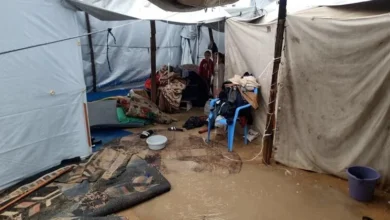
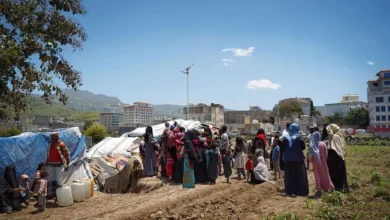
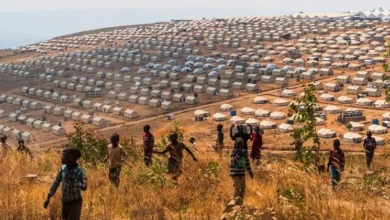
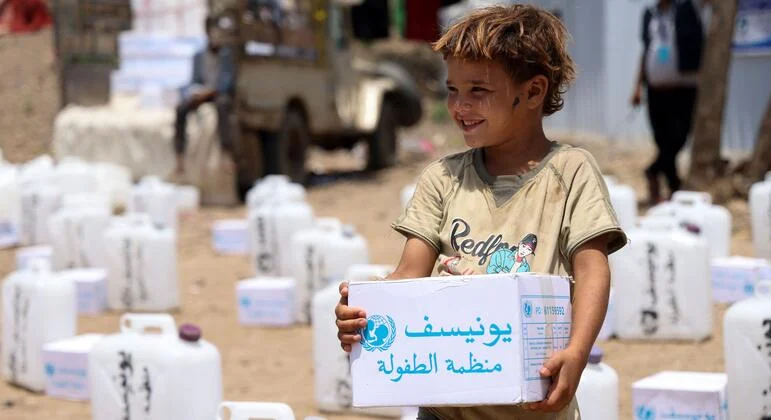
The crisis in Yemen has been further exacerbated by a sudden surge in internal displacement. According to figures released by UN humanitarian agencies, approximately 364,000 individuals have been forced to flee their homes since August alone, with tens of thousands displaced in the week leading up to Fletcher’s visit. These families often abandon all their belongings, seeking refuge in overcrowded makeshift camps or spontaneous settlements that lack adequate sanitation, shelter, and healthcare services.
Fletcher stressed that the global humanitarian response framework is currently "overstretched, underfunded, and under attack." While international aid organizations are attempting to mobilize lifesaving assistance for millions of people across the country throughout the year, the operation in Yemen remains, in his words, "furthest off track." Chronic donor fatigue, competing global crises, and escalating operational risks have starved the Yemen Humanitarian Response Plan of the vital financial resources required to sustain large-scale interventions. Despite these daunting challenges, Fletcher offered high praise for local and international aid workers operating in hazardous environments, vowing that the United Nations will not allow the plight of the Yemeni people to fade from the international conscience.
An Uncompromising Demand for the Release of Detained Humanitarians
A central and pressing pillar of Fletcher’s mission involves demanding the immediate and unconditional release of detained humanitarian personnel. Addressing the Houthi authorities directly, the UN aid chief insisted that the systematic targeting, harassment, and arbitrary detention of aid workers must cease immediately. "Our work and our people must be protected," Fletcher declared, underscoring that humanitarians cannot effectively deliver assistance if they themselves are treated as targets or bargaining chips.
This demand carries profound urgency following a series of tragic developments involving detained UN staff. In the weeks prior to Fletcher’s visit, the international community was shaken by confirmation that a Yemeni human rights employee of the United Nations, Mohammad el Shami, had died in Houthi custody after being arbitrarily detained for more than two years. UN High Commissioner for Human Rights Volker Türk vocally condemned the incident, highlighting the cruelty that el Shami’s family was only informed of his death weeks after it actually occurred.
As of mid-October, reports indicated that at least 71 UN personnel remained unjustly held in Houthi detention facilities, alongside numerous other civil society actors, NGO workers, and journalists. In June, the office of the UN Secretary-General confirmed that another colleague had perished while in detention, prompting widespread outrage among diplomatic and human rights circles. Briefing the UN Security Council on 9 October, UN Special Envoy for Yemen Hans Grundberg warned that many of the remaining detainees are suffering from severe, untreated health conditions, rendering their swift and unconditional release an imperative of international humanitarian law.
Background and Evolution of the Yemeni Conflict
To fully comprehend the gravity of Tom Fletcher’s current mission, it is essential to examine the historical trajectory of the conflict that began in earnest in late 2014 and early 2015. The crisis erupted when Houthi movement fighters, formally known as Ansar Allah, descended from their traditional stronghold in Saada province and seized control of Sana’a, eventually forcing the internationally recognized government of President Abdrabbuh Mansur Hadi into exile.
Alarmed by the expansion of a movement perceived as a proxy for regional rivalries, a coalition of Arab states led by Saudi Arabia and the United Arab Emirates intervened militarily in March 2015, launching Operation Decisive Storm. What was initially anticipated to be a brief military campaign devolved into a protracted, multi-faceted civil war with devastating regional implications. Over the years, the conflict has resulted in tens of thousands of direct combat casualties, hundreds of thousands of indirect deaths driven by hunger, disease, and the collapse of the healthcare system, and one of the worst displacement crises in modern history.
Despite various localized ceasefires, diplomatic breakthroughs—such as the UN-brokered truce in 2022 that brought a temporary reduction in large-scale fighting—a sustainable, comprehensive political settlement has remained elusive. The economy has fractured into parallel systems, the national currency has depreciated catastrophically, and basic public services have largely ceased to function without external humanitarian subsidies.
Geopolitical Dimensions and Regional Strains
The situation in Yemen cannot be isolated from broader geopolitical dynamics unfolding across the Middle East. The conflict has frequently served as a theater for proxy confrontation between regional powers, complicating diplomatic mediation efforts led by the United Nations and international partners. Furthermore, recent escalations involving regional maritime security and cross-border missile and drone activities have drawn additional international scrutiny to the peninsula, periodically shifting global diplomatic attention away from the domestic humanitarian suffering of ordinary Yemenis.
Despite these geopolitical crosscurrents, UN officials and humanitarian advocates consistently emphasize that humanitarian assistance must remain insulated from political and military maneuvering. The denial of aid access, the obstruction of supply routes, and the detention of aid workers violate core principles of international humanitarian law and prolong the suffering of a population that has already endured unimaginable hardship for over a decade.
Implications and the Path Forward
The visit of Emergency Relief Coordinator Tom Fletcher marks a critical juncture for international engagement in Yemen. The implications of continued underfunding and restricted humanitarian access are severe: an entire generation faces the irreversible impacts of chronic malnutrition, preventable disease outbreaks, and a complete denial of basic human rights and educational opportunities.
Looking ahead, Fletcher’s appeal to the international community is multifaceted. First and foremost, he is calling for an immediate financial injection to replenish critically depleted humanitarian coffers, ensuring that pipelines for food, medicine, and clean water do not run dry. Second, he is pushing for robust diplomatic pressure on all parties to the conflict—particularly the Houthi leadership in Sana’a—to guarantee unhindered, safe, and sustained humanitarian access to high-need zones like Taiz City. Finally, the unyielding demand for the unconditional release of all detained UN personnel and humanitarian workers serves as a crucial test of compliance with international norms and the protection of those who risk their lives in service of humanity.
As the international community digests the stark warnings delivered from the ground in Yemen, the message from the United Nations is unequivocal: the world must not look away. The resilience of the Yemeni people has been tested to its absolute limits, and coordinated, sustained global action is urgently required to pull the nation back from the precipice of total collapse.