James Gunn Confirms Big Brother Contestant Was Slated for "Superman" Sequel, Shedding Light on a Unique Crossover

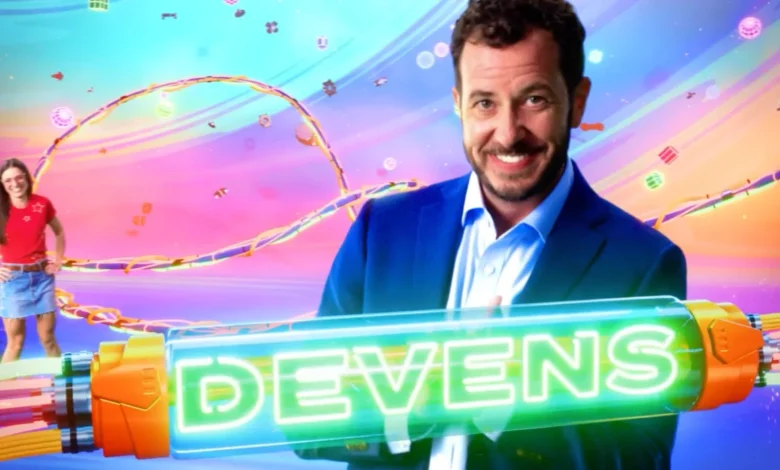
The worlds of high-stakes reality television and blockbuster superhero cinema have collided in an unexpected and delightful manner, as filmmaker James Gunn has revealed that a contestant currently vying for the grand prize on CBS’s Big Brother was originally slated to appear in the upcoming Superman sequel. The revelation came via social media, sparking a flurry of interest from fans of both Gunn’s directorial work and the long-running reality competition.
Rick Devens, a contestant on Big Brother Season 28 and a familiar face to fans of Survivor, made a surprising on-air mention of Gunn during Thursday’s eviction episode. After casting his vote, Devens delivered a shout-out that resonated far beyond the confines of the Big Brother house. This moment, broadcast live to a national audience, did not go unnoticed by the DC Studios co-head, who has openly expressed his admiration for the Big Brother franchise.
Gunn, known for his distinctive directorial style in projects like Guardians of the Galaxy and The Suicide Squad, shared a clip of Devens’s shout-out on his Threads account, a platform he frequently uses to engage with fans and share behind-the-scenes insights. The post quickly garnered attention, prompting a direct question from one of his followers: "Would he be in the Superman sequel?"
Gunn’s response was both direct and revealing. "No because he’s on Big Brother! Otherwise he would have been," he stated, confirming that Devens’s participation in the reality show had, in fact, rerouted his trajectory for a potential cameo in the highly anticipated Superman film. This statement immediately ignited further speculation and curiosity among fans about the nature of Devens’s intended role and the circumstances that led to its cancellation.
The Unforeseen Path of a Cameo
Further probing from other Threads users led Gunn to elaborate on the connection between Devens and the Superman project. When asked if Devens actually knew him, Gunn provided a more detailed account of their acquaintance. "We do," he replied, clarifying the nature of their relationship. "He was gonna appear in the background of MoT but he had to cancel (his awesome wife and kids still came). He couldn’t tell me why but told me I’d be excited. Obviously I was!"
The film Gunn refers to as "MoT" is Man of Tomorrow, the upcoming sequel to Superman. This detail adds a layer of intrigue, suggesting that Devens’s planned appearance was not a casual, last-minute addition but a pre-arranged cameo that ultimately fell through due to unforeseen circumstances. Gunn’s comment that Devens "couldn’t tell me why" hints at the confidentiality surrounding reality show contestants’ obligations, particularly during active participation in a competition where their movements and communications are strictly controlled. The fact that Devens himself anticipated Gunn’s excitement upon hearing the reason for his unavailability further suggests a significant and perhaps surprising development in Devens’s life that necessitated his withdrawal from the film.
Rick Devens: From Survivor Island to the Big Brother House
Rick Devens is no stranger to the intense scrutiny and strategic gameplay of reality television. He first gained national recognition as a contestant on Survivor: Edge of Extinction in 2019, where his charismatic personality, strategic prowess, and memorable moments, including his infamous "Gavin wants to be a hero" confessional, made him a fan favorite. While he ultimately finished as the runner-up, Devens cemented his status as a memorable figure in the reality TV landscape.
His decision to join the cast of Big Brother Season 28 marked a significant transition to a different format of reality competition. Big Brother requires contestants to live together in a house, isolated from the outside world, while competing in challenges and facing weekly evictions. The psychological and social dynamics of the game are paramount, and contestants are constantly under surveillance. Devens’s participation in this environment, while simultaneously being considered for a role in a major Hollywood production, underscores the unusual intersection of his current endeavors.
Big Brother Season 28, which features Devens competing for a $750,000 cash prize, boasts a diverse cast of 16 individuals. Among the other notable contestants are Angela Murray, Ashley Trail, Barrett Pfeiffer, Chuck Anyanwu, Drew Campbell, Haley Thogmartin, Jason de Puy, Kamuela “Kamu” Kirk, LaTrice Verrett, Lyric Medeiros, Mallory Aurichio, Melody Morris, Rome Seymour, and Taylor Brown. Each contestant brings their own unique background and strategies to the game, making for a compelling season of strategic alliances, betrayals, and unexpected twists.
The Significance of the Superman Sequel
The Superman sequel, officially titled Man of Tomorrow, is a pivotal project within DC Studios’ ambitious slate of upcoming films. Directed by James Gunn himself, it marks a fresh start for the iconic superhero on the big screen. The film stars David Corenswet as the titular hero, taking over the mantle from previous iterations. The first Superman film, released on July 9, 2027, garnered significant attention, opening with $125 million domestically and eventually becoming the first DC movie since The Batman in 2022 to surpass the $300 million global box office mark. This strong performance has set high expectations for Man of Tomorrow.
Gunn’s involvement as a director and co-head of DC Studios signifies a strategic direction for the franchise, aiming to deliver a cohesive and creatively driven cinematic universe. The inclusion of a Big Brother contestant, even in a background capacity, would have been an unconventional but potentially memorable casting choice, reflecting Gunn’s penchant for incorporating unique elements into his films.
Implications and Broader Context
The revelation that Rick Devens was slated for a Superman sequel role, only to be sidelined by his Big Brother commitment, offers a fascinating glimpse into the often-unpredictable nature of both Hollywood production and reality television. It highlights the delicate balance that public figures must strike when juggling multiple high-profile opportunities.
For Devens, the situation presents a unique narrative arc. He is currently navigating the intense pressures of the Big Brother house, a decision that appears to have directly impacted a potential cinematic appearance. His on-air shout-out to Gunn, while seemingly a lighthearted gesture, has now become a focal point for fan discussion, connecting his current reality with his past and potential future endeavors.
For James Gunn, the situation underscores his candid approach to fan interaction and his willingness to share insights into his creative process and casting decisions. His direct engagement on Threads allows fans to feel more connected to the development of his projects and understand the reasoning behind certain choices.
The incident also implicitly touches upon the contractual obligations and scheduling complexities inherent in both the entertainment industry and reality television. Contestants on shows like Big Brother are typically required to be fully immersed in the game, often with limited contact with the outside world and strict adherence to filming schedules. This exclusivity would naturally preclude participation in other time-intensive projects.
Ultimately, the story of Rick Devens and the Superman sequel serves as a compelling anecdote that bridges two distinct corners of popular culture. It reminds audiences that behind the carefully crafted narratives of both blockbuster films and reality television, there are often human stories of opportunity, difficult choices, and unexpected turns of events, all of which contribute to the rich tapestry of the entertainment world. The fact that Devens could not reveal the reason for his cancellation to Gunn, yet knew it was something Gunn would be excited about, suggests a significant and positive personal event for Devens, which ultimately led him to the Big Brother house. This adds a layer of personal narrative to the professional intersection of their careers.