Liam Gallagher’s Scathing Review of FIFA World Cup Halftime Show: "A Bad Trip" Amidst Global Spectacle

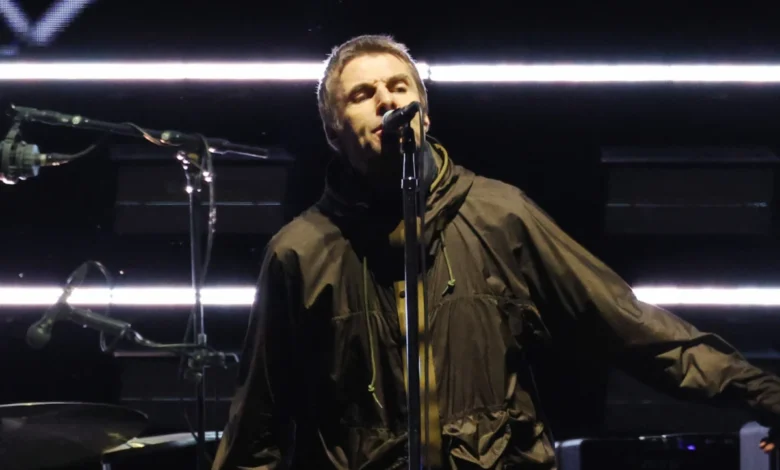
The highly anticipated final match of the FIFA World Cup on Sunday night, a clash between titans Spain and Argentina, was punctuated by a halftime entertainment spectacle that drew a sharp and critical response from none other than Oasis frontman Liam Gallagher. The notoriously outspoken musician, who had been a vocal observer of the tournament’s progression, did not mince words when describing the performances by a star-studded lineup, which included global icons Madonna, Shakira, Justin Bieber, K-Pop sensation BTS, Nigerian artist Burna Boy, acclaimed composer Gustavo Dudamel, and even the beloved Muppets. Gallagher famously took to social media platform X (formerly Twitter) to declare the eclectic medley of performances akin to "a bad trip," suggesting that only his "spiritual socks" prevented him from being overwhelmed by the experience. This reaction underscores the polarizing nature of such large-scale entertainment events, often designed to appeal to a broad, international audience, but which can sometimes alienate even dedicated fans of specific genres or artists.
The halftime show itself was an ambitious undertaking, aiming to encapsulate a global celebration of music and culture within a brief interlude. The performances commenced with a commanding presence from pop legend Madonna. She embarked on a journey through the expansive New York New Jersey Stadium’s subterranean infrastructure, notably riding in a golf cart piloted by Brazilian football royalty Ronaldo and Ronaldinho. Her setlist featured a revitalized rendition of her 2000 chart-topper "Music," alongside her latest single, "Danceteria," from her newly released album Confessions II. This opening segment set a tone of high-octane performance, blending established hits with new material, and immediately engaging the vast stadium audience.
The musical tapestry continued to weave in diverse threads. K-Pop supergroup BTS made a brief but impactful appearance, delivering a snippet of their infectious global hit "Dynamite." This moment served as a nod to the immense popularity of South Korean music on the world stage, a testament to the genre’s cross-cultural appeal. Following BTS’s energetic contribution, the narrative shifted to a more character-driven interlude. Actor Jason Sudeikis, reprising his beloved role as Coach Ted Lasso from the eponymous Apple TV+ series, made his way onto the pitch. Accompanied by his steadfast assistant Coach Beard, portrayed by Brendan Hunt, Sudeikis delivered a motivational pep talk, seemingly directed at pop superstar Justin Bieber. This segment injected a dose of humor and narrative cohesion, bridging the musical acts with a touch of popular culture resonance. Bieber then took center stage to perform a rendition of his song "Everything Hallelujah," adding another layer to the diverse musical offering.
The show’s eclectic nature was further amplified by the inclusion of Shakira and Burna Boy, who performed their collaborative track "Dai Dai." This pairing highlighted the fusion of Latin rhythms with contemporary Afrobeats, showcasing a global musical dialogue. Adding a touch of youthful exuberance and unexpected collaboration, the PS 22 Chorus, a choir comprised of talented fourth and fifth graders from a Staten Island public elementary school, joined the festivities. They performed a song titled "We Dance," penned by the acclaimed British rock band Coldplay. The segment was elevated by the presence of Coldplay frontman Chris Martin, who joined the young performers, creating a heartwarming and memorable moment that underscored the unifying power of music across generations.
The Context of Gallagher’s Discontent
Liam Gallagher’s strong reaction to the halftime show can be viewed through the lens of his fervent support for the English national team and his personal connection to their journey in the tournament. England’s semi-final exit on Wednesday night, a disappointing loss that paved the way for Argentina’s eventual progression to the final against Spain, undoubtedly cast a shadow over the event for the singer. Notably, Oasis’s iconic anthem "Wonderwall" had become an unofficial rallying cry for the English team throughout the preceding stages of the competition, with Gallagher himself actively promoting its association with the squad. His pre-match tweet, "Cmon England cmon Wonderwall," epitomized this deep-seated investment in his nation’s sporting fortunes. The subsequent disappointment of their elimination, coupled with the spectacle of a halftime show that perhaps deviated from his personal aesthetic preferences, likely contributed to his sharp critique.
A Glimpse into Gallagher’s World and Oasis’s Legacy
Gallagher’s public persona is intrinsically linked to his candid and often provocative commentary on music, sports, and popular culture. His embrace of the "spiritual socks" metaphor suggests a desire to maintain a sense of groundedness amidst what he perceived as overwhelming or perhaps disorienting entertainment. This is consistent with his broader artistic philosophy, which often champions raw authenticity and a rejection of perceived superficiality in the music industry.
Furthermore, the article touches upon upcoming projects related to Oasis, including the release of the documentary Don’t Look Back in Anger. This film, initially shelved, chronicles the complex relationship between Liam and his brother Noel Gallagher and their potential reunion. The documentary, a collaborative effort between Peaky Blinders creator Steven Knight and directors Dylan Southern and Will Lovelace, is slated for an IMAX and cinema release before becoming available on streaming platforms Hulu and Disney+. This upcoming release further contextualizes Gallagher’s current public engagement, as he remains a prominent figure in the cultural landscape, his opinions carrying weight due to his enduring legacy and the anticipation surrounding Oasis’s potential revival.
Broader Implications of World Cup Halftime Shows
The FIFA World Cup halftime show represents a unique intersection of global sport and mass entertainment. These performances are not merely musical interludes; they are carefully curated events designed to engage a colossal, multinational television audience. The inclusion of artists from diverse musical genres and cultural backgrounds—from Western pop icons to K-Pop sensations and Afrobeats stars—reflects the tournament’s status as a truly global phenomenon. The aim is to create a shared cultural moment that transcends national boundaries, fostering a sense of collective celebration.
However, the inherent challenge in such ambitious productions lies in the vast diversity of audience tastes. What resonates with one segment of the global viewership may fall flat or even be actively disliked by another. Liam Gallagher’s reaction is a prime example of this dichotomy. While the inclusion of artists like Justin Bieber and BTS likely appealed to younger demographics and fans of contemporary pop music, and the presence of Madonna and Shakira aimed to capture a broader, more established audience, the eclectic mix may have felt disjointed or overly commercial to those who, like Gallagher, might prefer a more focused or perhaps rock-centric musical landscape.
The decision to include elements like the PS 22 Chorus and the Ted Lasso cameo further illustrates the strategy to incorporate elements of heartwarming sentimentality and widely recognized pop culture. These additions aim to broaden the appeal and create memorable, shareable moments. Yet, for critics, such as Gallagher, these might be perceived as attempts to cater to a lowest common denominator, diluting the artistic integrity of the performances.
The financial investment in these halftime shows is also substantial, reflecting the immense commercial value of the World Cup. Record labels, sponsors, and FIFA itself pour significant resources into ensuring these performances are visually spectacular and feature globally recognized talent. This commercial imperative can sometimes lead to a curated, almost formulaic approach to artist selection and performance content, which may not always align with the more individualistic or counter-cultural sensibilities of some artists and their fans.
The Unpredictability of Public Reaction
Ultimately, Liam Gallagher’s "bad trip" comment serves as a potent reminder of the unpredictable nature of public reaction to large-scale entertainment. While organizers may meticulously plan and execute these events with the intention of widespread appeal, individual responses can vary dramatically. Gallagher’s outspokenness, while perhaps jarring to some, also offers a valuable perspective, highlighting the subjective nature of artistic appreciation. His preference for a more stripped-down or perhaps guitar-driven musical experience is well-documented, and the bombastic, genre-bending nature of the World Cup halftime show simply did not align with his personal taste.
The incident also underscores the enduring influence of artists like Liam Gallagher and the legacy of bands like Oasis. Even as the music industry evolves and new genres and artists emerge, the impact of established figures remains significant. Their opinions, particularly when delivered with such characteristic directness, can shape public discourse and offer a counterpoint to the prevailing trends. As the world continues to embrace globalized entertainment, the tension between mass appeal and individual artistic integrity, as exemplified by Gallagher’s critique, will undoubtedly continue to be a defining characteristic of such high-profile events. The FIFA World Cup halftime show, a grand stage for global artistry, proved once again that even in moments of intended unity, diverse perspectives and strong opinions will always find their voice.