Amazon’s Fire OS Devices to Remain on Android Fork, Current Models Excluded from Linux-Based Vega Transition Amidst Intensified Anti-Piracy Measures.

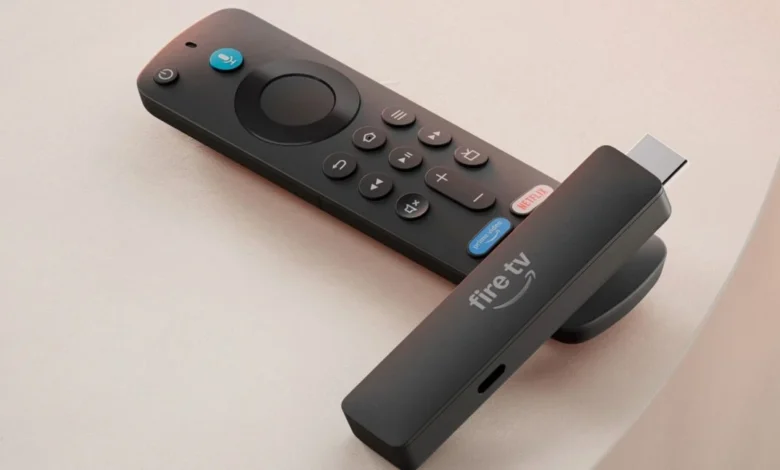
In a significant development for its streaming device ecosystem, Amazon has confirmed that existing Fire OS devices will not receive an update to the forthcoming Linux-based Vega operating system. This announcement, initially reported by German IT publication Heise Online in October, signals a definitive split in Amazon’s device strategy, with current Fire TV and Fire Tablet users remaining on the Android Open Source Project (AOSP)-derived Fire OS, while future devices are expected to transition to Vega. The move is closely tied to Amazon’s ongoing efforts to exert greater control over its device ecosystem, combat digital piracy, and integrate advanced features like its generative AI chatbot, Alexa+.
The Transition from Fire OS to Vega: A Strategic Shift
For years, Amazon’s Fire streaming devices have operated on Fire OS, a proprietary fork of Android. While this allowed Amazon to leverage the vast Android app ecosystem, it also meant that Fire devices often ran on older Android software versions, limiting their access to the latest features and security updates available on mainstream Android devices. This technical foundation also facilitated sideloading, a process where users install applications from sources other than Amazon’s official Appstore. While sideloading has legitimate uses, such as installing Google Play Store apps or custom utilities to enhance device functionality (e.g., using a Fire tablet as a smart home controller), it has also become a conduit for installing applications that stream pirated content, a growing concern for Amazon and content rights holders.
The planned migration to Vega OS, a Linux-based operating system, represents a fundamental shift for Amazon. This move is designed to free Amazon from the dependencies and often slower pace of Android development, enabling the company to integrate more modern software and features directly. Crucially, Vega is expected to grant Amazon significantly more control over the software stack and user experience, supporting the seamless integration of proprietary technologies like Alexa+, Amazon’s generative AI chatbot. This enhanced control is also explicitly aimed at limiting the proliferation of apps that could cost the company money, either through lost advertising revenue or, more pointedly, by facilitating access to illegal content. The shift is projected to commence in 2025, marking a new era for Amazon’s hardware portfolio.
The Long Shadow of Piracy and Amazon’s Response
The issue of digital piracy on Amazon’s Fire devices has escalated significantly in recent years, drawing increasing scrutiny from media companies, anti-piracy organizations, and even regulatory bodies. Fire Sticks, in particular, have frequently been cited as popular tools for accessing illicit streaming services. These devices, often "jailbroken" or configured to sideload unauthorized applications, have become synonymous in some circles with easy access to copyrighted material.
A May report from Enders Analysis, a prominent media, entertainment, and telecommunications research firm, underscored the severity of the problem, claiming that jailbroken Fire Sticks were enabling "billions of dollars" worth of streaming piracy annually. This staggering figure highlighted the immense financial losses incurred by content creators and legitimate streaming platforms due to unauthorized access. The report further intensified pressure on Amazon to take more decisive action against the misuse of its devices.
The Alliance for Creative and Entertainment (ACE), a global anti-piracy coalition, has been particularly vocal in its demands for stronger enforcement. ACE, which represents major studios and streaming services worldwide, has actively pursued and "blacklisted" numerous applications and services involved in piracy. In a direct response to this pressure and in a clear escalation of its anti-piracy efforts, Amazon began blocking these blacklisted applications in the fall, preventing their installation or operation on Fire TV devices. This marked a shift from previous, less stringent measures, moving towards proactive blocking at the point of installation rather than merely at launch.
Prominent content providers, including Sky Sports UK and the Premier League, both major players in the highly lucrative world of professional soccer broadcasting, have also been vocal in their demands for Amazon to crack down on piracy. The unauthorized streaming of live sports events, in particular, represents a significant threat to their business models, which rely heavily on subscription fees and licensing agreements. Their collective pressure has undoubtedly contributed to Amazon’s hardened stance.
A Chronology of Escalating Control and Anti-Piracy Measures
The narrative surrounding Amazon’s Fire devices and the battle against piracy can be traced through a series of key events:
- Early 2010s: Amazon launches its first Fire devices (tablets, then Fire TV), built on a customized version of Android (Fire OS). The open nature of Android, even a forked version, inherently allows for sideloading.
- Mid-2010s: As streaming services proliferate, so does the development of third-party apps, some legitimate, others designed for accessing pirated content. Fire Sticks gain popularity partly due to their affordability and perceived ease of customization, including sideloading.
- Late 2010s – Early 2020s: Reports begin to surface regularly about the widespread use of Fire devices for piracy. Content owners and anti-piracy groups intensify their monitoring and pressure on Amazon.
- May 2025 (Projected): Enders Analysis report estimates "billions of dollars" in piracy facilitated by Fire Sticks, drawing significant media attention and increasing regulatory scrutiny.
- Fall 2025 (Projected): Amazon begins implementing more stringent measures, actively blocking the installation of apps identified by ACE as facilitating piracy. This represents a significant escalation in its anti-piracy strategy.
- October 2025 (Projected): Amazon officially confirms its plans for Vega OS and clarifies that existing Fire OS devices will not be upgraded, indicating a future where new devices will operate under a more controlled, Linux-based environment. This announcement, first reported by Heise Online, solidifies the direction of Amazon’s hardware strategy.
- 2025 (Projected): Amazon anticipates the initial rollout of Vega OS on new devices, marking the beginning of the platform transition.
Broader Implications and Industry Context
The implications of Amazon’s strategic shift are multifaceted, affecting users, developers, the broader streaming device market, and the ongoing global fight against digital piracy.
For Users: The immediate impact for a significant portion of Fire device users who primarily rely on Amazon’s official Appstore for content will be minimal. However, those who have relied on sideloading for legitimate purposes—such as installing niche applications not available in the Amazon Appstore, accessing Google Play Store, or utilizing specific productivity tools—will find their options severely curtailed on newer Vega-powered devices. For users who have employed sideloading to access pirated content, the transition to Vega and the heightened blocking on Fire OS devices represent a significant barrier, potentially forcing them to seek alternative platforms or legitimate streaming subscriptions. This segment of users is likely to explore rival streaming devices that offer more open ecosystems or attempt to develop new workarounds, although the latter may prove increasingly difficult under Amazon’s tighter control.
For Developers: The move to Vega could create a more streamlined, yet potentially more restrictive, development environment. While a Linux-based OS might offer new capabilities and better performance, it also implies a potential shift in development tools and frameworks away from the Android-centric ecosystem. Developers will need to adapt to Amazon’s specific APIs and guidelines for Vega, potentially requiring new investments in learning and porting existing applications. The increased control over the app ecosystem might also lead to a more curated Appstore, which could be a double-edged sword: potentially higher visibility for approved apps, but also more stringent approval processes and less flexibility for niche or experimental applications.
For Amazon’s Ecosystem and Strategy: This move solidifies Amazon’s long-term vision for a more controlled, integrated, and secure device ecosystem. By moving away from AOSP, Amazon gains greater autonomy over its software development cycle, allowing for quicker innovation and seamless integration of its proprietary services like Alexa+ and other AI-driven features. This strategic independence from Google’s Android roadmap is crucial for Amazon to differentiate its hardware offerings and build a unique user experience. The enhanced control also reinforces Amazon’s commitment to protecting content rights holders, which is vital for maintaining good relationships with studios and networks that license content to Amazon Prime Video and other Amazon services. This positions Amazon more favorably in the competitive streaming landscape, allowing it to present itself as a responsible platform provider.
For the Streaming Device Market: Amazon’s decision could influence the competitive landscape. If Fire devices become significantly more restrictive, it might push some users towards competitors like Roku, Google Chromecast with Google TV, or Apple TV, which may offer different levels of openness or app availability. Conversely, if Amazon successfully positions Vega as a superior, more secure, and feature-rich platform, it could attract users seeking a premium, integrated experience. The broader trend among major tech companies, including Apple and Google, has been towards increasingly controlled ecosystems, balancing user freedom with security, revenue generation, and content protection. Amazon’s move is consistent with this industry-wide shift.
For the Anti-Piracy Fight: Amazon’s escalated measures, particularly the blocking of blacklisted apps and the strategic shift to Vega, represent a significant victory for anti-piracy organizations and content owners. By closing a major avenue for illicit streaming, Amazon is taking a proactive step to mitigate a problem that has cost the entertainment industry billions. This action sets a precedent and could encourage other device manufacturers to adopt similar, more stringent anti-piracy measures. However, the cat-and-mouse game between content pirates and rights holders is perpetual; new methods and workarounds are likely to emerge, requiring continuous vigilance and technological adaptation from platforms like Amazon.
In conclusion, Amazon’s decision to transition new Fire devices to Vega OS while maintaining existing models on Fire OS, coupled with intensified anti-piracy blocking, marks a pivotal moment. It underscores Amazon’s commitment to ecosystem control, innovation, and content protection, reshaping the future of its hardware offerings and sending a clear message to both legitimate users and those engaged in illicit streaming activities. The long-term success of this strategy will depend on Amazon’s ability to balance enhanced control with user satisfaction and developer engagement in its evolving ecosystem.