The Evolution of Global Connectivity: Analyzing Holafly Plans and the Shift in International Mobile Roaming

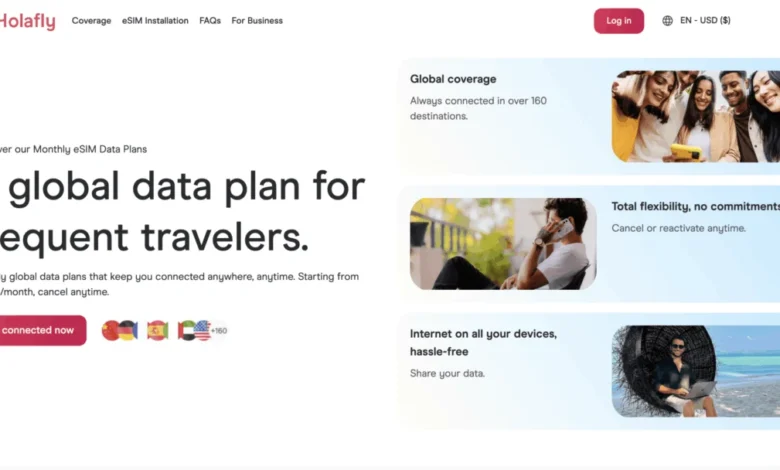
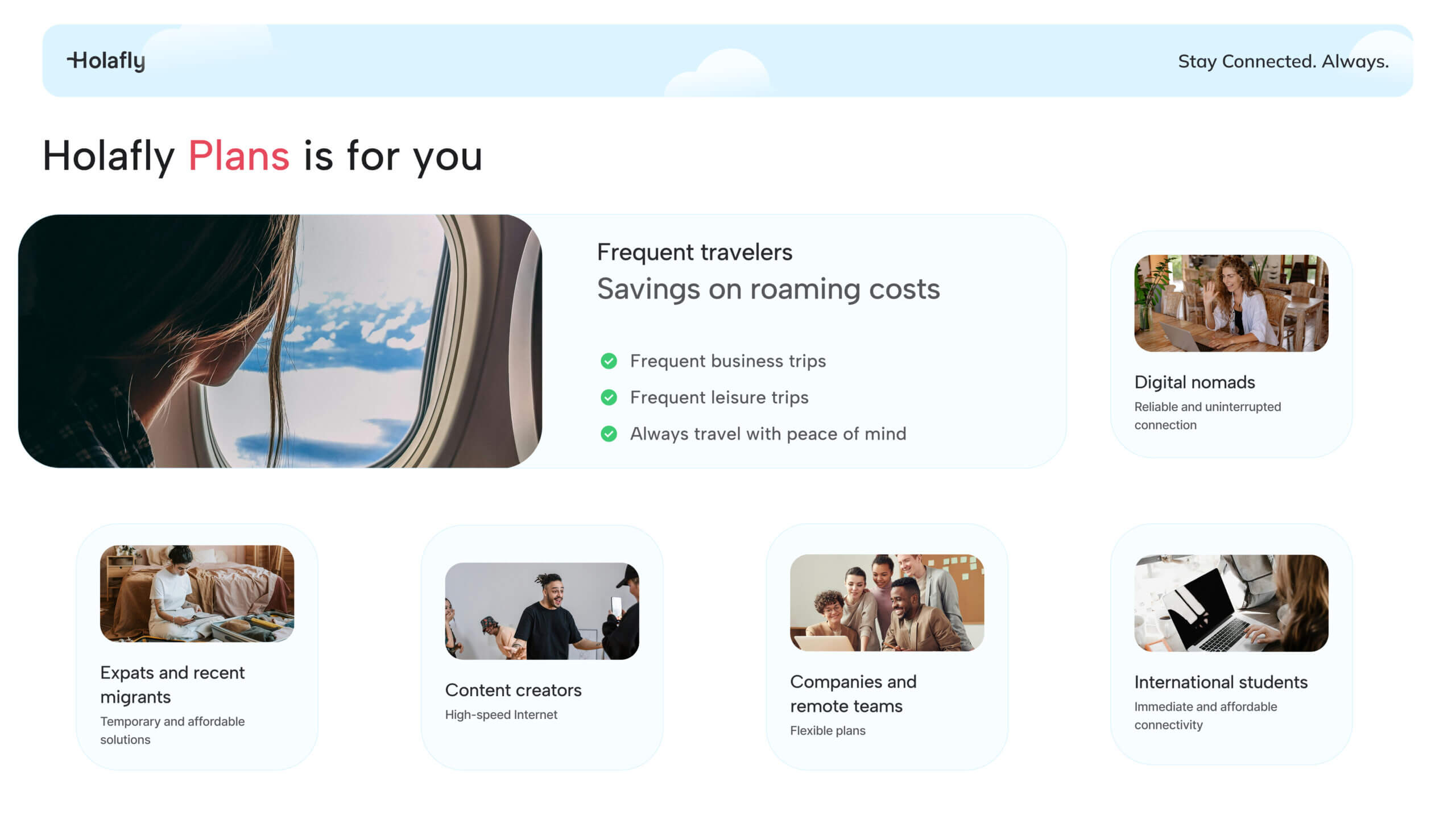
The landscape of international telecommunications is undergoing a significant transformation as travel-focused technology companies move away from fragmented, single-use solutions toward integrated, subscription-based models. Holafly, a prominent provider in the eSIM market, has recently introduced "Holafly Plans," a comprehensive service designed to provide continuous, multi-country mobile data coverage under a single, ongoing subscription. This development marks a shift in how long-term travelers and digital nomads manage connectivity, moving from the traditional, often cumbersome, process of purchasing localized SIM cards or temporary regional data packages toward a seamless, global utility model.
Understanding the Technology: The Rise of eSIMs
The core of this technological shift is the embedded SIM, or eSIM. Unlike traditional physical SIM cards, which require users to physically swap hardware when crossing international borders, an eSIM is a digital module integrated directly into the hardware of modern smartphones. This allows users to store multiple carrier profiles on a single device and switch between them via software settings.
The adoption of eSIM technology has been accelerated by the hardware requirements of modern flagship devices from major manufacturers like Apple, Samsung, and Google. As global travel volume continues to rebound toward pre-pandemic levels, the demand for frictionless mobile access has surged. According to recent market analysis, the global eSIM market is projected to grow at a compound annual growth rate (CAGR) exceeding 15% through 2030, driven by the increased consumer preference for "travel-ready" connectivity solutions that do not require physical retail interaction or the risk of losing local SIM cards.
Chronology of Product Development
The market for mobile connectivity for travelers has historically been bifurcated into two main categories: high-cost roaming plans offered by domestic mobile carriers and the secondary market of localized prepaid SIM cards.

In the late 2010s, early eSIM providers emerged to bridge this gap, offering country-specific data plans that users could activate via QR codes before or upon arrival in a new destination. While effective, these solutions remained transactional—users were required to purchase a new "package" for every country visited or for every specific duration of their stay.
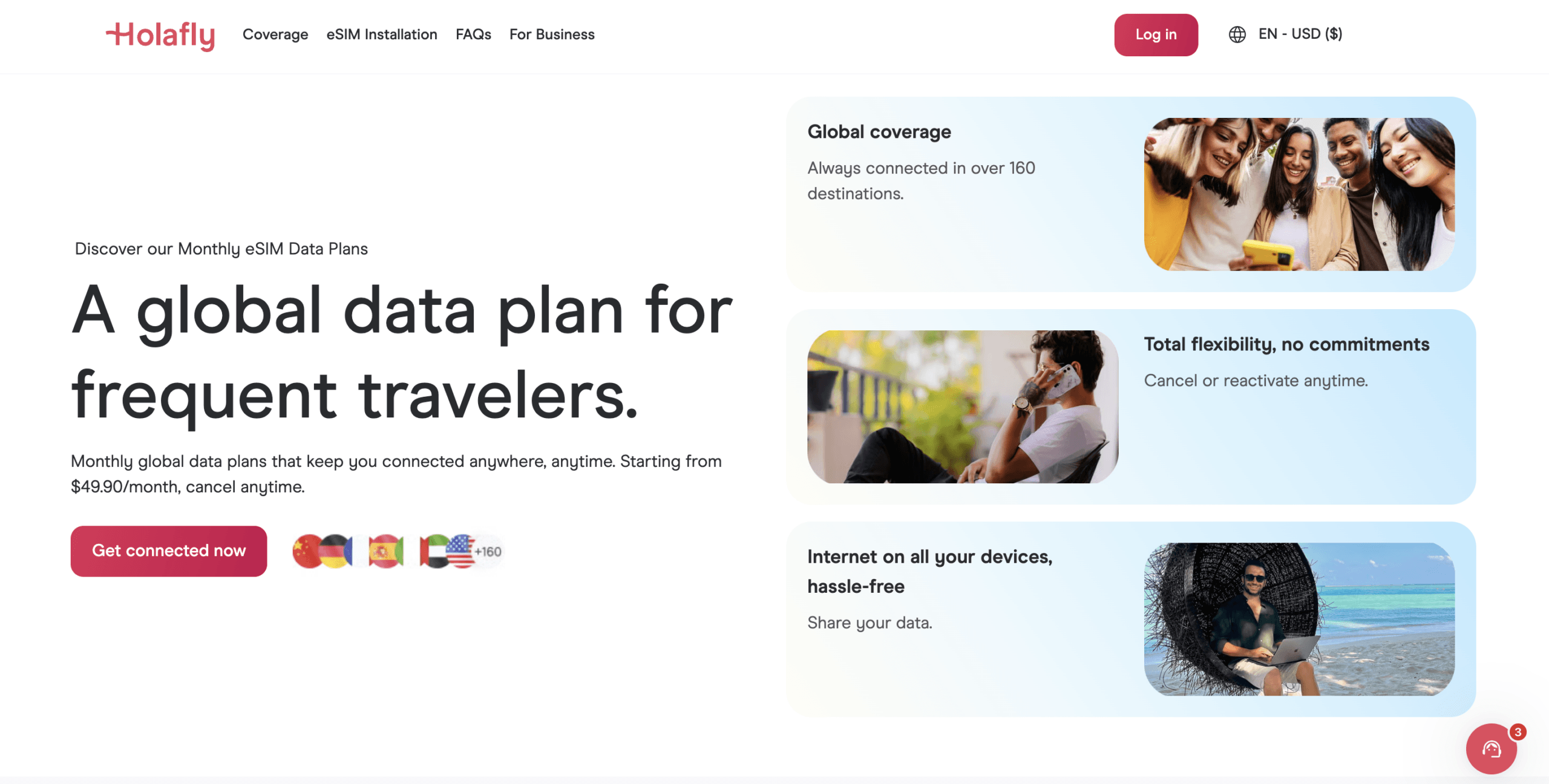
Holafly’s introduction of their "Plans" service in mid-2026 represents a third phase in this evolution: the transition from transactional purchasing to a subscription-based, "always-on" service. This model eliminates the need for repeated activation processes. By consolidating over 160 destinations into a single recurring billing cycle, the provider aims to replicate the experience of a domestic mobile plan while maintaining the flexibility required by international travelers.
Comparative Analysis of Connectivity Solutions
The current market environment offers three primary options for international travelers, each with distinct cost and utility implications.
Major domestic carriers typically offer international roaming add-ons, which are often characterized by high daily fees—frequently ranging from $10 to $15 per day—or limited high-speed data buckets that are quickly throttled once a cap is reached. For a traveler visiting multiple countries over a month, these costs can easily escalate into the hundreds of dollars, often exceeding the price of a local subscription.
In contrast, the "single-destination" eSIM model, which remains the industry standard, offers a middle ground. It is cost-effective for short-term trips of one or two weeks. However, for a user spending months abroad or moving through multiple countries, the logistical burden of repeatedly downloading, installing, and managing separate eSIM profiles becomes significant.
The newly introduced subscription model addresses these inefficiencies. By providing a fixed-rate, unlimited, or high-capacity data stream that functions across borders, the subscription model provides a predictable cost structure. Furthermore, the inclusion of tethering capabilities—often restricted by domestic carriers—and a persistent, multi-regional phone number allows for a continuity of service that is rarely found in traditional roaming agreements.
Technical and Economic Implications
The economic impact of this shift is notable. By decoupling international connectivity from the high-margin roaming fees charged by major domestic telecommunications companies, services like Holafly Plans allow users to realize significant cost savings. For example, a user paying $55 to $65 per month for unlimited global data is effectively bypassing the premium pricing structures traditionally maintained by domestic providers, who often treat international data as a luxury add-on.
From a technical standpoint, the "Always On" feature—which provides a residual 1GB of emergency data even after a subscription is canceled—serves as a competitive differentiator. This feature acknowledges the critical nature of mobile connectivity for modern navigation, communication, and security, effectively positioning the eSIM as an essential travel safety tool rather than just a convenience.
Market Outlook and Consumer Response
Industry experts observe that as long-term travel and remote work remain mainstream, the demand for "portable" mobile plans will continue to grow. The primary challenge for providers in this space remains the negotiation of local network roaming agreements. Unlike a domestic carrier that owns its physical infrastructure, companies like Holafly operate as Mobile Virtual Network Operators (MVNOs) or service aggregators, relying on wholesale agreements with local carriers in the countries they cover.
Maintaining quality of service (QoS) across 160+ jurisdictions requires complex backend management. The effectiveness of these plans is contingent upon the strength of the underlying partner networks in each region. Consequently, the industry is closely watching how these subscription models manage network latency and connection hand-offs as users move between vastly different telecommunications infrastructures.
For the consumer, the transition is largely positive. The reduction in the "hassle factor"—the administrative effort of maintaining connectivity—is perhaps the most significant benefit. By reducing the reliance on physical retail stores and the risk of "bill shock" associated with traditional roaming, these services have lowered the barriers to entry for global connectivity.
Broader Industry Impact
The success of these global, subscription-based eSIM plans may force traditional mobile carriers to reconsider their international pricing strategies. As more consumers realize that high-quality global data can be procured for a fraction of the cost of a domestic roaming pass, major carriers may find themselves under pressure to either lower their international fees or offer more generous data allowances to retain their roaming revenue streams.
Furthermore, the integration of digital, software-based connectivity solutions is likely to extend beyond smartphones. As Internet of Things (IoT) devices, laptops with built-in eSIM capabilities, and wearable technology become more prevalent, the need for a unified, cross-border data management system will only increase. Holafly’s current trajectory suggests that the future of travel connectivity lies in "set-it-and-forget-it" digital infrastructure.
Conclusion: The Future of Global Mobility
The evolution of eSIM technology from a simple, transactional digital SIM into a robust, subscription-based global utility marks a pivotal moment in the digitalization of travel. By simplifying the user experience and offering a cost-effective alternative to traditional, high-priced roaming, providers are responding to the needs of an increasingly mobile workforce. While the technology is currently focused on mobile handsets, the broader implications for global communications and the traditional telecommunications business model are substantial. As the industry matures, the focus will likely shift toward increasing data speeds and expanding coverage to even more remote regions, further cementing the role of the global eSIM as an essential component of the modern travel experience.
Related posts: