New York Grapples with Fragmented Mosquito Surveillance Amid Rising Public Health Threats

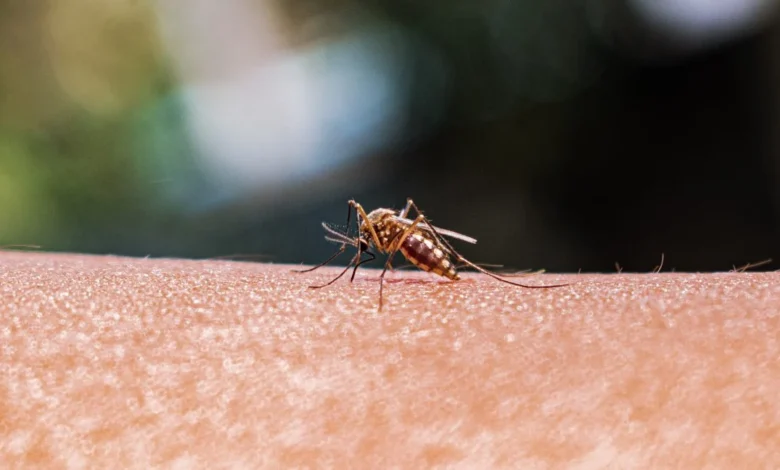
Effective mosquito monitoring programs, crucial for public health protection, are inherently labor-intensive and financially demanding, necessitating a multi-faceted approach involving dedicated teams and specialized expertise. The process typically begins with the meticulous task of setting and regularly checking a variety of traps designed to capture mosquito specimens. Beyond the physical deployment, highly trained specialists are then required to accurately identify, sort, and test these collected samples for the presence of various pathogens, a critical step in early disease detection. The methods for attracting mosquitoes are diverse and tailored to specific species or behaviors. Some traps, for instance, are designed to lure female mosquitoes – the primary vectors of disease – using what is colloquially known as “stinky water.” This foul-smelling concoction is strategically loaded with decaying organic material, mimicking the stagnant, nutrient-rich water sources where many mosquito species prefer to lay their eggs. Other traps, targeting mosquitoes that seek out mammalian hosts for blood meals, employ dry ice. The sublimation of dry ice releases a steady stream of carbon dioxide, an irresistible attractant for mosquitoes that detect CO2 plumes emitted by mammals during respiration. However, the logistical challenges inherent in these operations are often profound. In vast rural expanses of New York State, for example, acquiring a consistent supply of dry ice can be a significant hurdle. Faced with this scarcity, monitoring teams are frequently compelled to undertake the resource-intensive process of manufacturing their own dry ice, diverting time and resources that could otherwise be allocated to surveillance efforts.
Even beyond these tangible logistical and resource challenges, the existing framework for mosquito monitoring in New York State is further complicated by significant systemic issues. Communication, coordination, and the vital sharing of data among various entities involved in mosquito surveillance remain persistent obstacles. Dr. Laura Leydet, a leading expert in the field, highlights the critical vulnerability this creates. "One of the problems with states that are not comprehensively doing these surveillance programs is that surveillance is hit or miss," Leydet explained. "A lot of these surveillance programs are run by the counties, and they’re not really talking to each other." This fragmented, county-centric approach, where each jurisdiction operates largely in isolation, results in a mosaic of efforts rather than a cohesive statewide strategy. Leydet’s lab, through its research and observations, has definitively concluded that this patchwork system has significant detrimental consequences, most notably allowing invasive mosquito species to proliferate and spread undetected, effectively "flying under the radar" of public health officials.
The Peril of Patchwork: Invasive Species and Disease Risk
The implications of a disjointed surveillance system extend far beyond mere inconvenience; they pose a tangible and escalating threat to public health. New York, like many states, is increasingly vulnerable to the establishment of invasive mosquito species, which are often more efficient vectors of dangerous pathogens than native species. For instance, the Asian tiger mosquito (Aedes albopictus) and the yellow fever mosquito (Aedes aegypti), though more historically prevalent in warmer climates, are steadily expanding their ranges northward, driven by climate change. These species are notorious carriers of devastating diseases such as West Nile virus (WNV), Eastern Equine Encephalitis (EEE), Zika virus, Dengue fever, and Chikungunya. Without a unified and robust surveillance network, early detection of these invasive species and the pathogens they carry becomes a matter of chance, rather than a systematic process. An undetected population of Aedes albopictus in one county could rapidly spread to neighboring areas, establishing new breeding grounds and increasing the risk of localized outbreaks before any coordinated response can be mounted.
The absence of comprehensive, inter-county communication means that valuable epidemiological data – such as the identification of a new invasive species, a surge in mosquito populations, or the detection of a specific virus in a mosquito pool – is often confined to individual county health departments. This siloed information prevents state-level epidemiologists and public health officials from forming a complete picture of the threat landscape, hindering their ability to allocate resources effectively, issue timely public health advisories, or implement targeted control measures across affected regions. The "hit or miss" nature of surveillance, as Leydet describes it, translates directly into delayed responses, increased healthcare costs, and a higher risk of human morbidity and mortality.
Funding Gaps and the Reactive Cycle
Underpinning many of these challenges is the perennial issue of funding. "If the county doesn’t have money or resources, these programs fade away," Leydet underscored, pointing to the precarious nature of current mosquito control efforts. Many county health departments operate with limited budgets, forcing difficult decisions about resource allocation. When funding dwindles, mosquito surveillance and control programs are often among the first to be scaled back or eliminated entirely, deemed less urgent than other pressing public health concerns until an actual crisis emerges. This creates a dangerous cycle of reactivity rather than proactive prevention. "If we don’t have these surveillance programs, then all we’re doing is responding to a problem when it’s already a problem, and that’s never how prevention works," Leydet emphasized.
The economic and human costs of this reactive approach are substantial. When an outbreak of a mosquito-borne disease like West Nile virus occurs, public health agencies are forced to initiate emergency responses, which are invariably more expensive and less effective than preventative measures. These responses can include widespread, often costly, adulticide spraying campaigns, which carry their own set of environmental and public perception challenges. Healthcare systems become strained by an influx of patients, and communities suffer from lost productivity, fear, and a diminished quality of life. For example, a significant West Nile virus outbreak can lead to millions of dollars in medical costs, public health interventions, and lost wages. In 2000, New York City experienced a major WNV outbreak, leading to millions in public health spending and dozens of fatalities, a stark reminder of the consequences of inadequate preparedness. Investing in consistent, comprehensive surveillance, while requiring an upfront financial commitment, ultimately serves as an insurance policy against these far greater societal costs.
A Legislative Push for Comprehensive Surveillance
A potential turning point in New York’s mosquito control strategy may be on the horizon with the introduction of a new bill in the New York State Legislature this session. Senate Bill S10393, proposed for the 2025 legislative session, aims to address the systemic deficiencies in the current approach by laying the essential groundwork for a comprehensive, statewide mosquito surveillance program. The bill explicitly identifies the existing system as "sparse and disintegrated," echoing Leydet’s critique and recognizing the urgent need for reform. Its primary objective is to empower public health officials to proactively respond to potential threats before an outbreak escalates, shifting the paradigm from reactive crisis management to strategic prevention.
The proposed legislation seeks to establish a framework that would standardize surveillance protocols across all counties, ensuring consistency in data collection, mosquito identification, and pathogen testing. It envisions a centralized data repository where information from all participating counties would be aggregated, analyzed, and disseminated, allowing for a real-time, statewide understanding of mosquito populations and disease activity. Such a system would enable state health authorities to identify emerging hotspots, track the spread of invasive species, and forecast potential outbreak areas with greater accuracy. Furthermore, the bill would likely address funding mechanisms, aiming to provide more stable and equitable financial support to county-level programs, thereby alleviating the dependence on often-strained local budgets. This legislative initiative represents a critical recognition at the state level that public health cannot be effectively protected through fragmented, uncoordinated efforts, especially in an era of accelerating environmental changes.
Proactive Measures: The Pillars of Prevention
The transition to a proactive surveillance framework would unlock a wider array of preventative measures, allowing public health officials to intervene effectively at various stages of the mosquito life cycle. These proactive strategies are far more targeted, environmentally sound, and cost-effective than emergency responses.
One fundamental proactive measure is source reduction: systematically identifying and eliminating pools of standing water where mosquitoes lay their eggs. This can range from large-scale drainage projects to community-wide "tip and toss" campaigns encouraging residents to empty bird baths, clogged gutters, old tires, and other containers. Education plays a crucial role here, as public awareness about common breeding sites can significantly reduce mosquito populations at the community level.
Another key strategy involves the targeted application of larvicides. These biological or chemical agents are specifically designed to kill mosquito larvae in their aquatic breeding habitats before they can develop into flying, biting adults. Larvicides are often highly selective, posing minimal risk to other wildlife or humans when applied correctly, and are a cornerstone of integrated mosquito management programs. They can be applied by hand, ground equipment, or even by air in larger, inaccessible areas.
Public health advisories and education campaigns are also integral components of a proactive strategy. These initiatives inform the public about the risks of mosquito-borne diseases, advise on the effective use of insect repellents containing DEET, picaridin, or oil of lemon eucalyptus, and encourage wearing long-sleeved shirts and pants when outdoors, especially during peak mosquito activity hours. Such measures empower individuals to protect themselves and their families.
In contrast, widespread pesticide spraying, or adulticiding, is generally considered a measure of last resort, typically employed during active outbreaks to rapidly reduce adult mosquito populations and curb disease transmission. While effective in an emergency, adulticiding is less precise, can impact non-target insects, and often faces public opposition due to environmental concerns. A comprehensive surveillance program, by identifying threats early, aims to minimize the need for such broad-scale, reactive interventions.
The Economic Imperative: Cost vs. Consequence
Despite the clear benefits of a centralized system, the challenge of securing widespread coordination and consistent funding in a large and diverse state like New York remains formidable. Leydet candidly acknowledged the common dilemma: "There is general interest in these programs, but when you start seeing what they cost, it’s like, ‘Maybe we’re not that interested.’" This sentiment reflects a pervasive fiscal conservatism that often prioritizes immediate budget constraints over long-term preventative investments.
However, a brief fact-based analysis of the implications reveals a compelling economic argument for robust mosquito surveillance. The initial investment required to establish and maintain a comprehensive statewide program, while significant, pales in comparison to the potential economic fallout from a major mosquito-borne disease outbreak. A single widespread outbreak can incur healthcare costs ranging from tens to hundreds of millions of dollars, encompassing emergency room visits, hospitalizations, long-term care for neurological complications (as seen with WNV and EEE), and the expenses associated with public health investigations and emergency control measures. Beyond direct medical costs, there are indirect economic impacts such as lost productivity due to illness, decreased tourism in affected areas, and even a reduction in property values.
For instance, the Centers for Disease Control and Prevention (CDC) estimates that the average medical cost for a severe case of West Nile neuroinvasive disease can exceed $200,000, not including lost wages or long-term care. Multiply this by dozens or hundreds of cases during an outbreak, and the financial burden quickly escalates. A study following the 1999 West Nile virus outbreak in New York estimated the total societal cost to be over $30 million in the first year alone. Investing proactively in surveillance and control measures can mitigate these catastrophic financial losses, making it not just a public health imperative but also a sound economic decision. As Leydet aptly concluded, even in the face of fiscal hesitancy, "any help is better than nothing," underscoring the urgency of even incremental improvements to the current system.
Climate Change: Amplifying the Threat
The urgency for a robust and coordinated mosquito surveillance system in New York is further amplified by the undeniable impacts of climate change. Warming temperatures are fundamentally altering the ecological dynamics that govern mosquito populations and the diseases they transmit. Extended warm seasons allow mosquitoes to breed for longer periods, increasing the number of generations per year. Milder winters lead to higher survival rates for overwintering eggs and adult mosquitoes, ensuring larger populations at the start of the breeding season.
Changes in precipitation patterns, including more intense rainfall events followed by prolonged dry spells, create ideal breeding conditions. Heavy rains can create new temporary pools of water, while droughts can lead to stagnant water in drying riverbeds or storm drains, all of which serve as prime mosquito habitats. Furthermore, the northward expansion of historically southern mosquito species, such as Aedes aegypti and Aedes albopictus, into states like New York is a direct consequence of rising temperatures. These species are highly efficient vectors for diseases like Dengue, Zika, and Chikungunya, diseases that were once considered exotic to the region but now pose a growing domestic threat.
A comprehensive surveillance system is therefore not just about managing existing risks but about adapting to rapidly evolving environmental conditions. It allows public health officials to track the geographical spread of these invasive vectors, monitor changes in their seasonal activity, and detect the emergence of new pathogens, providing an early warning system against climate-driven health crises. Without such a system, New York risks being caught unprepared as its climate becomes more hospitable to dangerous mosquito-borne diseases.
Lessons from the Past and Stakeholder Perspectives
History offers stark lessons regarding the consequences of inadequate mosquito surveillance. The emergence of West Nile virus in the United States in 1999, first detected in New York City, caught public health systems largely off guard. The initial response was hampered by a lack of familiarity with the virus, insufficient surveillance infrastructure, and fragmented communication, allowing the virus to establish a foothold and spread rapidly across the country. This event served as a wake-up call, prompting some improvements in surveillance, but the current "sparse and disintegrated" system suggests that those lessons have not been fully institutionalized at a comprehensive state level.
From the perspective of public health officials, a unified, well-funded state program is not merely desirable but essential. They advocate for standardized protocols, real-time data sharing, and reliable funding streams to execute their mandate of protecting communities. County officials, while recognizing the importance of mosquito control, often face severe budgetary constraints, making state-level support and coordination invaluable. Legislators, by introducing bills like S10393, demonstrate a growing awareness of the public health and economic ramifications of neglected surveillance and seek to establish a proactive framework. Environmental groups, while generally supportive of public health initiatives, often emphasize the importance of integrated pest management strategies that prioritize environmentally friendly methods like source reduction and biological controls, minimizing reliance on broad-spectrum pesticides.
In conclusion, New York State stands at a critical juncture in its battle against mosquito-borne diseases. The current fragmented and underfunded surveillance system, while providing some localized protection, is demonstrably insufficient to address the escalating threats posed by invasive species and a changing climate. The proposed legislation offers a promising pathway towards a comprehensive, coordinated, and adequately funded statewide program. While the financial investment required is a legitimate concern, the long-term public health and economic benefits of proactive prevention far outweigh the costs of reactive crisis management. Establishing a robust mosquito surveillance infrastructure is not merely an operational improvement; it is a fundamental investment in the health, safety, and economic well-being of all New Yorkers in an increasingly challenging epidemiological landscape.