The global home textiles market has undergone a significant transformation over the last decade, with the bedding segment alone projected to reach a valuation of over $100 billion by 2030. This growth is driven by an increasing consumer focus on "sleep hygiene" and the recognition of quality bedding as a fundamental pillar of wellness. Within this competitive landscape, the search for the "softest" sheets has moved beyond mere marketing jargon into a specialized field of material science and textile engineering. After rigorous testing involving dozens of brands and hundreds of nights of sleep, a definitive list of high-performance linens has emerged, categorized by weave, material, and tactile experience.
The Evolution of Sleep Textiles and Market Trends
The transition from basic cotton utility to luxury performance bedding reflects a broader shift in consumer behavior. According to industry analysts, the rise of direct-to-consumer (DTC) brands has democratized access to premium materials like long-staple Egyptian cotton and organic bamboo viscose. Previously, such textiles were reserved for five-star hospitality environments or high-end department stores. Today, the emphasis is on durability, breathability, and "hand feel"—the textile industry term for the tactile sensations experienced when skin touches fabric.
To identify the top contenders in this category, testers engaged in a comprehensive evaluation process. This methodology moved beyond initial impressions, focusing on how fibers behave after repeated laundering and extended use. The results highlight a diverse array of materials, from traditional sateen weaves to innovative silk infusions designed to provide dermatological benefits.
The Gold Standard: Long-Staple Egyptian Cotton
Egyptian cotton remains the industry benchmark for luxury, primarily due to the length of its fibers. Long-staple and extra-long-staple (ELS) cotton allow for the spinning of finer, stronger yarns, resulting in a fabric that is both more durable and significantly softer than standard cotton.
The Wamsutta Supreme Egyptian Cotton Sheet Set has been identified as the premier choice for overall softness. Featuring a 600-thread-count sateen weave, these sheets exemplify the "whipped butter" texture that high-end consumers seek. Test data indicates that the long-staple fibers prevent the micro-breakages that often lead to "pilling" or a scratchy surface. Julia Harrison, a veteran commerce writer who tested the set over several months, noted that the weave is particularly beneficial for those with sensitive skin, as it minimizes friction against both skin and hair.

Innovations in Sustainable Softness: Bamboo and Supima
As environmental concerns influence purchasing decisions, bamboo-derived fabrics have surged in popularity. Bamboo viscose is naturally thermoregulating, featuring fibers that are more hollow than cotton, which facilitates superior airflow and moisture-wicking.
The Cozy Earth Bamboo Sheet Set has gained a significant following for its "barely perceptible" weight and silk-like drape. Audrey Lee and Yelena Moroz Alpert, who integrated these sheets into their sleep routines, reported that the material provides a cooling effect that is essential for "hot sleepers." Similarly, Supima cotton—a trademarked Pima cotton grown exclusively in the United States—offers a domestic alternative to Egyptian cotton. The Buffy Supima Cotton Sheet Set was noted for its balance of crispness and softness, providing a "lived-in" feel that avoids the starchy rigidity of lower-quality cotton.
The Percale vs. Sateen Debate: Structural Differences
A critical factor in sheet softness is the weave structure. Most consumers choose between percale and sateen, each offering a distinct tactile profile.
- Percale: Utilizing a one-over, one-under weave, percale is known for its matte finish and crisp, cool feel. While often associated with the "hotel bed" experience, high-quality percale can be remarkably soft. The Quince Organic Crisp Percale and the Matouk Bergamo set are leading examples. Matouk’s offering uses a sophisticated blend of Giza 87 and 92 Egyptian cotton yarns, resulting in a fabric that feels as smooth as silk while maintaining the structural integrity of a traditional percale.
- Sateen: This weave uses a four-over, one-under pattern, which exposes more thread surface. This creates a lustrous sheen and a heavier, silkier feel. The Boll & Branch Signature Hemmed Sheet Set is a standout in this category. Testers found that the sateen weave felt increasingly soft after each wash, a characteristic attributed to the brand’s use of organic long-staple cotton.
Specialized Luxury: Cashmere Blends and Silk Infusions
For consumers seeking a more "plush" or "textural" softness, manufacturers are increasingly experimenting with fiber blends.
Brooklinen’s Heathered Cashmere Core Sheet Set incorporates 5% Himalayan cashmere with 95% cotton. This hybrid approach provides the warmth and loft of a luxury sweater without the oppressive heat often associated with flannel. According to testers, this set serves as an ideal transitional bedding for cooler climates, offering a "fluffy" weave that remains breathable.
At the highest end of the luxury spectrum, the Clementine Atelier Medica Silk Fitted Sheet represents a convergence of bedding and skincare. These sheets are composed of 100% GOTS-certified organic silk and are infused with hyaluronic acid and squalane. The objective is to maintain skin hydration throughout the night, reducing the moisture-stripping effects common with standard cotton. While the price point is significantly higher—often exceeding $700 for a fitted sheet—the tactile experience is described as uniquely rich and soothing.

Testing Methodology and Durability Chronology
To ensure the validity of these recommendations, the testing team implemented a rigorous 30-day minimum trial for every product. However, many of the top-ranked sets were monitored over a period of years to assess long-term performance.
- Initial Phase (Days 1-7): Assessment of "out-of-the-box" softness and fit.
- Laundering Phase (Weeks 2-4): Sheets were subjected to multiple machine wash and dry cycles. Testers looked for signs of shrinkage, loose threads, or color fading.
- Climate Assessment: Testing was conducted across various geographical locations to determine how materials performed in humid versus dry environments.
- Long-term Observation (6 months – 2 years): Evaluation of pilling and structural degradation. For instance, the Boll & Branch sets were verified for softness after five years of consistent use.
Technical Analysis: The Thread Count Myth
A significant portion of the consumer market still relies on thread count as the primary indicator of quality. However, textile experts, including Katie Glusica, a professor of fibers at the Savannah College of Art and Design, argue that thread count is often a misleading metric.
"Thread count is simply the number of threads per square inch," Glusica explained. While a higher count can indicate a softer feel, it can also lead to a heavy, non-breathable fabric if the yarns are of poor quality. The consensus among professionals is that a thread count between 200 and 600 is optimal. Beyond 600, manufacturers often use "multi-ply" yarns—twisting several thin, low-quality threads together to artificially inflate the count—which actually results in a coarser, less durable sheet.
Broader Implications for the Bedding Industry
The findings from these extensive tests suggest that the future of the bedding industry lies in material transparency and specialized performance. Consumers are no longer satisfied with generic "100% cotton" labels; they are demanding specific information regarding staple length, weave type, and chemical certifications (such as OEKO-TEX or GOTS).
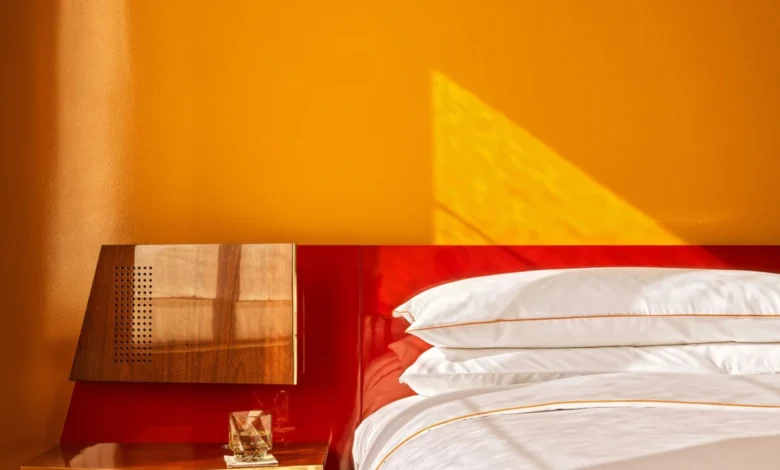
Furthermore, the rise of "aesthetic maximalism" has forced luxury brands to offer their softest weaves in a broader range of colors and patterns. Bed Threads, for example, has successfully merged the breathable softness of 200-thread-count organic cotton percale with bold, saturated hues that appeal to interior design enthusiasts.
As the link between sleep quality and overall health becomes more scientifically established, the role of high-quality bedding will likely transition from a luxury want to a functional need. For the modern consumer, investing in the softest, most breathable sheets is increasingly viewed as a necessary component of a holistic health strategy, equivalent to high-quality nutrition or ergonomic workspace design. The "self-care" movement has officially moved into the bedroom, and the tactile quality of one’s sheets is the new frontier of personal wellness.