Samsung Galaxy Watch 8 Classic Hits Record Low Price of 269 Dollars as Wearable Market Shifts Toward Specialized Fitness Tracking

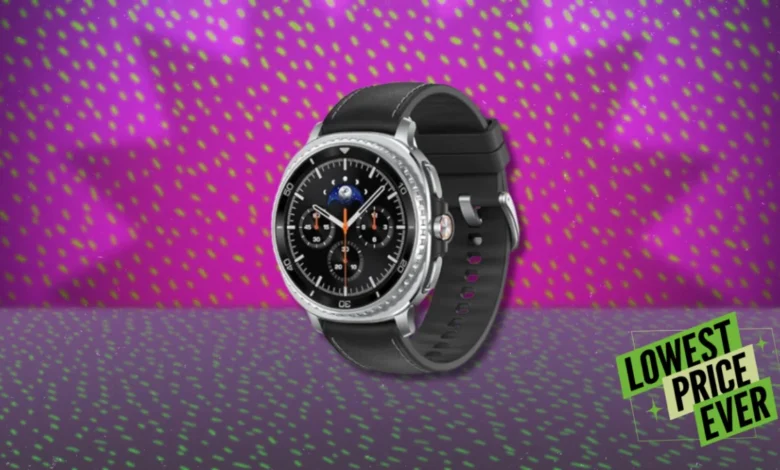
The landscape of wearable technology reached a significant milestone this week as the Samsung Galaxy Watch 8 Classic, the flagship of the company’s 2025 wearable lineup, plummeted to its lowest price point since its debut. Currently retailing for $269.99 for the premium LTE-enabled 46mm model, the device has seen a price reduction of over 50% from its original $549.99 MSRP. This pricing shift is particularly notable within the industry, as it places the premium "Classic" variant at a lower price point than the standard, budget-oriented Galaxy Watch 8, creating a unique value proposition for consumers seeking high-end materials and mechanical navigation at a mid-range cost.
The price drop, verified by multiple consumer price-tracking tools, marks a pivotal moment in the lifecycle of the Galaxy Watch 8 series. Released in the summer of 2025, the lineup was designed to bifurcate the market between casual users and enthusiasts who prefer the tactile feedback of Samsung’s signature rotating physical bezel. As the industry prepares for the next generation of hardware cycles, this aggressive discounting suggests a strategic inventory clearance and a move to solidify Samsung’s market share against increasingly competitive offerings from Google and Apple.
Technical Specifications and the Return of the Bezel
The Samsung Galaxy Watch 8 Classic is defined largely by its construction and the inclusion of the physical rotating bezel, a feature that was temporarily sidelined in previous generations before being reinstated due to overwhelming consumer demand. The 46mm Classic model utilizes a stainless steel chassis, providing a more traditional horological aesthetic compared to the aluminum frames found on the standard models.
Under the hood, the Watch 8 Classic is powered by Samsung’s advanced 3nm processor architecture, which was designed to balance high-performance health tracking with power efficiency. The device features a 1.5-inch Super AMOLED display protected by Sapphire Crystal glass, offering a peak brightness that ensures legibility even under direct midday sunlight. The LTE connectivity included in this specific deal allows the device to function as a standalone communication hub, utilizing eSIM technology to mirror the user’s primary phone number for calls, messaging, and data streaming without the requirement of a Bluetooth tether.
One of the most significant technical hurdles for smartwatches remains battery longevity. The Galaxy Watch 8 Classic offers approximately 30 hours of continuous use on a single charge. While this remains within the industry standard for full-featured Wear OS devices, it highlights the ongoing trade-off between high-resolution displays, always-on health monitoring, and battery capacity.
Advanced Health Monitoring and Fitness Integration
Samsung has positioned the Galaxy Watch 8 series as a comprehensive health laboratory on the wrist. Central to this is the 3-in-1 BioActive Sensor, which combines an Optical Heart Rate sensor, an Electrical Heart Signal (ECG) sensor, and a Bioelectrical Impedance Analysis (BIA) sensor.
The BIA sensor remains a standout feature in the 2025-2026 market, allowing users to measure body composition metrics such as skeletal muscle mass, basal metabolic rate, and body water percentage. Furthermore, the Watch 8 Classic introduced a more refined "Antioxidant Index," a metric derived from skin-based readings that provides users with a general overview of their nutritional health and oxidative stress levels.
For athletes, the device offers advanced running dynamics. These metrics go beyond simple pace and distance, analyzing vertical oscillation, ground contact time, and flight time to help runners refine their form and reduce the risk of injury. The integration of heart rate zones tailored to an individual’s maximum heart rate allows for more scientific training loads, a feature that was previously the exclusive domain of dedicated fitness brands like Garmin or Polar.
Chronology of the Samsung Galaxy Watch Evolution
To understand the significance of the Galaxy Watch 8 Classic’s current market position, one must look at the trajectory of Samsung’s wearable development over the last several years:

- 2021: The Wear OS Pivot (Galaxy Watch 4) – Samsung abandoned its proprietary Tizen OS in favor of a unified Wear OS platform co-developed with Google. This opened the ecosystem to a wider array of third-party applications.
- 2022: The Pro Experiment (Galaxy Watch 5) – Samsung introduced the "Pro" model, focusing on battery life and outdoor durability, but notably removed the physical rotating bezel, much to the chagrin of long-time fans.
- 2023: The Return of the Classic (Galaxy Watch 6) – Responding to feedback, Samsung brought back the "Classic" branding and the physical bezel, refining the screen-to-body ratio.
- 2024: Incremental Refinement (Galaxy Watch 7) – Focus shifted toward AI integration and more precise sensor arrays, setting the stage for the hardware leap seen in the subsequent year.
- 2025: The Current Flagship (Galaxy Watch 8) – The 8 series introduced the 3nm processor and enhanced LTE capabilities, solidifying the "Classic" as the premium choice for professional users.
Market Analysis and Consumer Implications
The current price reduction to $269.99 reflects broader trends in the consumer electronics sector. According to market data from 2025, the average upgrade cycle for smartwatches has extended to approximately 30 to 36 months. As hardware matures and annual improvements become more incremental, manufacturers and retailers must use aggressive pricing to capture the "late-adopter" segment of the market.
Industry analysts suggest that the "Classic" model’s price drop is a response to the "premium-ization" of the market. With the rise of "Ultra" tier watches priced at $799 and above, the $500–$600 price bracket has become a difficult sell. By repositioning the Watch 8 Classic at under $300, Samsung effectively competes with mid-range fitness trackers while offering a significantly more robust feature set and superior build quality.
Furthermore, the inclusion of LTE at this price point is a strategic move. Carrier partnerships often subsidize these devices to encourage users to add wearable data plans to their monthly bills. For the consumer, the $269.99 price represents a rare opportunity to acquire a high-end stainless steel timepiece with independent cellular capabilities for the price of a standard aluminum entry-level model.
Compatibility and Ecosystem Synergy
The Galaxy Watch 8 Classic operates within the Google Wear OS ecosystem, ensuring compatibility with a vast range of Android smartphones. However, Samsung continues to reserve certain features—such as advanced ECG and blood pressure monitoring (where available)—for users paired with Samsung Galaxy smartphones. This "walled garden" approach, while criticized by some advocates for open hardware, has allowed Samsung to maintain a high level of integration between its devices.
The watch also supports Bluetooth FTMS (Fitness Machine Service), allowing it to sync directly with modern gym equipment. Whether a user is on a Peloton bike, a Concept2 rower, or a commercial-grade treadmill, the watch can broadcast heart rate data to the machine while receiving speed and power data in return. This bi-directional communication ensures that workout logs are as accurate as possible, bridging the gap between indoor training and wearable data.
The Future of Samsung Wearables
As we move through the latter half of 2026, rumors regarding the "Galaxy Watch 9" have begun to circulate within the tech community. Early leaks suggest that the next generation may focus on non-invasive glucose monitoring and even longer battery life through the use of new solid-state battery technologies.
The current discount on the Watch 8 Classic suggests that Samsung is preparing the market for these new innovations. For the pragmatic consumer, however, the innovations present in the Watch 8 Classic—the 3nm chip, the comprehensive BioActive sensor, and the timeless stainless steel design—represent a "peak" in current wearable technology.
Conclusion
The Samsung Galaxy Watch 8 Classic at $269.99 is more than just a seasonal sale; it is a reflection of a maturing market where premium hardware is becoming accessible to a broader audience. While the technology world always looks toward the next "big thing," the current reliability and feature density of the Watch 8 Classic make it a formidable contender for anyone looking to integrate health tracking and cellular independence into their daily routine.
With its rotating bezel providing a tactile link to traditional watchmaking and its internal sensors providing a gateway to modern health science, the Watch 8 Classic remains a benchmark for what a professional-grade smartwatch should be. As inventory levels fluctuate following this record-low pricing, it is expected that this deal will serve as the final major push for the 8 series before the next chapter of Samsung’s wearable journey begins.