Range Rover Unveils Electrified GT Vision: A New Era of Sophisticated Grand Touring on EMA Architecture

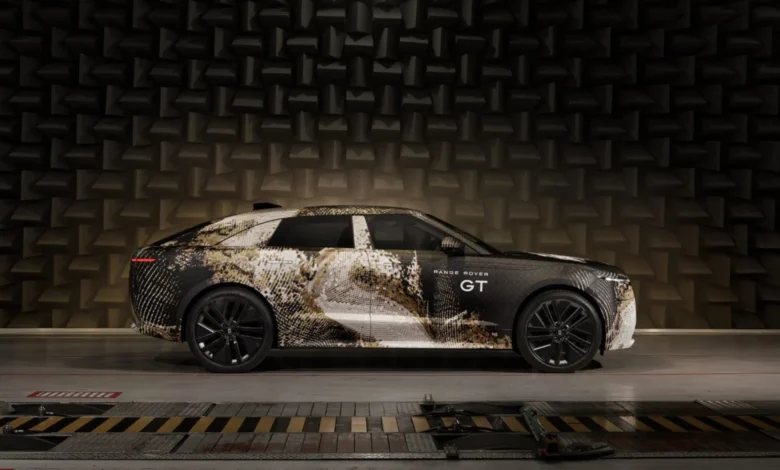
Range Rover has announced a significant strategic shift with the upcoming launch of its new Grand Tourer (GT), a vehicle described by Martin Limpert, managing director of Range Rover, as the culmination of years of intensive development. Limpert stated, "We have spent the last few years working obsessively on the fundamentals of the GT formula, reinterpreted in a sophisticated, uniquely Range Rover way." This new offering is poised to redefine the brand’s presence in the luxury market, leveraging the company’s dedicated Electric Modular Architecture (EMA) to deliver what he terms "the most car-like, yet unmistakably capable, Range Rover ever created." The vehicle aims to blend "effortless EV performance, first-class long-haul refinement and all-terrain capability" while presenting a "calming interior [that] previews our vision of a modern grand tourer."
JLR’s Electrification Strategy and Platform Evolution
The introduction of the Range Rover GT on the EMA platform underscores Jaguar Land Rover’s (JLR) aggressive "Reimagine" strategy, unveiled in early 2021, which commits the luxury carmaker to an all-electric future for Jaguar by 2025 and six pure electric Land Rover models by 2026. EMA is the third electrifiable platform in JLR’s evolving architectural portfolio, signaling a clear roadmap towards a fully electric future across its brands. The other two platforms are the Modular Longitudinal Architecture (MLA), which currently underpins the latest Range Rover and Range Rover Sport models, supporting mild-hybrid, plug-in hybrid, and battery-electric powertrains, and the Jaguar Electric Architecture (JEA), which is specifically being developed by Jaguar for its forthcoming Type 01, also a four-door grand tourer expected to debut later this year.
The strategic importance of EMA lies in its dedicated design for battery-electric vehicles (BEV), allowing for optimized packaging of battery cells and electric drive units, which typically translates into enhanced interior space, improved weight distribution, and greater design flexibility. While MLA was designed with multi-energy powertrains in mind, EMA’s BEV-native approach promises a pure electric experience from the ground up. This architectural specialization enables Range Rover to craft a vehicle like the GT that fully exploits the advantages of electric propulsion, such as instant torque, silent operation, and a lower center of gravity, which contributes to its "car-like" driving dynamics.
Redefining the Grand Tourer Segment
The luxury grand tourer segment is a fiercely competitive arena, traditionally dominated by marques known for high-performance coupes and four-door saloons that blend power with long-distance comfort. Competitors typically include vehicles like the Porsche Panamera, Mercedes-AMG GT 4-Door Coupe, Aston Martin Rapide, and, more recently, luxury electric sedans like the Porsche Taycan and Lucid Air. Range Rover’s entry with an electrified GT represents a bold move to broaden its appeal beyond its iconic SUV lineage.
Limpert’s emphasis on "first-class long-haul refinement" positions the GT squarely against these established players, while the retention of "all-terrain capability" offers a unique Range Rover differentiator. This suggests the GT will not merely be a road-biased luxury sedan but will incorporate a degree of the brand’s legendary off-road prowess, albeit reinterpreted for a GT context. This could manifest as sophisticated air suspension systems, adaptive damping, and potentially advanced traction management systems designed to handle varied road conditions, from pristine highways to challenging unpaved tracks, distinguishing it from conventional luxury GTs. The blend of effortless EV performance and refinement is expected to provide a serene yet potent driving experience, characteristic of modern luxury electric vehicles.
An Ultraminimalist Interior with a Nod to Safety
The interior of the Range Rover GT, as previewed to select media, marks a significant departure from the robust, often multi-layered cabins of its SUV siblings. The design philosophy leans heavily towards "ultraminimalist," creating a clean, uncluttered environment. This approach aligns with a broader trend in luxury automotive design, where simplicity and digital integration are prioritized to foster a sense of calm and modernity. However, Range Rover has carefully balanced this minimalist aesthetic with the practical and regulatory requirements for driver safety and functionality.
Crucially, the design adheres to evolving safety regulations in Europe and elsewhere, which increasingly mandate the inclusion of physical controls for certain essential functions. Organizations like Euro NCAP and ANCAP have begun incorporating the usability of controls into their safety ratings, penalizing vehicles that rely exclusively on touchscreens for critical functions like climate control, volume adjustment, or hazard lights. This is a direct response to concerns about driver distraction caused by complex infotainment systems. Range Rover’s designers have evidently taken this feedback to heart, ensuring that while the overall aesthetic is sleek and digital, core tactile controls remain accessible, preventing the driver from having to navigate menus for basic operations.
The cabin features a primary instrument display and a central infotainment touchscreen, both utilizing advanced OLED technology. OLED screens offer superior contrast, deeper blacks, and vibrant colors compared to traditional LCDs, enhancing the visual experience and contributing to the premium feel. Notably, Range Rover has made the head-up display (HUD) standard for the GT, projecting crucial driving information directly onto the windshield within the driver’s line of sight. This further minimizes the need for drivers to divert their gaze from the road, enhancing both safety and convenience.
A deliberate design choice highlighted was the eschewing of a third screen for the front passenger, a feature that has become increasingly common in some high-end luxury vehicles. This decision reinforces the "calming interior" vision, avoiding potential visual clutter and maintaining a focused, serene atmosphere within the cabin. It suggests a philosophy where technology serves purpose and enhances the experience without overwhelming the senses.
Broader Implications for JLR and the Luxury Market
The Range Rover GT’s introduction carries significant implications for JLR’s brand strategy and its position within the global luxury automotive market. For Range Rover, it signifies an expansion beyond its traditional SUV stronghold, venturing into a segment that demands a different blend of aesthetics, performance, and driving dynamics. This diversification could attract a new demographic of buyers who appreciate the brand’s luxury ethos but prefer a lower-slung, more car-like driving experience. It also positions Range Rover as a pioneer in integrating off-road capability with electric grand touring, carving out a unique niche.
From a technological standpoint, the EMA platform will be a cornerstone of JLR’s electrification efforts. Its success with the GT will be critical in demonstrating the company’s engineering prowess in developing bespoke EV architectures capable of delivering compelling luxury experiences. The parallel development of JEA for Jaguar’s Type 01 underscores a strategic approach to creating distinct yet technologically advanced platforms for each brand’s unique requirements, rather than a one-size-fits-all solution.
The market reception of the GT will also provide valuable insights into consumer appetite for luxury electric grand tourers that offer a unique blend of attributes. If successful, it could embolden JLR to further explore non-SUV body styles across its Range Rover and Land Rover brands, potentially opening new avenues for growth and brand evolution.
Awaiting the Full Reveal
While the interior and architectural details provide a compelling glimpse into Range Rover’s vision, the full aesthetic of the GT remains under wraps, currently concealed beneath camouflage. Anticipation is building for the complete unveiling, expected later this year, when more comprehensive details, including exterior design, performance specifications, range figures, and pricing, will be revealed. This phased disclosure strategy allows Range Rover to build excitement and highlight specific aspects of the vehicle’s innovation, from its underlying architecture to its interior philosophy, before presenting the complete package. The GT represents not just a new model but a bold statement about Range Rover’s future direction in a rapidly electrifying and evolving luxury landscape.