LG Monitor App Installer Sparks Privacy Outcry as Users Report Unconsented Bloatware and Data Collection on Premium Displays

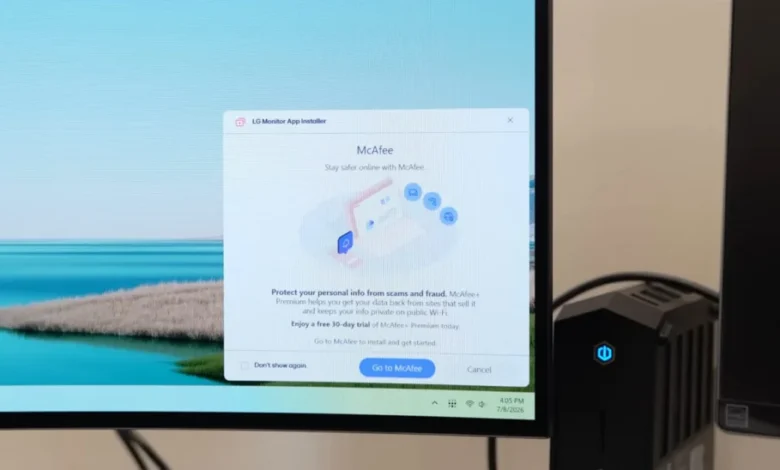
A significant controversy has erupted around LG Electronics, with numerous users reporting the automatic installation of the "LG Monitor App Installer" and subsequent unsolicited advertisements on their Windows systems. This practice, occurring without explicit user prompt or permission, is particularly concerning given LG’s position as a manufacturer of high-end computer monitors, some retailing for upwards of $1,000. The situation not only disrupts the user experience with unwanted ads but also raises profound privacy questions due to the extensive permissions the application reportedly acquires upon installation.
The Genesis of the Controversy
The issue gained widespread attention following reports from tech outlets and user communities, notably highlighted by Gamers Nexus, a prominent YouTube channel known for its in-depth hardware analysis. Users began to notice the LG Monitor App Installer appearing on their systems, often without any direct interaction or installation consent. This application, seemingly pushed through Windows Update, then proceeds to display pop-up advertisements, a jarring experience for individuals who have invested heavily in premium display technology. The core complaint revolves around a fundamental breach of user expectation: purchasing expensive, high-quality hardware should not equate to involuntarily subscribing to an ad-supported ecosystem or surrendering extensive personal data.
Unpacking the Privacy Implications
One of the most alarming aspects of this controversy is the scope of permissions the LG Monitor App Installer allegedly demands. According to Burke, an individual cited in initial reports, once the app is installed, "LG technically possesses permission to use ‘all system resources.’" Even more troubling are the stated data collection capabilities: the app is said to be able to "collect geolocation, device data, online activity, contacts, user credentials, transactions, and more."
To contextualize, "all system resources" can imply deep access to the operating system, potentially allowing the application to run processes in the background, modify system settings, or interfere with other installed software. The list of collectible data points is exceptionally broad and intrusive for a peripheral companion application. "Geolocation" data can pinpoint a user’s physical location, raising concerns about privacy and potential tracking. "Device data" could encompass hardware specifications, installed software, and usage patterns. "Online activity" is a vast category, potentially including browsing history, search queries, and interactions with websites and services. The inclusion of "contacts," "user credentials," and "transactions" crosses a significant line, delving into highly sensitive personal information that users would reasonably expect to remain private, especially from an application associated with a monitor.
Such extensive data collection capabilities, particularly without clear, explicit, and informed consent, are a direct challenge to modern data privacy principles and regulations such as the General Data Protection Regulation (GDPR) in Europe and the California Consumer Privacy Act (CCPA) in the United States. These regulations emphasize transparency, purpose limitation, and user control over personal data. An application acquiring such broad permissions without a clear, stated purpose directly relevant to the monitor’s functionality, and without explicit user agreement, could be seen as violating these fundamental rights. The potential for this data to be used for highly targeted advertising, sold to third parties, or even become a security vulnerability in the event of a data breach, represents a significant risk to affected users.
Microsoft’s Role in Peripheral Software Distribution
The mechanism through which the LG Monitor App Installer is being installed also brings Microsoft and its Windows operating system policies into question. The screenshot shared by Gamers Nexus clearly shows LG’s app installing via Windows Update, blurring the lines between essential operating system updates and the installation of third-party, potentially unwanted, software.
Microsoft’s own documentation sheds light on this phenomenon. Universal Windows Platform (UWP) device apps are permitted "to automatically install when the user connects their device to the PC." This automatic installation occurs if the user "hasn’t opted out of Recommended Settings during installation and is connected to the Internet and signed into the Microsoft Store." This policy, while intended to streamline device setup, inherently creates a loophole for hardware manufacturers to push their software onto user systems without explicit, per-app consent.
Crucially, Microsoft’s support page for Windows developers acknowledges the problematic nature of this auto-installation feature: "The automatic installation feature does not provide a notification to the user when the app is installed. Some users may find this experience confusing and frustrating and give your app a bad rating." This admission from Microsoft itself highlights a systemic design flaw that prioritizes convenience (for developers) over user transparency and control, directly contributing to the kind of bloatware proliferation seen with LG’s application. The "Recommended Settings" default, often overlooked or accepted by users during the initial Windows setup process, becomes a silent gateway for these applications, which then leverage their broad permissions to operate in the background, collect data, and deliver ads. This interaction between hardware vendor and OS vendor policies creates a fertile ground for practices that erode user trust and privacy.
A Pattern of Predatory Practices: Industry Precedents
The issue of hardware manufacturers bundling unwanted software, often referred to as "bloatware," is not new to the tech industry. Numerous other vendors have faced similar criticism for automatically installing companion apps that offer little benefit to the user but often consume system resources, display ads, or collect data.
Examples include:
- Razer: Known for its gaming peripherals, Razer has been criticized for forcing users to install its Synapse software, which some users deem unnecessary or resource-intensive.
- Logitech: A major player in gaming and productivity peripherals, Logitech has also drawn flak for its software suites, which can be perceived as bloated and sometimes required for basic functionality of advanced mice or keyboards.
- Asus: Motherboard manufacturer Asus has faced complaints regarding the automatic installation of software utilities and drivers, sometimes bundled with unnecessary applications.
- Gigabyte: Another prominent motherboard vendor, Gigabyte, has also been criticized for automatically installing bloatware without explicit user consent.
These precedents establish a pattern where hardware companies leverage their control over device drivers and companion software to introduce additional applications onto user systems. The motivations behind this can vary, from attempting to enhance the "ecosystem" experience to generating additional revenue through partnerships (e.g., bundling antivirus trials like McAfee, as mentioned in the LG Monitor App Installer description) or data monetization.
However, the case of LG monitors stands out as particularly egregious. Unlike gaming peripherals or motherboards, which might arguably require more complex software for customization, performance tuning, or unique features, computer monitors typically operate effectively with standard display drivers provided by the operating system. The core function of a monitor—displaying an image—does not inherently necessitate a dedicated companion app that demands "all system resources" and collects vast amounts of personal data. Given the high price point of many LG monitors, the forcible installation of such an app feels like a significant betrayal of consumer trust, transforming a premium purchase into a vector for unwanted advertising and privacy intrusion.
The Consumer Experience: Trust and Disruption
The impact on the consumer experience is multifaceted and overwhelmingly negative. Users purchasing LG’s premium monitors, which can cost well over $1,000, expect a high-quality, unencumbered experience. Discovering that their expensive display is now a conduit for unrequested software and advertisements is profoundly disruptive and breeds resentment. The expectation is that a premium product offers a premium experience, not one marred by the same annoyances typically associated with free software or low-cost devices.
The feeling of a lack of control is also a significant factor. When an application installs itself without consent, operates in the background, and displays ads, it undermines the user’s sense of ownership over their own computing environment. This erosion of trust can have long-lasting effects, not only on LG’s brand reputation but also on consumer confidence in the broader hardware industry. In an era where consumers are increasingly aware of data privacy issues, practices that circumvent explicit consent are likely to face strong backlash. The disruption extends beyond mere annoyance; it raises legitimate security concerns. An unauthorized application with broad system permissions could potentially introduce vulnerabilities, slow down the system, or conflict with other legitimate software, degrading the overall performance and reliability of the user’s PC.
LG’s Apparent Strategy and Silence
Ars Technica, among other outlets, reached out to LG for comment regarding the purpose of the LG Monitor App Installer, the specific monitors affected, and the pressing privacy concerns. While a company representative acknowledged receipt of the questions, LG did not provide a substantive response before the publication of initial reports. This silence, in the face of widespread user complaints and significant privacy allegations, only serves to amplify concerns and fuel speculation about LG’s motivations.
The mention of McAfee as one of the "apps supported by your monitor through LG Monitor App Installer" in the Microsoft Store description suggests a potential monetization strategy. Bundling third-party software, especially security products, is a common practice for generating additional revenue or offsetting manufacturing costs. However, when this bundling occurs without explicit user consent and involves an application with extensive data collection capabilities, it moves from a questionable marketing tactic to a serious ethical and potentially legal issue. LG’s apparent strategy appears to leverage the implicit trust users place in hardware manufacturers and the Windows ecosystem to push its own software agenda, regardless of user preference or privacy implications.
The revelation that this practice has been ongoing for years and has seemingly expanded, with Burke noting the appearance of pop-up ads on LG monitors purchased three years ago, indicates a long-term, deliberate strategy rather than an isolated incident or technical glitch. This longevity suggests a calculated approach by LG to integrate this software into its monitor ecosystem.
Regulatory Scrutiny and Ethical Considerations
The nature of the LG Monitor App Installer’s behavior — unsolicited installation, extensive data collection, and ad delivery — places it squarely in the crosshairs of data privacy regulations worldwide. Regulatory bodies, particularly those enforcing GDPR and CCPA, could initiate investigations into LG’s practices. Non-compliance with these regulations can result in substantial fines, reputational damage, and mandatory changes to business practices.
Beyond legal compliance, there are significant ethical considerations for LG and, by extension, other hardware manufacturers. The ethical responsibility of a company selling a premium product includes respecting user autonomy, ensuring transparency, and protecting user privacy. The current situation suggests a departure from these principles. The act of turning a premium display into an advertising billboard and a data collection tool without explicit consent is a breach of the implicit social contract between a brand and its customers. It raises questions about corporate responsibility in an increasingly interconnected and data-driven world, where every device, from smartphones to smart appliances, has the potential to become a data harvester.
The Path Forward: Reclaiming User Control
For users, the immediate challenge is to identify and remove the LG Monitor App Installer if it has been unwillingly installed. However, the broader solution requires action from both LG and Microsoft.
LG must provide a clear, transparent explanation for the purpose of the LG Monitor App Installer, detailing precisely what data is collected, how it is used, and with whom it is shared. More importantly, it must immediately implement an opt-in consent model for any non-essential software, ensuring users have full control over what is installed on their systems. A straightforward, easily accessible uninstallation process for the app should also be made available, without any residual effects. Rebuilding trust will require a fundamental shift towards consumer-centric practices.
Microsoft also bears responsibility. While aiming for a seamless user experience, the current UWP device app auto-installation policy creates an avenue for bloatware. Microsoft should review and revise these policies, prioritizing explicit user consent for any third-party software installation, even for companion apps. A clearer distinction needs to be made between critical system updates and optional peripheral software, with distinct notification and consent mechanisms. Users should not have to delve into obscure "Recommended Settings" to opt out of potentially intrusive software. The Windows Update mechanism should be a trusted source for essential updates, not a conduit for unrequested applications.
Broader Implications for the Hardware Ecosystem
The LG Monitor App Installer controversy serves as a stark reminder of the ongoing tension between hardware manufacturers’ desire for additional revenue streams or "ecosystem integration" and consumers’ fundamental rights to privacy and control over their devices. If such practices become normalized, the entire hardware ecosystem could suffer. Consumers might become more wary of "smart" devices and companion applications, leading to a broader distrust of new technologies.
This incident also highlights the need for continuous vigilance from tech journalists, consumer advocacy groups, and the user community to hold corporations accountable. As more devices become interconnected and capable of running software, the battle for user control and data privacy will only intensify. The expectation for premium hardware must remain clear: it should deliver superior performance and an uncompromised experience, free from unconsented advertisements and intrusive data collection. The LG Monitor App Installer controversy is a critical test case for how the industry will balance innovation with ethical responsibility in the years to come.