Shifting Gears: How Georgia’s Clean Energy Manufacturing Sector is Adapting to Policy Whiplash and Market Realities

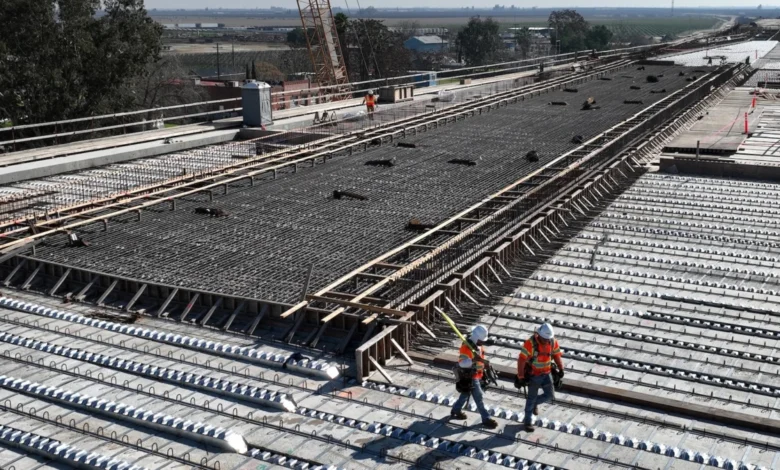
The industrial landscape of the American Southeast has undergone a dramatic transformation over the past decade, with Georgia positioning itself at the epicenter of the nation’s clean energy manufacturing boom. Under the leadership of Governor Brian Kemp, the state aggressively courted global automotive giants and clean technology developers. By deploying lucrative state-level tax incentives, comprehensive workforce training initiatives, and targeted infrastructure support, Georgia successfully attracted billions of dollars in capital investments dedicated to electric vehicles (EVs), advanced batteries, solar panels, and critical recycling facilities.
For several years, this high-stakes economic development strategy paid remarkable dividends. The state celebrated a series of historic industrial milestones: Georgia-based bus manufacturer Blue Bird commenced commercial sales of electric buses in 2018 and subsequently inaugurated an expanded manufacturing facility in 2023. In 2022, automotive titan Hyundai broke ground on a massive, dedicated EV manufacturing complex near Savannah—reigniting local economies. Shortly thereafter, Kia integrated electric vehicle production into its existing West Point assembly facility in 2024, while Rivian initiated construction on its multi-billion-dollar production campus near Atlanta. These ventures quickly cemented their status among the largest economic development projects in the state’s storied history.
However, the unprecedented momentum that once defined Georgia’s green industrial revolution has encountered severe headwinds. A combination of shifting federal policies, geopolitical friction, shifting consumer demand, and domestic political complexities has destabilized the market. As the industry navigates a turbulent transition period, manufacturers across the Peach State are compelled to pivot, recalibrating their production lines and corporate strategies to survive an era of regulatory and economic uncertainty.
A Chronology of Policy Shifts and Economic Disruption
The deceleration of Georgia’s EV momentum did not occur in a vacuum; it represents the cumulative effect of macroeconomic pressures and sharp federal policy reversals. The trajectory of the sector can be mapped through a series of critical milestones over the past several years:
- 2018–2022 (The Expansion Era): Fuelled by state incentives and the passage of landmark federal legislation such as the Inflation Reduction Act (IRA), automotive and battery manufacturers flooded Georgia with capital commitments. Companies like Hyundai, Kia, and Rivian announced historic investments, transforming rural and suburban regions into high-tech manufacturing hubs.
- Early 2025 (Regulatory and Financial Headwinds): Following the inauguration of the second Trump administration, the macroeconomic environment for clean energy shifted abruptly. Federal EV consumer tax credits were systematically phased out. Simultaneously, the new administration implemented stringent tariffs on imported battery packs, charging infrastructure hardware, and essential electronic components. Environmental regulations governing internal combustion engines were significantly relaxed, and federal mandates accelerating the electrification of government vehicle fleets were terminated.
- Mid-2025 (Labor and Enforcement Shocks): Tensions reached a boiling point when federal immigration authorities executed a high-profile raid on a major electric vehicle battery plant in Georgia. The operation resulted in the detention of more than 400 individuals, predominantly South Korean nationals who had traveled to the United States to provide specialized technical expertise required to launch the complex manufacturing facility. The incident underscored the delicate interplay between foreign direct investment, specialized labor immigration, and domestic political realities.
- Late 2025 to Present (The Pivot to Hybridization): Faced with retracted federal incentives and slower-than-projected consumer adoption rates, automakers began scaling back pure-play EV production targets. Facilities originally designed exclusively for battery-electric vehicles were retrofitted to accommodate hybrid and internal combustion powertrains, marking a strategic retreat to a "middle-of-the-road" manufacturing philosophy.
Industrial Resilience and the Pivot to Hybrid Production
Despite the policy whiplash and a grim eighteen-month operational landscape, manufacturers in Georgia are refusing to abandon their long-term commitments. Instead, leadership teams are demonstrating operational flexibility, transforming rigid assembly lines into dynamic manufacturing environments capable of responding instantaneously to fluctuating market demands.
At Kia’s advanced manufacturing facility in West Point, the assembly line functions less like a traditional mass-production factory and more like a custom fabrication floor. Vehicles move sequentially along the line, acquiring individualized specifications—varying models, color schemes, interior trims, and fundamentally different drivetrains—on demand. According to factory CEO Stuart Countess, the facility has been engineered to pivot seamlessly between gas-powered, hybrid, and fully electric configurations.
"What we’ve seen is a transition back away from maybe full EV vehicle building to this kind of a middle-of-the-road opportunity," Countess explained. While he maintains that battery-electric vehicles remain the ultimate destination for the automotive industry, current consumer hesitance—driven primarily by vehicle purchase price points and persistent gaps in public charging infrastructure—has necessitated a pragmatic tactical retreat. "We had a tax incentive credit that did go away," Countess noted, reflecting on the regulatory changes. "Sales were really moving in the right direction, but once it went away, it became a much different environment."
This sentiment is echoed across the state. Hyundai’s sprawling Metaplant America near Savannah, initially conceived as a showcase for pure EV manufacturing, has similarly adjusted its operational blueprint to integrate hybrid vehicle production into its active lines. Stephanie Valdez-Streaty, director of industry insights at Cox Automotive, describes the current industrial climate as a necessary, albeit messy, period of adjustment. "It’s kind of a messy period we’re in right now," Valdez-Streaty said. "But I think the manufacturers are adjusting."
Diversification in the Battery and Energy Storage Sectors
Beyond light-duty passenger vehicles, the broader clean energy supply chain in Georgia is undergoing a structural diversification. Battery manufacturers throughout the state—facing softening demand for automotive-grade power cells—are actively pivoting their production capacities toward stationary energy storage systems designed for electrical grid stabilization and commercial applications.
Stan Cross, electric vehicle campaign director at the Southern Alliance for Clean Energy (SACE), emphasizes the high stakes involved for the region. "The state continues to have a lot riding on the success of both the electric vehicle but also the battery market," Cross stated.
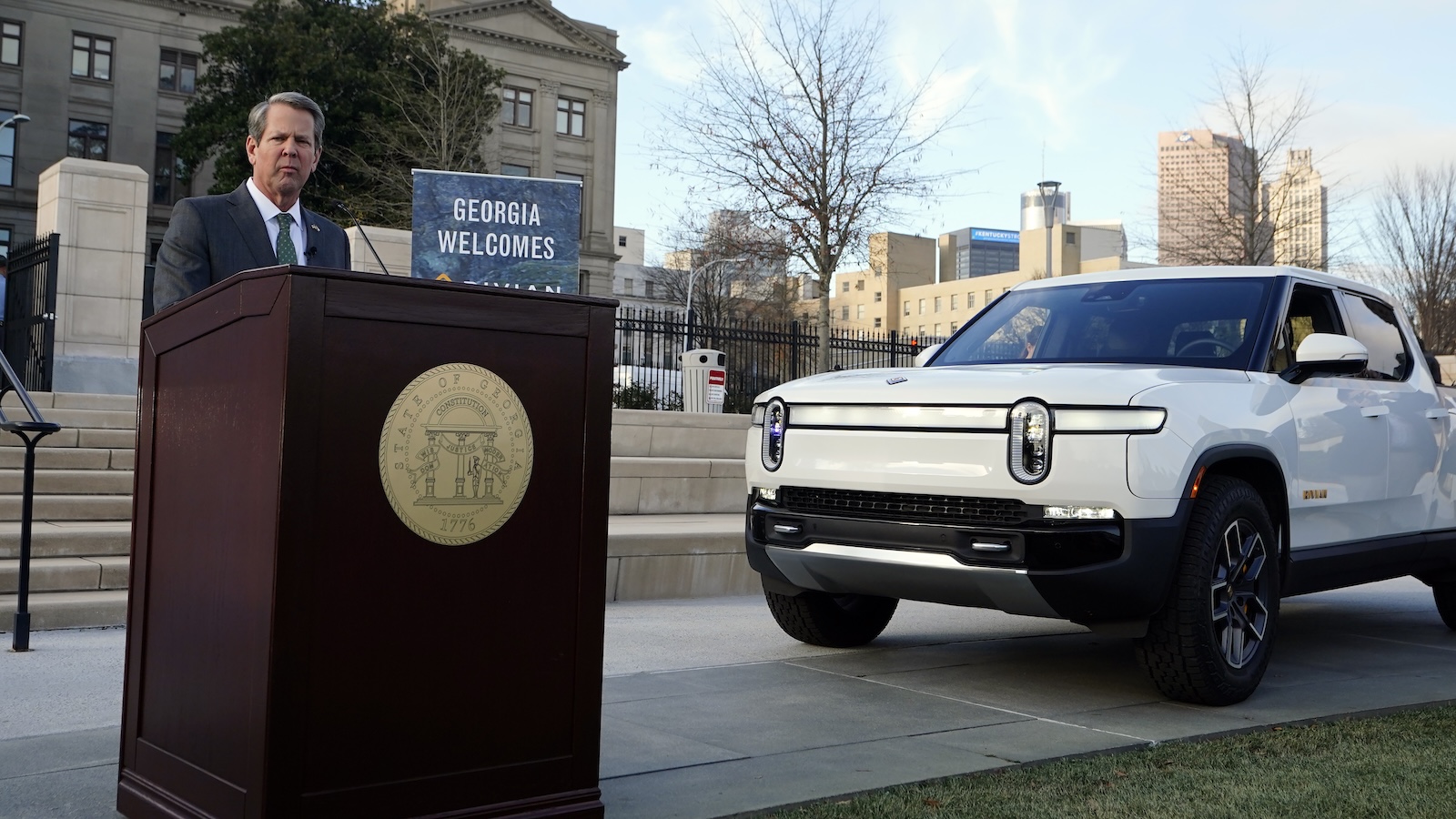
Data compiled by SACE highlights the scale of the recent industrial correction. Although Georgia retains its status as the Southeastern leader in EV and battery manufacturing, the sector has experienced notable friction. High-profile setbacks, including workforce layoffs at SK Battery operations earlier this year, point to broader market cooling. Across the broader Southeast region, more than $4 billion in clean energy manufacturing investments have either been officially canceled or significantly scaled back over the past twelve months.
However, industry analysts note that these contractions represent a fraction of the cumulative capital deployment. SACE data reveals that nearly $74 billion in active clean energy manufacturing investments are still moving forward across the state. The central question moving forward is not whether the infrastructure will be built, but whether domestic consumers will ultimately absorb the inventory rolling off Georgia assembly lines.
The Domestic Adoption Puzzle and Policy Incongruity
A paradox at the heart of Georgia’s clean energy strategy is the disconnect between industrial manufacturing and consumer adoption policies. While state leadership has aggressively incentivized multinational corporations to establish factories within its borders, Georgia conspicuously lacks consumer-facing incentives designed to encourage the purchase of electric or hybrid vehicles.
Compounding this absence of purchase support, the state levies a specialized annual registration fee on alternative-fuel vehicles, ostensibly designed to offset lost revenue from state gasoline taxes. Industry advocates argue that this policy environment creates mixed signals for the local populace.
"When it comes to electric vehicles, Georgia politics remains utterly confused," Cross observed.
This policy void has forced private sector stakeholders to take the initiative. Automotive heavyweights Kia and Hyundai have joined forces in a private charging infrastructure consortium known as IONNA. The enterprise has successfully deployed numerous high-speed DC fast-charging stations throughout Georgia, including a prominent installation directly on the grounds of the West Point manufacturing facility.
Concurrently, regional electric utilities are stepping up their investments in supporting infrastructure. According to SACE metrics, utility-led capital expenditures dedicated to EV charging deployment increased by 14 percent over the past year.
"Though we’re not seeing a lot of activity on the legislative side, we do see potential on the regulatory side and really are encouraging Georgia Power to step up and help kind of fill the void that policymakers in the state are creating," Cross said.
Broader Implications and Future Outlook
As the dust settles on a tumultuous period of regulatory realignment, industry experts remain cautiously optimistic about the long-term viability of Georgia’s clean energy ecosystem. Analysts suggest that the physical presence of advanced manufacturing facilities within the state will eventually cultivate organic consumer demand through workforce familiarity and regional economic integration.
"It’s like that familiarity, right?" Valdez-Streaty noted, pointing to the psychological impact of local employment. "People have jobs at those companies and familiarity with those products."
While the market has undoubtedly endured an eighteen-month period of extreme volatility, industry consensus suggests that the transition toward vehicle electrification has not been derailed—merely delayed. By demonstrating remarkable agility through hybrid diversification and supply chain adaptation, Georgia’s manufacturing sector is proving that industrial resilience can withstand even the most severe policy whiplash.