The US Open scheduling crisis: Is the sport’s push for prime-time spectacle costing players their health and integrity

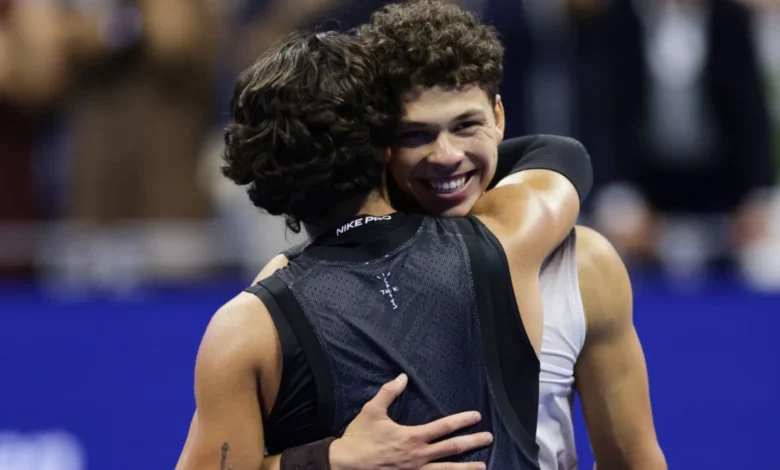
The clock struck 3:33 a.m. in New York City, signaling the conclusion of a high-octane five-set thriller between Ben Shelton and Carlos Alcaraz at Arthur Ashe Stadium. As the final ace sealed the result, thousands of exhausted but exhilarated spectators remained, their cheers echoing through the concrete bowl of the world’s largest tennis venue. While the match provided the sort of dramatic theatre that the US Open markets globally, it also reignited a fierce debate within the sport: have the tournament’s scheduling demands pushed the physical and professional limits of tennis players to a breaking point?
The reality of the modern US Open is one of grand spectacle, where night sessions serve as the crown jewel of the broadcast schedule. However, the logistical reality on Tuesday was that the Alcaraz-Shelton showdown did not even commence until well past 11:00 p.m., a consequence of three preceding matches that stretched the afternoon and evening program to its limit. This pattern, while lucrative for television networks and high-energy for the live audience, has become a recurring point of contention among athletes, coaches, and former champions.
A Chronology of Fatigue
The scheduling pressure at the US Open is not a new phenomenon, but the frequency of "early-morning" finishes has increased significantly in recent years. To understand the gravity of the situation, one must look at the timeline of the event’s progression. As the tournament reaches the quarter-final and semi-final stages, matches are inherently more competitive, often involving top-ranked players who fight for every point. When these matches go to five sets, the time required to complete them is unpredictable.
On the night of the Shelton-Alcaraz encounter, the schedule was backloaded. By the time the players stepped onto the court, the atmosphere was thick with anticipation, yet the professional consequences were immediate. For a professional athlete, performance is contingent upon a rigid regimen of recovery, nutrition, and rest. When a match ends at 3:33 a.m., the physiological process of winding down, coupled with media obligations and the necessary cool-down routines, means that players likely do not return to their hotels or residences until sunrise. This effectively destroys any possibility of a standard recovery cycle, leaving the athletes to face the next day—or their next match—with a severely compromised biological clock.
Historical Context and Statistical Trends
The US Open is not alone in grappling with late-night finishes, yet it remains the most frequent offender in the professional circuit. Historically, tennis matches have often defied the clock, but the recent trend suggests a departure from traditional sporting norms. Looking at the record books, the latest finishes in tennis history have largely been concentrated in the modern era, where the demand for evening television windows has skyrocketed.
The match between Alexander Zverev and Jenson Brooksby in Acapulco in 2022, which concluded at 4:54 a.m., remains the gold standard for "extreme scheduling." However, the Australian Open has also seen multiple matches cross the 3:00 a.m. threshold, including Andy Murray’s epic victory over Thanasi Kokkinakis in 2023, which finished at 4:05 a.m. The addition of the Shelton-Alcaraz match to this list, with a 3:33 a.m. conclusion, underscores that these are not isolated incidents but a systemic byproduct of the current tournament model.
Stakeholder Reactions: The Divide
The reaction to these late-night finishes has been sharply polarized. On one side are the broadcasters and tournament organizers, who view the night session as an essential component of the US Open brand. The energy of a packed Arthur Ashe Stadium at midnight is a powerful marketing tool that draws global viewership.
Former world No. 1 Martina Navratilova has been one of the most vocal critics of this trend, arguing that it compromises the integrity of the sport. Her sentiment—that no other major professional sport would force a start time of 11:00 p.m.—resonates with many who believe that the health and performance of the players should take precedence over broadcast slots.
Conversely, figures like Andy Roddick have offered a more pragmatic defense of the status quo. In his view, the logistical challenge of moving 25,000 people in and out of a massive stadium requires a continuous flow of play. Roddick has often pointed out that the critics of late-night matches rarely provide a viable economic or logistical alternative. If the sport is to maintain its massive fan engagement, the schedule must accommodate the demands of the global audience, even if that means extending into the early hours of the morning.
The Physical and Mental Toll
The impact of these hours on the players cannot be overstated. Aryna Sabalenka, speaking on the impact of erratic scheduling, highlighted the "ripple effect" that a late finish has on the entire tournament. One late match can throw off a player’s rhythm for several days. Recovery is not just about sleep; it is about the entire circadian rhythm, which includes meal times, warm-up windows, and mental preparation.
Venus Williams, a veteran of the sport, has echoed these concerns, noting that starting a match after midnight is "not ideal." When players are forced to compete at a time when the body is biologically programmed to rest, the quality of play can fluctuate, and the risk of injury rises. The mental fatigue of knowing that a match could last until dawn also adds an unnecessary layer of psychological stress to the athletes.
Potential Solutions and Future Outlook
The conversation surrounding a solution is gaining momentum. Marion Bartoli, the former Wimbledon champion, has proposed a more nuanced approach to scheduling. She suggests that while two matches per night session might be acceptable in the first week of a tournament—when matches are often shorter or more lopsided—the quarter-finals and onwards should be limited to a single marquee match per night session. This would provide a buffer, ensuring that even if a match goes to five sets, the disruption to the following day’s schedule is minimized.
Another potential solution involves earlier start times for the evening sessions, though this conflicts with the reality of the American workforce and the logistical challenges of getting fans into the stadium after work hours. There is also the option of moving matches to secondary courts, but the commercial value of Arthur Ashe Stadium makes this a difficult sell for the tournament’s stakeholders.
Ultimately, the US Open finds itself at a crossroads. The tournament is a victim of its own success; the popularity of the event and the high quality of the players create a product that fans demand to watch in real-time. However, if the sport wishes to protect its most valuable assets—the players—a re-evaluation of the scheduling structure is inevitable.
As the tennis world moves forward, the debate will likely continue to center on the balance between commercial interests and athletic well-being. Whether the tournament will adopt a "one-match-per-night" policy for the later rounds or continue to prioritize the "prime-time" spectacle remains to be seen. What is clear, however, is that the 3:33 a.m. finish has become a catalyst for a necessary conversation about the sustainability of the modern tennis calendar. The sport must decide if the thrill of the midnight finish is worth the cost of the athletes’ recovery, or if it is time to turn the lights out a little earlier in Queens.
Related posts: