Activists Target Costa Farms in Multi-State Protests Over Extreme Heat Protections for Plant Nursery Workers


The scorching heat of late summer was still blanketing the rolling hills of Leicester, North Carolina, just outside Asheville, when a determined coalition of labor advocates and community members marched past the gates of a sprawling Costa Farms plant nursery. Taking place on the Tuesday immediately following Labor Day, the demonstration was not an isolated event. It formed part of a coordinated, multi-state day of action organized by WeCount, a prominent worker-led labor and human rights organization. The target was clear: Costa Farms, recognized globally as the largest commercial grower of indoor houseplants.
As sunlight beat down mercilessly on rows of humid greenhouses where laborers tended to thousands of marketable plants, the activists pressed forward. Their immediate objective was to deliver a formal petition to the nursery’s management, demanding enforceable measures to safeguard workers against soaring temperatures. Among the delegation was Oscar Rozo, an Episcopal clergyman who regularly ministers to Spanish-speaking immigrant communities across Western North Carolina. Standing inside the facility’s administrative hallway, Rozo addressed company managers directly.
“We’re part of the community,” Rozo stated during the peaceful confrontation. “The nursery industry has been part of Asheville’s economy.” Although curious nursery employees paused their work to observe the procession, they kept their distance, wary of direct engagement under the watchful eyes of their supervisors. Concurrently, hundreds of miles away in Apoka, Florida, WeCount co-executive director Oscar Londono helped deliver an identical petition to another Costa Farms facility. Labeling the synchronized actions a historic milestone, Londono emphasized that the campaign represents only the opening salvo in a broader, sustained labor movement across the American South.
A Growing Movement Rooted in Worker-Driven Social Responsibility
The protests in North Carolina and Florida are the manifestation of WeCount’s newly launched initiative, titled the Planting Justice campaign. Designed to protect outdoor laborers across Southern states, the campaign seeks to hold mega-corporations accountable while simultaneously raising consumer awareness regarding the true human cost of cultivating ornamental greenery. The operational model driving this initiative is known as worker-driven social responsibility (WSR)—a framework that shifts workplace governance from top-down corporate compliance to enforceable agreements shaped directly by the employees.
WeCount’s strategy draws heavy inspiration from the Fair Food Program, widely regarded as the gold standard for agricultural labor rights in the United States. Established in 2011 by the Coalition of Immokalee Workers in Florida, the Fair Food Program has successfully utilized market pressure to eliminate severe labor abuses, enforce zero-tolerance policies for sexual harassment and wage theft, and secure continuous improvements in safety standards. For instance, while drinking water has long been a baseline requirement under the program, advocates successfully negotiated the mandatory provision of electrolyte beverages and nutritional supplements year-round to combat escalating heat stress.
Labor organizers argue that traditional legislative avenues for protecting outdoor workers are increasingly constrained by political opposition. These limitations became glaringly apparent in Florida earlier this year. Prior to the 2024 legislative session, WeCount spearheaded an ambitious campaign in Miami-Dade County to establish a municipal heat standard. Public health projections estimated that heat-related mortality rates in the county would spike by as much as 600 percent during extreme weather events. However, business coalitions lobbied heavily against the measure. In response, Florida Governor Ron DeSantis signed legislation preempting local governments from enacting independent workplace heat regulations, arguing that patchy municipal rules could trigger severe economic disruptions. With local and federal protections stalled, labor advocates turned directly to corporate supply chains.

The Escalating Crisis of Extreme Heat in American Agriculture
The push for mandatory workplace heat protections occurs against a backdrop of worsening global climate conditions. Meteorological data consistently confirms that summer temperatures are climbing year after year, driven by anthropogenic climate change. Scientific consensus designates extreme heat as the deadliest form of severe weather in the United States, surpassing the combined fatalities of hurricanes, floods, and tornadoes.
Despite the catastrophic risks, official mortality figures drastically underreport the true scope of the occupational heat crisis. A comprehensive two-year journalistic and academic investigation conducted by Boston University and National Public Radio (NPR) revealed that thousands of heat-related worker fatalities go uncounted or are misclassified on death certificates.
For years, labor unions, public health experts, and community organizations have lobbied the federal government to implement a comprehensive OSHA (Occupational Safety and Health Administration) heat standard. Such a rule would establish uniform, legally binding requirements for employers across all industries to mitigate heat-related illnesses. Although OSHA made preliminary progress toward formulating a federal heat rule under the Biden administration, those regulatory efforts have encountered fierce political headwinds and potential legislative derailment in Congress.
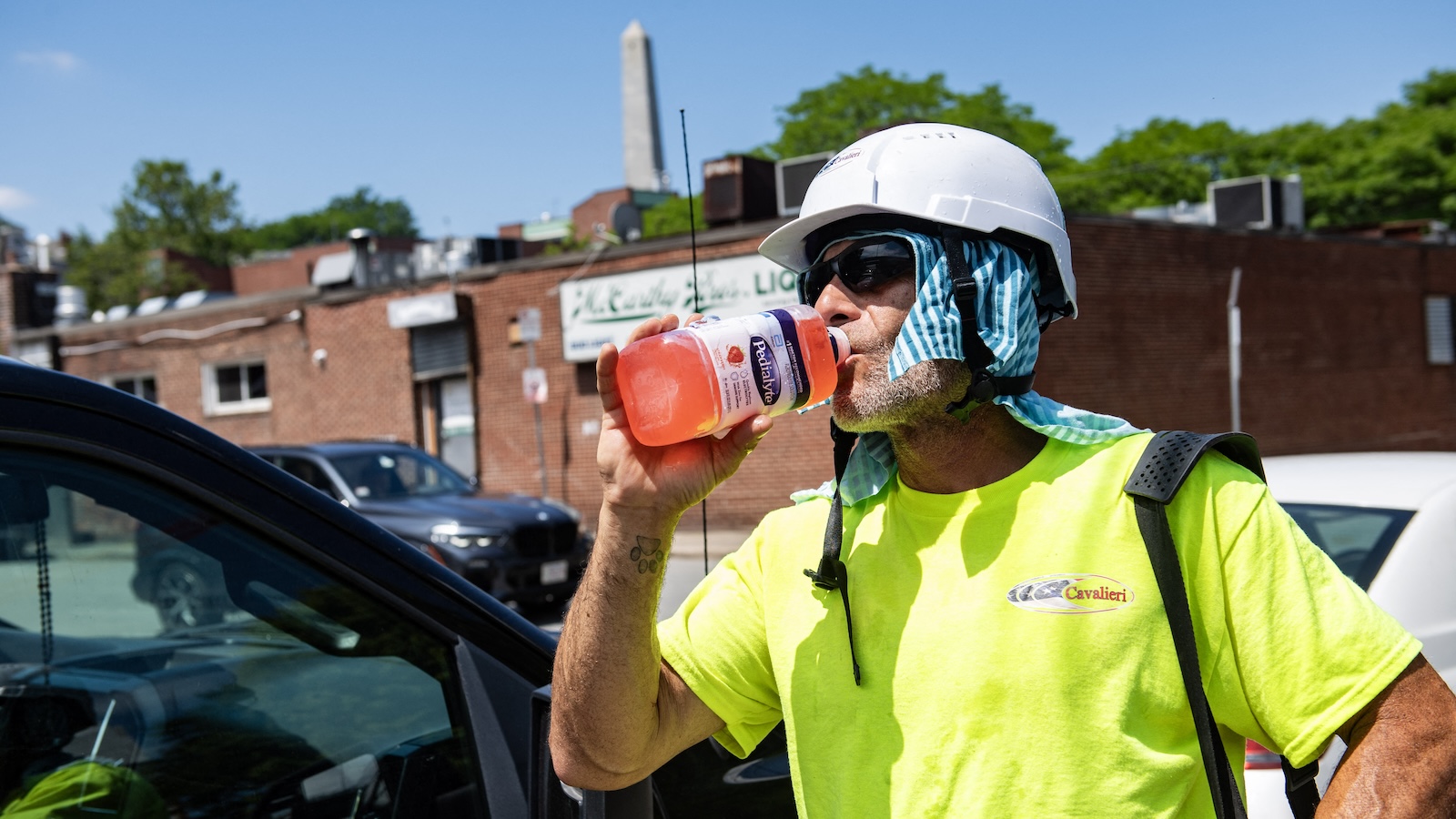
For agricultural workers, the regulatory vacuum is uniquely perilous. Plant nursery workers, who handle live foliage directly, are explicitly excluded from federal collective bargaining protections under the antiquated National Labor Relations Act of 1935. Consequently, they possess virtually no statutory mechanism to form unions or collectively negotiate their working conditions. Compounding this vulnerability, public health data indicates that agricultural workers are more than 35 times more likely to die from heat-related illnesses than employees in almost any other industrial sector.
Corporate Responses and Workplace Realities
In response to mounting public scrutiny and the delivery of the WeCount petitions, Costa Farms defended its existing safety protocols, pointing to numerous accolades and operational safeguards. Ariana Cabrera de Oña, the company’s senior vice president, general counsel, and head of human resources, issued a formal statement asserting that the grower maintains exemplary standards.
“We have a full-time, on-site nurse with a functional medical clinic and our robust heat protection policy is aligned with the proposed OSHA heat safety rules,” Cabrera de Oña stated. According to company literature, Costa Farms instituted daily five-minute safety briefings for supervisors and workers following the devastation wrought by Hurricane Helene in North Carolina, encouraging open dialogue regarding local weather forecasts and heat risks. Furthermore, company representatives maintain that when specific wet-bulb globe temperature thresholds are breached, management automatically deploys additional hydration stations and increases the frequency of mandatory rest breaks.
However, the lived experiences of nursery employees paint a starkly contrasting picture. The primary objective of WeCount’s Planting Justice campaign is to compel Costa Farms to adopt a binding code of conduct. This code outlines straightforward, enforceable mandates: comprehensive training for both workers and managers to recognize early symptoms of heat exhaustion and heatstroke; guaranteed access to shaded rest areas, clean drinking water, and paid recovery breaks; and transparent protocols for monitoring and responding to microclimates within greenhouses.
While corporate leadership insists that adequate hydration is readily available, workers have raised serious concerns regarding water quality. Oscar Londono noted that employees at multiple facilities have frequently reported drinking water tainted by strong chemical odors and coolers contaminated with visible mold. These grievances were corroborated by Alejandro Gonzalez, a Costa Farms nursery worker originally from Guatemala, who spoke at a mobilization rally in Florida. Testifying through an interpreter, Gonzalez stated that summer temperatures inside the greenhouses frequently exceed 110 degrees Fahrenheit.
“They don’t give us cold or clean water,” Gonzalez declared. “They don’t provide any breaks or shade.”
The systemic vulnerability of the agricultural workforce is further exacerbated by immigration status. Data compiled in a comprehensive WeCount survey titled The Human Cost of Houseplants reveals that 86 percent of responding Costa Farms employees experienced dangerous occupational incidents, ranging from acute heat illness and pesticide exposure to severe machinery accidents. Furthermore, over two-thirds of respondents reported being systematically denied legally mandated breaks and scheduled days off. Because a significant portion of the workforce relies on H-2A agricultural guestworker visas or remains undocumented, employees possess limited legal recourse. Their housing, livelihood, and legal status are frequently tethered directly to their employers, creating an environment of intense dependency that deters workers from reporting safety violations.
Broader Implications and the Road Ahead
The day of action concluded without formal dialogue between management and the activists. Shortly after entering the administration building at the Leicester facility, the delegation was instructed to vacate the premises. They peacefully complied after successfully leaving the petition with administrative staff.
Nevertheless, WeCount officials emphasize that the Leicester demonstration was merely the opening phase of a sustained national campaign. Beyond pressuring agricultural growers directly, labor advocates are expanding their strategy to target major corporate retailers—including home improvement giants like Home Depot and multinational furniture retailers like IKEA—that source their inventory from Costa Farms. By leveraging consumer demand, activists hope to force retail corporations to adopt strict procurement policies that restrict supply contracts exclusively to agricultural producers who sign and adhere to worker-backed safety codes.
As climate change continues to drive unprecedented summer heatwaves across the globe, the intersection of labor rights, public health, and corporate accountability remains a central battleground in the American South. For workers like those tending houseplants in North Carolina and Florida, the struggle for basic survival necessities—shade, clean water, and the right to rest—remains an urgent, daily battle for dignity.
Related posts: