The Evolution of Intimate Wellness: A Comprehensive Guide to Modern Male Masturbators and Sex Technology

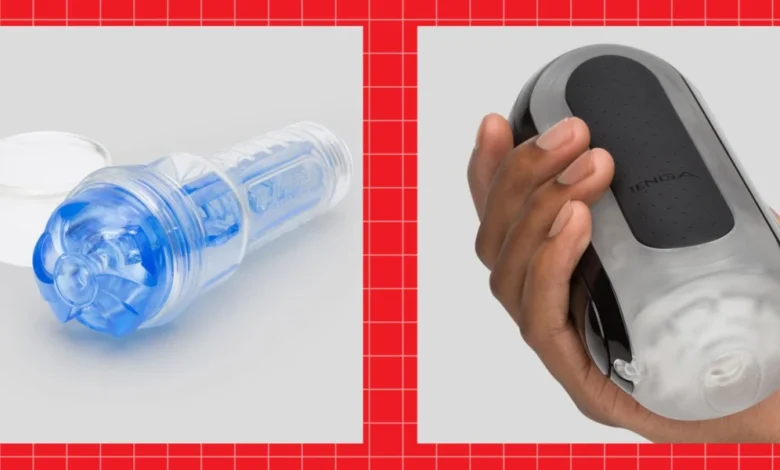
The landscape of intimate wellness for men has undergone a profound transformation over the last three decades, shifting from a niche, stigmatized market toward a sophisticated sector defined by ergonomic design, advanced materials, and technological innovation. While the history of male masturbation products dates back to the late 20th century with the popularization of the original Fleshlight in 1997, the current market features an array of devices ranging from simple, single-use sleeves to high-end, AI-integrated stimulators. This shift reflects broader societal trends regarding sexual health, where consumers are increasingly prioritizing self-care, longevity, and the exploration of diverse sensory experiences.
Historical Context and Market Maturation
In the mid-1990s, the introduction of the Fleshlight marked a pivotal moment for consumer sex toys, establishing a standard for realistic internal textures. For years, the market remained relatively static, dominated by similar silicone or TPE (thermoplastic elastomer) sleeves. However, the last decade has seen a surge in research and development. Companies like Tenga, Lelo, and Arcwave have entered the space, applying engineering principles to sexual wellness.

The growth of this sector is underpinned by increasing public discourse on sexual health. According to various industry reports, the global sex toy market is projected to reach significant valuation milestones by 2030, driven by destigmatization and the integration of e-commerce. As sexual wellness is increasingly categorized under the umbrella of "holistic health," manufacturers have pivoted to emphasize not just physical pleasure, but the physiological benefits of tension release and stress reduction.
The Spectrum of Modern Devices
Modern masturbators can be categorized into three primary tiers: entry-level disposable products, mid-range high-performance sleeves, and premium, tech-heavy devices.
The entry-level segment, exemplified by products like the Tenga Egg, serves as an accessible introduction to the market. These single-use items are designed for convenience and affordability. Despite their low price point, they utilize advanced materials that are remarkably stretchy, allowing for a universal fit. Their design demonstrates a focus on minimizing the "barrier to entry," making them an ideal choice for individuals who desire occasional use without the commitment of cleaning or storing a permanent device.

Mid-range devices represent the workhorses of the industry. The Tenga Flip Zero, for instance, focuses on structural innovation. By utilizing a "flip-open" design, the device addresses one of the primary consumer pain points: hygiene. The ability to open the sleeve completely allows for thorough cleaning and drying, mitigating the risk of bacterial buildup that often plagued older, closed-tube models. These devices often feature intricate internal ribbing and chambers, which provide varied pressure sensations that mimic human-like touch, moving away from the uniform texture of earlier products.
Premium devices, such as the Lelo F1S V3 and the Arcwave Ion 2, represent the cutting edge of "sextech." These devices often incorporate features like SenSonic technology, which utilizes sonic waves or air pressure rather than traditional friction. The integration of AI in models like the Lelo F1S V3 allows the device to adapt to a user’s movement patterns, effectively creating a personalized stimulation profile. These innovations suggest a future where intimacy products act as extensions of the user, rather than static tools.
Technological Advancements and User Experience
The integration of technology has redefined the user experience. For many, the transition from manual, friction-based stimulation to pneumatic or sonic stimulation has been significant. The Arcwave Ion 2, for example, utilizes air pressure—a technology popularized by clitoral suction toys—to stimulate the frenulum. This shift acknowledges that different parts of the male anatomy respond better to distinct types of stimulation, such as pressure, pulse, or suction, rather than simple rhythmic stroking.

Furthermore, connectivity has become a key feature. Bluetooth-enabled devices allow for remote control via mobile applications, a feature that has gained popularity among long-distance partners. This technological capability transforms a solitary act into a shared experience, reflecting the evolving ways in which couples maintain intimacy in a digital age.
Maintenance, Hygiene, and Practicality
A recurring challenge in the development of male masturbators is the trade-off between intensity and maintenance. While high-end materials like TPE or silicone offer a realistic feel, they require diligent care. The industry has responded by developing specific cleaning solutions and accessories, though user feedback often highlights a desire for more comprehensive guidance out of the box.
Expert analysis from professionals, such as Dr. Justin Lehmiller of the Kinsey Institute, suggests that the "grip" and "tightness" of a device are critical factors in user satisfaction. Modern designs often include adjustable pressure settings, allowing users to customize the level of constriction. However, the "grab-and-go" simplicity of early toys is often lost in more advanced models, which may require batteries, charging, specific cleaning agents, and more involved drying processes. Consequently, consumers are encouraged to view these devices as investments in a routine rather than impulsive purchases.

Implications for Sexual Health and Wellness
The normalization of these devices has broader implications for sexual health. By providing alternatives that mimic human-like sensations without the risk of disease transmission or the complexity of interpersonal dynamics, these products serve as tools for self-discovery.
Industry experts often point out that the diversity of sensations available in modern sleeves—ranging from the soft, textured internal structures of the Flip Zero to the air-wave pulses of the Arcwave—can help prevent the "boredom" associated with routine, manual masturbation. This variety is not merely for novelty; it is an acknowledgment that individual preferences are diverse and that sexual wellness should be as personalized as any other aspect of personal care.
Furthermore, the rise of companies that prioritize social responsibility, such as Tenga’s support for LGBTQ+ organizations, indicates a shift toward brands that align with consumer values. As the industry continues to mature, it is likely that we will see an increased emphasis on sustainable materials and even more refined AI-driven interfaces.

Conclusion
The evolution of male masturbators from simple, discreet tubes to high-tech, AI-integrated wellness devices mirrors a larger cultural shift toward the open, informed discussion of male sexual health. While the market is flooded with various options—from seven-dollar disposables to multi-hundred-dollar premium stimulators—the core value proposition remains the same: the provision of a safe, hygienic, and highly customizable means of enhancing personal intimacy.
As consumers continue to prioritize their sexual well-being, the market is expected to continue its trajectory of innovation. For the average user, the primary takeaway is the importance of understanding one’s personal preferences, the necessity of proper hygiene practices, and the value of investing in products that align with one’s lifestyle. The modern era of intimate wellness is not just about the toys themselves, but about the empowerment of the individual to prioritize their own pleasure and health in a manner that is both sophisticated and sustainable.