The transformation of Ukraine’s national energy architecture from a centralized legacy system into a resilient, distributed network of renewable power sources stands as one of the most remarkable logistical adaptations of the ongoing conflict. Since the escalation of the full-scale Russian invasion in February 2022, Ukraine’s critical infrastructure—particularly its power plants, substations, and high-voltage transmission lines—has been systematically targeted by waves of missile and drone strikes. These continuous bombardments have inflicted catastrophic damage on the country’s energy sector, resulting in severe power deficits, rolling blackouts, and localized humanitarian crises during brutal winter months.
In response to this existential threat to the nation’s functioning, a grassroots and corporate movement has accelerated across the country. Private businesses, residential apartment complexes, municipal authorities, and humanitarian organizations are rapidly pivoting away from vulnerable, centralized power generation. Instead, they are embracing distributed renewable energy systems, primarily rooftop and commercial solar installations paired with battery storage. This decentralized approach not only insulates everyday citizens and commercial enterprises from total grid failure but also establishes a model of energy security that could permanently alter Eastern Europe’s energy landscape.
The Cracking Foundation of a Centralized Legacy Grid
Before the events of 2022, Ukraine operated within an energy paradigm inherited from the Soviet era, characterized by high centralization and heavy reliance on massive base-load facilities. More than half of the nation’s electricity was generated by four sprawling nuclear power plants, while coal-fired and natural gas-powered thermal stations supplied roughly a quarter of the energy mix. While the country had made initial strides toward green energy development—most notably through a lucrative "green tariff" program introduced years prior to encourage commercial solar and wind deployment—renewables still accounted for a modest share of overall capacity.
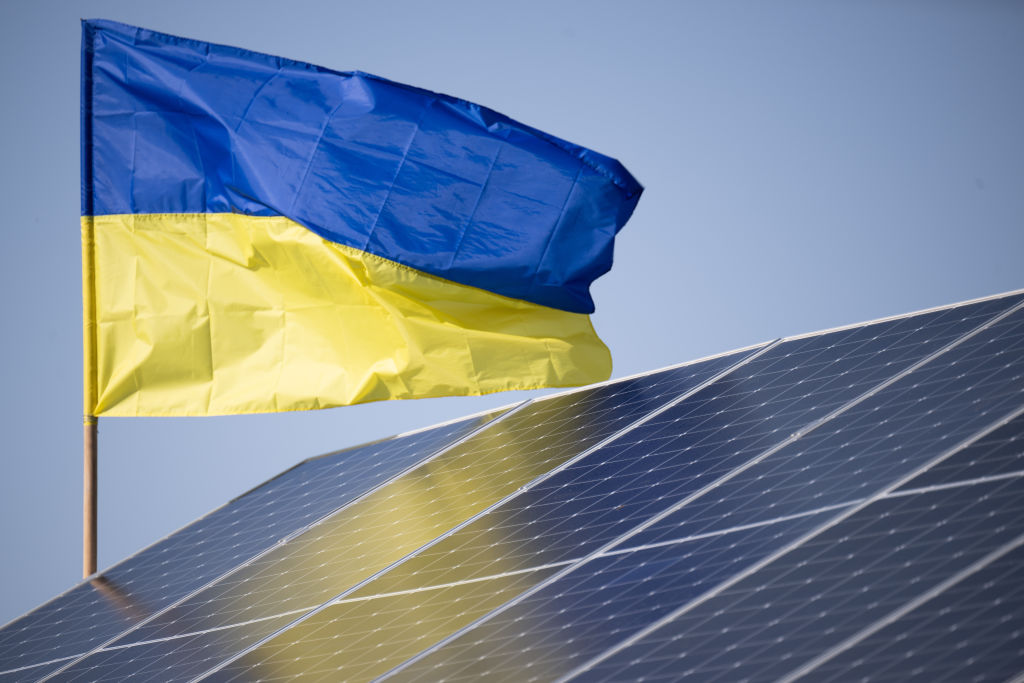
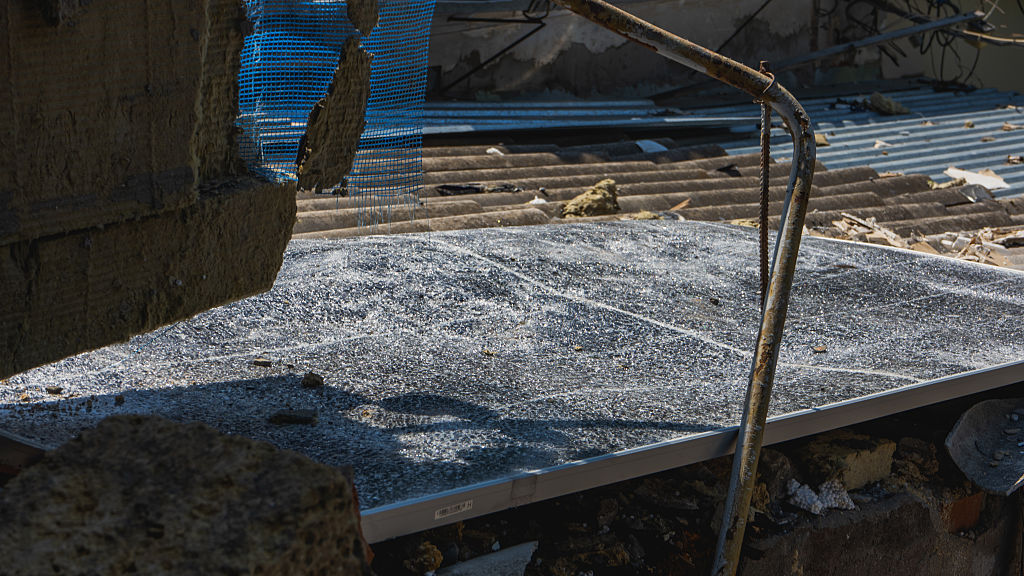
By 2022, targeted government incentives had spurred Ukrainian businesses to install approximately 8 gigawatts of solar capacity. However, the onset of full-scale hostilities shattered this centralized framework. The catastrophic seizure and subsequent shutdown of the Zaporizhzhia nuclear power plant in southeastern Ukraine—the largest nuclear power station in Europe—deprived the national grid of a massive and vital energy source. Simultaneously, nearly 30 percent of the country’s installed solar capacity and the vast majority of its 36 wind farms, heavily concentrated in the windy southern steppes, were either physically destroyed, fell under Russian military occupation, or became completely inaccessible for routine maintenance and grid integration.
As Russian forces turned their sights on the nation’s transmission grid and thermal generation facilities, the cumulative damage skyrocketed. According to reports from Ukraine’s National Bank, systematic infrastructure attacks drastically worsened national electricity deficits, forcing regulators to escalate deficit projections from 3 percent to 6 percent. Major urban centers, including the capital city of Kyiv, were subjected to severe electricity rationing, with scheduled and emergency power outages lasting for multiple hours a day. During the winter months, when ambient temperatures plummeted well below freezing, energy shortages left millions of residents struggling without adequate heating, running water, or lighting. The vulnerability of a grid dependent on a handful of massive targets became starkly apparent, necessitating an urgent diversification strategy.
The Pivot to Distributed Solar and Government Incentives
Recognizing that large, centralized power stations could be systematically dismantled from the air, Ukraine pivoted toward a strategy of radical decentralization. The core philosophy guiding this transition is simple: smaller, distributed energy assets are significantly harder for an adversary to target effectively, and when localized damage does occur, they can be repaired, replaced, or bypassed far more quickly than multi-billion-dollar power plants.
This strategic shift has triggered a massive boom in the country’s renewable energy sector. Data from the Solar Energy Association of Ukraine indicates that approximately 1.5 gigawatts of new solar capacity were constructed in 2025 alone—representing a nearly twofold increase compared to the previous year’s total. Projections for subsequent years indicate that installation rates will continue at this accelerated pace, driven by both corporate necessity and supportive national policies.
To facilitate this nationwide transition, the Ukrainian government implemented targeted financial instruments designed to ease the capital burden of renewable installations. Among the most successful initiatives is the "Affordable Loans 5-7-9" program. Originally established to support small and medium-sized enterprises, the program was expanded to provide preferential loans specifically earmarked for the purchase and installation of solar panels, inverters, and backup battery storage systems. Depending on the classification of the business, these loans feature subsidized interest rates of 5, 7, or 9 percent and can cover up to 80 percent of the total project implementation costs.
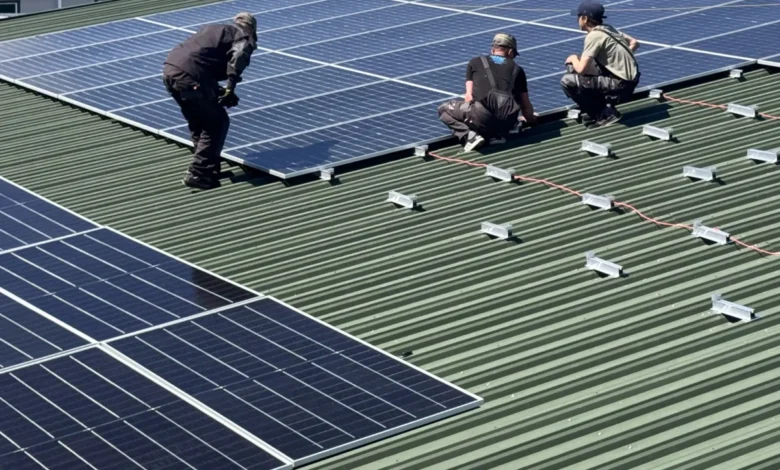
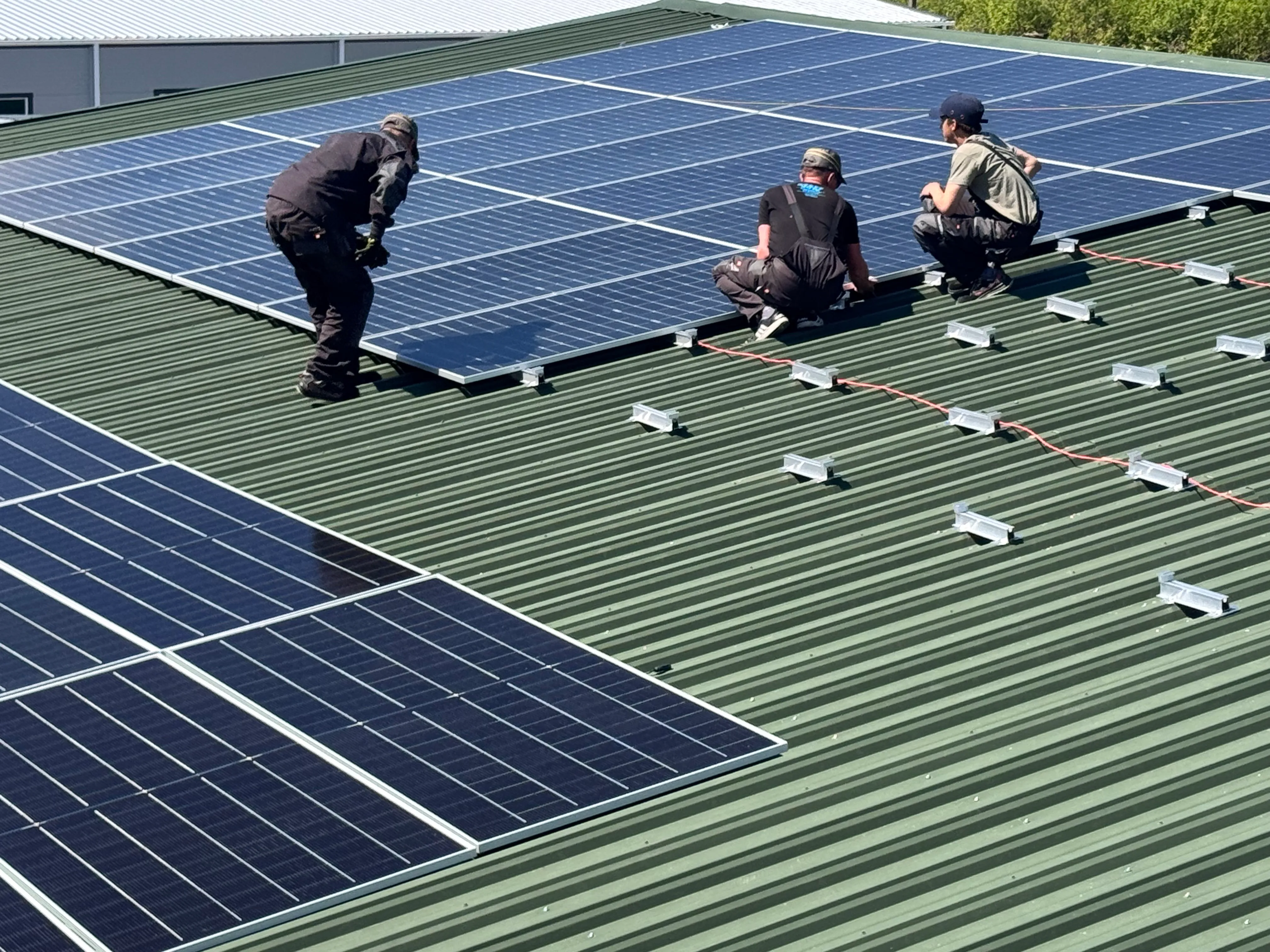
Commercial enterprises throughout the country have eagerly utilized these financial mechanisms. For instance, in the central Ukrainian town of Bila Tserkva, the owner of a door-manufacturing facility faced crippling operational hurdles as rolling blackouts and power cuts disrupted production lines. During the coldest winter weeks, employees had to burn scrap wood in warehouse fireplaces merely to maintain a workable ambient temperature. Faced with exorbitant diesel generator fuel costs and an unreliable grid, the facility partnered with Yasno, a leading private Ukrainian electricity and gas supplier, to install a comprehensive rooftop solar array financed through government-backed incentives. For business owners navigating the wartime economy, the choice to go solar is viewed not merely as an environmental statement, but as a critical survival metric that ensures business continuity, economic viability, and energy independence.
Residential Adaptations and the Urban Frontline
The renewable energy revolution in Ukraine extends far beyond industrial warehouses and commercial parks; it has deeply penetrated residential housing and municipal infrastructure. Urban centers like Kyiv have borne the brunt of winter energy deficits, forcing apartment building management companies and housing cooperatives to seek independent technological solutions.
During the freezing winter months when outdoor temperatures dropped to extreme lows, Kyiv faced an acute crisis, with the city administration reporting access to only half of the electricity required to sustain basic municipal functions. President Volodymyr Zelenskyy declared a state of emergency as critical heating networks failed. For urban residents living in high-rise apartment complexes, a loss of electrical power simultaneously means a loss of water pumps, elevator services, and central heating boilers.
To mitigate these risks, residential buildings across the capital have begun utilizing the 5-7-9 loan framework and private fundraising to mount photovoltaic panels on residential rooftops. These systems are strategically engineered to power essential building infrastructure during grid blackouts—keeping water systems pressurized, emergency lights functional, and heating boilers operational. For everyday citizens, the integration of solar power has transformed from an abstract sustainability concept into an essential lifeline.
Beyond major cities, the need for renewable energy is even more acute in settlements directly adjacent to the active frontlines. In towns and villages situated within artillery and drone range, conventional electrical infrastructure is frequently pulverized beyond recognition. Repair crews attempting to fix downed high-voltage lines or shattered local substations often face immediate danger from ongoing shelling and loitering munitions, leaving frontline communities entirely cut off from the national grid for months at a time.
Grassroots Solar and Humanitarian Intervention
In these high-risk peripheral regions, where state utilities cannot safely operate, a coalition of grassroots volunteer networks, local civil society organizations, and international nongovernmental organizations has stepped into the void. Dedicated humanitarian groups—such as Kosmo Tabir and various international climate partnerships—have mobilized to deliver mobile solar kits, heavy-duty battery storage units, and rooftop panels directly to frontline villages.
The acquisition of these resources relies on a hybrid funding model, combining international philanthropic donations from Western allies with small-scale local crowdfunding campaigns inside Ukraine. These decentralized micro-grids provide immediate, life-sustaining services to residents who would otherwise remain completely isolated. In heavily shelled rural areas, a single residential solar installation equipped with a battery bank can mean the difference between total isolation and basic survival. Powering a simple Wi-Fi router or satellite terminal allows a displaced civilian to contact emergency medical services, check on relatives across the country, or maintain access to remote education and professional communication.
Civil society leaders and energy analysts emphasize that under wartime conditions, energy access transcends traditional economic metrics to become a fundamental human right. Providing communities with autonomous power generation restores a vital sense of security, dignity, and agency in the face of continuous psychological and physical assault.
Long-Term Implications for European Integration and Energy Security
The rapid acceleration of Ukraine’s renewable energy sector carries profound implications for the nation’s long-term economic recovery and its strategic geopolitical orientation toward the European Union. Prior to the full-scale invasion, Ukraine had already committed to aligning its regulatory frameworks with European energy directives, aiming for eventual full integration into the EU’s internal energy market.
The wartime pivot toward a distributed, renewable-heavy architecture paradoxically aligns Ukraine with the core objectives of the European Green Deal far faster than might have occurred under normal peacetime conditions. By decentralizing generation through thousands of independent commercial, industrial, and residential solar installations, Ukraine is constructing an energy grid that is structurally modern, highly flexible, and inherently resistant to single points of failure.
Energy experts note that as reconstruction efforts eventually commence, the country will not rebuild its old, vulnerable Soviet-style centralized grid. Instead, it is laying the groundwork for a digitized, smart-grid ecosystem capable of balancing localized generation and high-capacity battery storage natively. This transformation ensures that even as Ukraine continues to navigate the immediate hardships of war, it is simultaneously engineering a clean, resilient, and modernized economic foundation designed to weather both future conflicts and the broader challenges of global climate change.