The Struggle for Ethical Gold: Navigating the Intersection of Survival, Conflict, and Ecology in Peru’s Madre de Dios Amazon

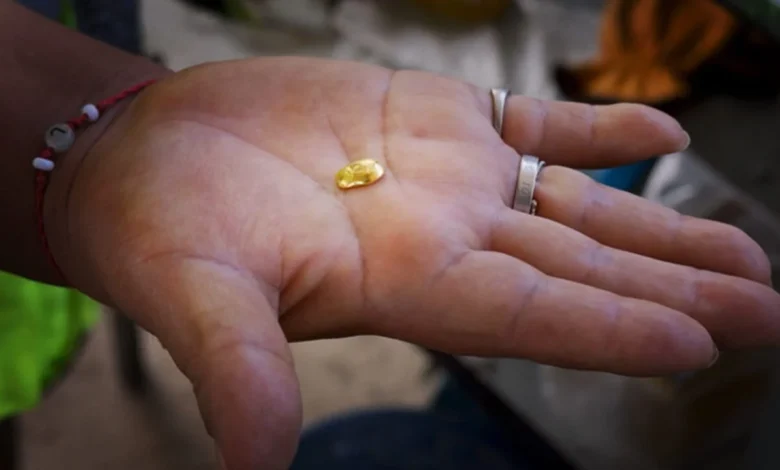
In the heart of the Peruvian Amazon, the region of Madre de Dios stands as a paradox of immense biological wealth and devastating environmental degradation. For decades, this province has served as the epicenter of Peru’s artisanal and small-scale gold mining (ASGM) sector, an industry that sustains thousands of families while simultaneously fueling the destruction of one of the planet’s most vital tropical rainforests. The town of La Pampa, once a symbol of lawlessness, has become the frontline in a complex struggle between the urgent need for economic survival and the global imperative to preserve biodiversity. As formalized mining operations attempt to pioneer "clean" extraction methods, they find themselves caught in a crossfire of government neglect, criminal infiltration, and systemic social stigma.
A Landscape Defined by Gold and Mercury
The environmental cost of mining in Madre de Dios is staggering. Gold extraction typically involves high-pressure water hoses that strip the topsoil from the forest floor, creating vast, moon-like craters where lush ecosystems once stood. To separate the gold from the gravel, miners traditionally rely on mercury, a neurotoxin that binds to gold particles. This mixture is then heated, releasing toxic vapor into the air, while the leftover mercury often finds its way into the river systems.
Data from the Monitoring of the Andean Amazon Project (MAAP) indicates that deforestation related to gold mining has permanently altered hundreds of thousands of hectares in the Madre de Dios region. The mercury contamination is equally pervasive; studies conducted by researchers from the Carnegie Amazon Mercury Ecosystem Project have consistently shown that mercury levels in the blood of local indigenous communities and fish species often exceed the limits recommended by the World Health Organization. This environmental footprint is not merely a regional issue but a public health crisis that ripples across the entire Amazon basin.
Chronology of Conflict: The Rise and Fall of La Pampa
The conflict in La Pampa is not new, but its manifestations are becoming increasingly violent. The region’s history is marked by shifting state policy and periodic crackdowns.
- 2009-2012: The initial "gold rush" era, characterized by a massive influx of migrants and the rapid expansion of illegal mining camps.
- 2016: The Peruvian government initiated "Operación Mercurio," a large-scale military and police intervention aimed at dismantling illegal mining infrastructure in the La Pampa buffer zone of the Tambopata National Reserve.
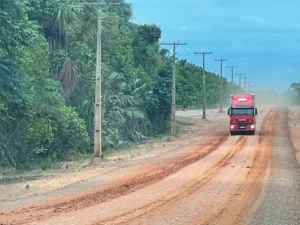
- 2019: The government launched a more permanent security presence, attempting to establish a "state of law" in the region. However, these efforts were met with immediate pushback, including road blockades on the Interoceanic Highway and violent clashes between security forces and miners who felt their livelihoods were being criminalized without viable alternatives.
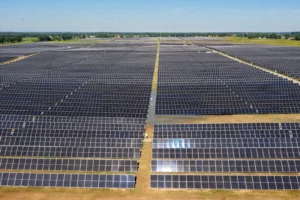
- 2020-Present: A period of fragile transition where formalized mining cooperatives are attempting to differentiate themselves from illegal operators by adopting mercury-free technologies, such as gravimetric tables and solar-powered processing units.
The Push for Formalization: Is "Clean Gold" Possible?
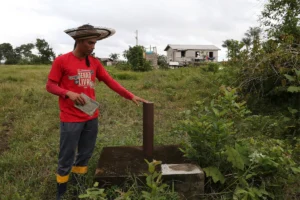
For miners like those operating in the formalized sectors of La Pampa, the goal is to decouple artisanal mining from environmental ruin. The transition involves significant capital investment and a shift in technical methodology. The use of gravimetric tables—which use water and gravity to separate gold from sediment—allows miners to recover precious metals without the use of mercury.
However, the path to formalization is fraught with bureaucratic hurdles. To be considered "formal," a miner must navigate a complex legal landscape, including obtaining environmental permits, securing water rights, and proving land ownership. For many small-scale operators, the cost of this compliance is prohibitive. "We are asked for documentation, but many people don’t have the resources to obtain it," notes one local miner. "There is no state support for the transition. We are left to navigate the bureaucracy alone, all while being branded as environmental criminals by the media and the public."
The lack of an invoice-based supply chain further complicates the issue. Without formal invoices, miners cannot sell their gold to legitimate international buyers who require proof of origin. This forces them into the informal economy, where intermediaries pay lower prices, making it even harder for the miners to afford the very technologies that would make their operations sustainable.

Official Responses and State Neglect
The Peruvian government’s response to the crisis in Madre de Dios has historically been characterized by enforcement-first policies. While authorities argue that illegal mining is inextricably linked to human trafficking, forced labor, and money laundering, representatives of the mining sector argue that the state’s failure to provide services—such as health care, education, and technical training—has pushed many into the arms of criminal syndicates.
Human rights advocates and labor organizations have suggested that the "criminalization" of all mining in the region is counterproductive. By labeling all miners as "scum," as some local community members have described the public perception, the state alienates the very people who could be the vanguard of a sustainable mining industry. Critics argue that the government must pivot from purely punitive measures toward a development-oriented approach, providing incentives for miners to adopt green technologies and helping them integrate into the formal economy.
Broader Implications and Future Outlook
The struggle in Madre de Dios serves as a microcosm for a global dilemma: how to satisfy the world’s appetite for gold—a critical component in technology and finance—without destroying the world’s most critical ecosystems.
The implications of this struggle extend beyond the borders of Peru. If formalization in La Pampa succeeds, it could provide a blueprint for other Amazonian nations, such as Brazil, Colombia, and Ecuador, which face similar challenges with artisanal mining. Conversely, if these efforts fail due to lack of support or continued state violence, the region risks sliding back into an era of unchecked, illegal exploitation that could lead to the irreversible loss of biodiversity in the Amazon.
Financial institutions and jewelry industries are also under increasing pressure to ensure that their gold supply chains are "deforested-free" and mercury-free. Initiatives like the One World Media Fellowship and various international grants are beginning to shine a light on the human element of this crisis, moving the conversation away from binary narratives of "good vs. evil" toward an understanding of the economic pressures that drive extraction.
Ultimately, the future of the Amazon may depend on whether the state and international stakeholders can move beyond the status quo. "We do have hope," says one miner, echoing the sentiments of many in the region. "We just need the state to recognize us, to provide the support to make this sustainable, and to acknowledge that we are not just polluters, but workers trying to build a future."
As the world watches the unfolding situation in Madre de Dios, the lesson is clear: environmental protection cannot be achieved in isolation. It requires a holistic approach that bridges the gap between conservation, social justice, and economic reality. Without a concerted effort to support the transition to cleaner technologies, the gold beneath the forest floor will continue to extract a price that the world can no longer afford to pay.
Related posts: