Korean Researchers Discover Kimchi-Derived Probiotic Can Help Flush Nanoplastics from the Human Body

Scientists at the World Institute of Kimchi (WiKim), operating under the auspices of South Korea’s Ministry of Science and ICT, have made a groundbreaking discovery regarding the intersection of traditional fermented foods and modern environmental toxicology. Led by Institute President Hae Choon Chang, the research team has identified a specific strain of lactic acid bacterium isolated from traditional kimchi—Leuconostoc mesenteroides CBA3656—that demonstrates a remarkable ability to bind to nanoplastic particles in the human digestive tract, thereby promoting their safe elimination from the body.
This scientific breakthrough arrives at a critical juncture in global public health and environmental science. As microscopic plastic pollution permeates nearly every corner of the Earth’s biosphere, finding viable, safe, and biologically compatible methods to mitigate internal human exposure has become an urgent priority for toxicologists and medical researchers worldwide. The findings from WiKim not only elevate the scientific understanding of traditional fermented foods but also open unprecedented avenues for developing functional probiotic interventions against persistent environmental micropollutants.
The Global Threat of Nanoplastics: From Ecosystems to the Human Body
To understand the magnitude of the WiKim research team’s achievement, one must first examine the pervasive nature of plastic pollution. Over the past century, plastics have become ubiquitous in modern manufacturing and daily life. However, macroscopic plastics do not truly disappear; rather, under the influence of ultraviolet radiation, mechanical friction, and thermal degradation, they break down into progressively smaller fragments.
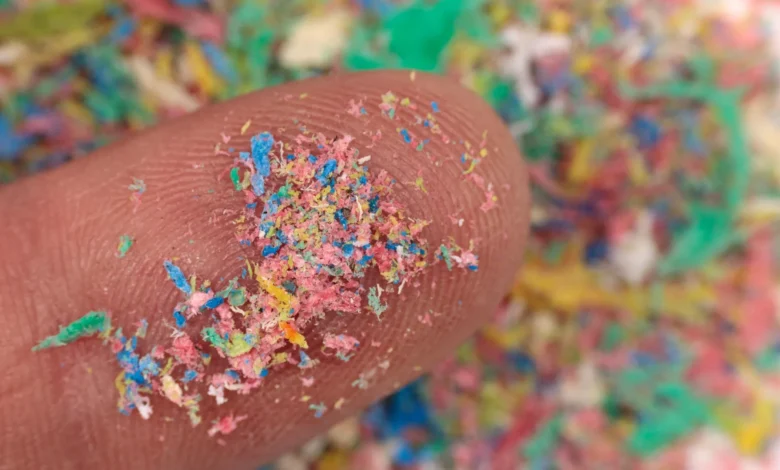
When these particles measure less than 1 micrometer—one-thousandth of a millimeter—they are classified as nanoplastics. Because of their infinitesimal dimensions, nanoplastics possess physicochemical properties that macro- and microplastics lack. They can effortlessly bypass standard municipal water filtration systems, infiltrate agricultural soils, and contaminate food chains through aquatic life and crops.
Human exposure occurs primarily through the ingestion of contaminated food and drinking water, as well as the inhalation of indoor air. Once inside the human gastrointestinal tract, nanoplastics are not merely inert foreign objects. Due to their high surface-area-to-volume ratio, they can adsorb toxic heavy metals and persistent organic pollutants from their surrounding environment. Furthermore, their minute scale allows them to cross the delicate intestinal epithelial barrier, entering the bloodstream and lymphatic system. From there, these foreign nanoparticles have been shown in various toxicological studies to accumulate in vital internal organs, including the liver, kidneys, lungs, and even the brain, potentially triggering localized inflammation, oxidative stress, and cellular dysfunction.
Despite the growing body of evidence highlighting the health risks posed by nanoplastics, biological strategies to intercept, bind, or clear these particles from the human gastrointestinal tract have remained virtually nonexistent, with research in this specific domain still in its absolute infancy.
The Chronology of Discovery: Investigating CBA3656
The journey toward this discovery began as part of WiKim’s broader mandate to explore and validate the functional properties of kimchi-associated microbiota. For years, microbiologists have recognized that traditional Korean kimchi is a rich ecosystem containing hundreds of distinct lactic acid bacteria species that contribute to its preservation, unique flavor profile, and well-documented health benefits.
Drs. Se Hee Lee and Tae Woong Whon spearheaded the investigative initiative to determine whether certain kimchi-derived microbes could interact with synthetic environmental toxins. Their primary focus centered on polystyrene nanoplastics (PS-NPs), one of the most common types of nanoplastics found in consumer packaging and industrial applications.
In the initial phase of the laboratory investigation, the research team evaluated the adsorption capacity—the ability of bacteria to physically bind foreign particles to their cellular surfaces—of various isolated strains. They compared the performance of Leuconostoc mesenteroides CBA3656 against a recognized reference strain, Latilactobacillus sakei CBA3608, under standard, controlled laboratory conditions.
During these baseline tests, both strains demonstrated impressive efficacy. Strain CBA3656 achieved an adsorption efficiency of 87%, which was highly comparable to the 85% adsorption efficiency recorded by the reference strain CBA3608. Had the researchers stopped their analysis at this preliminary stage, the results would have merely added another candidate to the list of general biosorbent microbes. However, the WiKim team recognized that laboratory conditions rarely mirror the harsh, dynamic environment of the human digestive system.
Simulated Intestinal Challenges and Animal Model Validation
The true test of any potential probiotic or binding agent lies in its survival and functionality within the gastrointestinal tract. The human digestive system subjects ingested matter to fluctuating pH levels, digestive enzymes, bile salts, and competing microbial flora.
When Drs. Lee and Whon subjected the bacterial strains to simulated human intestinal conditions, a dramatic divergence in performance emerged. While the reference strain Latilactobacillus sakei CBA3608 experienced a catastrophic drop in adsorption rate, plunging down to a mere 3%, the kimchi-derived strain Leuconostoc mesenteroides CBA3656 exhibited remarkable resilience. Strain CBA3656 maintained a substantially higher adsorption level of 57%, proving that it could stably bind to polystyrene nanoplastics even amidst the hostile chemical environment of the human gut.
Building upon these compelling in vitro results, the research team transitioned to in vivo animal experiments to observe real-time physiological effects. Utilizing a germ-free mouse model to eliminate confounding variables from complex native microbiota, the researchers administered strain CBA3656 to a test group of mice while withholding the probiotic from a control group.
The outcome of the animal trials provided concrete, quantifiable evidence of the probiotic’s mechanism of action. Both male and female mice that received the Leuconostoc mesenteroides CBA3656 administration exhibited a greater than twofold increase in the concentration of nanoplastics detected in their feces compared to the control group.
This significant increase in fecal excretion strongly supports the hypothesis that the probiotic bacteria bind to nanoplastics within the intestinal lumen, preventing their absorption across the gut wall and safely escorting them out of the body through normal digestive elimination.
Official Responses and Perspectives from the Scientific Community
The publication of these findings has drawn widespread attention from toxicologists, nutritional scientists, and environmental health advocates. Industry stakeholders and academic observers have noted that this research bridges two previously disconnected fields: traditional culinary fermentation science and modern environmental toxicology.
Dr. Sehee Lee, the lead researcher on the project, emphasized the broader societal implications of the team’s work during an official statement following the release of the study.
"Plastic pollution is increasingly recognized not only as an environmental issue but also as a public health concern," Dr. Lee stated, addressing the dual nature of the crisis. "Our findings suggest that microorganisms derived from traditional fermented foods could represent a new biological approach to address this emerging challenge. We will continue to expand the scientific value of kimchi microbial resources to contribute to public health and environmental solutions."
Administrators at the World Institute of Kimchi echoed these sentiments, noting that the institution remains committed to leveraging advanced genomic and microbiological tools to uncover hidden functionalities within Korea’s cultural heritage. Under the leadership of President Hae Choon Chang, WiKim has steadily expanded its research portfolio beyond basic food science into biotechnology, wellness applications, and environmental mitigation strategies.
Implications for Public Health and Future Mitigation Strategies
As modern society grapples with the reality of ubiquitous micro- and nanoplastic contamination, the development of safe, accessible counter-measures is paramount. While systemic policy changes—such as reducing single-use plastics, improving waste management infrastructure, and advancing industrial filtration—remain the ultimate long-term solutions for curbing environmental plastic pollution, remediation strategies for individuals already exposed are critically necessary.
The discovery that Leuconostoc mesenteroides CBA3656 can facilitate the clearance of nanoplastics introduces the concept of targeted dietary mitigation. Rather than relying on invasive medical procedures or unproven detoxification supplements, individuals may one day benefit from functional foods or standardized probiotic formulations designed to intercept micropollutants directly within the digestive tract.
However, researchers emphasize that caution is warranted before translating these laboratory and animal findings into commercial human therapies. While the germ-free mouse model provides robust proof-of-concept data, human clinical trials are essential to determine optimal dosage, long-term safety, colonization persistence within a complex human microbiome, and efficacy against a broader spectrum of plastic polymers, such as polyethylene terephthalate (PET), polypropylene (PP), and high-density polyethylene (HDPE).
Furthermore, toxicologists note that future studies must investigate whether the bacterial binding mechanism prevents the leaching of chemical plasticizers—such as phthalates and bisphenols—from the nanoplastic particles during transit through the gut. Ensuring that the probiotic safely removes both the physical polymer particle and its associated chemical cargo will be a vital next step for the WiKim research team.
Conclusion and Outlook
The revelation that a humble lactic acid bacterium from traditional kimchi can actively bind to and promote the excretion of nanoplastics marks a significant milestone in nutritional biotechnology. By transforming an item of cultural cuisine into a subject of advanced environmental health research, the World Institute of Kimchi has demonstrated the profound, untapped potential hidden within traditional fermented foods.
As Drs. Se Hee Lee, Tae Woong Whon, and their colleagues continue their investigations into kimchi microbial resources, the scientific community anticipates further breakthroughs that may redefine how humanity confronts the invisible plastic crisis. Through rigorous empirical science and a commitment to public health innovation, nature’s own microscopic architects may ultimately provide the tools needed to help cleanse the human body of the synthetic age’s most persistent footprint.