The Record-Breaking 2026 Super El Niño: Global Impacts, Scientific Context, and the Urgent Challenge of Accelerated Climate Change

The planetary climate system is currently experiencing a profound and potentially hazardous disruption as a historically powerful El Niño event unfolds across the Pacific Ocean. Meteorological agencies, international scientific bodies, and local governments are mobilizing in response to oceanographic data indicating that this weather pattern has shattered previous benchmarks. Characterized by a dramatic surge in equatorial sea surface temperatures, the phenomenon has triggered widespread alarms among climatologists who warn that its compounding effects could accelerate global warming metrics, strain agricultural supply chains, and threaten public health on a global scale.
As extreme weather events become increasingly frequent, the arrival of this generationally strong El Niño offers both an immediate emergency management challenge and an uncomfortably clear preview of the climatic conditions expected in the coming decades. With regions from California to Southeast Asia enacting emergency measures, the international community is forced to confront the compounding risks of a naturally occurring climatic cycle intersecting with unabated anthropogenic greenhouse gas emissions.
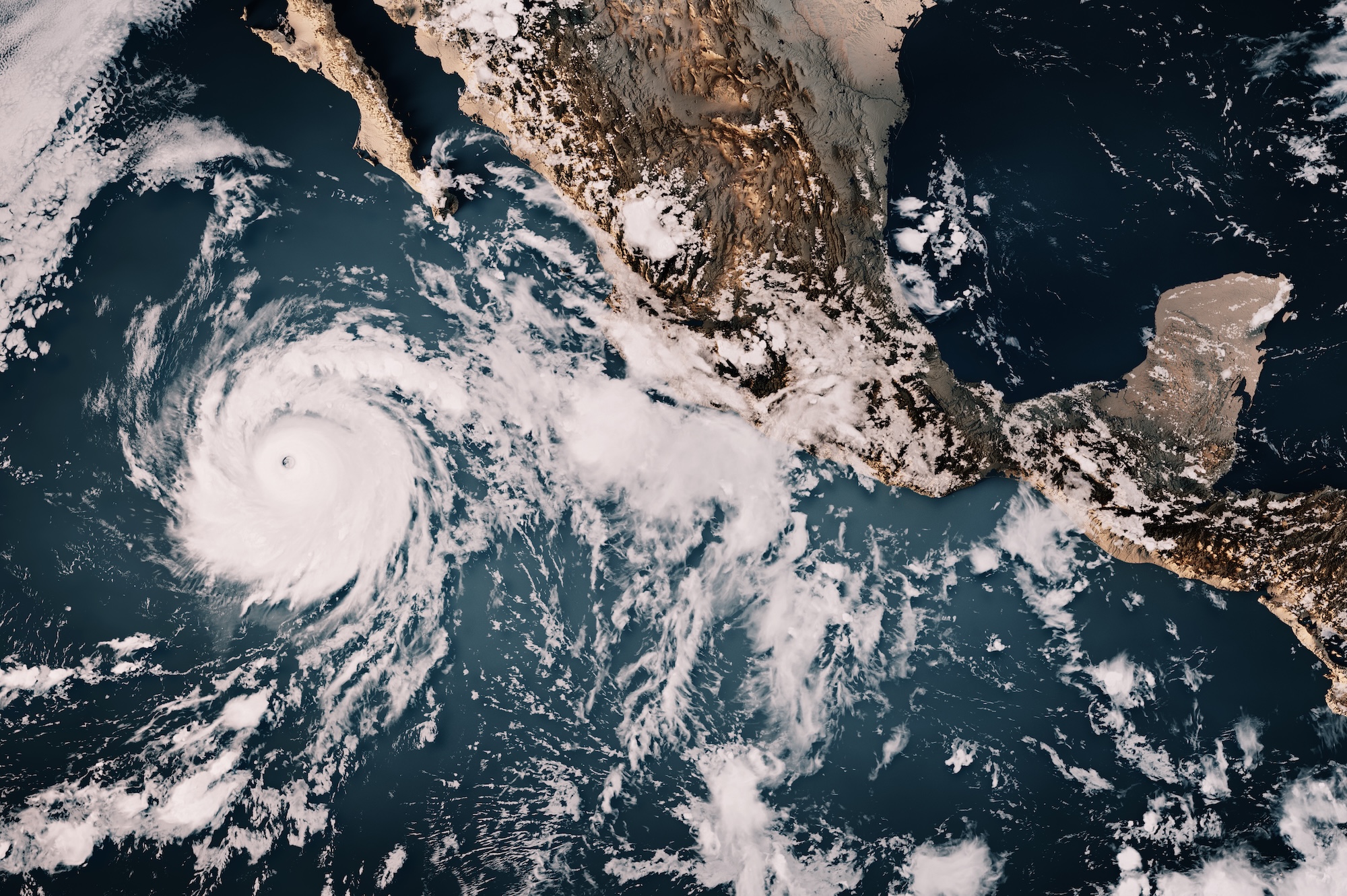
Understanding the Mechanics of El Niño
To comprehend the severity of the current situation, it is necessary to examine the fundamental mechanics of the El Niño-Southern Oscillation (ENSO) cycle. El Niño is a naturally occurring climate pattern that originates in the tropical Pacific Ocean. Under normal conditions, trade winds blow from east to west across the Pacific, accumulating warm surface water near Indonesia and Australia while drawing cooler, nutrient-rich water up from the deep ocean along the western coast of South America—a process known as upwelling.
During an El Niño event, however, these prevailing trade winds weaken significantly and can occasionally reverse direction. This atmospheric shift allows the vast pool of warm water built up in the Western Pacific to migrate eastward, sloshing back toward the Americas. The consequences of this oceanic displacement are far-reaching. The relocation of massive amounts of warm water alters atmospheric circulation, displacing jet streams and fundamentally altering precipitation and temperature patterns worldwide. Typically recurring every two to seven years, El Niño events do not follow a rigid schedule, and their individual intensities vary wildly.
While El Niño is a natural cycle, its interaction with long-term anthropogenic climate change has become a central focus of modern climatology. Scientific consensus indicates that while global warming may not necessarily increase the baseline frequency of every El Niño event, it supercharges their impacts. The background warming of the planet’s oceans provides a higher thermal baseline, meaning that when an El Niño occurs, it operates within an already heated global climate system. This compounding effect makes it challenging for scientists to decouple the temperature anomalies caused strictly by the oceanic oscillation from those driven by cumulative greenhouse gas emissions.
Chronology and Scale: Tracking the 2026 Anomaly
The trajectory of the current El Niño event has surprised even seasoned researchers. Meteorological monitoring throughout the middle of the year revealed unprecedented warmth across the Pacific basin. Sea surface temperatures recorded globally during June, July, and August set all-time highs, prompting forecasters to revise their predictive models. By September, data analysis released by climate monitoring organizations indicated that warming in the critical Niño 3.4 monitoring region—the standard benchmark used by the National Oceanic and Atmospheric Administration (NOAA)—had reached 3.11 degrees Celsius above normal.
This figure is extraordinary. To put the measurement into perspective, NOAA classifies an El Niño event as moderate when sea surface temperatures in the region rise 1 degree Celsius above normal, strong at 1.5 degrees, and very strong at 2 degrees. A reading of over 3 degrees significantly eclipses the previous modern record set during the historic El Niño of 2015-2016, a period previously regarded as the benchmark for extreme intensity.
Current forecast models indicate a greater than 90 percent probability that these extreme sea surface temperatures will persist through the end of the year and into the early months of the subsequent year. Typically, El Niño events peak between December and January before beginning a gradual decay. However, the sheer magnitude of the thermal energy currently trapped in the Pacific suggests that the dissipation phase will be prolonged, locking in severe weather anomalies for many months.
Socioeconomic and Public Health Implications
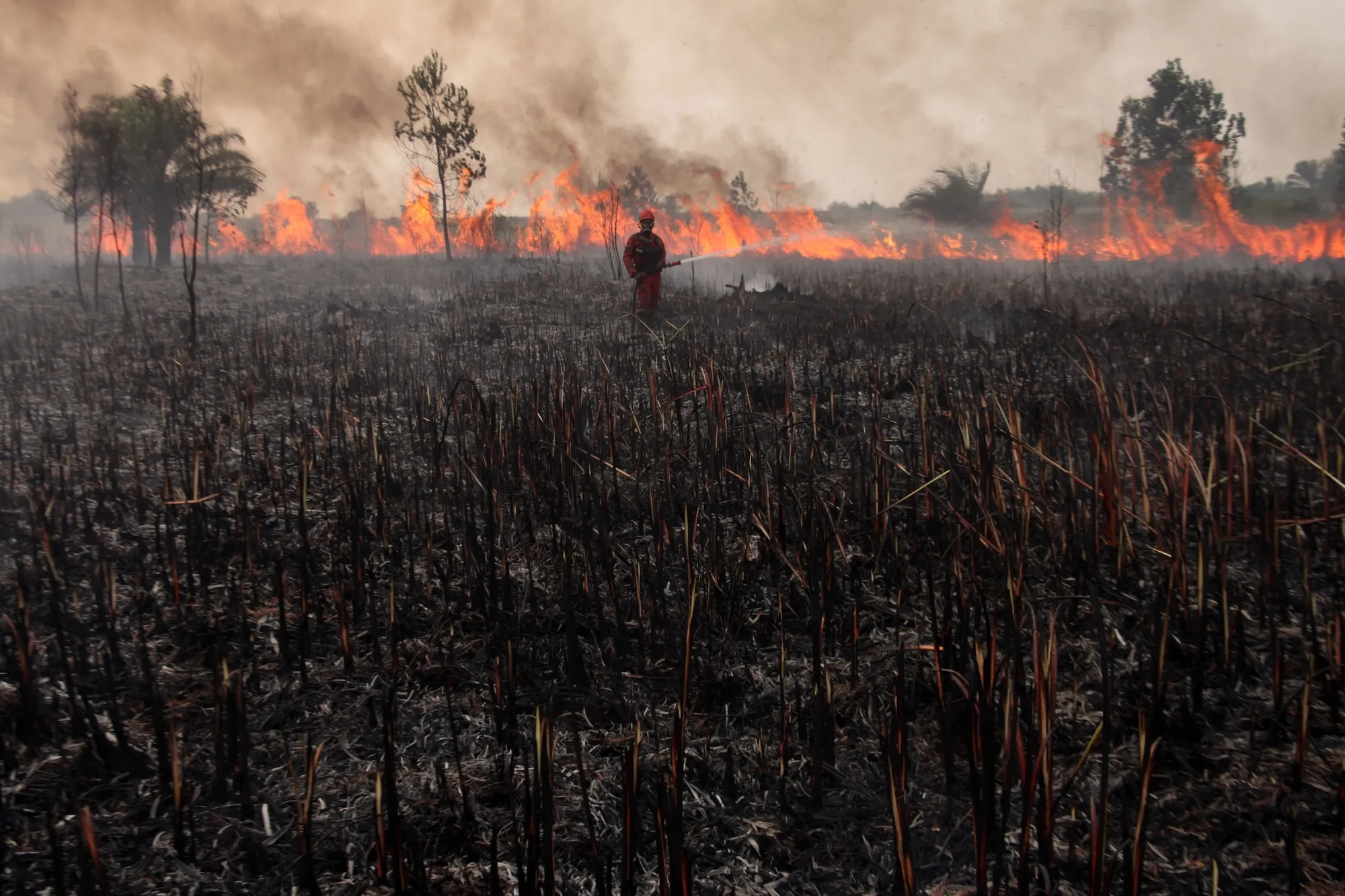
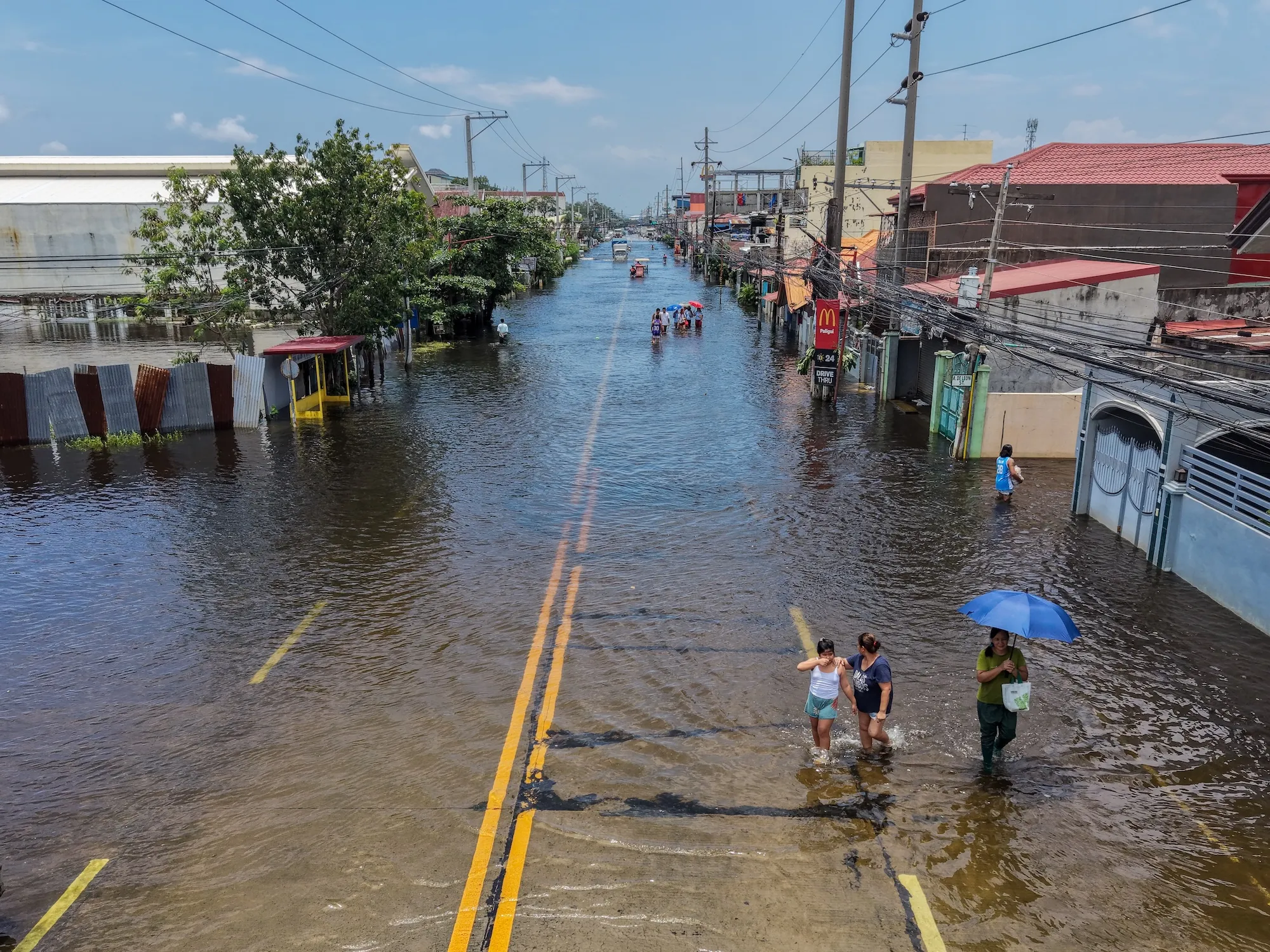
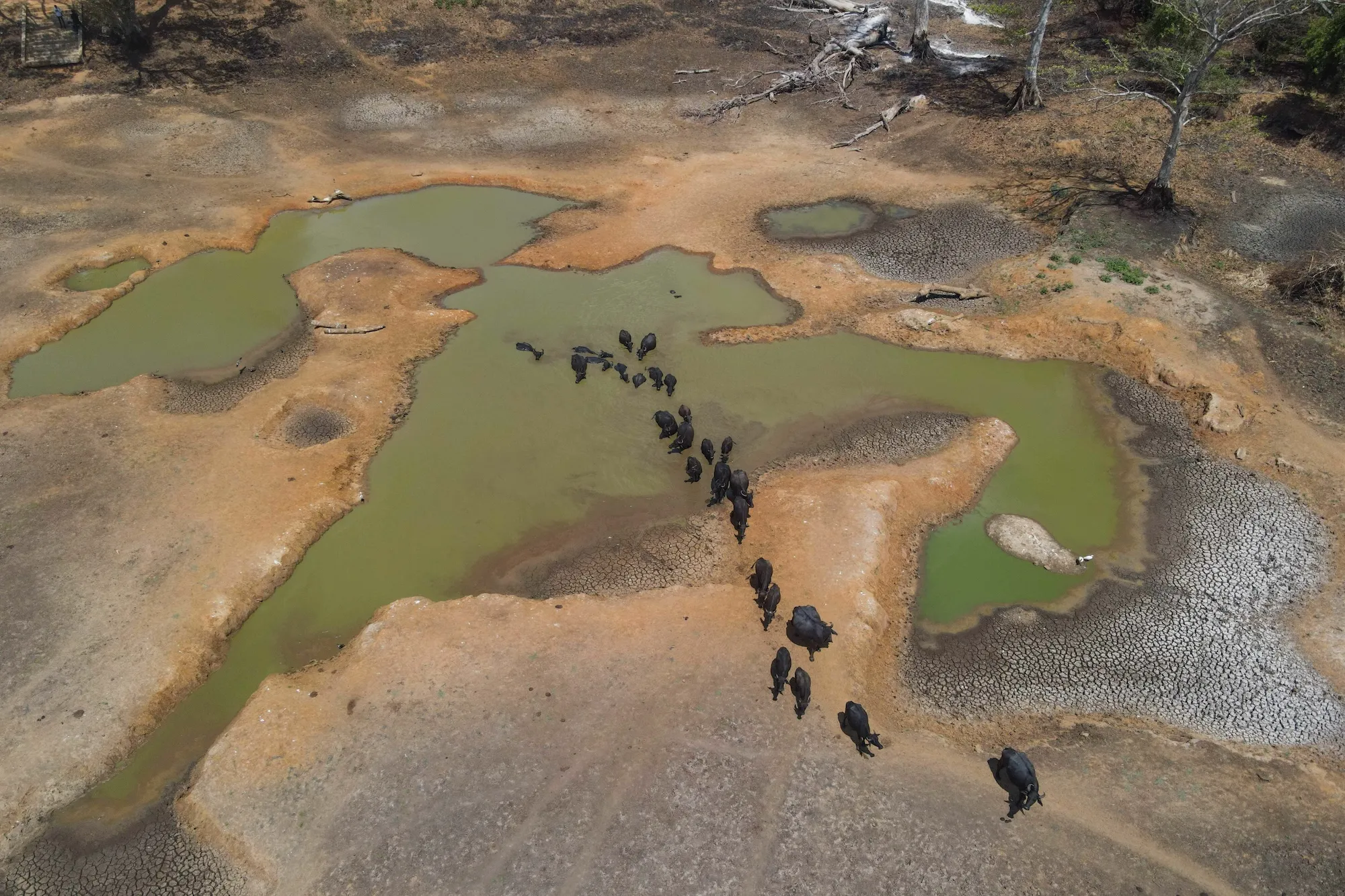
The real-world manifestations of this high-intensity El Niño are already materializing across multiple continents, threatening vital infrastructure, agricultural yields, and human life. The ramifications are diverse, creating severe droughts in some regions while unleashing catastrophic flooding in others.
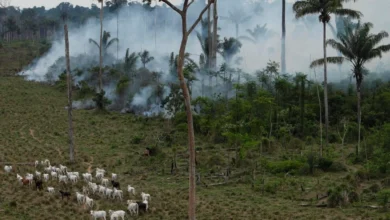
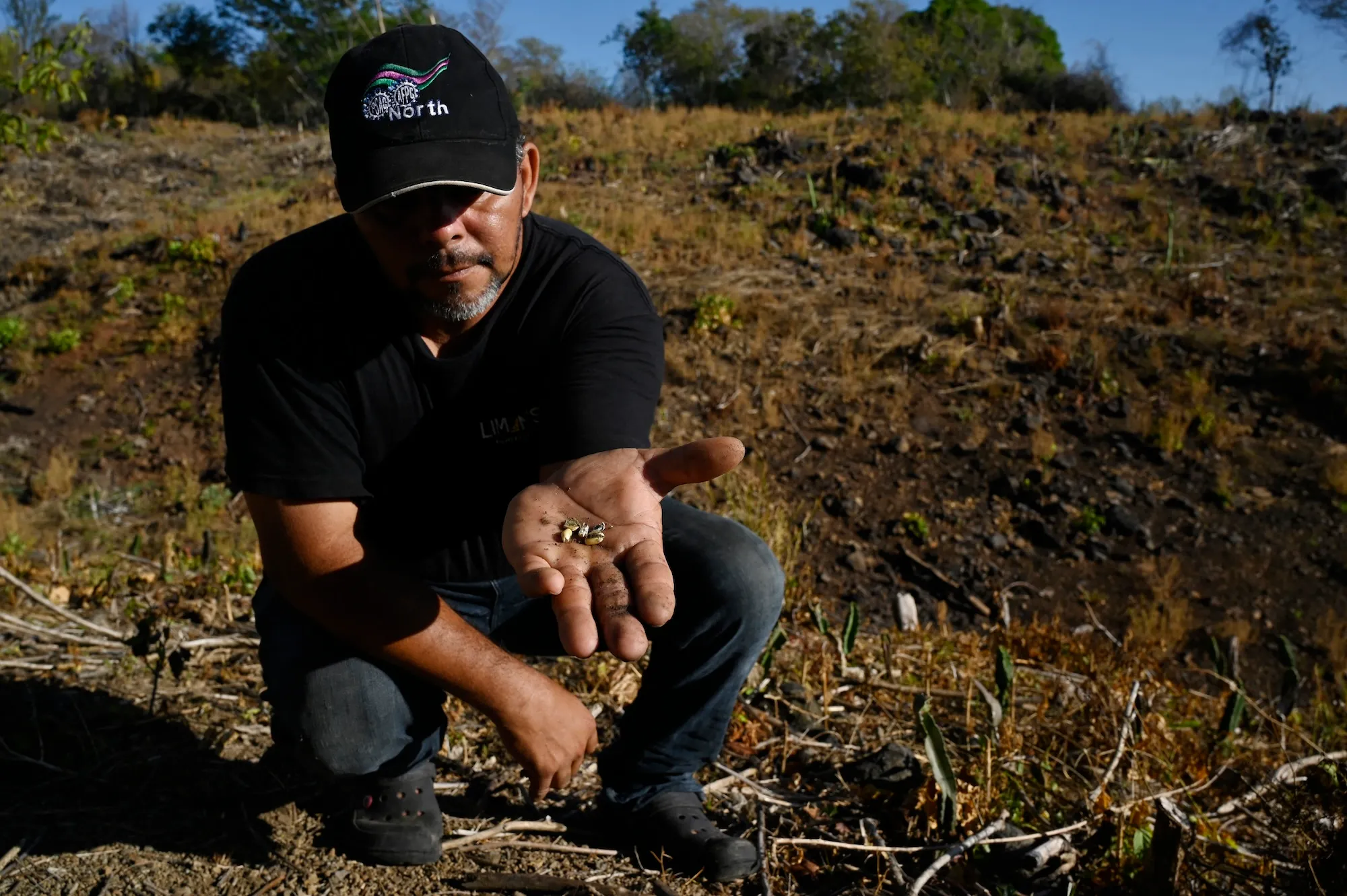
In South Asia and parts of Southeast Asia, the phenomenon has exacerbated severe dry spells and fueled agricultural stress. In Indonesia, prolonged drought conditions have significantly increased the frequency and intensity of wildfires, requiring intensive firefighting efforts across vulnerable forested regions. Meanwhile, agricultural communities in Central America report extensive crop failures, with staple grains such as corn failing to germinate due to moisture deficits linked directly to the shifting climate patterns.
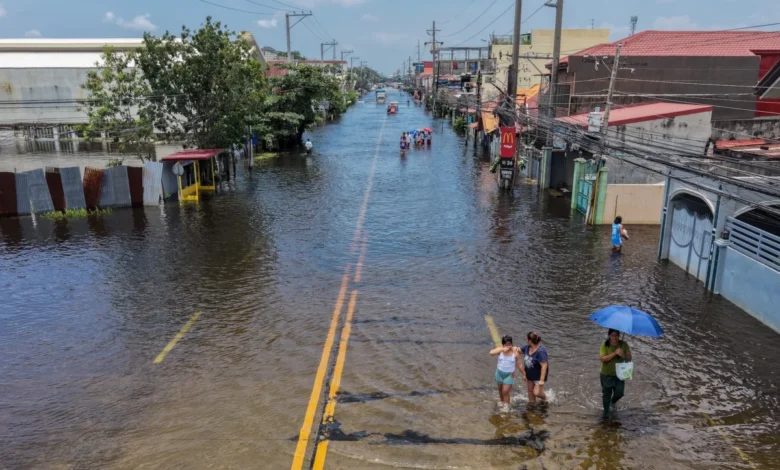
Conversely, excessive rainfall and severe storms have battered other regions. In the Philippines, heavy monsoon rains amplified by broader atmospheric shifts have caused widespread flooding, displacing residents and inundating transportation corridors. Along the western coast of the Americas, elevated sea levels and intensified storm surges are accelerating coastal erosion. Communities in Southern California are actively grappling with compromised infrastructure, prompting local and state officials to take preemptive defensive measures.
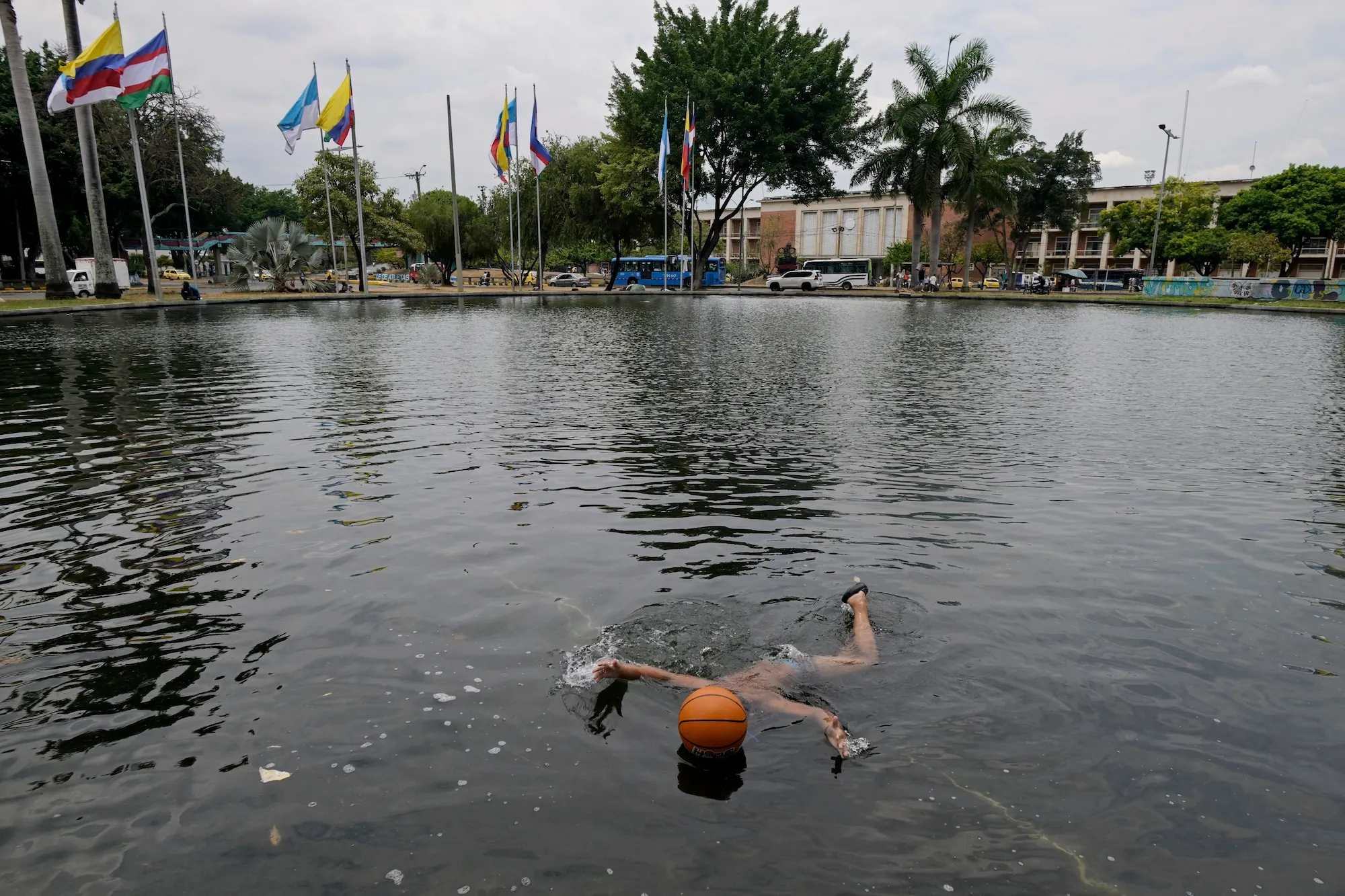
Perhaps the most alarming projection associated with this event concerns public health. Epidemiological and climate research models suggest that the extreme heatwaves driven by the combination of El Niño and background global warming could lead to hundreds of thousands of excess heat-related deaths globally by February. Populations in urban centers lacking adequate cooling infrastructure, vulnerable outdoor laborers, and elderly demographics face the highest risks as prolonged heat stress overwhelms local health systems.
Government Responses and Emergency Declarations
Recognizing the severity of the threat, governments in heavily exposed regions have initiated aggressive disaster preparedness protocols. In the United States, the state of California formally declared a statewide state of emergency. This administrative action is designed to fast-track resource allocation, clear bureaucratic hurdles for flood and wildfire mitigation projects, and bolster emergency response capabilities before the winter storm season peaks.
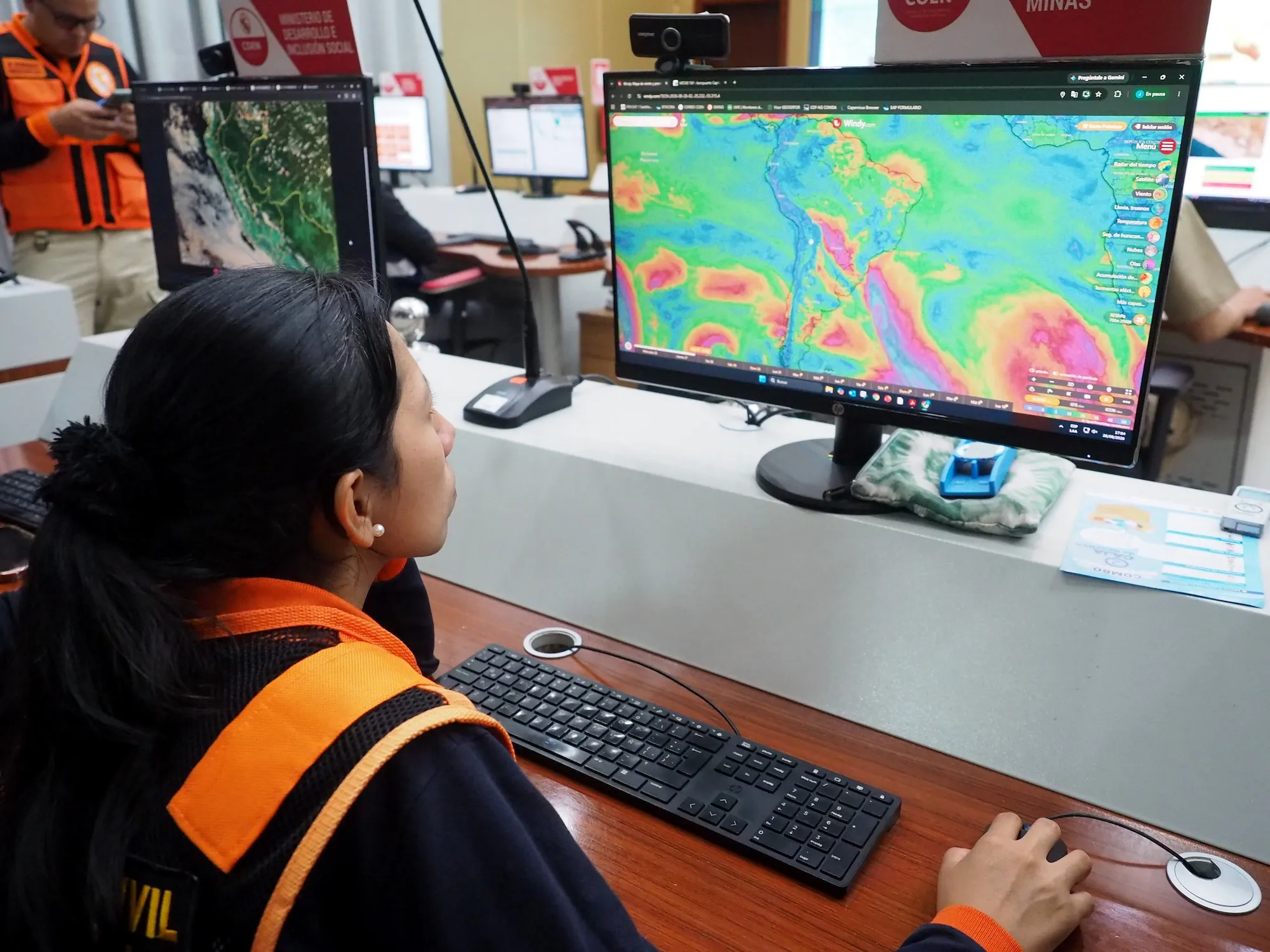
International partners are taking similar precautions. In South America, nations such as Peru have activated national emergency operations centers to conduct multi-hazard drills, reinforcing coastal defenses and upgrading drainage infrastructure to mitigate the anticipated impacts of torrential rainfall and mudslides. In Central America and the Caribbean, agricultural ministries are distributing drought-resistant seed varieties and working to secure emergency food reserves to offset anticipated domestic harvest shortfalls.
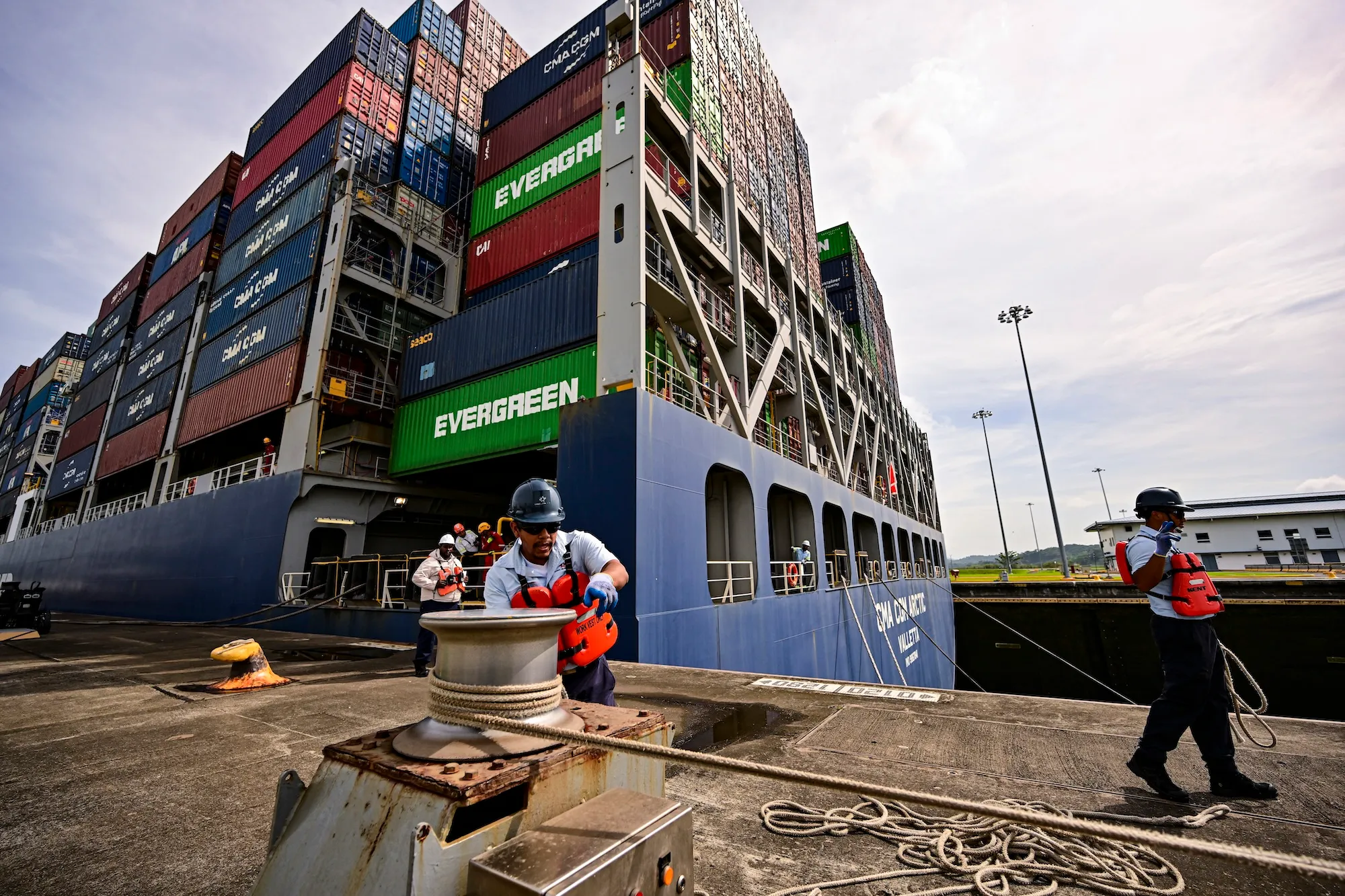
Furthermore, critical global trade corridors are feeling the strain. The Panama Canal authority has implemented strict draft restrictions and reduced daily vessel transits due to lower water levels in the artificial lakes that feed the canal system—a direct consequence of regional drying trends exacerbated by the ongoing ENSO cycle. These shipping bottlenecks threaten to introduce friction into global supply chains, potentially driving up costs for consumer goods worldwide.
The Evolution of Scientific Terminology
As the intensity of extreme weather events increases, climatologists, linguists, and science communicators are grappling with a secondary challenge: how to accurately convey the magnitude of these threats to the general public without inducing panic or apathy.
The term "super El Niño," while widely adopted by international media outlets and researchers across Europe, the Americas, and Asia, is technically a colloquialism rather than an official meteorological designation. Originating in scientific literature in the early 2000s to describe strong coupling between ENSO phases, the phrase has transitioned into the vernacular as a useful shorthand for unprecedented intensity.
Ecolinguistics researchers point out that finding the appropriate vocabulary for modern climate events is a delicate balancing act. Language that minimizes the threat can lead to dangerous under-preparation, whereas exaggerated or overly dramatic phrasing can result in public desensitization or fatalism. Nevertheless, as physical anomalies consistently exceed historical thresholds, experts note that existing terminology may become obsolete. Climate scientists have increasingly noted that if sea surface temperatures and atmospheric anomalies continue on their current trajectory, the scientific community may be forced to adopt entirely new descriptive frameworks to communicate risks that stretch far beyond historical precedents.
Outlook and Future Trajectory
The culmination of this generationally strong El Niño serves as a critical stress test for global infrastructure and disaster response systems. Beyond its immediate physical impacts, climatologists emphasize that this event acts as a fast-forward button for the global climate system. By temporarily pushing global mean surface temperatures to new heights, the 2026 event provides a sobering preview of the average climatic baseline the Earth may experience permanently by the 2040s if greenhouse gas emissions continue at their current pace.
Ultimately, the unfolding crisis underscores the urgent need for robust adaptation strategies and accelerated global decarbonization. As communities worldwide race to fortify coastlines, manage dwindling water supplies, and protect vulnerable populations from extreme heat, the legacy of this record-breaking El Niño will likely reshape international policy, emergency preparedness, and the scientific understanding of the resilience of Earth’s climate systems for years to come.