The Rise of John Stewart and the Future of the DC Universe in the Wake of Lanterns

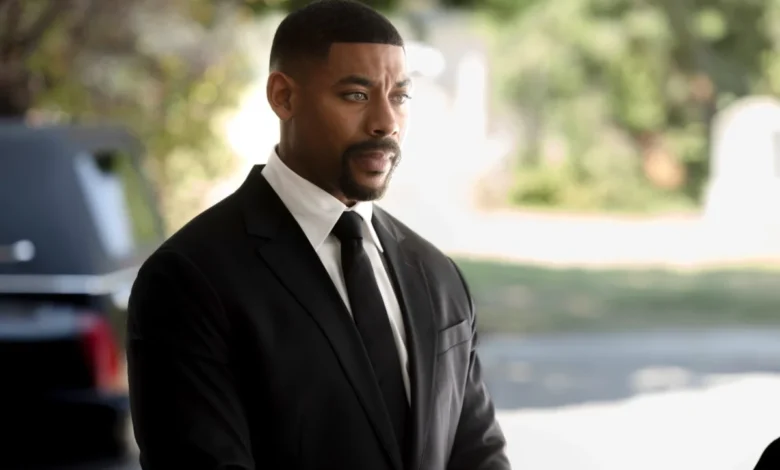
When you find something good, it makes sense to capitalize on it, and the recent reception of the HBO series Lanterns suggests that DC Studios has secured a significant asset in actor Aaron Pierre. As James Gunn and Peter Safran continue to navigate the early stages of their rebooted DC Universe (DCU), the landscape has been defined by a series of experimental tonal shifts. While early entries like Creature Commandos and the second season of Peacemaker established a firm baseline for the franchise’s irreverent, character-driven identity, the reception of projects like Superman has set a higher bar for critical and commercial success. Conversely, the underwhelming performance of Supergirl earlier this summer highlighted the volatility inherent in launching a interconnected cinematic universe.
Within this context, the arrival of Lanterns marked a pivot point for the studio. By adopting a grounded, prestige-television aesthetic—drawing explicit inspiration from the procedural mystery framework of True Detective—the show successfully revitalized the Green Lantern mythos. Central to this success is the casting of Kyle Chandler as Hal Jordan and Aaron Pierre as John Stewart. The chemistry between the two actors, grounded in a mentor-mentee dynamic that subverts traditional superhero tropes, has been identified by critics and audiences alike as the primary driver of the show’s momentum.
The Evolution of the Green Lantern Narrative
The mystery at the heart of the first season of Lanterns is anchored by the apparent death of Hal Jordan, a narrative development introduced in the series premiere set in the 2026 timeline. While the genre often utilizes such plot points as temporary narrative misdirection, the industry consensus—and the strategic focus of DC Studios—points toward a long-term transition. John Stewart, portrayed by Pierre, is being positioned as the foundational Green Lantern of the new DCU.
This alignment was signaled as early as last year, when James Gunn, in a statement to CBS News, emphasized the importance of John Stewart’s trajectory. Gunn described the narrative as "basically John Stewart’s story," suggesting that the character is not merely a component of the current television slate but a pillar for the broader cinematic universe. For DC, the investment in Pierre is a calculated move to establish a charismatic lead capable of anchoring both television and theatrical projects.

Chronology of Casting and Integration
The integration of John Stewart into the wider DCU has been a methodical process:
- March 2025: Official confirmation surfaced regarding Aaron Pierre’s casting in Man of Tomorrow, the high-profile sequel to Superman.
- Late 2025/Early 2026: The release of Lanterns solidified Pierre’s character arc, moving him from a supporting figure to the central investigative lead of the series.
- Mid-2026: The current status of the character remains fluid as production on upcoming DCU films progresses, with audiences waiting to see the extent of his role in the Man of Tomorrow ensemble.
The inclusion of established characters like Guy Gardner, played by Nathan Fillion, further complicates the hierarchy of the Corps, providing a necessary foil to Stewart’s more disciplined, military-background persona. By maintaining a balance between these archetypes, the studio has created a dynamic that appeals to long-term comic book readers while remaining accessible to general audiences.
Strategic Implications for the DC Universe
The decision to lean into the John Stewart character has significant implications for the studio’s broader strategy. By utilizing a "prestige" television model to introduce and develop high-stakes characters, DC is attempting to build emotional equity with the audience before moving those characters into the higher-budget, higher-risk environment of theatrical feature films.
The potential for a Green Lantern feature film, specifically focusing on the dynamic between Stewart and Gardner, remains a topic of industry speculation. Such a film would allow the studio to capitalize on the success of the current series while potentially bringing in visionary directors who can translate the grounded, gritty atmosphere of the show into a larger-scale cinematic experience.
Theoretical Directorial Perspectives
Industry observers have noted that the success of the current iteration of the Green Lantern property stems from its departure from traditional "space opera" visuals. Should a theatrical project move forward, the studio would likely look for directors capable of balancing character-driven drama with the demands of a high-concept franchise.

Potential candidates for such a project represent a diverse range of cinematic styles. Directors like Bart Layton, known for his work on the 2026 film Crime 101, possess the ability to craft high-stakes, realistic crime thrillers that echo the tone of the Lanterns series. Similarly, Rose Glass has demonstrated an aptitude for "trippy" and atmospheric storytelling in Love Lies Bleeding, which could offer a fresh, surreal perspective on the cosmic nature of the Green Lantern ring.
Jeremy Saulnier, who has already established a working relationship with Pierre on the project Rebel Ridge, offers an alternative route toward a more brutal, grounded iteration of the character. Meanwhile, JT Mollner’s work in the thriller genre suggests a capacity for the kind of narrative complexity and "twisty" storytelling that has become a hallmark of successful modern IP management. Even a more unconventional choice, such as M. Night Shyamalan, who has previously cast Pierre in his film Old, could provide a unique structural approach to the franchise, though his interest in large-scale franchise work remains a historical point of contention.
Sustaining Momentum: The Path Forward
The central challenge for DC Studios will be maintaining the quality of the John Stewart arc as the character migrates between formats. The inclusion of Pierre in the upcoming Man of Tomorrow is a critical test. Whether his role is a brief appearance to set up future storylines or a more substantial contribution to the film’s central plot, it will serve as an indicator of how interconnected the DCU’s television and film divisions truly are.
Furthermore, the studio must decide on the future of the Lanterns series itself. While a second season has not been officially greenlit, the overwhelming positive reception suggests that the infrastructure—the cast, the production design, and the narrative framework—is already in place to continue the story.
Data from streaming metrics and social engagement indicate that viewers are highly receptive to the "buddy-cop" procedural format within the superhero genre. This suggests that the studio’s strategy of genre-blending is effective. By shifting the focus away from generic world-ending threats and toward character-focused investigations, the DCU is creating a more sustainable model for long-term storytelling.

Conclusion
The trajectory of John Stewart within the new DCU is a testament to the importance of casting and narrative focus. Aaron Pierre’s emergence as a central figure in this universe is not merely the result of a single successful show, but the product of a deliberate, multi-year plan by James Gunn and Peter Safran. As the studio looks toward the release of Man of Tomorrow and beyond, the focus will likely remain on ensuring that the character’s evolution feels earned and consistent.
The foundation laid by Lanterns provides a template for future DC projects: prioritize character chemistry, embrace genre-specific storytelling, and allow for a slower, more deliberate buildup of the wider universe. Whether or not this translates into a dedicated feature film for Stewart and Gardner remains to be seen, but the current data suggests that audiences are ready for a continued exploration of this specific corner of the DC mythology. For now, the studio’s immediate priority will be the seamless transition of its rising star into the broader cinematic landscape, ensuring that the momentum generated by his television debut carries forward into his next major project.