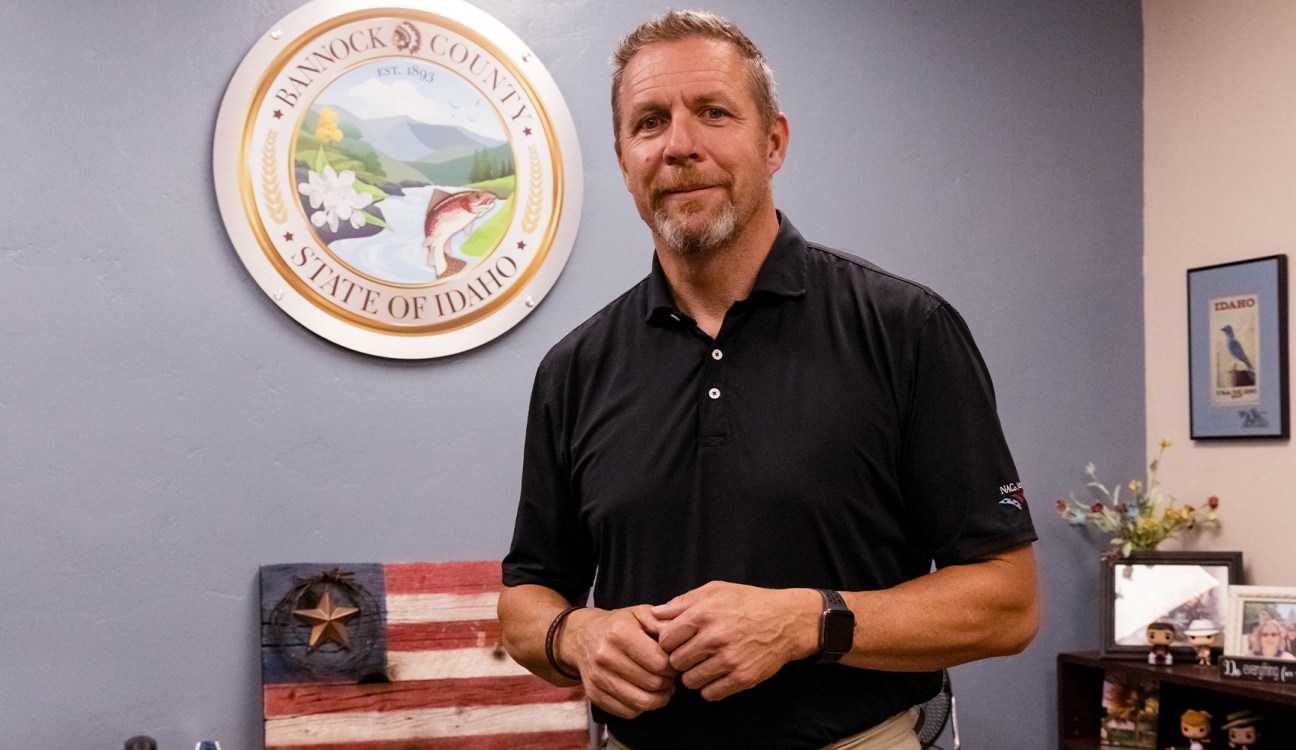
When Bannock County Commissioner Jeff Hough stood before a packed courthouse in March 2024 to oppose a proposed ban on utility-scale wind and solar projects, he did not mince words. Quoting the Declaration of Independence, the fellow Republican warned his colleagues that stripping landowners of their ability to lease property for energy development would directly violate foundational American principles. Despite his impassioned plea, the three-person commission passed the restrictive ordinance by a 2-1 vote, placing a total freeze on renewable energy growth across the rural Idaho county.
Today, the political landscape of Bannock County is undergoing a dramatic shift. Now serving as the chair of the county commission, Hough is spearheading an effort to overturn the 2024 ban. This fall, commissioners are scheduled to vote on a comprehensive new land-use and development ordinance that would explicitly authorize wind, solar, and advanced nuclear energy projects. The upcoming vote serves as a compelling case study of how a rural American community can wrestle with the complex trade-offs of clean energy, private property rights, and economic survival.
A Growing Trend of Clean Energy Restrictions in Rural America
Bannock County’s initial resistance was not an isolated event. Across the United States, local opposition to renewable infrastructure has surged. By 2025, approximately one in four U.S. counties had enacted some form of ban, moratorium, or significant impediment to clean energy development, a sharp increase from 15 percent in 2023. Data compiled by the Daily Yonder and Canary Media, utilizing metrics from USA Today and Columbia University’s Sabin Center for Climate Change Law, reveals that more than 60 percent of the counties implementing such bans are rural.
These local pushbacks often stem from anxieties over land use, aesthetic changes, and potential industrial risks. However, reversing this trend in Bannock County could realign the region with urgent economic and energy realities. Idaho Power, the state’s largest electric utility, projects that electricity demand will surge by one gigawatt by 2030—representing a staggering 26-gigawatt-hour leap or a 26 percent increase from current levels.
"The need to build stuff now is critical to Idaho’s economic future," said Aaron Menenberg, Idaho policy manager for Renewable Northwest. "We can’t afford to say no to anything."
Strategic Location and the Urgent Quest for Economic Revitalization
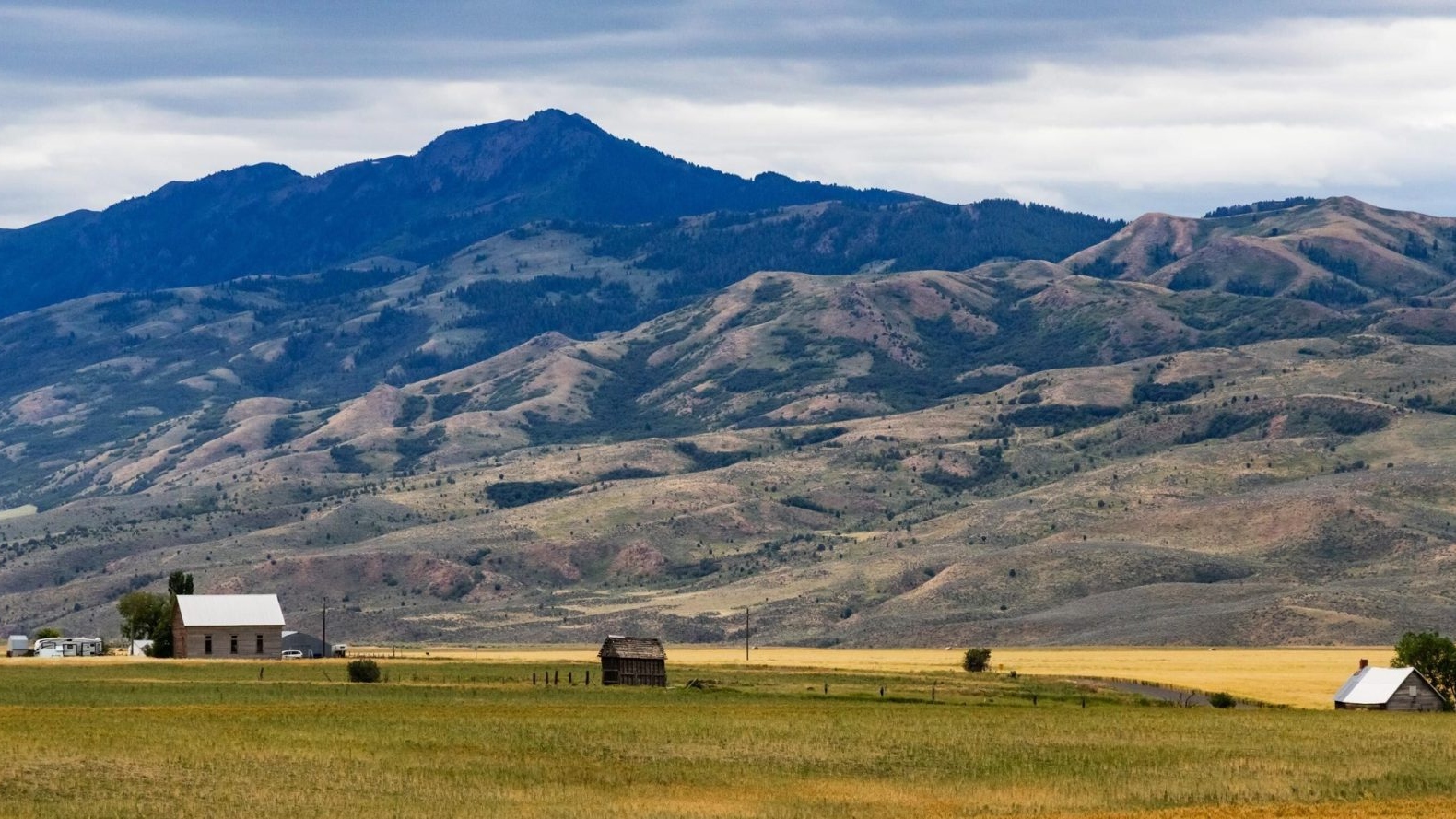
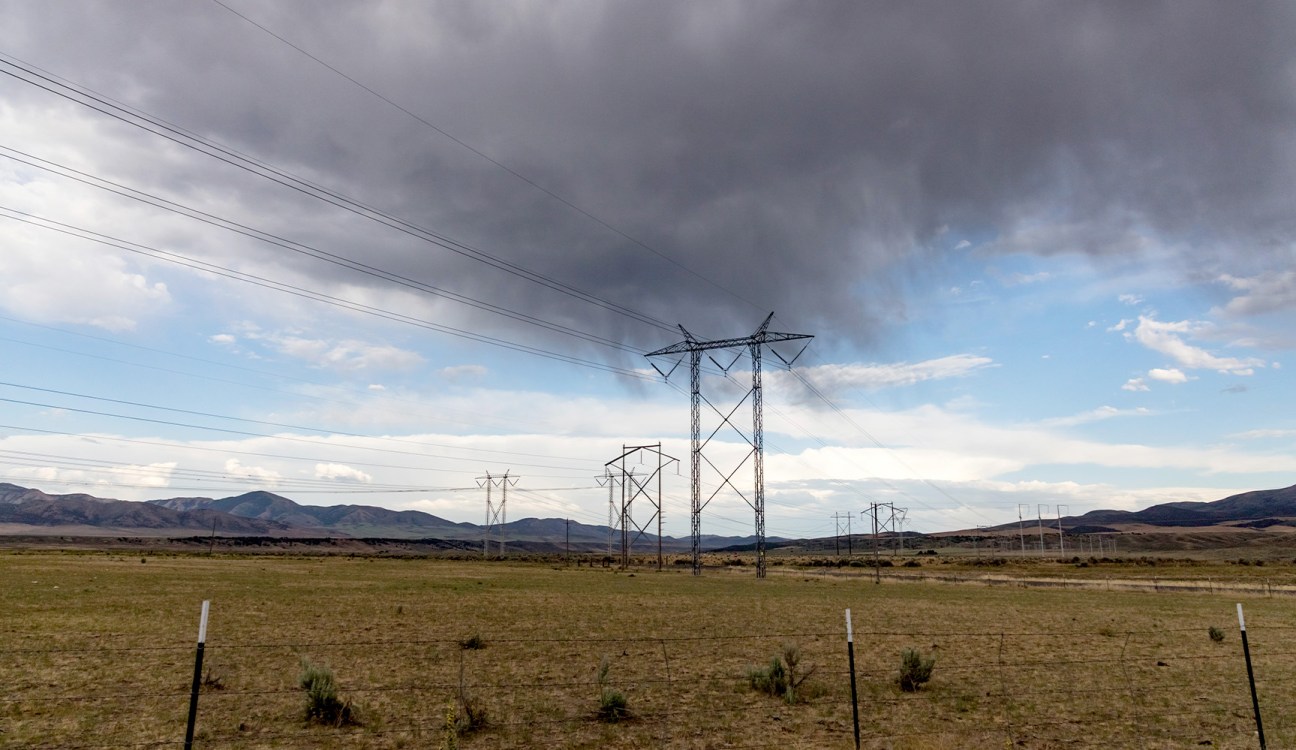
Nestled in a picturesque valley north of Salt Lake City, Bannock County occupies a uniquely strategic geographic position. It is home to the Populus substation, a critical nexus for routing electricity into the broader grid serving Idaho, Utah, Wyoming, and the Pacific Northwest. Proximity to such major electrical infrastructure substantially lowers transmission costs, creating financial efficiencies that can ultimately benefit utility ratepayers.
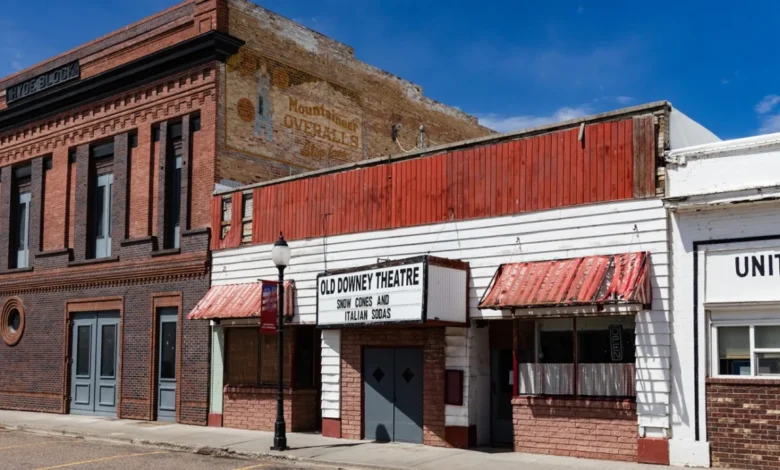
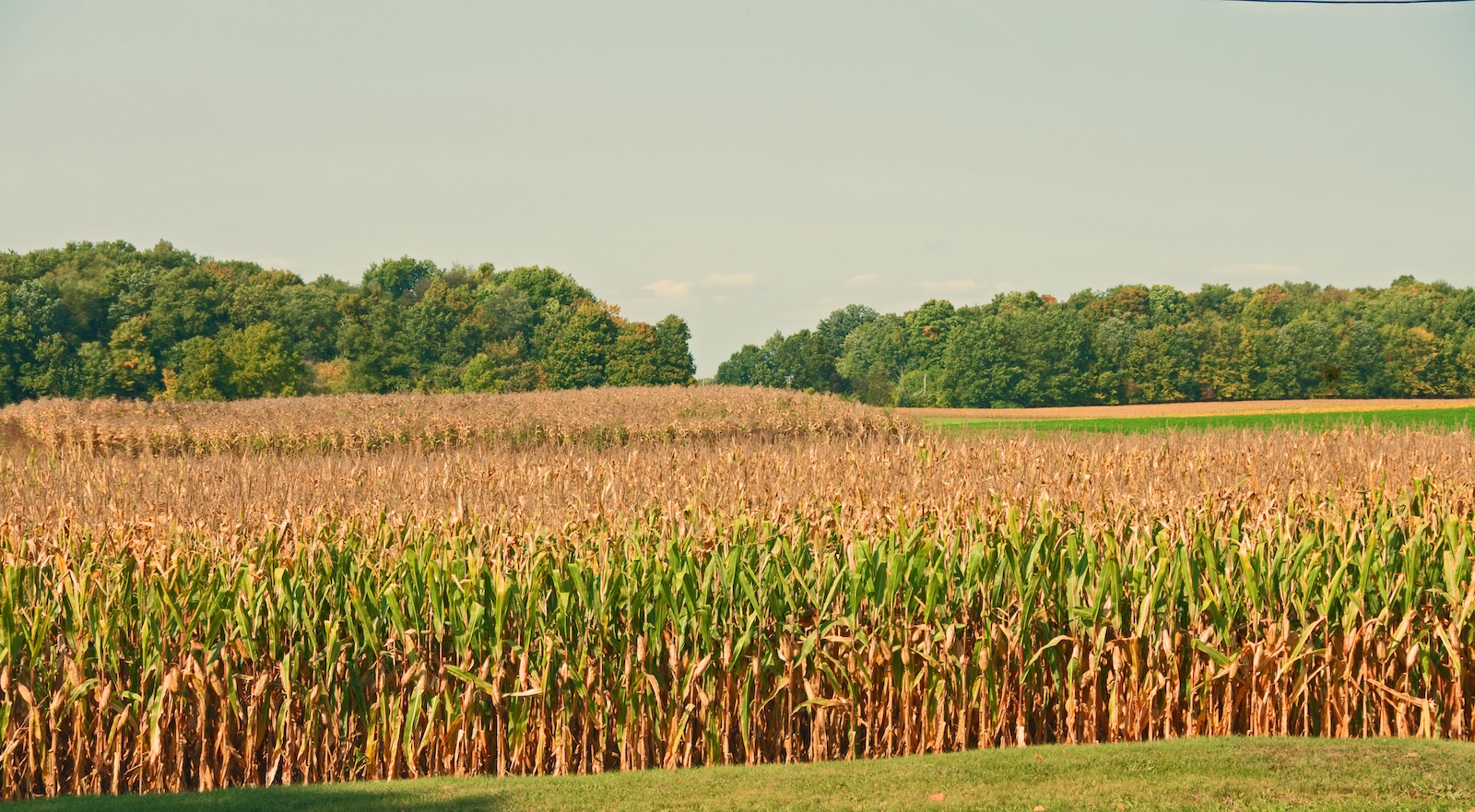
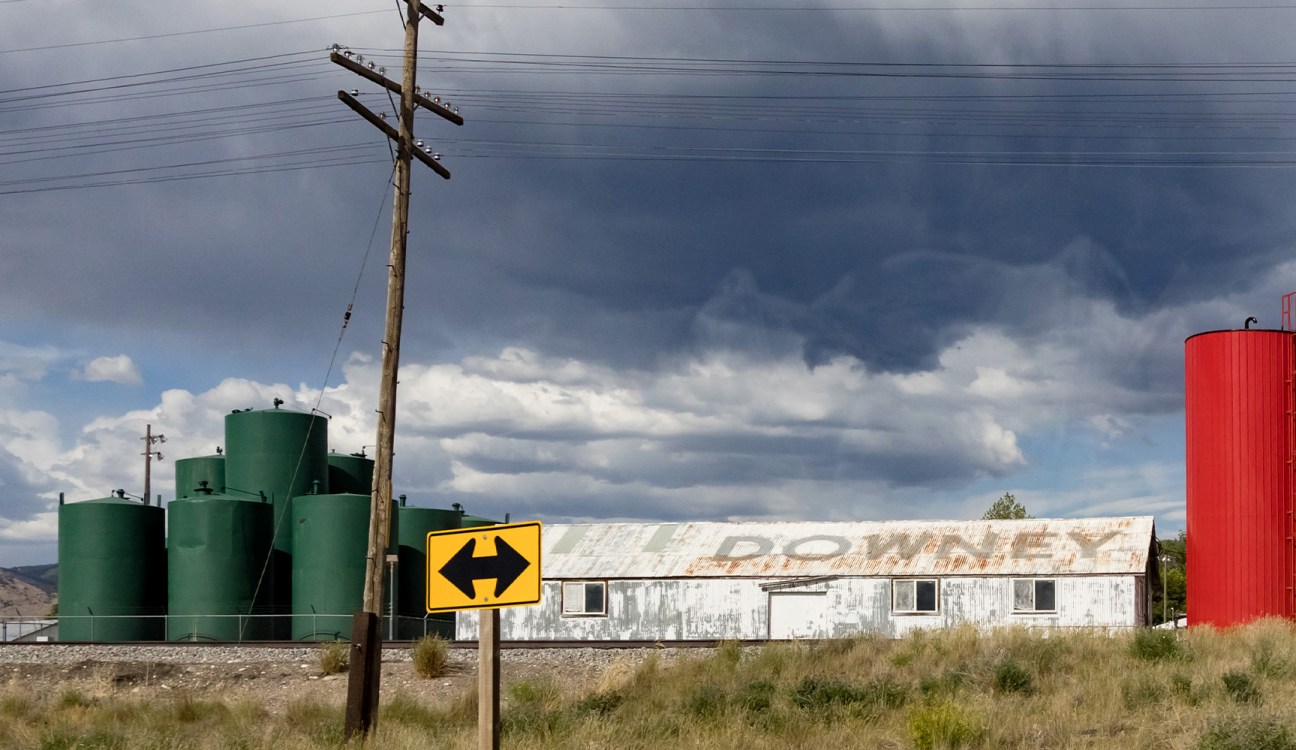
Yet, for local leaders like Hough, the most compelling argument for renewables lies in economic development. While Idaho’s overall population has experienced rapid growth in recent years, Bannock County’s rural enclaves have lagged behind. Essential public and commercial services have steadily vanished from small towns like Downey, which currently lacks a local grocery store and a hospital. Furthermore, climate-induced drought has placed unprecedented financial strain on family farms, forcing agricultural producers to look for alternative revenue streams.
Neighboring jurisdictions offer proof of the economic upside. In 2024, clean energy projects in adjacent Power and Bingham counties generated $909,000 and $639,000, respectively, in vital local tax revenues. Hough hopes to signal to developers and industry leaders that Bannock County is open for business, aiming to help rural America navigate a difficult economic transition.
Chronology of the Bannock County Energy Debate
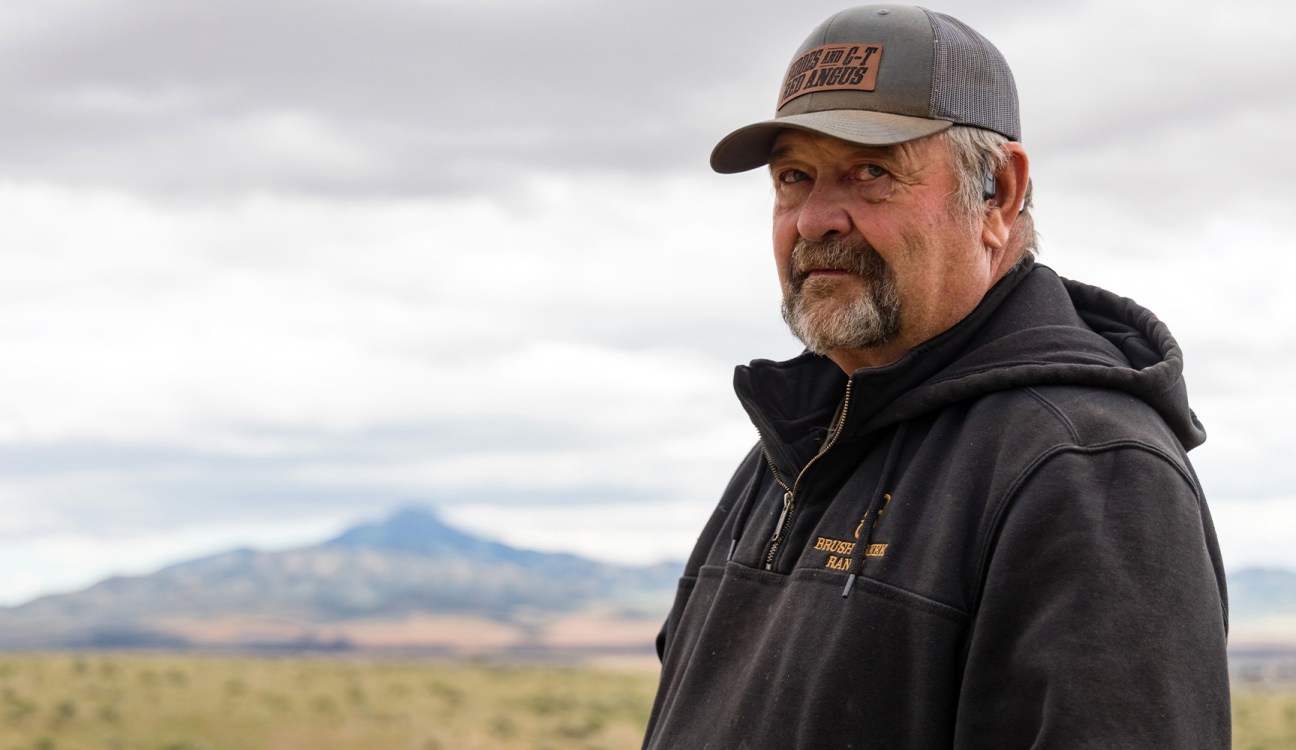
The path to Bannock County’s current crossroads spans several years of mounting tensions, public hearings, and policy pivots:
- Fall 2021: Local farmer Lytton Bastian signs a five-year land lease contract with Moab-based Balanced Rock Power for a parcel near the Populus substation.
- Late 2023: Prompted by concerns surrounding large-scale federal projects like the defunct Lava Ridge Wind Project and unsolicited developer inquiries from companies like Hecate Energy and Balanced Rock Power, Commissioner Hough spearheads a six-month county moratorium on utility-scale energy projects.
- October 12, 2023: The county commission unanimously enacts the temporary moratorium to draft regulatory guardrails.
- February 2024: A heavily attended public hearing at a local high school exposes deep community divisions regarding the proposed 300-megawatt Harmon Solar Project.
- March 2024: The commission votes 2-1 to extend the moratorium and enact a permanent ban on utility-scale wind and solar, with Hough casting the lone dissenting vote. Hecate Energy subsequently cancels its local contracts and withdraws from the county.
- May 2024 and May 2026: Local primary elections consistently demonstrate that while voters in urban Pocatello favor clean energy, rural south Bannock County precincts—particularly Downey—strongly support anti-solar candidates.
- Fall 2026: The county commission prepares to vote on a newly drafted land-use ordinance that would lift the renewable ban and incorporate strict decommissioning and fire-safety regulations.
Divided Community: Property Rights Versus Rural Preservation
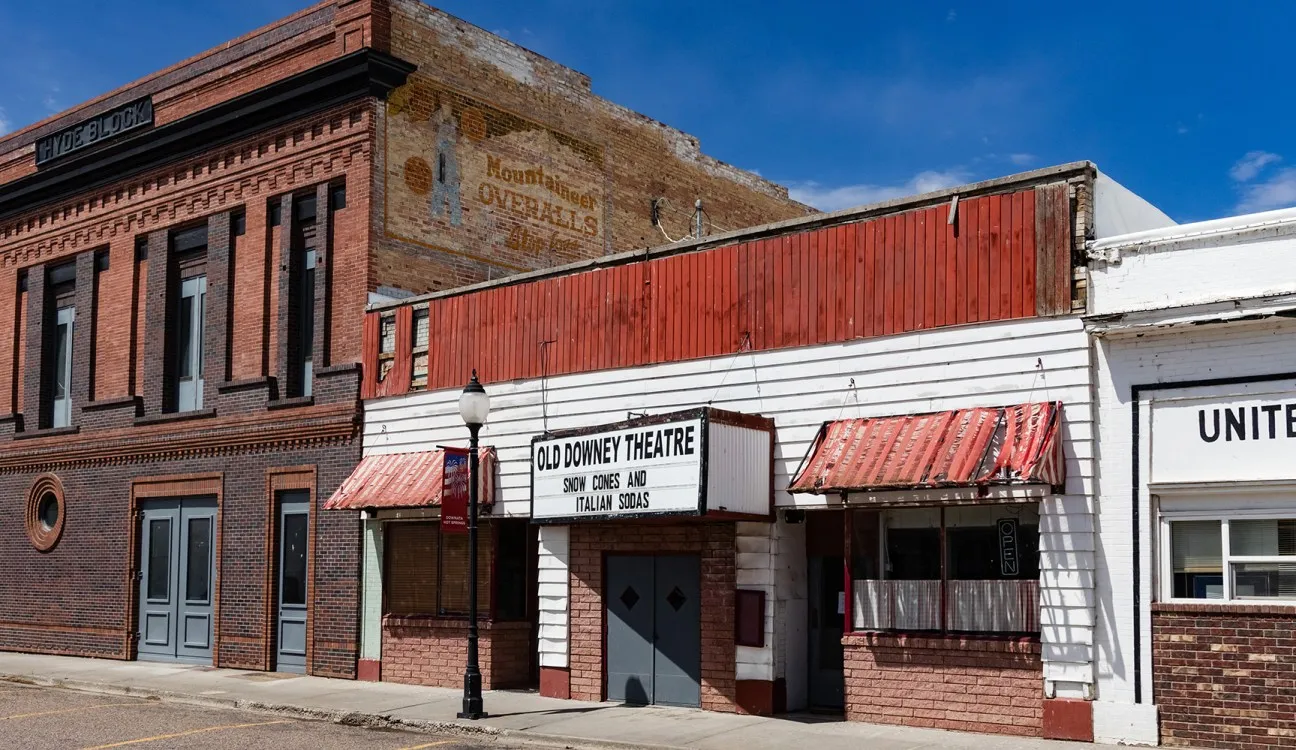
The debate over renewable energy has fractured Bannock County into distinct ideological camps. On one side are farmers and landowners who argue that property rights are paramount and that leasing unproductive acreage for solar development is necessary to keep generational farms solvent.
Dale Lish, a retired USDA worker and grain farmer in Downey, signed a contract to option 400 acres of his land to Hecate Energy before the 2024 ban forced the company to walk away. Lish noted that potential per-acre revenues from solar were four to five times higher than wheat farming alone. Similarly, Steve and Keedrin Criddle, lifelong farmers facing severe agricultural losses due to worsening multi-year droughts and record-low snowpacks, viewed solar leasing as a lifeline to protect their family farm for their 11 grandchildren.
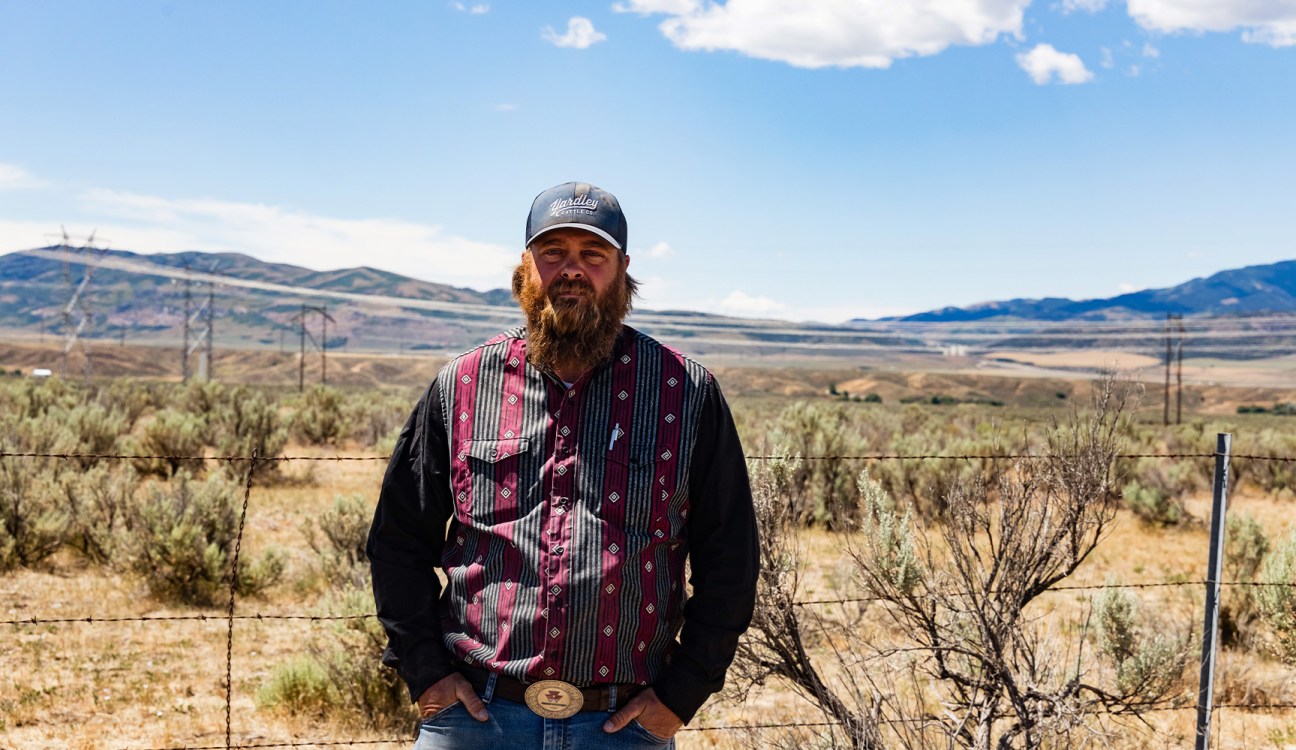
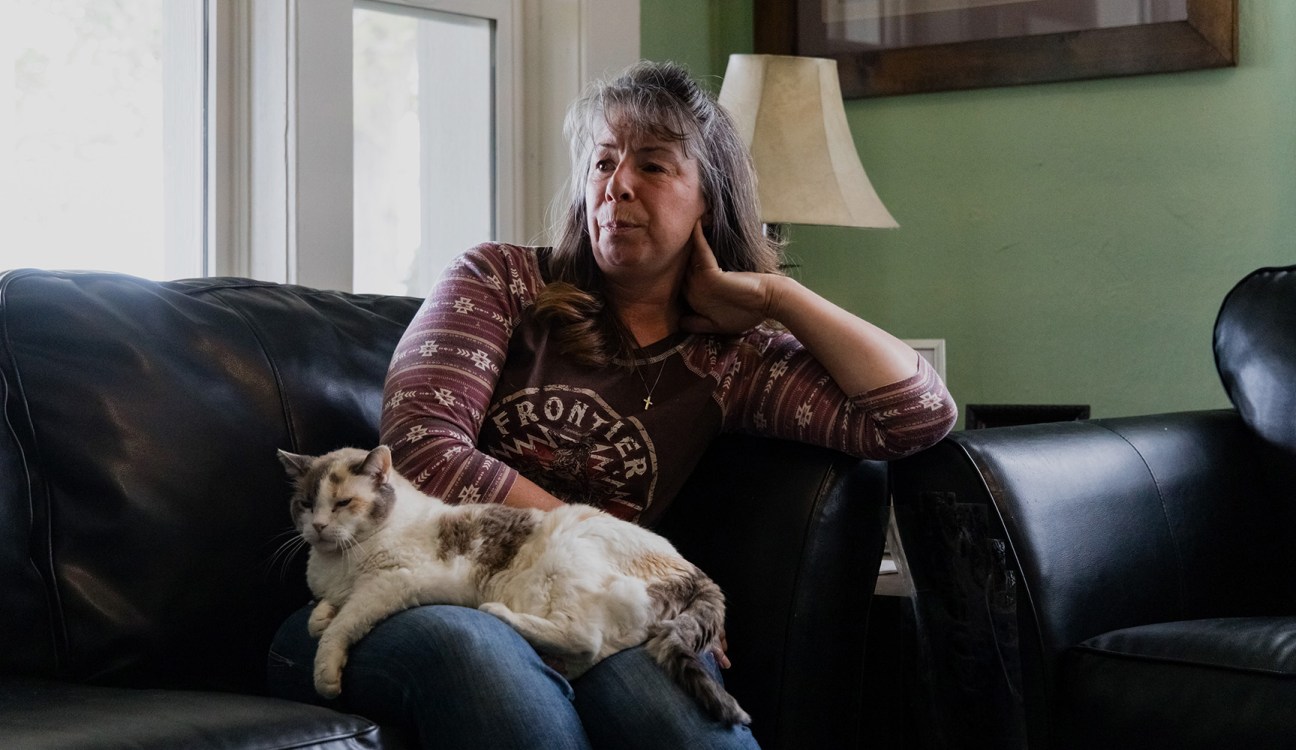
Conversely, anti-solar residents like Rebecca Falcon and Dez Hauser have organized fierce resistance against utility-scale installations. Falcon, who rejected lease offers for her property, argues that industrial solar projects threaten prime agricultural land, fundamentally alter the scenic landscape, and lack long-term decommissioning guarantees. Anti-solar sentiment remains particularly potent in south Bannock County, where local precincts voted overwhelmingly in opposition to renewable expansions during recent election cycles.
The Nuclear Consensus and Future Outlook
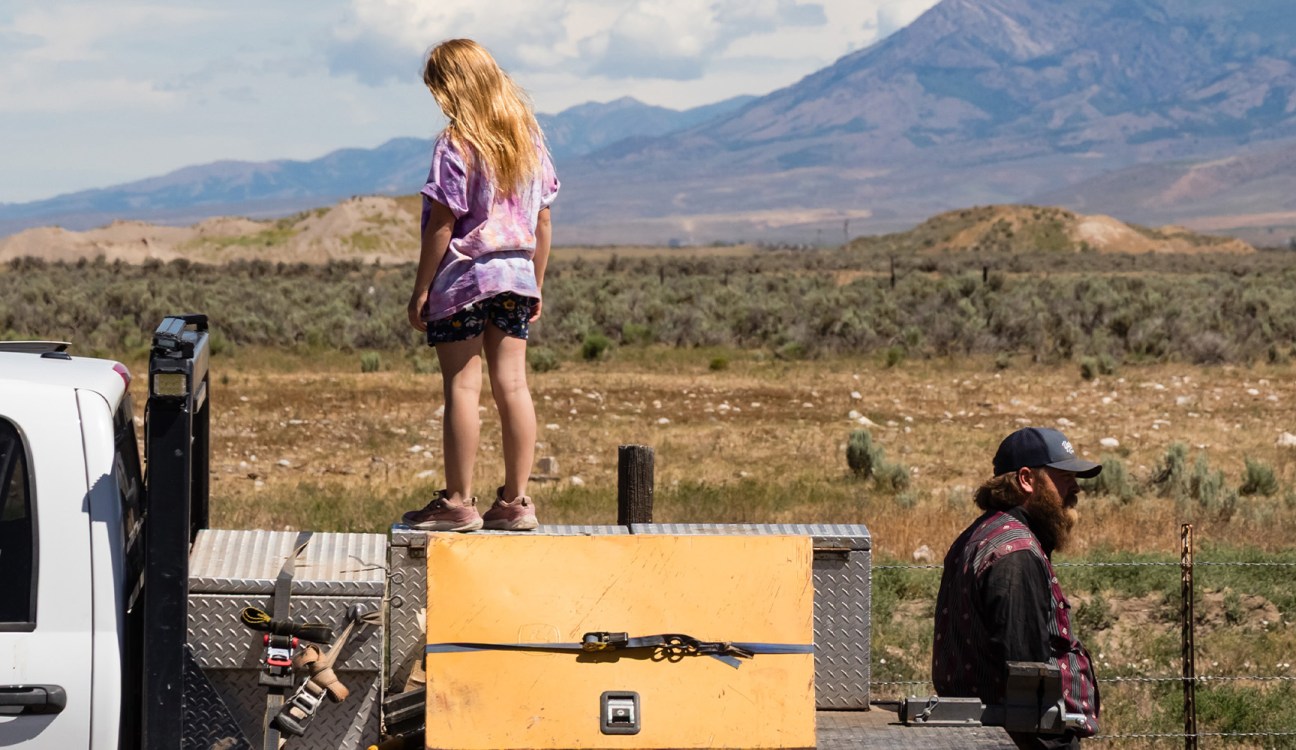
While skepticism toward wind and solar remains deep in rural precincts, Bannock County residents have demonstrated an unexpected consensus regarding nuclear energy. A county survey conducted in January showed that over 90 percent of more than 700 respondents viewed nuclear energy favorably. This enthusiasm is heavily influenced by the proximity of the Idaho National Laboratory (INL) and advanced nuclear initiatives in the region, such as TerraPower’s Natrium reactor project under construction in neighboring Wyoming.
Proponents of the upcoming land-use ordinance hope that including pathways for advanced nuclear technologies, small modular reactors (SMRs), and microreactors will bridge the political divide and secure enough votes to lift the ban. However, industry experts caution that commercial advanced nuclear projects face significant engineering, fuel supply, and regulatory hurdles, meaning renewables will likely remain necessary to meet immediate energy demands over the next decade.
As the county commission prepares for its definitive vote this fall, commissioners like Ernie Moser—who supported the 2024 ban but has recently expressed openness to regulated development—must weigh community anxieties regarding battery fire safety and land stewardship against the region’s undeniable economic and electrical needs. For Bannock County, the upcoming decision will determine not only how power is generated within its borders, but also how its rural communities will adapt and survive in a rapidly changing American West.