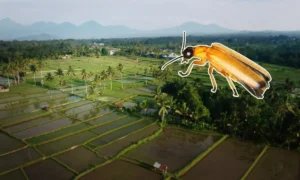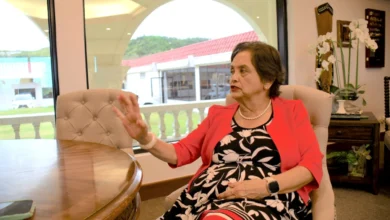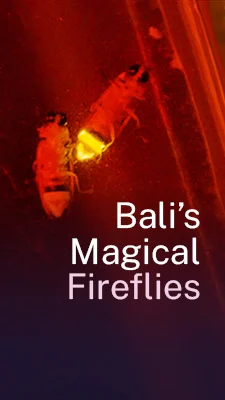
The bioluminescent flicker of fireflies, once a ubiquitous feature of the Balinese nightscape, is rapidly fading into obscurity as the island undergoes profound ecological shifts. In response to this environmental decline, local conservationist Wayan Wardika has spearheaded Bring Back the Light, a pioneering initiative dedicated to restoring firefly populations through scientific breeding and habitat restoration. As Bali faces the dual pressures of rapid urbanization and intensive agricultural practices, the survival of these insects has become a bellwether for the health of the island’s broader ecosystem.
The Ecological Crisis in Southeast Asia
Fireflies, members of the Lampyridae family, serve as vital indicators of environmental quality. Their presence typically signifies a balanced ecosystem with high levels of biodiversity and minimal chemical intervention. Across Southeast Asia, however, these insects are facing an existential threat. Entomological studies indicate that firefly populations are in sharp decline due to a convergence of anthropogenic factors: habitat fragmentation, excessive light pollution, the widespread use of synthetic pesticides, and the overarching instability caused by climate change.
In Bali, the rapid development of tourism infrastructure and the transition toward intensive farming methods have fragmented the wetlands and forests that fireflies require to complete their complex life cycles. These beetles spend the majority of their lives in their larval stage, often living in damp soil or near water sources, where they are highly susceptible to chemical runoff. When fertilizers and pesticides permeate these micro-habitats, the larvae are often wiped out before they can ever reach the adult stage necessary for reproduction.
The Genesis of Bring Back the Light
Recognizing the silent disappearance of these iconic insects, Wayan Wardika launched Bring Back the Light in 2020. It remains the only dedicated firefly conservation initiative in Indonesia. The project operates on two distinct but complementary tracks: laboratory-based breeding and community-led land management.
The initial phase of the project focused on the scientific challenges of captive breeding. Working with a small team of specialized researchers, Wardika sought to understand the specific nutritional and environmental triggers required to successfully rear fireflies from eggs to adulthood. By isolating these factors, the team has been able to produce healthy cohorts of fireflies for release back into protected natural habitats. This, however, was only the first step. The team quickly realized that reintroduction without systemic habitat reform would yield only temporary results.
Chronology of Conservation Efforts
The trajectory of firefly conservation in Bali reflects a growing awareness of the intersection between traditional agriculture and environmental stewardship.
- 2019: Preliminary field surveys conducted by Wardika’s team reveal a significant decline in firefly sightings across central Bali, specifically in areas previously known for high densities of Lampyridae.
- 2020: The official launch of Bring Back the Light occurs. Initial efforts focus on building infrastructure for captive breeding and conducting local educational workshops.
- 2021: The initiative shifts its focus from pure laboratory breeding to field trials, assessing the survival rates of released fireflies in controlled, semi-wild environments.
- 2022: Wardika expands the scope of the program to include local farmers. Research indicates that the primary cause of mortality for larvae in these regions is the chemical toxicity found in rice paddies.
- 2023–2024: The initiative transitions into a collaborative model, working with local farming cooperatives to implement organic pest management strategies that protect firefly populations while maintaining crop yields.
Data-Driven Environmental Impact
The decline of the firefly is not merely an aesthetic loss for the tourism industry; it is a warning sign of collapsing soil health and water quality. Entomologists have noted that fireflies are sensitive to "light pollution," which disrupts their mating signals. Unlike other insects, fireflies rely on specific bioluminescent flashes to locate mates. When artificial lights—such as those from new hotel developments or street lighting—drown out these signals, reproductive success rates plummet.
Furthermore, the impact of pesticides is well-documented. Research published by the International Union for Conservation of Nature (IUCN) suggests that agricultural chemicals specifically targeting mollusks and other soil-dwelling organisms inadvertently destroy the firefly’s primary food source. By advocating for organic farming, Wardika’s initiative is not only saving fireflies but also promoting the restoration of soil microbiology, which is essential for sustainable agriculture in the long term.

The Shift Toward Organic Agriculture
A critical component of Wardika’s current strategy is the engagement of the local agricultural community. In many parts of Bali, the use of chemical inputs has become entrenched over the last several decades. Transitioning these farmers to organic practices requires more than just encouragement; it requires demonstrating that firefly-friendly methods are economically viable.
Wardika’s team provides workshops that teach farmers how to utilize natural alternatives, such as compost-based fertilizers and biological pest control, which do not poison the delicate micro-habitats required by firefly larvae. By creating "firefly corridors"—strips of organic, pesticide-free land that connect fragmented habitats—the initiative allows populations to migrate and expand naturally. This strategy recognizes that isolated pockets of conservation are insufficient; true biodiversity requires interconnected landscapes.
Official Responses and Broader Implications
While government-level responses to firefly conservation in Indonesia remain in their infancy, the work conducted by Wardika has garnered attention from environmental NGOs and academic researchers. Experts suggest that the "Bali model" of integrating community agriculture with wildlife conservation could be replicated in other parts of Southeast Asia, where rapid modernization is threatening endemic species.
From an economic perspective, there is a growing realization that biodiversity loss in Bali poses a long-term risk to the island’s tourism-dependent economy. Tourists are increasingly seeking eco-tourism experiences, and the loss of natural features like the nightly firefly display diminishes the appeal of the island’s rural hinterlands. By protecting the environment, local initiatives are indirectly safeguarding the future of the tourism industry.
Analysis: The Challenges Ahead
Despite the progress made by Bring Back the Light, the project faces significant hurdles. Chief among these is the scale of the challenge; as urbanization continues to push outward from Denpasar and other major hubs, the amount of available land is shrinking. Furthermore, the economic incentives for farmers to use high-yield chemical fertilizers remain strong, creating a tension between short-term financial needs and long-term ecological preservation.
For Wardika, the mission is as much about cultural preservation as it is about biology. Fireflies hold a significant place in the folklore and cultural identity of many Indonesian communities. Their disappearance is seen by many locals as a loss of heritage. By fostering a sense of pride in the protection of these insects, the initiative hopes to create a grassroots movement that can withstand the pressures of commercial development.
Conclusion
The efforts led by Wayan Wardika represent a vital attempt to reverse the tide of ecological degradation in Bali. By combining rigorous scientific methodology—such as captive breeding—with the practical, day-to-day realities of agricultural management, Bring Back the Light offers a blueprint for how local communities can take agency over their own environmental futures.
Whether these efforts will be enough to halt the decline remains to be seen. However, the initiative has successfully highlighted the critical need for a more harmonious relationship between modern development and the natural world. As Bali continues to grapple with the complexities of the 21st century, the survival of the firefly may ultimately serve as the most accurate metric of whether the island can maintain its ecological integrity for generations to come. Through education, policy advocacy, and hands-on conservation, the light of the Balinese firefly may yet be sustained.