The Bitter Price of Green Gold: How Avocado Expansion is Dehydrating Michoacán and Threatening Mexico’s Watersheds

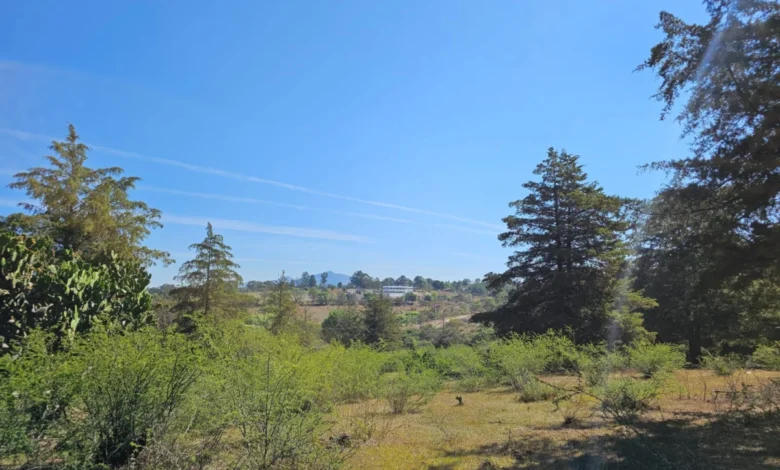
In the southwestern Mexican state of Michoacán, the struggle for environmental preservation has moved from the deep wilderness into the heart of urban centers like Uruapan. Here, Juan Madrigal, a long-time activist and founder of the nonprofit Ecocentro del Río Cupatitzio, leads a grassroots movement to protect a 50-hectare (124-acre) urban ecological park. Situated along the banks of the Río Santa Bárbara, this plot of land has been a state-protected area since 1995, serving as a critical filter for the Cupatitzio watershed. The watershed’s nine natural springs are the lifeblood of the region, providing drinking water to approximately 500,000 residents. However, as the global appetite for avocados reaches record heights, the ecological integrity of this watershed—and the survival of the species within it—is being pushed to a breaking point.
The park is a vital sanctuary for several high-priority species, including the ruddy-capped nightingale-thrush (Catharus frantzii), the endangered Michoacán pocket gopher (Zygogeomys trichopus), and the endemic Pátzcuaro frog (Lithobates dunni). Despite its ecological importance, Madrigal reports that the area has suffered from decades of official neglect. The movement to save the park only gained significant political and social traction when it began to align with the interests of downstream ranchers who grow corn and traditional fruits. These stakeholders have come to a stark realization: the health of their livestock and crops is inextricably linked to the preservation of the native forest. In the local parlance, the logic is simple yet profound: without trees, there is no water. However, for the industrial avocado sector, a more urgent inverse has taken hold: without immense quantities of water, there are no avocados.
The Scale of the Avocado Expansion
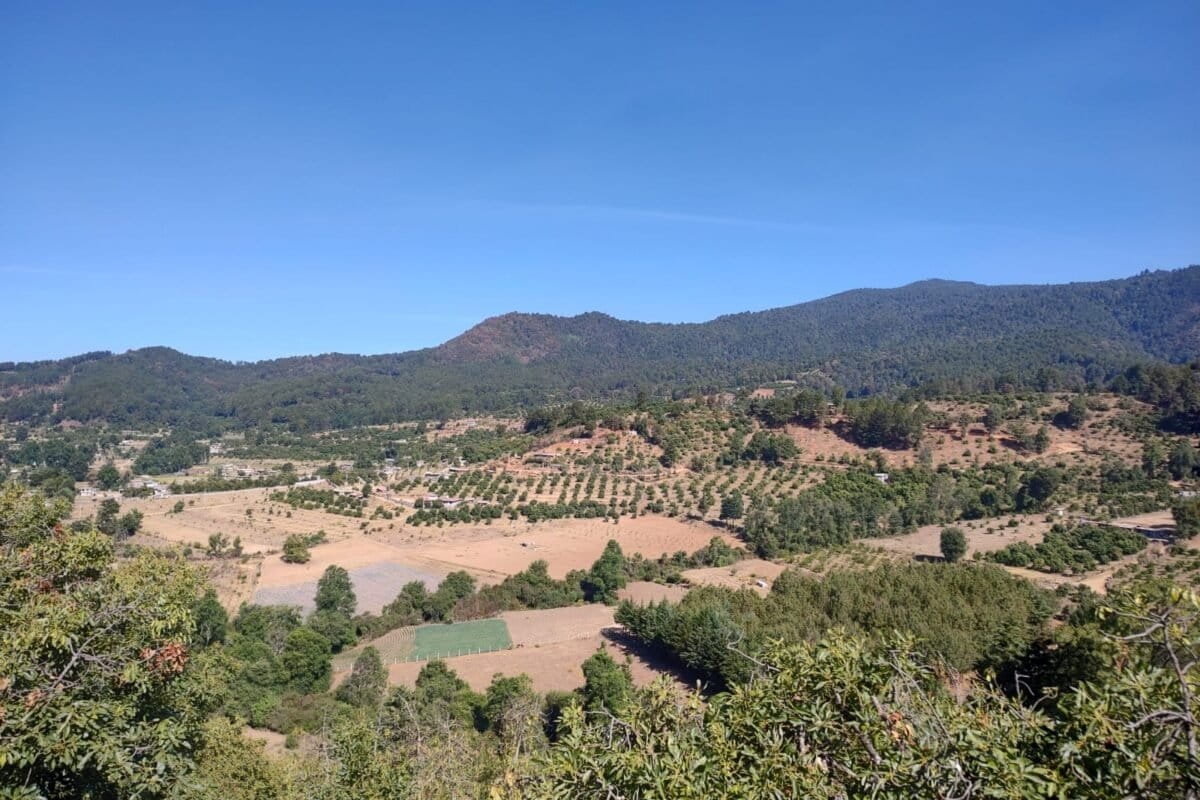
Michoacán stands as the world’s leading exporter of avocados and remains the only location on Earth where the fruit is harvested year-round. This agricultural dominance, however, has come at a staggering environmental cost. Between 1993 and 2023, avocado orchards replaced nearly 700,000 hectares (1.7 million acres) of native tree cover across the state. To put this figure into perspective, the lost forest area is approximately three times the size of Cape Town, South Africa. This massive land-use change was catalyzed in 1997 when the United States opened its markets to Hass avocados from Mexico, triggering an agricultural "gold rush" that transformed the landscape and the socio-political fabric of the region.
The rush for "Green Gold" has not only fueled deforestation but has also invited the presence of organized crime. Criminal syndicates in Michoacán and neighboring Jalisco have increasingly exerted control over the avocado supply chain, using the lucrative crop to fund operations and engaging in violent land-grabbing. More recently, this conflict has shifted toward the control of water resources. Scientists and activists warn that as global demand is forecast to triple by 2030, the hydrological stress on Michoacán’s temperate forests will reach catastrophic levels.
Scientific Evidence of Hydrological Decline
A landmark study published in 2026 in npj Sustainable Agriculture provides a data-driven look at the dehydration of Michoacán’s "Green Gold Belt"—the region with the highest concentration of industrial avocado production. Researchers, including Alma Vázquez-Lule of the National Autonomous University of Mexico (UNAM), found that between 2001 and 2018, soil moisture in areas with high avocado productivity declined at an annual rate of 38 liters (10 gallons) per cubic meter. The study concluded that roughly 50% of the region is now at high risk of losing its essential topsoil moisture.
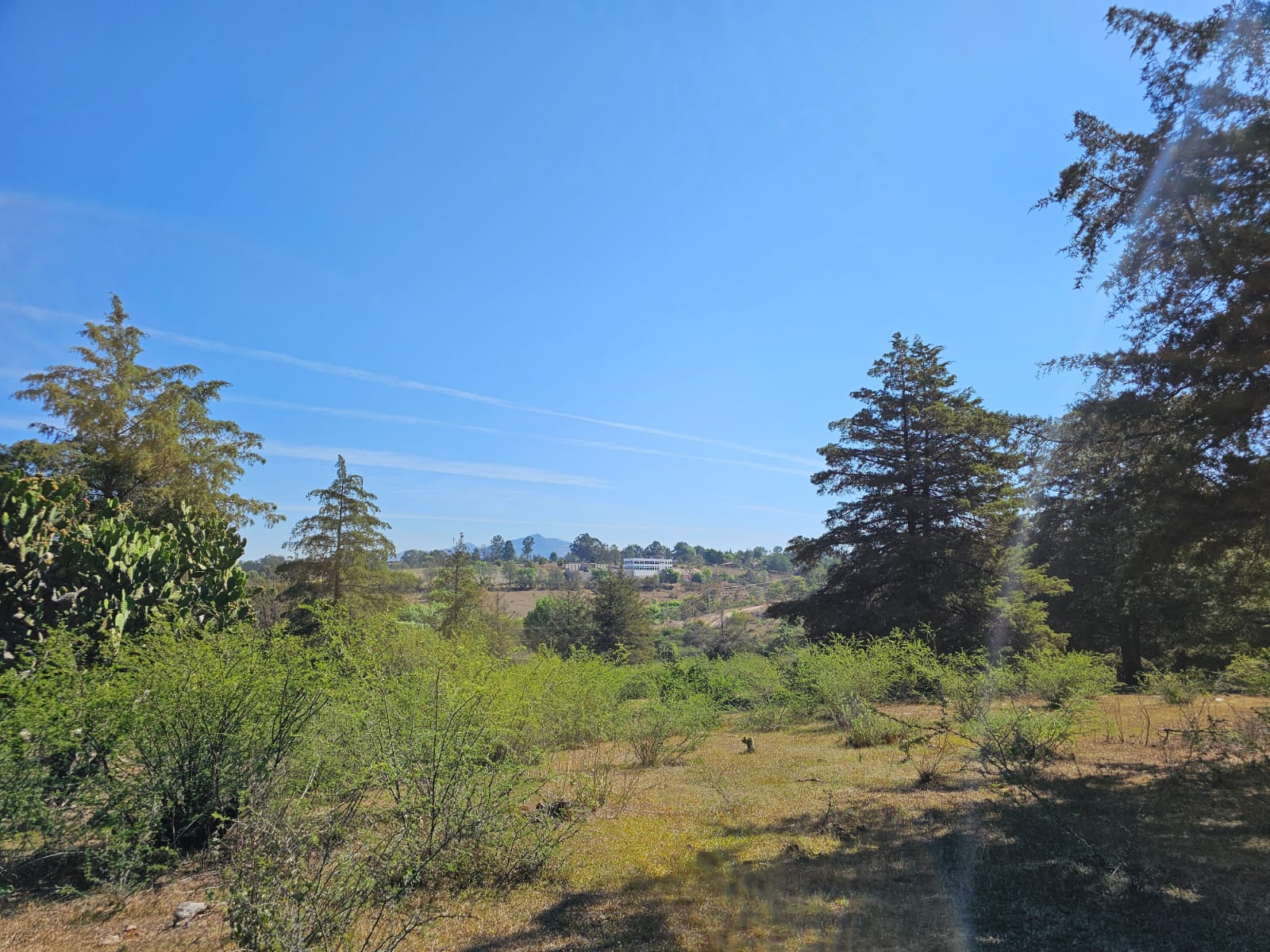
The physiological demands of the avocado tree are a primary driver of this trend. Unlike the native pines and oaks of Michoacán, which are adapted to the local climate and help facilitate groundwater recharge, avocado trees have a shallow root structure and high transpiration rates. In hot climates, a single tree can require up to 220 liters (58 gallons) of water per day during the summer months. To sustain these orchards through the six-month dry season, producers have constructed thousands of human-made ponds, known as hoyas. In 2024, a year of severe drought across Mexico, the mayor of Pátzcuaro reported the existence of 800 unauthorized water collection points around the Pátzcuaro lakebed alone, with an estimated 4,000 such ponds operating statewide.
The cumulative impact of these practices is staggering. Researchers estimate that the Green Gold Belt lost 68.4 billion liters of topsoil moisture over the 17-year study period. This loss translates to a direct impact on human rights: approximately 110,000 people—roughly 2.3% of the state’s population—lose access to the World Health Organization’s recommended daily water intake every year. If the metric is adjusted to "basic access" (20 liters per day), the study suggests that over half a million people are suffering the consequences of this moisture loss annually.
Biodiversity and the Shrinking Lakes
The environmental degradation extends far beyond the soil. Arturo Chacón Torres, a limnologist at the University of Michoacán, describes the avocado industry as a "plague" that threatens the very existence of the forest. He notes a severe decline in the oyamel fir (Abies religiosa) population, particularly in the highlands, due to the intense droughts of 2023 and 2024. As soil moisture vanishes in traditional growing areas, producers are pushing orchards onto steeper, higher-altitude slopes—the very areas where water is naturally generated and filtered into the watershed.
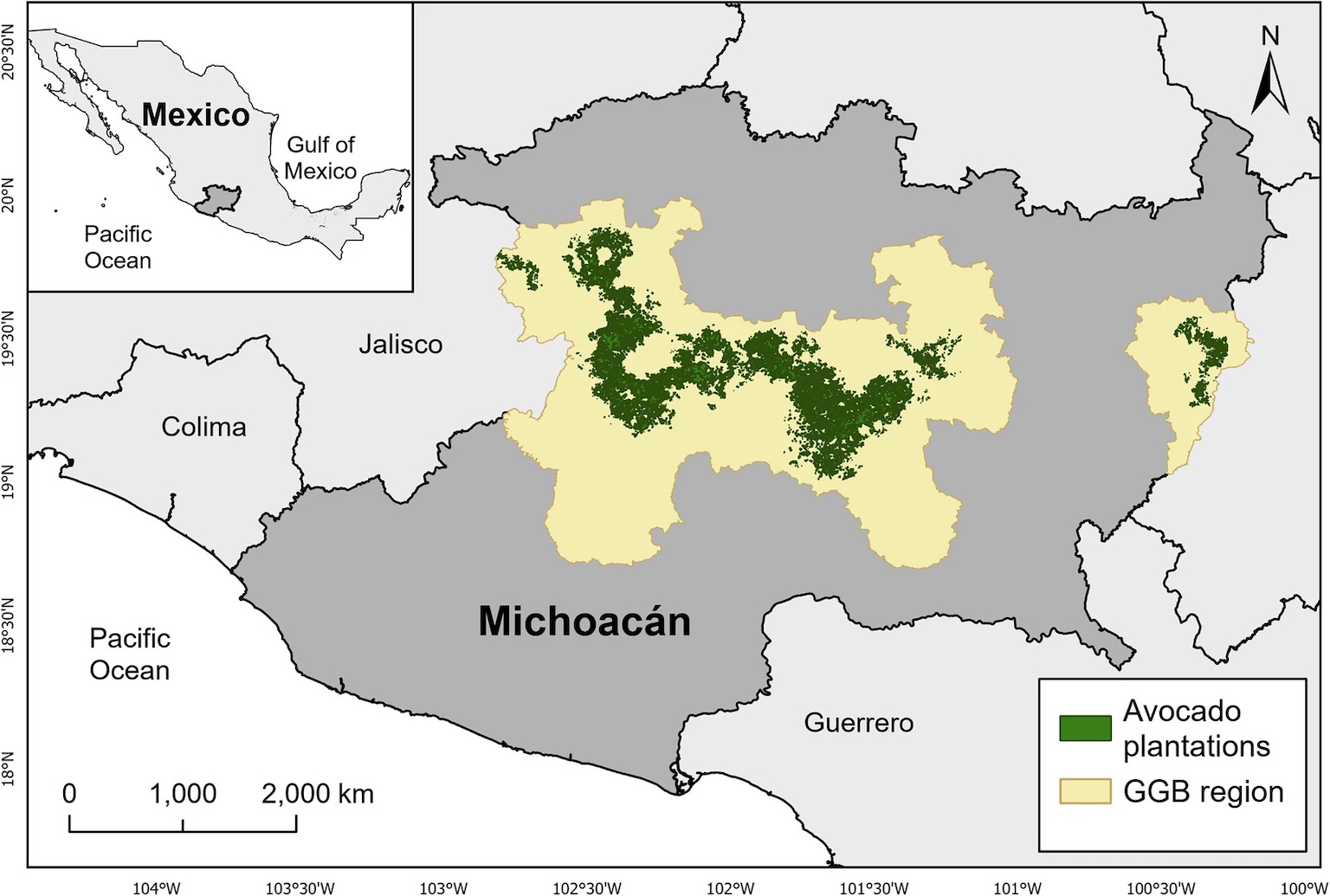
This upward expansion prevents water from reaching ravines, rivers, and lakes. The results are visible to the naked eye. Lake Pátzcuaro and Lake Cuitzeo, both internationally recognized sanctuaries for migratory birds and home to the endemic achoque (Lake Pátzcuaro salamander), have halved in size over the last 40 years. The loss of leaf litter in deforested areas further accelerates the problem, as the lack of ground cover allows moisture to evaporate more quickly, disrupting soil bacterial communities and the entire local water cycle.
Indigenous Resistance and Social Reactions
The environmental crisis has sparked a unified response from the state’s indigenous populations. In May 2024, the Supreme Indigenous Council of Michoacán issued a formal notice to the avocado industry, condemning the "accelerated environmental degradation" associated with orchard expansion. The statement represented 80 communities from the P’urhépecha, Otomí, Mazahua, Nahua, and Afro-Mexican peoples. These groups are demanding a halt to the encroachment on their ancestral territories, citing the destruction of their forests and the theft of their water sources.
In contrast, the Agricultural Association of Avocado Producers of Uruapan has pushed back against these findings. In a public statement, the association argued that such studies contribute to a narrative that discredits the entire sector. They have called for researchers to distinguish between "historical producers" who existed before the 1997 export boom and newer, often more aggressive industrial operations. The association has also urged the government to focus on stopping illegal deforestation rather than penalizing established growers.

Policy Initiatives and the Road Ahead
In response to growing international and domestic pressure, the Michoacán government has introduced several initiatives aimed at curbing the damage. The "Forest Guardian" (Guardián Forestal) platform uses satellite imagery to monitor land-use changes in real-time. Since its inception, the system has generated over 1,000 reports of illegal deforestation and has begun blocking orchards on recently deforested land from using certified packing houses for export.
Furthermore, as of January 2026, major industry associations have pledged that avocados grown on illegally deforested land will no longer be eligible for export to the United States. The state also introduced the "Proforest Avocado" certification in 2024, which identifies orchards that have not engaged in deforestation since 2018. However, critics like Vázquez-Lule argue that the 2018 threshold is too lenient, as significant land-use changes were already well underway by 2011.
For veteran growers like Arturo Troyo, who has farmed near Uruapan for four decades, the industry is at a crossroads. Troyo notes that for the first time in his career, he is forced to water his trees—a practice that was once unnecessary in the naturally humid climate of Michoacán. He describes the current situation as a "crisis" exacerbated by climate change, with USDA projections suggesting a 15% decrease in regional rainfall over the next 30 years.

Analysis of Implications
The situation in Michoacán serves as a global case study for the hidden costs of "superfood" commodities. While the avocado industry provides significant economic revenue and employment, the current model appears ecologically unsustainable. The transition from a "forest landscape" to an "avocado belt" has compromised the hydrological security of millions.
To mitigate the damage, experts suggest a shift toward an "avocado mosaic" model. This would involve strict regulation to prevent cultivation on steep slopes, mandatory environmental impact studies for all new orchards, and a requirement for producers to reforest areas proportional to their orchard size. Without such radical shifts in management and a commitment to restoring the native watersheds, the "Green Gold" that built Michoacán’s modern economy may eventually leave the region wealthy in capital but bankrupt in the very water required to sustain life. The survival of the Cupatitzio watershed and the communities that depend on it now rests on whether the state can prioritize long-term ecological stability over short-term export growth.
Related posts: