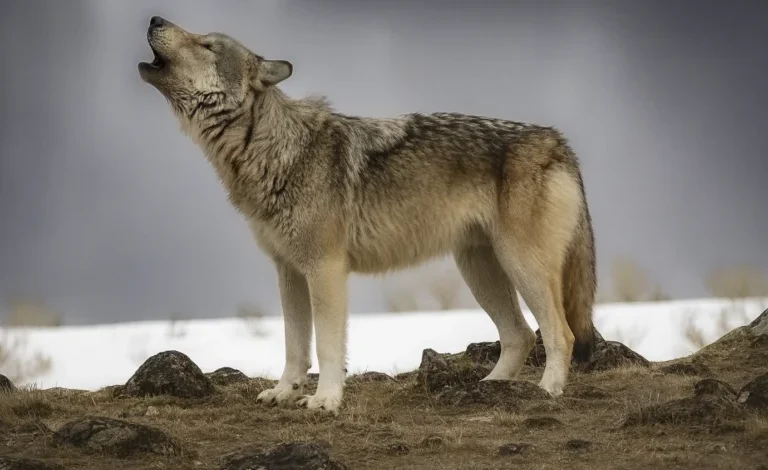
Five years ago, on a remote stretch of a Montana farm, Jeff Reed stood with a rifle in his hands, staring down a gray wolf standing just 30 feet away. Raised on the pervasive cultural myth of the wolf as a villain—a narrative rooted in folklore and centuries of agricultural animosity—Reed’s instinct was to fire. But as he looked through the sights at the animal, the impulse evaporated. Instead of pulling the trigger, he fired into the air, watching as the creature simply trotted away, indifferent to the threat. That singular moment of hesitation served as a catalyst for a radical shift in Reed’s life, leading the former Silicon Valley software executive and Ph.D. linguist to pivot from corporate technology toward the burgeoning field of bioacoustics and apex predator conservation.

Today, Reed is the architect of the Cry Wolf Project, an initiative that leverages advanced artificial intelligence and high-fidelity sound recording to decode the "language" of wolves. Operating in partnership with the Yellowstone Wolf Project, Reed is moving beyond traditional, invasive tracking methods to foster a new paradigm of coexistence.
A New Chapter in Yellowstone Wildlife Biology
The management of wolves in the United States has long been a flashpoint for debate. Following their eradication from Yellowstone National Park between 1918 and 1926, the ecosystem suffered a dramatic trophic cascade. Without the pressure of an apex predator, elk and deer populations surged, leading to the overgrazing of riparian vegetation, the decline of willow and aspen groves, and the subsequent displacement of beavers and songbirds.
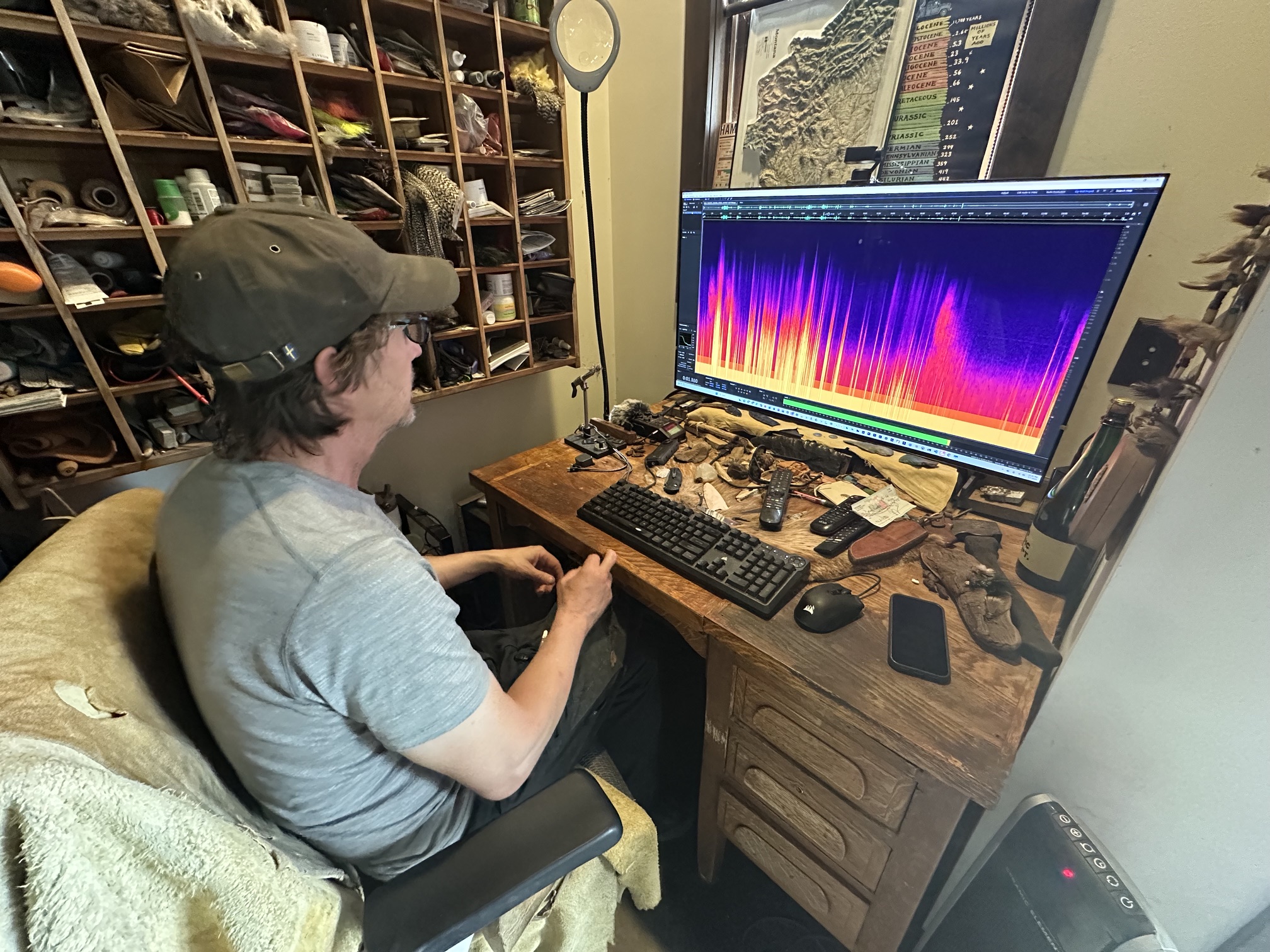
The 1995 reintroduction of wolves into the park was a historic conservation effort, one that fundamentally restored the balance of the ecosystem. Dan Stahler, the current director of the Yellowstone Wolf Project, has been at the center of this monitoring effort since the late 1990s. As the project enters its third decade, the focus has shifted toward refining research methods to be less invasive and more comprehensive. Traditionally, this has required the risky and expensive process of tranquilizing wolves from helicopters to attach GPS collars. Reed’s work represents a technological evolution in this process. By deploying autonomous recording units (ARUs)—dubbed "GrizCams"—across the backcountry, researchers can now gather data on pack dynamics, territoriality, and communication without ever disturbing the animals.
The Science of "Wolfish" and Bioacoustic Data
The scale of data collection currently managed by the Cry Wolf Project is unprecedented. Approximately 50 ARUs are distributed throughout the Yellowstone wilderness, capturing 500,000 hours of audio annually. From this massive soundscape, Reed has engineered AI models capable of identifying and isolating over 8,000 hours of continuous wolf vocalizations. This database stands as the most extensive collection of its kind globally, providing a foundation for a linguistic-style analysis of animal behavior.

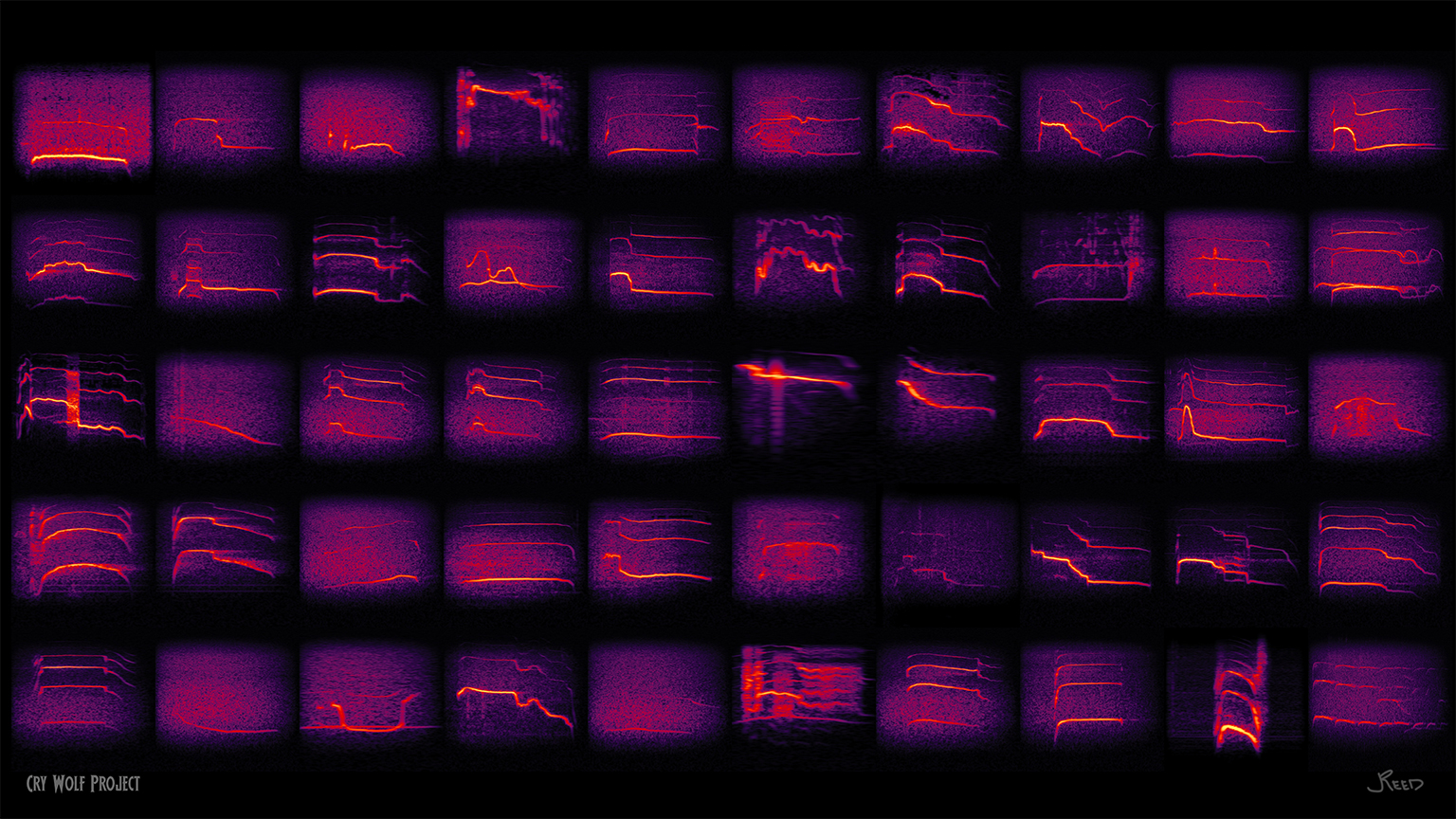
Wolves are highly social animals with a diverse repertoire of vocalizations, including barks, whimpers, whines, yelps, moans, and the iconic, complex "chorus howl." By converting these sounds into spectrograms—visual representations of frequency and time—Reed and his collaborators can analyze the structural patterns of these sounds. The objective is not to translate wolf communication into human syntax, but rather to "narrate the howl." By correlating specific vocalizations with observed behaviors, researchers hope to discern the intent behind the calls. For example, specific vocal patterns have been identified during risky river crossings or following the success of a hunt, providing a window into the emotional and social lives of these animals.
Bridging the Gap: Public-Private Partnerships
The collaboration between the National Park Service and private innovators like Reed marks a shift in how scientific research is funded and executed. Academic institutions, while rigorous, often struggle to keep pace with the rapid iteration cycles of software and hardware development found in the private sector. Mark Hebblewhite, a conservation ecologist at the University of Montana, notes that this "public-private partnership" allows for a speed of innovation that traditional research grants cannot always sustain.
The impact of this technology extends far beyond Yellowstone. In the Po Valley of northern Italy, local conservationist Paolo Mainardi has implemented Reed’s bioacoustic tools through his group, Osservatorio Lupi. Facing similar challenges as ranchers in the American West, these citizen scientists are using ARUs to detect the proximity of wolf packs to human settlements. By monitoring the acoustic footprint of the animals, they hope to develop early-warning systems that can deter wolves from entering livestock-heavy areas without resorting to lethal control.
Implications for Future Conservation
The broader goal of the Cry Wolf Project is to promote "conservation by empathy." Reed argues that the vilification of wolves is a consequence of ignorance regarding their social structure. By demonstrating that wolf packs exhibit complex family bonds, care for their young, and intricate communication strategies, the project aims to change the public perception of the species.

However, the use of AI in ecology is not without its limitations. As Harvard evolutionary neuroscientist Erin Hecht points out, while machine learning can detect patterns that human ears might miss, the interpretation of that data remains a fundamentally human endeavor. The AI acts as a sophisticated filter, but it requires the labor of experts to annotate and contextualize the findings. Reed himself is currently engaged in the painstaking work of manual annotation, having completed roughly 20% of the 8,000-hour database.
The Path Forward
The data harvested by these systems is already yielding significant insights. For instance, the project recorded the final hours of "907," a legendary 11-year-old wolf who was a favorite among park observers before her death in late 2024. Such data points allow researchers to document the life histories of individuals in ways that were previously impossible.
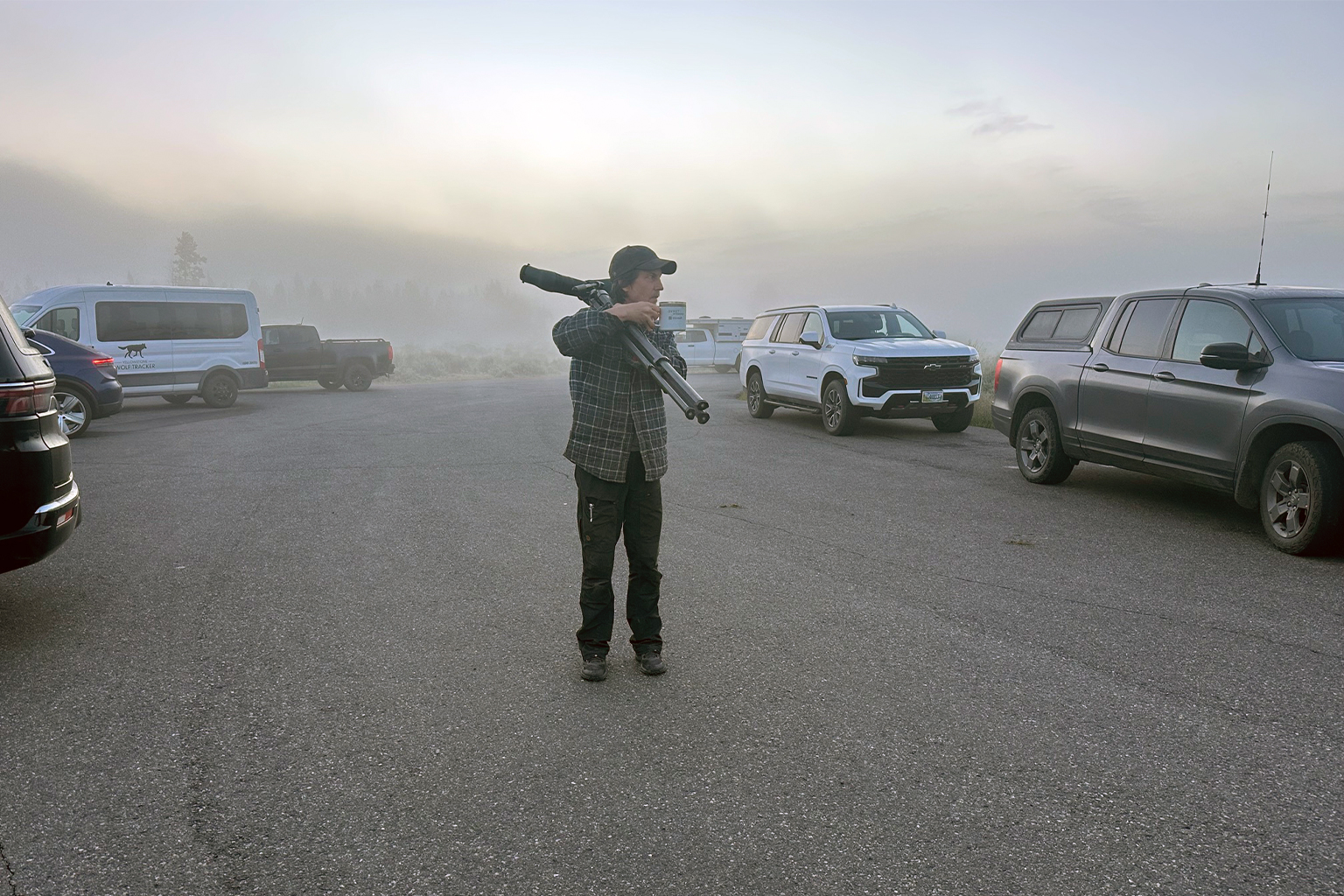
As Reed prepares for the 2027 release of his book on wolf communication, his focus remains on the scalability of his technology. By providing open-source access to his software and hardware designs, he hopes to empower communities worldwide to conduct their own bioacoustic research. Whether in the Absaroka Mountains or the hills of Italy, the message is consistent: if communities can monitor, identify, and understand the wolves around them, the necessity for conflict-based management diminishes.
The transformation from a man who once reached for a rifle to a man who now holds a microphone is a microcosm of the changing relationship between humanity and the wild. As we continue to refine our tools for listening, the barrier between observer and subject thins. The "wolfish" language being decoded in the silent, mist-covered valleys of Yellowstone may ultimately be the key to ensuring the survival of the species in an increasingly crowded world. Through the intersection of linguistics, artificial intelligence, and field biology, the Cry Wolf Project is proving that the most powerful tool for conservation is not force, but the understanding that comes from paying close, informed attention.