Devastating Wildfires Ravage Chacobo-Pacahuara Indigenous Territory in Northern Bolivia Amidst Growing Environmental Crisis

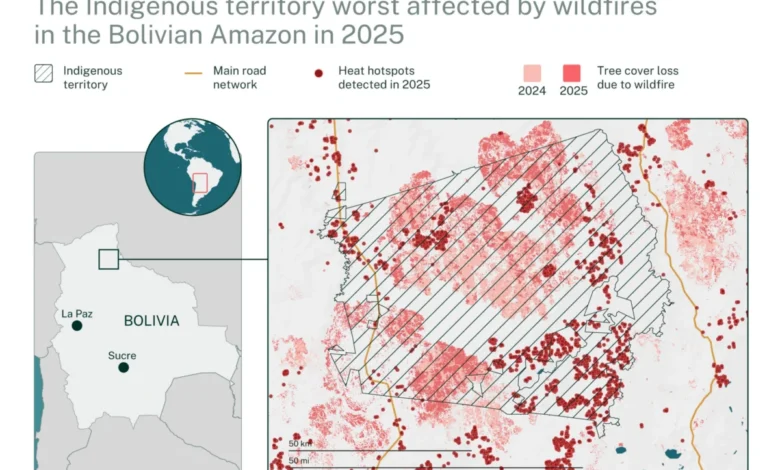
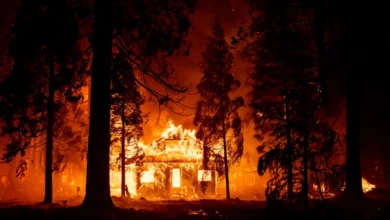
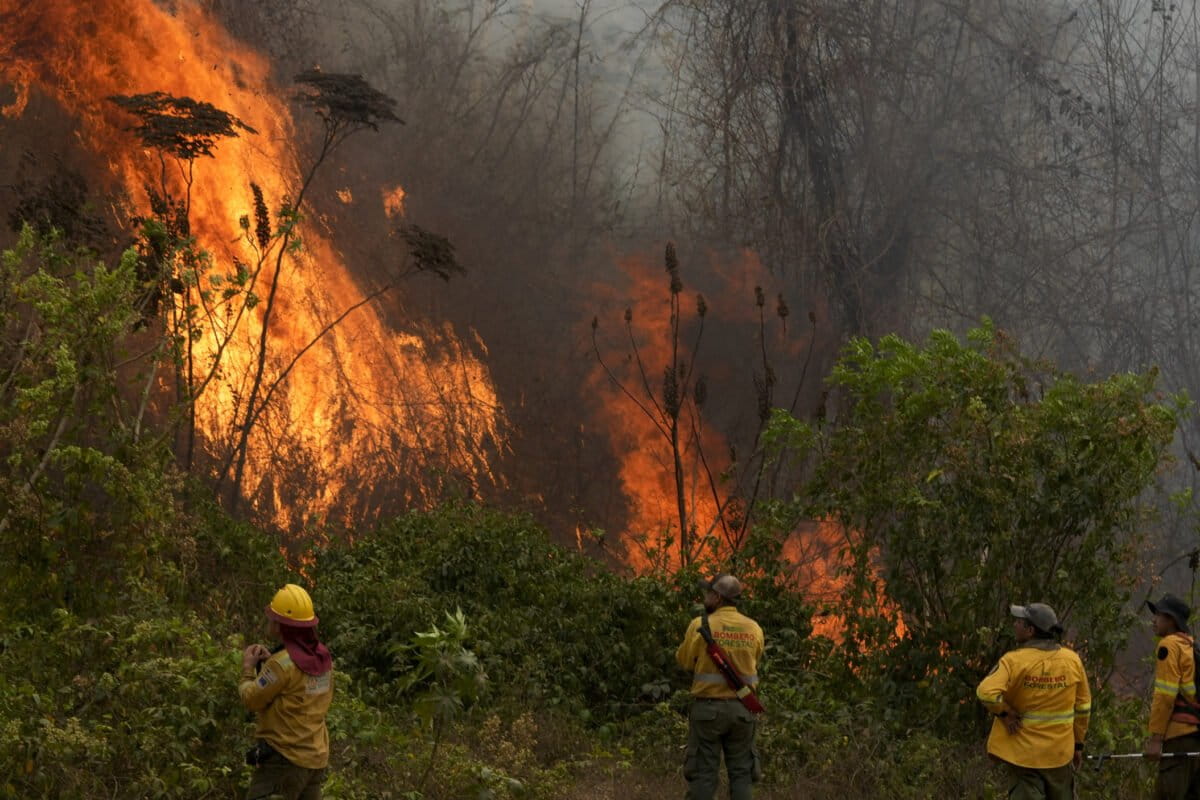
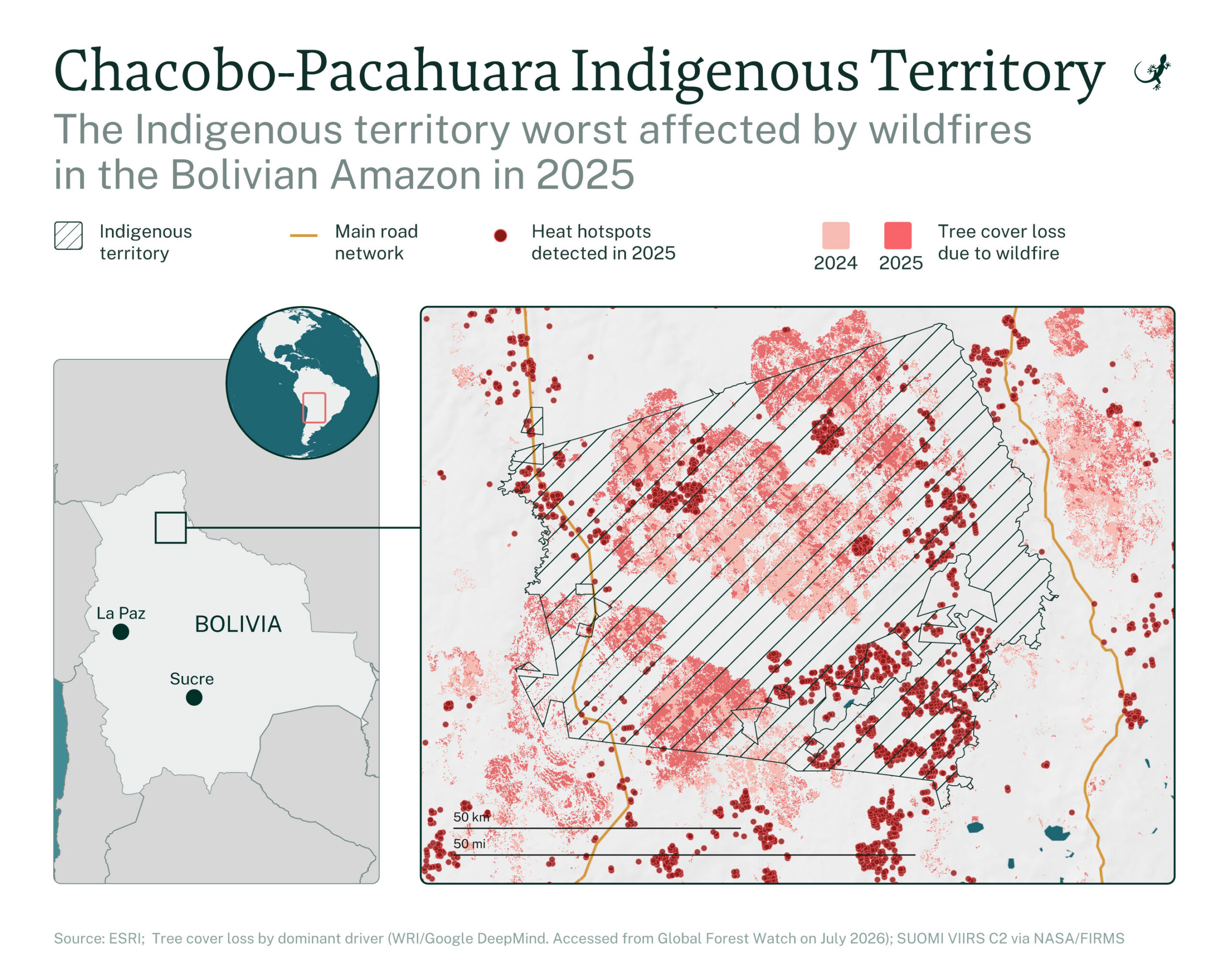
The Chacobo-Pacahuara Indigenous territory, a critical ecological corridor in the Beni department of northern Bolivia, is currently enduring a catastrophic wave of wildfires that has decimated thousands of hectares of primary forest and savanna. According to a combination of satellite imagery and harrowing reports from local leaders, the flames have not only obliterated vital ecosystems but have also destroyed the homes and subsistence livelihoods of the Indigenous communities who have served as the land’s primary guardians for generations. These fires, which intensified throughout September and October 2025, represent the third consecutive year of record-breaking fire activity in the region, signaling a worsening environmental trend that threatens both biodiversity and human rights in the Bolivian Amazon.
A Landscape Under Siege: The Immediate Impact
The scale of the destruction in the Chacobo-Pacahuara territory is unprecedented in recent history. Data analyzed by Global Forest Watch and the Center for Legal Studies and Social Research (CEJIS) indicates that the 2025 fire season has been particularly relentless. Between January 1 and September 12, 2025, monitors recorded 1,141 heat hotspots within the territory. This was followed by a sharp escalation between late September and mid-October, where an additional 845 hotspots were identified. This spike aligns with the peak of the Bolivian Amazon’s dry season, a period when the landscape becomes a tinderbox, and even small sparks can lead to uncontrollable conflagrations.
The human cost of these fires is staggering. For the Chácobo people, the forest is not merely a backdrop but a direct source of life. Constantino Toledo Ortiz, a prominent leader of the Chácobo people, has sounded the alarm regarding the total loss of subsistence crops. In a series of communications, Ortiz detailed the destruction of fields dedicated to cassava, banana, corn, and rice—staples that form the foundation of the local diet and economy. Beyond the loss of food security, the fires have leveled residential structures, leaving families homeless and vulnerable to the elements and the thick, toxic smoke that has blanketed the Beni department for weeks.
The Peril of Isolated Communities
Perhaps the most distressing aspect of the current crisis is the unknown fate of the Pacahuara people living in voluntary isolation. These "uncontacted" or "isolated" groups rely entirely on the integrity of the forest for their survival. As the fires consumed the "forest islands"—elevated patches of dense vegetation within the savanna—the traditional habitats of these groups were effectively erased.
"We have Indigenous relatives who live in voluntary isolation, and we do not know what has happened to them because the forest and the forest islands where they lived burned," Constantino Toledo Ortiz told Mongabay. The uncertainty has led to fears that these communities may have been forced to flee across the border into Brazil, potentially leading to dangerous "forced contact" scenarios or conflicts with other groups. The Pacahuara are among the most vulnerable populations in the world, and the destruction of their ancestral lands constitutes a direct threat to their physical and cultural existence.
Chronology of a Growing Disaster
To understand the severity of the 2025 fires, one must look at the trajectory of the last three years. Historically, the Chacobo-Pacahuara territory maintained a relatively stable and low fire profile. However, this changed abruptly in 2023.
- Pre-2023: The territory saw manageable fire activity, mostly linked to traditional, small-scale agricultural practices that were well-contained within the forest’s natural humidity.
- 2023: Satellite data showed a near-doubling of fire alerts compared to 2022. This year marked the beginning of an intensified drought cycle, likely exacerbated by global climate patterns and regional deforestation.
- 2024: The crisis reached a tipping point. CEJIS reported that 47% of the total Chacobo-Pacahuara territory—approximately 228,348 hectares (564,260 acres) out of a total 485,260 hectares—was burned between January and October.
- 2025: The current year has surpassed previous records in terms of the frequency and intensity of heat hotspots in the early autumn months, cementing the territory’s status as the most fire-affected Indigenous land in the Bolivian Amazon.
The Root Causes: Cattle Ranching and Illegal Burns
While climatic factors such as prolonged droughts and rising temperatures have created the conditions for these fires, the ignition sources are overwhelmingly human-driven. According to local leaders and environmental analysts, the fires almost invariably originate from the large cattle pastures that surround the Indigenous territory.
In Bolivia, the practice of "chaqueo"—the controlled burning of land to clear forest for agriculture or to renew pastures—is common. However, these burns are frequently conducted illegally or without proper containment measures. When these fires are set during the height of the dry season, they quickly jump the boundaries of private estates and roar into the protected Indigenous lands and "Tierra Comunitaria de Origen" (TCO) areas.
The expansion of the agricultural frontier in Beni is a significant driver of this trend. As the demand for beef exports grows, ranching operations push further into the Amazonian periphery. The Chacobo-Pacahuara territory, despite its protected status, finds itself an island of biodiversity surrounded by an ever-encroaching sea of industrial pastureland.
Ecological Fallout and Biodiversity Loss
The ecological consequences of the fires extend far beyond the immediate charred remains of trees. The Beni department is home to a unique mosaic of Amazonian rainforest and tropical savanna. This transition zone supports a high level of biodiversity, including species specifically adapted to the "forest islands" that characterize the region.
Ortiz noted with profound sadness the loss of wildlife: "The animals also burned. The monkeys, wild pigs, tapirs, and birds were burned." These animals are not only vital components of the ecosystem but are also essential protein sources for the Indigenous communities. The death of these animals and the destruction of their habitats mean that even after the fires are extinguished, the forest will take decades, if not centuries, to recover its former biological density. Furthermore, the loss of canopy cover increases the vulnerability of the remaining forest to future fires, creating a feedback loop of degradation.
The Silence of the Authorities
Despite the scale of the emergency, the response from the Bolivian government has been widely criticized as inadequate or non-existent. Community leaders have reported the impacts to municipal authorities in Riberalta, the departmental government of Beni, and the national Forest and Land Control and Social Authority (ABT). According to Ortiz, these pleas for assistance—ranging from fire-fighting support to humanitarian aid for displaced families—have largely gone unanswered.
The ABT is responsible for monitoring and sanctioning illegal burns, yet enforcement in remote regions like northern Beni remains sporadic. Critics argue that the government’s focus on expanding the agricultural sector has led to a "policy of neglect" regarding Indigenous land rights and environmental protection. The lack of a robust emergency response mechanism for Indigenous territories has left communities like the Chácobo to fight walls of flame with little more than manual tools and traditional knowledge.
Broader Implications and the Path Forward
The crisis in Chacobo-Pacahuara is a microcosm of the larger environmental challenges facing Bolivia. In recent years, the country has consistently ranked among the highest in the world for primary forest loss per capita, often rivaling much larger nations like Brazil. The "paquetes incendiarios" (incendiary packages)—a series of laws and decrees passed over the last decade that ease restrictions on land clearing—have been blamed by environmental NGOs for incentivizing the very fires now ravaging the north.

The long-term implications of these fires are dire. Beyond the immediate loss of life and property, the destruction of the Amazonian carbon sink contributes to the global climate crisis. For the Chácobo and Pacahuara, the stakes are even more personal: it is a matter of cultural survival. When the forest burns, the traditional knowledge, medicines, and spiritual connections tied to that land burn with it.
To address this recurring nightmare, experts suggest a multi-pronged approach:
- Strengthened Enforcement: The ABT must be empowered and funded to prosecute illegal burning on the fringes of Indigenous territories.
- Humanitarian Support: Immediate aid is required for the Chácobo communities to replant subsistence crops and rebuild homes.
- Protection for Isolated Groups: International pressure and cross-border cooperation with Brazil are essential to track and protect the isolated Pacahuara families.
- Legislative Reform: A reassessment of land-use laws that favor large-scale agro-industry at the expense of forest integrity is necessary to prevent the annual recurrence of these "megafires."
As the smoke continues to rise over the Beni department, the international community and the Bolivian state are faced with a stark reality: without decisive action to protect Indigenous territories from the encroaching agricultural frontier, one of the world’s most vital ecosystems—and the people who call it home—may be lost forever.
Related posts: