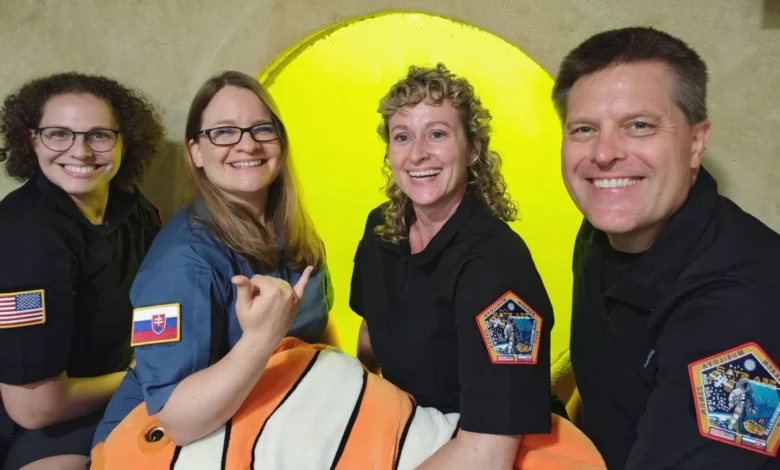
The pursuit of interplanetary exploration has long driven humanity to recreate the hostile conditions of space in isolated environments on Earth. While desert encampments and volcanic slopes have traditionally served as testbeds for future missions to the Moon and Mars, a specialized team of researchers recently turned to the ocean floor to push the boundaries of analog spaceflight. Led by veteran astrobiologist and analog astronaut Dr. Michaela Musilova, the SEA STAR mission marked a significant milestone in human spaceflight preparation by utilizing an underwater laboratory off the coast of Florida to simulate the physiological, psychological, and operational challenges of long-duration space missions.
The mission, which took place over five intensive days this summer, required a four-person crew to live and work 22 feet (6.7 meters) beneath the surface of the Atlantic Ocean in the Jules’ Undersea Lab, located near Key Largo, Florida. To officially attain the status of aquanauts, crew members were required to spend more than 24 hours continuously submerged in a state of saturation, where their body tissues became fully saturated with inert gases under increased ambient pressure. For Dr. Musilova, who has previously commanded nearly 40 terrestrial simulated space missions in facilities such as HI-SEAS, the transition from land-based isolation chambers to a sub-surface marine habitat represented a calculated escalation in operational risk and psychological fidelity.
Background Context and the Evolution of Analog Space Missions
Analog missions are controlled field tests conducted in environments that physically or operationally mimic the extreme conditions of space. Space agencies including NASA, the European Space Agency (ESA), and commercial aerospace entities rely heavily on these deployments to evaluate hardware, test scientific protocols, and study human factors—such as crew cohesion, isolation fatigue, and cognitive performance under high-stress conditions.
Historically, underwater environments have played a vital role in astronaut training. The Neutral Buoyancy Laboratory (NBL) in Houston, Texas, allows astronauts to practice spacewalk procedures in a massive pool designed to simulate microgravity. However, living underwater in saturation habitats like the Jules’ Undersea Lab offers a distinct tier of simulation fidelity that land-based analogs cannot replicate: atmospheric pressure shifts, strict egress protocols, and the constant, high-stakes threat of environmental catastrophe.
While terrestrial analogs typically allow for rapid evacuation in the event of an emergency, underwater saturation habitats introduce severe physical limitations. A failure in life support, a compromised seal, or an unexpected tropical storm necessitates complex decompression schedules or rapid evacuation protocols, injecting a genuine element of peril into the daily routine. This dynamic closely mirrors the unforgiving nature of the International Space Station (ISS), where mechanical failure or habitat compromise can result in immediate danger.
Chronology and Execution of the SEA STAR Mission
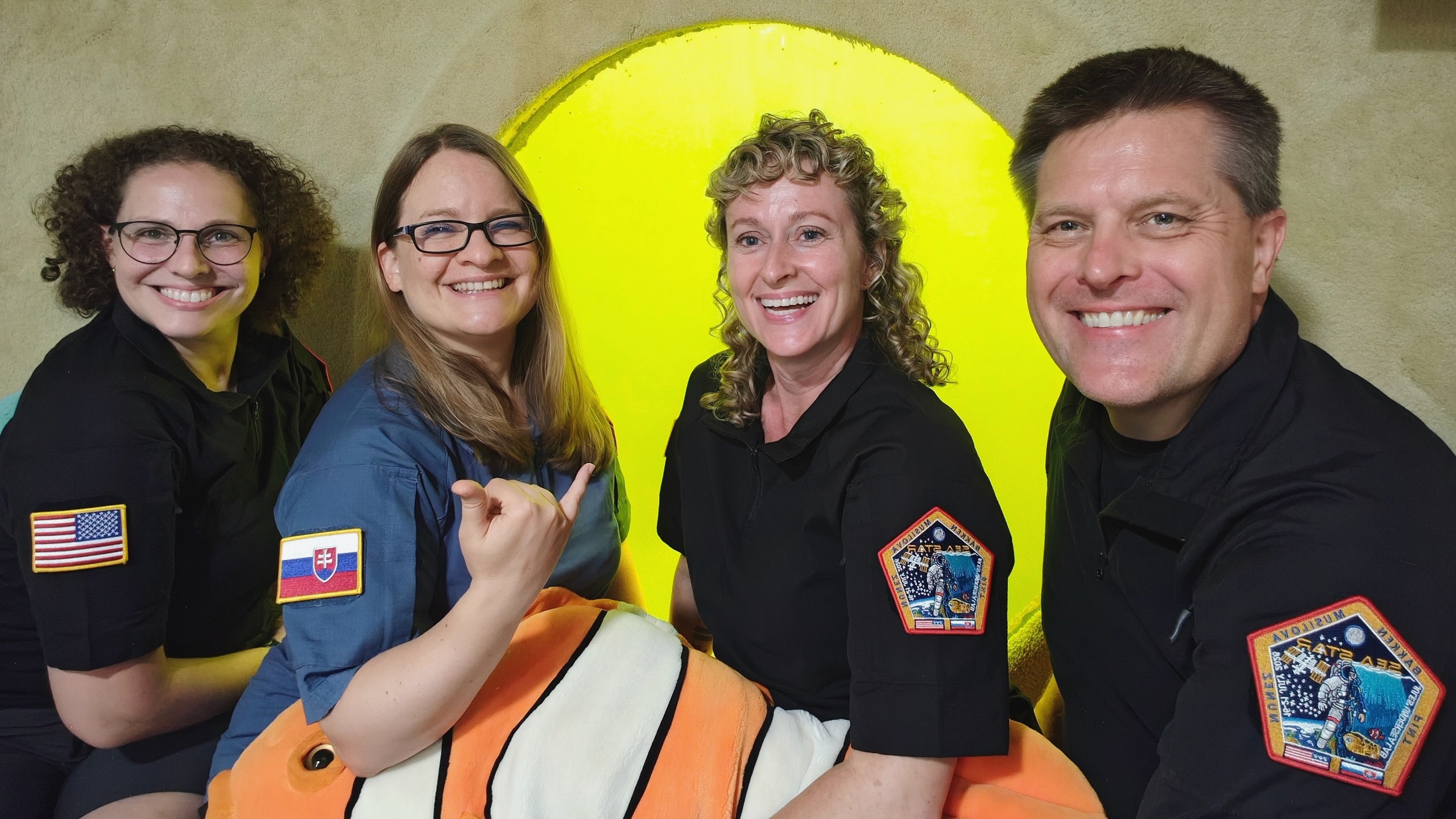
The realization of the SEA STAR mission was the culmination of over a year of rigorous logistical planning, fundraising, and team assembly. Dr. Musilova curated a multidisciplinary crew possessing specialized expertise in engineering, safety, and scientific research.
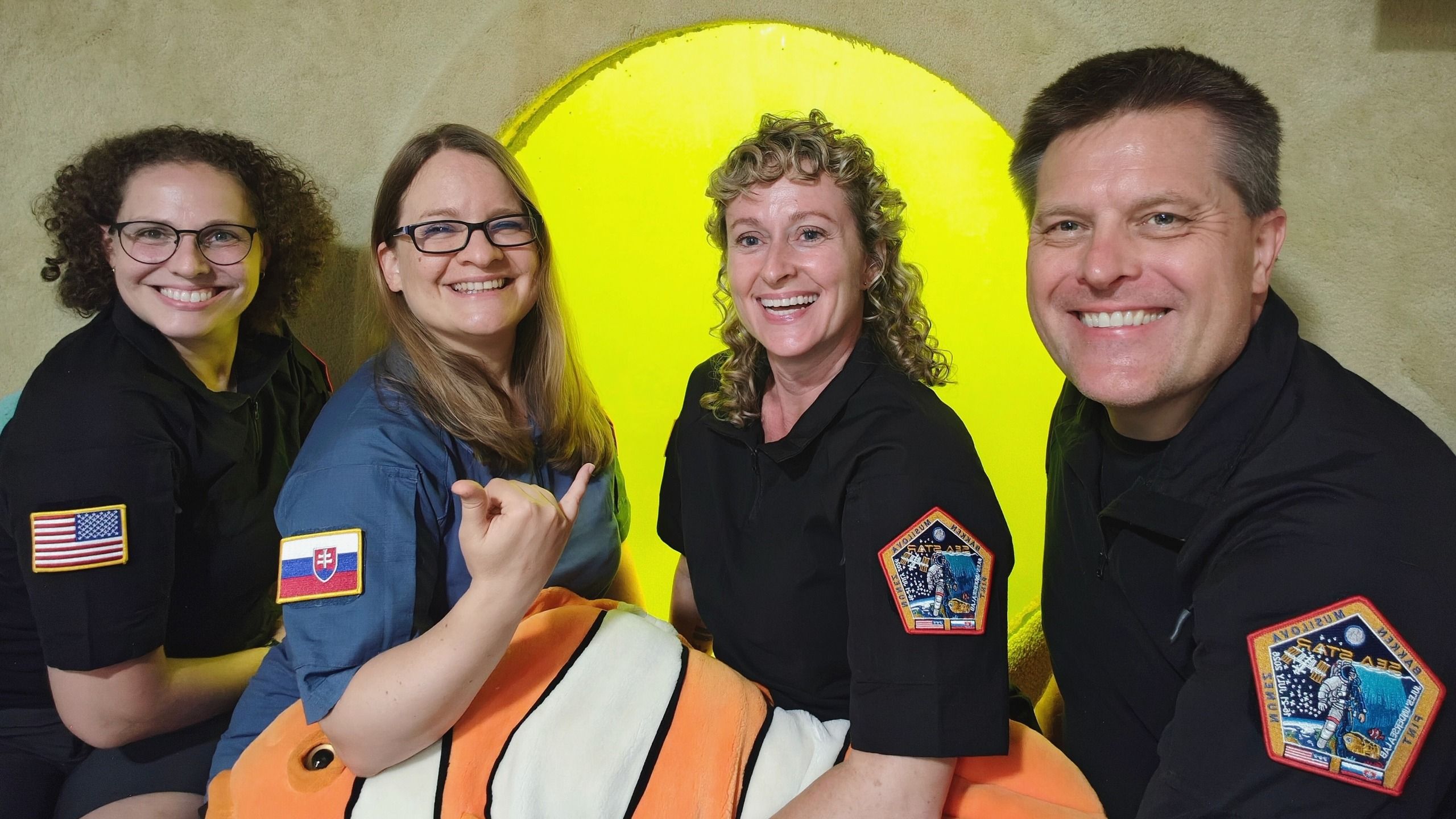
The roster included Paul Bakken, an experimental engineer who served as Executive Officer and managed mission logistics; Dr. Brandy Nunez, Health and Safety Officer, who oversaw crew wellbeing and conducted microgreens cultivation experiments; and Jenn Pint, Mission Specialist and industrial safety expert, who spearheaded a human factors research initiative in partnership with Interstellar Performance Labs.
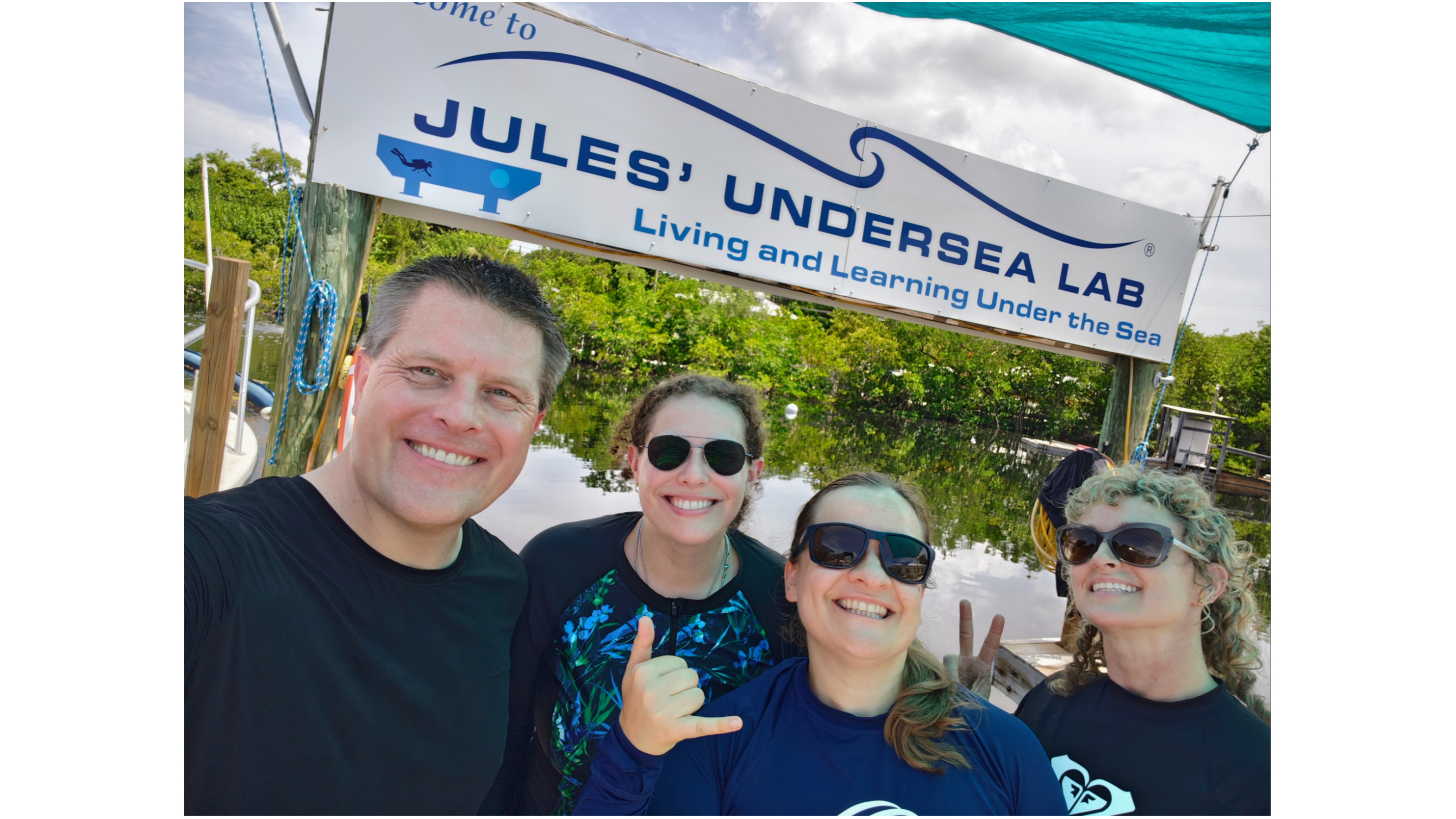
The operational timeline began months prior to immersion, involving extensive medical clearances, dive certifications, and protocol reviews. Upon arrival at Key Largo, the crew underwent final systems checks alongside surface support personnel stationed in the Jules’ Undersea Lab Command Van.
The critical operational timeline proceeded as follows:
- Pre-Immersion Phase: Final technical briefings, baseline physiological data collection, and equipment testing in coordination with the land-based mission control team.
- Submergence and Saturation: The crew completed scuba descents to enter the habitat, officially entering a state of saturation and beginning the five-day confinement period.
- Operational Phase: Execution of daily maintenance schedules, simulated spacewalks utilizing neutral buoyancy principles, cognitive testing under pressure, and educational outreach broadcasts.
- Decompression and Extraction: Safe ascent procedures following the completion of the 120-hour sub-surface deployment, concluding with medical debriefings and sample analysis.
Scientific Objectives and Technological Implications
The SEA STAR mission was designed to maximize research output by mirroring the multifaceted operational cadence of the ISS. Living in an elevated atmospheric pressure environment allowed researchers to investigate how hyperbaric conditions influence human physiology and cognitive function—data that holds relevance not only for deep-sea operations but also for understanding long-term physiological adaptations in pressurized spacecraft.
Among the core scientific investigations was the cultivation of microgreens, managed by Dr. Nunez. Agricultural viability is a critical hurdle for long-duration crewed missions to Mars, where resupply from Earth is impossible. Understanding how closed-loop life support systems and plant growth modules perform under constrained environmental parameters is vital for future interplanetary habitats.
Additionally, Mission Specialist Jenn Pint executed a taxonomy project focusing on environmental and crew interaction factors. By analyzing communication patterns, stress indicators, and ergonomic challenges within the confined habitat, the research team aimed to develop frameworks that can mitigate interpersonal friction during multi-year spaceflights.
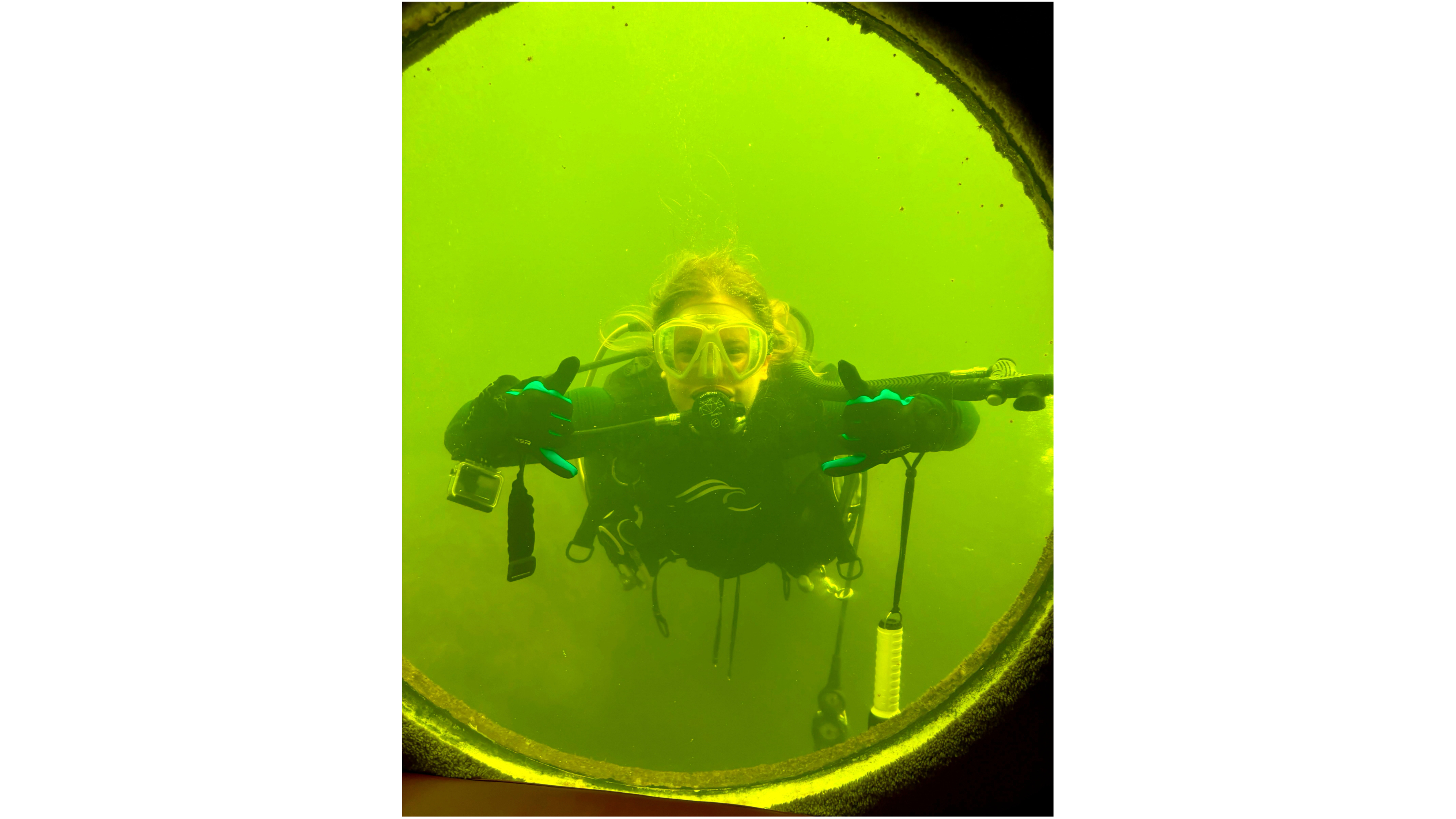
Furthermore, the crew conducted simulated spacewalks outside the habitat. These excursions tested student-designed environmental sensors and allowed the team to practice delicate mechanical tasks while managing neutral buoyancy—an operational skill set directly transferable to lunar and Martian surface EVA (Extravehicular Activity) operations.
Safety Protocols and Risk Management
Operating in an underwater habitat inherently elevates safety liabilities compared to land-based analog stations. The SEA STAR team adhered to stringent commercial diving standards alongside custom spaceflight simulation rules. Every intra-habitat movement, equipment transfer, and external dive was governed by rigorous checklists monitored by the surface control center.
The psychological toll of confinement combined with the surrounding aquatic hazard required proactive crew resource management (CRM). Dr. Musilova, drawing on her extensive experience commanding previous analog missions, emphasized open communication and routine psychological check-ins to prevent interpersonal friction from escalating. The successful execution of the mission without major safety incidents underscored the effectiveness of these standardized mitigation strategies.
Broader Impact and Future Outlook
The completion of the SEA STAR mission contributes to a growing body of operational knowledge regarding extreme environment habitation. As commercial spaceflight expands and national space agencies prepare for permanent lunar habitation through the Artemis program, the demand for high-fidelity analog environments is projected to rise.
Experts note that underwater habitats offer a cost-effective and operationally rigorous platform for testing technologies before deployment in space. By bridging the gap between marine exploration and aerospace engineering, missions like SEA STAR provide valuable insights into human resilience, team dynamics, and life support reliability.
As the crew resurfaced and completed their mandatory medical evaluations, the data gathered during the five-day deployment began processing for academic publication and operational review. The success of the mission reinforces the utility of cross-disciplinary analog research, proving that looking down into the Earth’s oceans remains one of the most effective ways to prepare humanity for looking up into the stars.
Related posts: