The Evolution of Coliving: How Remote Work Platforms are Reshaping the Global Digital Nomad Landscape

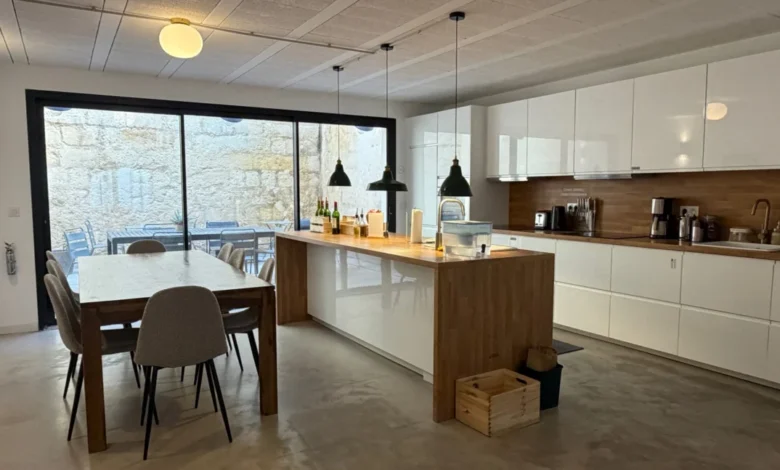
The rise of the digital nomad economy has fundamentally altered the relationship between professional productivity and global mobility. While the post-pandemic era saw a massive shift toward location-independent employment, the logistical challenges of maintaining a career while navigating international borders remain significant. For many professionals, the traditional compromise between the isolation of remote work and the chaotic environment of budget hostels has proven unsustainable. Consequently, the coliving industry has emerged as a specialized infrastructure provider, bridging the gap between temporary accommodation and professional office requirements. Among these platforms, Outsite has established itself as a prominent entity, operating a global network that integrates residential housing with enterprise-grade workspaces.
The Chronology and Growth of the Coliving Model
The genesis of modern coliving can be traced back to the mid-2010s, a period when the term "digital nomad" began shifting from a niche lifestyle to a mainstream professional demographic. Outsite was founded in 2015, initially focusing on a single location in Santa Cruz, California. The concept was straightforward: provide a habitat that catered to the specific needs of entrepreneurs who required both high-speed connectivity and a community of like-minded individuals to mitigate the loneliness often associated with remote work.
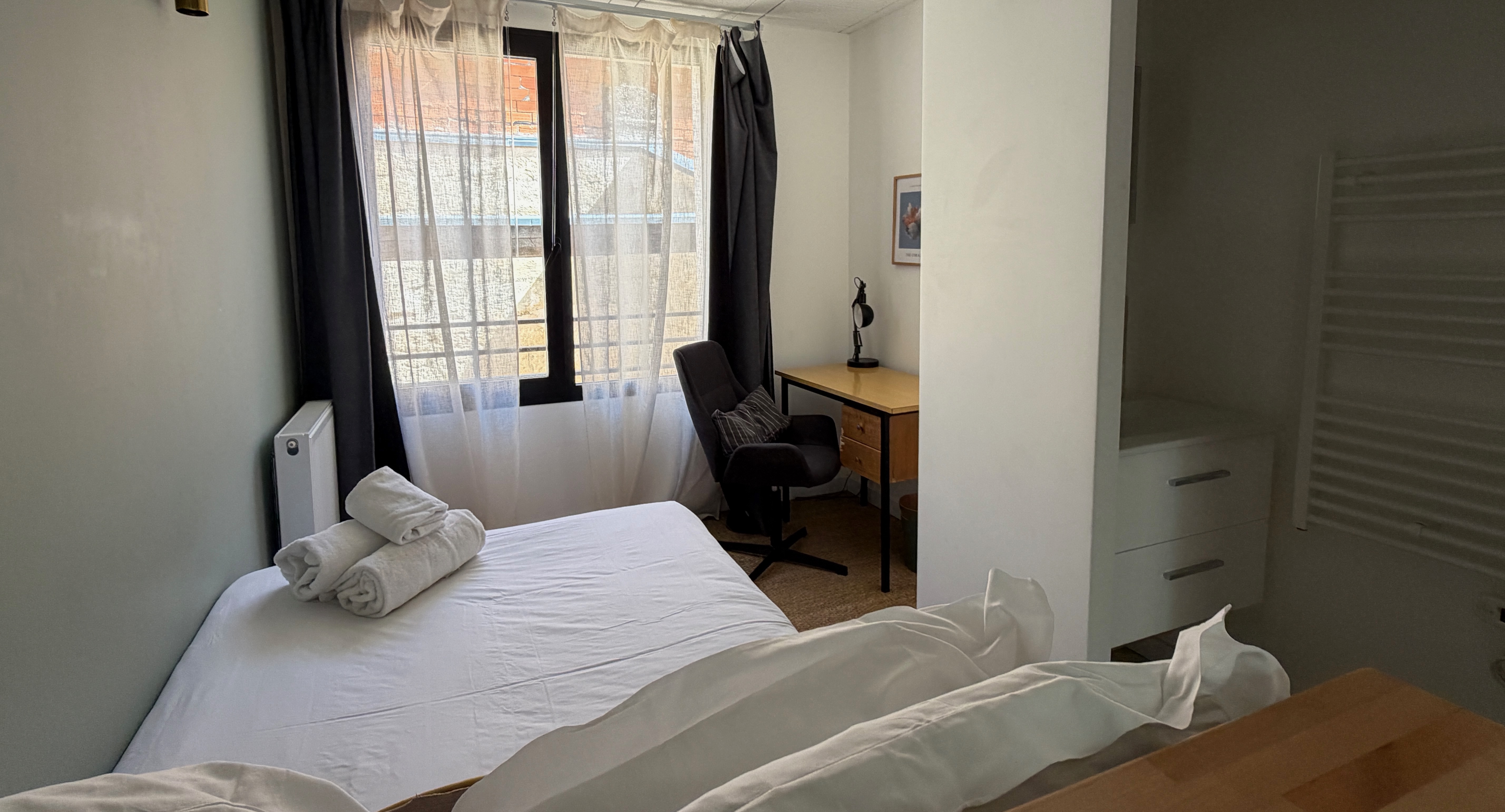
By 2020, the onset of the COVID-19 pandemic served as a massive catalyst for the sector. As organizations adopted permanent work-from-anywhere policies, the demand for structured, reliable, and community-oriented living spaces skyrocketed. Outsite, along with competitors such as Selina and various regional cooperatives, transitioned from experimental boutique concepts to essential service providers for the burgeoning remote workforce. Today, the network comprises over 50 locations worldwide, servicing more than 5,000 active members and offering a standardized experience that includes private suites, high-performance internet, and curated communal areas.
Data-Driven Productivity: The Infrastructure of Outsite
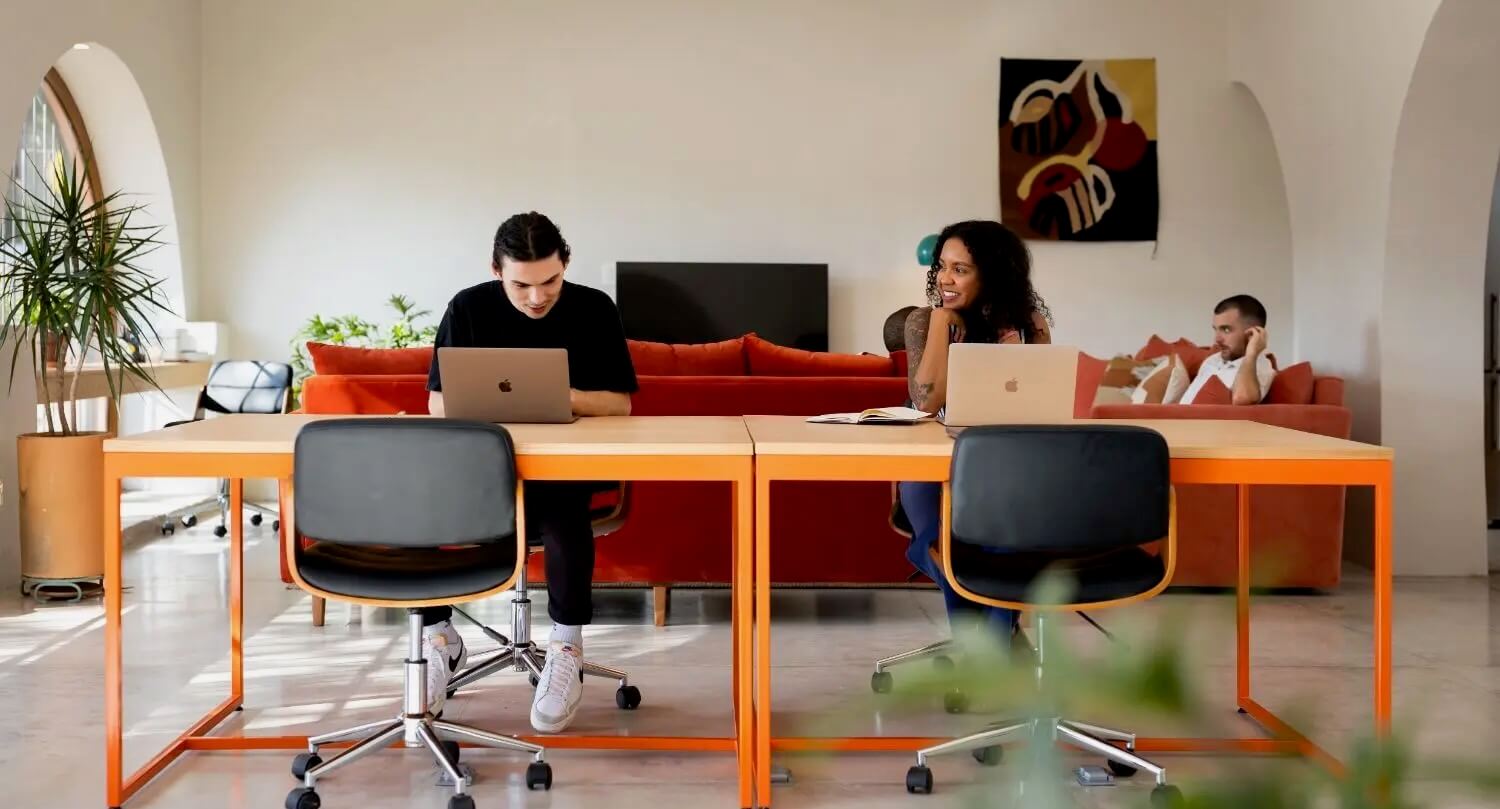
At the core of the coliving model is a focus on operational reliability. Data from industry surveys suggest that the primary concern for remote professionals is not the aesthetic quality of a location, but the consistency of technical infrastructure. Outsite’s operational framework functions on a "boutique hotel meets coworking" hybrid model. Each property is equipped with dedicated office environments, featuring ergonomic furniture, multi-monitor setups, and enterprise-grade Wi-Fi connectivity.
The economic model is designed to optimize costs for long-term travelers. While nightly rates are higher than standard hostel accommodations, they are often lower than the combined cost of a private short-term rental and a monthly subscription to a third-party coworking space. The platform utilizes a membership structure—ranging from annual to lifetime access—which provides tiered benefits such as discounted extended-stay rates, priority booking, and access to exclusive member-only properties. Financial analysts note that this subscription-based approach encourages brand loyalty and allows for a more predictable occupancy rate across their global portfolio, a significant advantage in the volatile hospitality market.
Community Management and Social Integration
A critical, often overlooked component of the coliving sector is the role of the Community Manager. In professional environments, the lack of a social network can lead to burnout, which has been cited in several labor studies as a primary reason for the abandonment of the digital nomad lifestyle. By employing dedicated staff to facilitate social cohesion, companies like Outsite aim to increase the retention of their guests.
Events such as communal dinners, weekend excursions, and professional networking mixers are not merely social perks; they serve as a structural safeguard for the mental health of remote workers. According to internal reports from the sector, the presence of a community manager significantly increases the length of stay per guest. By fostering a sense of belonging, these platforms effectively transform a transient living space into a stable, albeit temporary, professional ecosystem.
Market Implications and Future Outlook
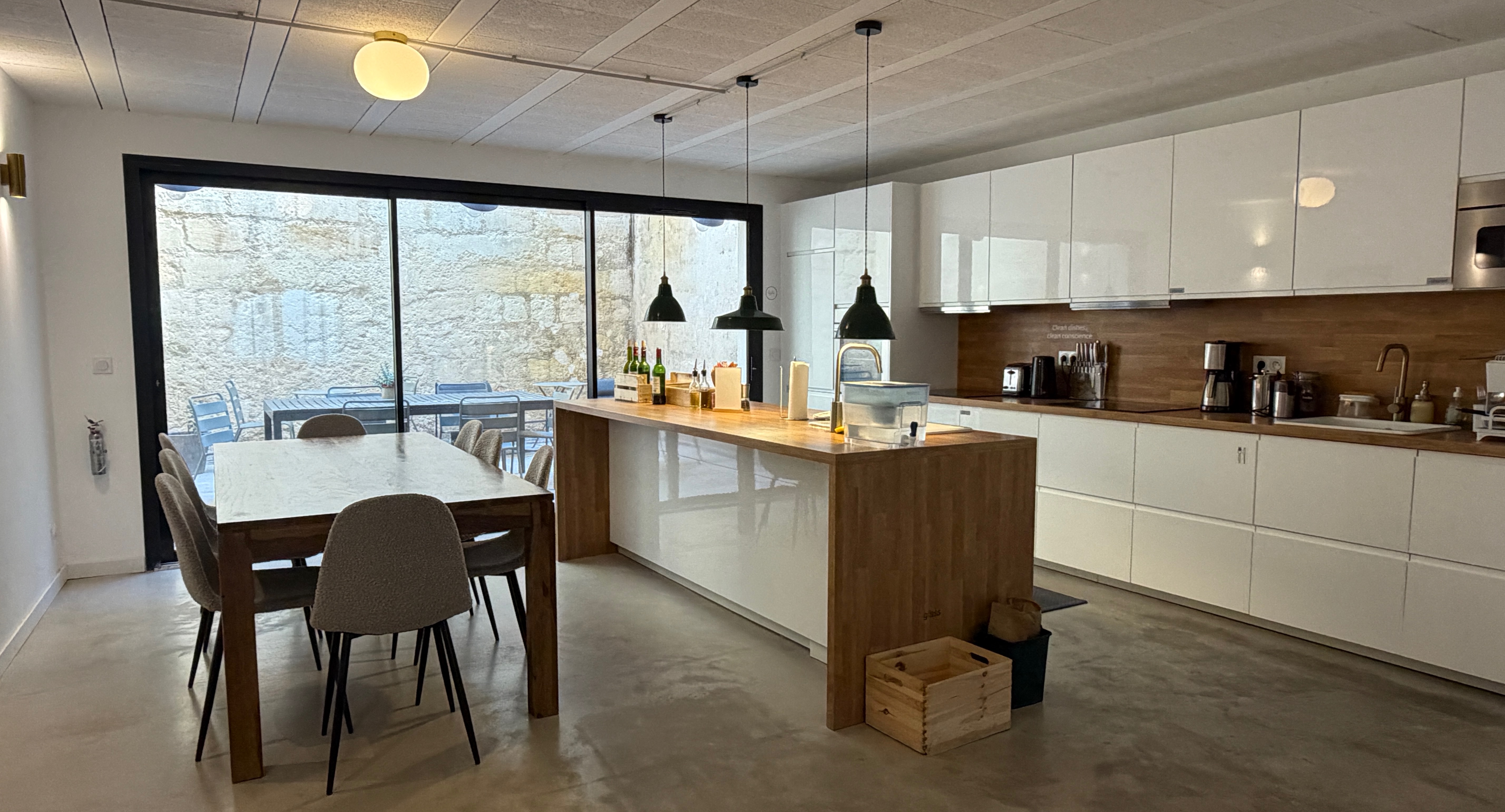
The rise of dedicated coliving spaces has profound implications for the global real estate and hospitality markets. Traditionally, the hospitality industry was divided between long-term residential leasing and short-term tourism-focused hotels. The "work-from-anywhere" demographic occupies a unique middle ground: they require the amenities of a hotel (cleaning services, security, connectivity) with the stability and kitchen facilities of a private residence.
Municipalities are also beginning to respond to this shift. In cities like Bordeaux, Lisbon, and Mexico City—all major hubs for Outsite—the influx of long-term remote workers has influenced local housing policies. While the benefits to local economies are clear—as nomads often stay for weeks or months rather than days—there is ongoing debate regarding the impact on local rental prices. Experts suggest that as the sector matures, coliving platforms will need to navigate more stringent local housing laws, particularly in major metropolitan areas like New York or London, where short-term rental regulations are being tightened to protect local housing supply.
Challenges to the Model: Scalability and Spontaneity
Despite the rapid growth of the sector, the coliving model faces distinct challenges. The most pressing is the tension between scalability and the curated, personalized experience that defines the product. As the number of locations increases, maintaining a consistent standard of internet reliability and community management becomes significantly more complex.
Furthermore, the model is inherently less flexible than standard hotel booking. Because these properties are often high-demand, they require planning months in advance, which contrasts with the impulsive nature of the traditional backpacker experience. This creates a barrier to entry for travelers who cannot or will not commit to fixed dates far in advance. Additionally, the restriction on pets, while necessary for maintaining a shared living space, limits the total addressable market to a subset of the nomadic population.
The Socio-Professional Shift
The success of Outsite and similar platforms indicates a structural shift in how society views the intersection of work and travel. The traditional office has been replaced by a global, distributed network of residential hubs. This transition suggests that the "digital nomad" is no longer a peripheral figure but a growing cohort of the global workforce that demands specialized infrastructure.
The implications for the broader economy are significant. Companies can now hire talent from anywhere in the world, provided that the talent has access to the tools necessary for high-level productivity. Platforms that provide these tools, such as stable high-speed internet and quiet, ergonomic workspaces, are becoming the new gateways to professional participation in the global digital economy.
As the industry continues to evolve, the distinction between "working" and "living" will likely continue to blur. The demand for spaces that support this hybrid lifestyle is not merely a transient trend, but a response to the permanent decentralization of the professional world. Whether this model remains a luxury service for the high-earning digital elite or expands into a more accessible, commodified utility remains to be seen. However, as the infrastructure currently stands, it provides a stable foundation for the next generation of the global labor force, effectively solving the core logistical hurdles that have long defined life on the road.