A24 Documentary You Can See Everything Defeats DC Studios Clayface to Claim Domestic Box Office Crown

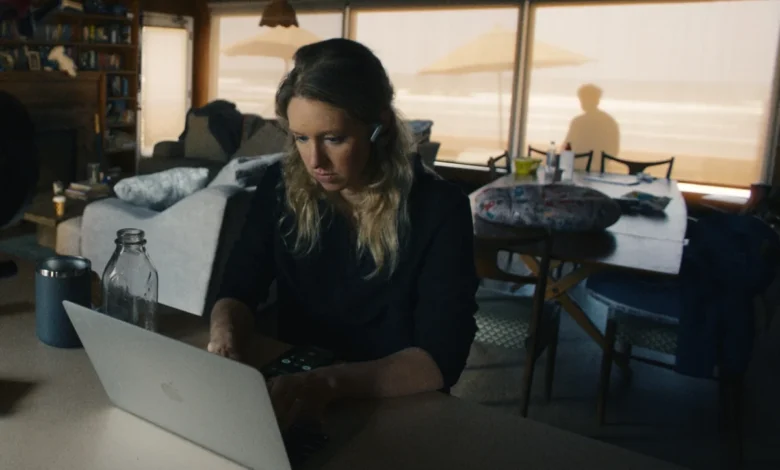
In a remarkable milestone for non-fiction cinema, A24’s buzzy documentary feature You Can See Everything has narrowly defeated Warner Bros. and DC Studios’ comic book spin-off Clayface to capture the number-one spot at the domestic box office. Bringing in an impressive $10.6 million during its third weekend in wide release, the Elizabeth Holmes-focused documentary elevated its cumulative domestic haul to $63.9 million. This triumph marks the first time You Can See Everything has claimed the top spot on the weekend charts, outperforming high-profile blockbusters and demonstrating a rare, sustained theatrical stamina typically reserved for traditional narrative blockbusters.
The weekend box office race was remarkably tight. Directly behind the A24 release was Clayface, a gritty body-horror film within the Batman universe, which pulled in $10.4 million. While falling just short of the weekend crown, Clayface pushed its North American gross to $44.1 million, backed by a worldwide cumulative total of $83 million. Produced on a relatively modest budget of $44 million for a comic book adaptation, the film represents an ongoing chapter in the broader strategic overhaul spearheaded by DC Studios co-heads James Gunn and Peter Safran.
The Strategic Evolution of the DC Universe
The financial and critical performance of Clayface carries significant implications for the overarching strategy at DC Studios. Under the leadership of Gunn and Safran, the studio has sought to revitalize the storied DC brand, positioning it as a formidable, consistent competitor to Marvel Studios. The journey thus far has yielded mixed results at the global box office and among critics.
The studio’s inaugural release, Superman, struck a chord with audiences upon its debut in 2025, serving as a solid foundational hit for the newly minted cinematic universe. However, subsequent entries have faced turbulence. Last summer’s Supergirl experienced a steep commercial decline, suffering tens of millions of dollars in losses and receiving harsh reviews from film critics.
Given this uneven landscape, the low-risk, mid-budget production model of Clayface offers a reassuring template for Warner Bros. By keeping production costs at $44 million—substantially lower than the nine-figure budgets typically associated with superhero tentpoles—DC Studios has managed to mitigate financial risk while experimenting with genre elements, such as body horror, that distinguish its properties from conventional comic book cinema.

Milestone Success for Non-Fiction Cinema
The breakout theatrical run of You Can See Everything underscores a paradigm shift in how audiences consume documentary features on the big screen. Directed and produced with the sharp, zeitgeist-capturing perspective that A24 has successfully cultivated, the film dives deep into the rise and fall of Theranos founder Elizabeth Holmes, tracking the corporate deception, media frenzy, and ultimate legal reckoning that captivated the global public.
Having secured $63.9 million domestically against a lean production budget of just $7 million, the film has officially surpassed Michael Moore’s seminal 2002 documentary Bowling for Columbine to become the 18th highest-grossing documentary of all time in North America. Industry analysts note that documentaries rarely achieve this level of theatrical longevity. Typically front-loaded during their opening weekend or relegated to streaming platforms, You Can See Everything has defied traditional distribution models through robust word-of-mouth engagement and cross-demographic appeal.
A24 executives have expressed cautious optimism regarding the film’s trajectory, noting that its performance validates the studio’s willingness to take creative risks on complex, headline-driven subjects. The studio’s marketing campaign smartly leveraged the public’s enduring fascination with white-collar crime and corporate hubris, turning a ripped-from-the-headlines investigative story into a must-see theatrical event.
Animation Struggles and Independent Victories
Beyond the box office battle between A24 and Warner Bros., the weekend theatrical landscape featured notable performances from both major animation houses and independent distributors. Laika’s critically acclaimed stop-motion feature Wildwood grossed $7.5 million, lifting its domestic total to $25 million and its worldwide gross to $35 million.
Despite universal acclaim from critics praising its technical wizardry and atmospheric storytelling, Wildwood faces a steep path toward commercial profitability. Carrying a hefty production budget of $100 million—a standard investment for Laika’s labor-intensive stop-motion methodology—the film will rely heavily on international territories and upcoming home entertainment windows to climb into the black. Industry observers point out the persistent economic challenge facing high-end stop-motion animation, which requires years of meticulous craftsmanship yet frequently struggles to command the same box-office returns as computer-animated blockbusters.
Meanwhile, Black Bear’s erotic dramedy Wicker demonstrated steady legs in its second weekend of release. Pulling in $4.1 million across 2,374 theaters, the film elevated its domestic tally to $13.2 million. Black Bear acquired Wicker out of the Sundance Film Festival for a modest $2.5 million, positioning the project as an early success story for the company as it aggressively expands its footprint into self-distribution. The film’s performance highlights a viable financial model for independent studios: acquiring completed festival titles at reasonable price points and executing targeted theatrical rollouts before capitalizing on secondary markets.

Limited Releases and Early Oscar Contenders
The specialty box office also saw notable expansions and debuts, with several studios positioning their prestige titles for the upcoming awards season. National Geographic Documentary Films launched Everest: The Other Side, the latest non-fiction endeavor from the acclaimed Free Solo filmmaking team of Elizabeth Chai Vasarhelyi and Jimmy Chin. The documentary debuted in limited release with $1 million from 515 locations. Backed by strong critical notices, the film is widely expected to be a major contender in the upcoming Academy Award documentary feature race, capitalizing on the proven cinematic appeal of Vasarhelyi and Chin’s high-altitude storytelling.
Concurrently, Sony Pictures Classics expanded the theatrical footprint of its Oscar hopeful The Only Living Pickpocket in New York. The indie darling earned just over $1.9 million from 1,112 screens this weekend, bringing its cumulative domestic haul to slightly more than $2.1 million. Sony Pictures Classics has mounted a robust awards campaign centered heavily on lead actor John Turturro, whom industry pundits are pushing for a long-overdue Academy Award nomination. The studio’s calculated expansion strategy allows the film to build steady momentum among older, discerning moviegoers who form the core demographic for prestige independent cinema.
Market Implications and Future Outlook
The financial results from this weekend’s box office offer valuable insights into the shifting preferences of contemporary moviegoers. While major studios continue to refine their intellectual property strategies—evidenced by DC Studios balancing tentpole ambitions with cost-effective genre experiments—independent and specialty distributors are proving that counter-programming remains a potent force.
The historic run of You Can See Everything demonstrates that audiences are increasingly willing to treat documentaries like narrative event films, provided the subject matter is compelling and the distribution strategy allows for organic word-of-mouth growth. As studios look toward the remainder of the theatrical calendar, the lessons learned from both the unexpected triumphs of low-budget non-fiction and the financial realities of high-end stop-motion animation will undoubtedly shape greenlighting and acquisition decisions across the industry.
With awards season approaching and major studios finalizing their late-year slates, the domestic box office continues to reflect a diverse ecosystem where mid-budget experiments, prestige indies, and traditional blockbusters vie for consumer attention in an increasingly competitive marketplace.