
How to Use Your Flexible Spending Account and Health Savings Account Funds on Fitness Trackers and Home Gym Equipment Before the Year-End Deadline

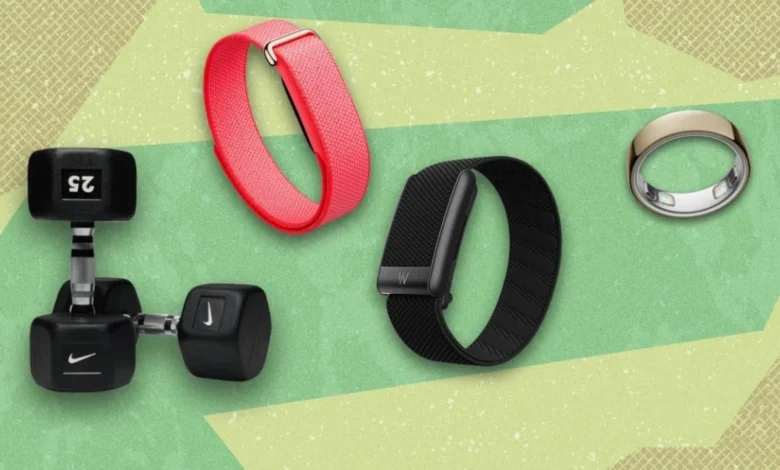
As the calendar approaches the final months of the year, millions of American workers face a recurring financial dilemma: spending their remaining Flexible Spending Account (FSA) funds or watching them vanish. Because traditional FSAs generally operate under a "use-it-or-lose-it" rule, consumers scramble every autumn to find qualifying healthcare expenses. While standard items like prescription medications, doctor visits, and corrective lenses are universally accepted, the definition of qualified medical expenses has evolved significantly. In recent years, a growing market of direct-to-consumer health brands, digital health startups, and major technology companies has heavily marketed fitness trackers, smartwatches, and home gym equipment as eligible purchases for pre-tax health dollars.
However, navigating the intersection of consumer fitness technology and Internal Revenue Service (IRS) guidelines requires a careful understanding of medical necessity, documentation requirements, and reimbursement protocols. While brands such as Whoop, Oura, Coros, and Amazfit advertise seamless transactions using pre-tax funds, unlocking these benefits is rarely a straightforward, unconditional process. Consumers must navigate a maze of compliance standards, third-party medical evaluation platforms, and employer-sponsored plan restrictions to ensure their health savings dollars are legally and successfully applied.
Understanding IRS Guidelines on Medical Necessity and Pre-Tax Health Funds
To comprehend why fitness devices and home gym equipment can sometimes be purchased using pre-tax funds, one must examine the governing framework established by the IRS. Under federal guidelines, HSA and FSA funds are strictly designated for expenses that diagnose, cure, mitigate, treat, or prevent a disease or medical condition. Historically, this meant traditional medical devices, clinical interventions, and specialized therapeutic equipment. Items purchased purely for general health, wellness, or lifestyle enhancement—such as a gym membership for general fitness or a standard smartwatch purchased simply to count daily step goals—are explicitly disqualified under tax law.
The dividing line between a disqualifying lifestyle gadget and a qualifying medical device rests entirely on medical necessity. If a healthcare provider determines that a specific tool is necessary to monitor, manage, or treat a diagnosed or high-risk medical condition—such as cardiovascular disease, hypertension, obesity, pre-diabetes, or chronic sleep disorders—the device can transition into a qualified medical expense.
To bridge the gap between consumer technology and clinical compliance, patients must obtain a Letter of Medical Necessity (LMN). This document acts as a formal prescription or doctor’s note, certifying that the requested product serves a specific therapeutic purpose for the individual patient. Without an LMN, attempting to purchase a standard fitness tracker or set of dumbbells with pre-tax funds risks triggering a rejection from plan administrators or facing potential tax penalties during an audit.
The Rise of Third-Party Platforms and Instant Medical Evaluations
Historically, obtaining an LMN required scheduling an appointment with a primary care physician, discussing the specific health concern, and convincing the clinician to write a formal letter justifying the purchase of consumer electronics. For many consumers, this administrative hurdle proved too burdensome, leading many to abandon the idea of using pre-tax funds for wellness technology.
To capture this multi-billion-dollar market, third-party telehealth and health-tech platforms have emerged, transforming the procurement process. Companies like Truemed have partnered directly with wellness brands, fitness manufacturers, and e-commerce platforms to streamline the LMN acquisition process at the point of sale. When shopping on participating retailer websites for brands like Coros or Amazfit, consumers now encounter checkout prompts such as "Pay With Truemed."
Rather than requiring a traditional in-person doctor visit, these platforms utilize digital health intake forms. Consumers complete a brief online survey detailing their personal health history, family medical background, and specific health markers, such as weight, stress levels, or cholesterol history. An independent, licensed medical provider then reviews the submitted information to determine whether the consumer meets the clinical criteria for preventative or therapeutic intervention. According to industry data provided by digital health platforms, a vast majority of submitted intake forms are reviewed and processed within hours. If the consumer qualifies, the platform issues an LMN, allowing the transaction to proceed using HSA or FSA debit cards or submitted for subsequent reimbursement.
Industry Perspectives and the Standard of Care

The integration of telehealth screening tools into consumer checkout flows has sparked considerable discussion within both the digital health and financial sectors. Proponents of these platforms argue that the process aligns with established clinical practices regarding preventative medicine and risk mitigation.
Justin Mares, co-founder and CEO of Truemed, emphasizes that the validation model mirrors standard outpatient methodologies. In clinical practice, if a patient presents with a documented family history of hypertension or cardiovascular complications, a physician typically recommends lifestyle modifications and proactive monitoring without demanding exhaustive pre-screening laboratory work. By utilizing structured digital intake questionnaires reviewed by licensed clinicians, these platforms apply a formalized standard of care that satisfies IRS documentation requirements while eliminating unnecessary friction for patients seeking to manage early-stage health risks.
Despite the efficiency of modern telehealth screening, experts caution that third-party approvals do not provide absolute immunity from employer-sponsored plan audits. The ultimate authority on whether an expense is approved rests with the third-party administrator (TPA) managing the employer’s FSA plan or the financial institution overseeing the HSA. These administrators maintain varying degrees of scrutiny. While some plans accept properly documented LMNs without hesitation, others employ stricter internal compliance reviews, particularly for devices perceived as luxury lifestyle goods rather than traditional medical hardware.
Categories of Eligible Wearables and Equipment
While the marketplace for pre-tax health spending has expanded, eligibility remains strictly tied to the nature of the device and its clinical justification. Consumers evaluating their year-end spending options generally divide qualifying products into three distinct categories: recovery-focused wearables, smartwatches and heart rate monitors, and home fitness equipment.
Recovery-focused wearables, including products manufactured by Whoop, the Amazfit Helio Strap, and the Oura Ring, concentrate heavily on biometric monitoring, continuous heart rate variability (HRV) tracking, sleep architecture analysis, and physiological recovery metrics. Because these devices are screenless and heavily marketed toward athletic optimization, they frequently encounter higher scrutiny from plan administrators. Successfully justifying these devices with pre-tax funds typically requires linking the continuous monitoring capabilities to the management of chronic conditions, such as sleep apnea, severe stress-related disorders, or cardiac rehabilitation tracking.
Smartwatches and advanced heart rate monitors occupy a slightly different tier. Devices equipped with clinical-grade sensors—such as electrocardiogram (ECG) capabilities, blood oxygen saturation (SpO2) monitoring, and continuous cardiovascular tracking—can often be justified under the umbrella of cardiovascular risk management or structured physical rehabilitation programs. Brands like Coros have integrated checkout pathways allowing customers to secure LMNs for their entire lineup of performance watches and heart rate monitors. Similarly, Amazfit provides dedicated filtering tools on its e-commerce portals to help consumers identify items eligible for HSA and FSA reimbursement. Conversely, other major industry players, such as Garmin, maintain distinct compliance boundaries, offering select specialized products while excluding mainstream fitness smartwatches from direct pre-tax eligibility unless paired with external clinical documentation.
Beyond wearable technology, the scope of pre-tax health spending has extended into home fitness infrastructure. Under the same clinical logic that prompts a physician to prescribe structured exercise for patients battling pre-diabetes, metabolic syndrome, or obesity, certain heavy fitness equipment can qualify as a medical expense. Adjustable dumbbells, resistance training systems, indoor cycling bikes, and rowing machines offered by specialized manufacturers—such as Nike Strength—can potentially be covered if an LMN explicitly outlines structured exercise as a mandatory component of a patient’s medical treatment plan.
Strategic Considerations and Year-End Deadlines for Consumers
As the year-end deadline approaches, financial advisors and healthcare navigators urge consumers to approach pre-tax health spending with both strategic ambition and cautious compliance. The fundamental rule governing all FSA and HSA utilization is that the product’s eligibility is not determined by the brand name or the marketing language on a retailer’s website, but rather by the individual’s documented health profile and clinical necessity.
Consumers considering utilizing remaining FSA funds for fitness trackers or home fitness gear should first review their employer’s specific plan rules, carryover limits, or grace periods. Not all plans operate identically; some employers permit a modest carryover of funds into the subsequent calendar year, while others enforce a strict forfeiture policy upon the final day of the plan year.
For those choosing to pursue the LMN route via digital platforms, experts recommend initiating the intake process well in advance of the deadline to allow adequate time for clinician review, document issuance, and transaction processing. Ensuring that all medical intake forms accurately reflect genuine health history and that the resulting LMN correctly matches the specific merchant, product, and medical condition will significantly reduce the likelihood of administrative pushback or denied reimbursements. By combining careful planning with proper documentation, consumers can successfully redirect pre-tax health dollars toward tools that support long-term physical health while preventing valuable funds from expiring at year’s end.