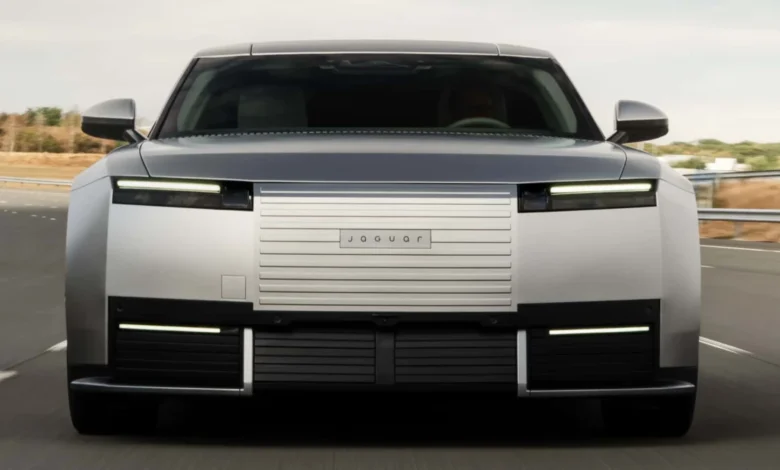
Just over a month after the high-profile unveiling of the Type 01, an electric grand tourer that signals a radical departure from its past, Jaguar is already charting the trajectory of its next generation of vehicles. The British automaker has formally filed a trademark application with the European Union for the "Type 02" moniker, a move that provides the clearest indication yet of the company’s intent to rapidly build out a cohesive, multi-model electric ecosystem. This strategic pivot, first reported by CarMoses.com, underscores the urgency with which the storied marque is attempting to reinvent itself as a top-tier luxury competitor.
The introduction of the Type 01 was not merely the reveal of a new car; it was the symbolic "reboot" of a brand that has struggled to define its identity in the face of shifting market demands and the global transition to battery-electric vehicle (BEV) architectures. By shedding its traditional sedan-heavy lineup and moving toward a highly exclusive, low-volume, high-margin business model, Jaguar is effectively attempting to abandon the mainstream luxury segment to compete with ultra-premium manufacturers like Aston Martin, Bentley, and the top-tier offerings of Mercedes-Maybach.
The Strategic Shift Toward Utility and Practicality
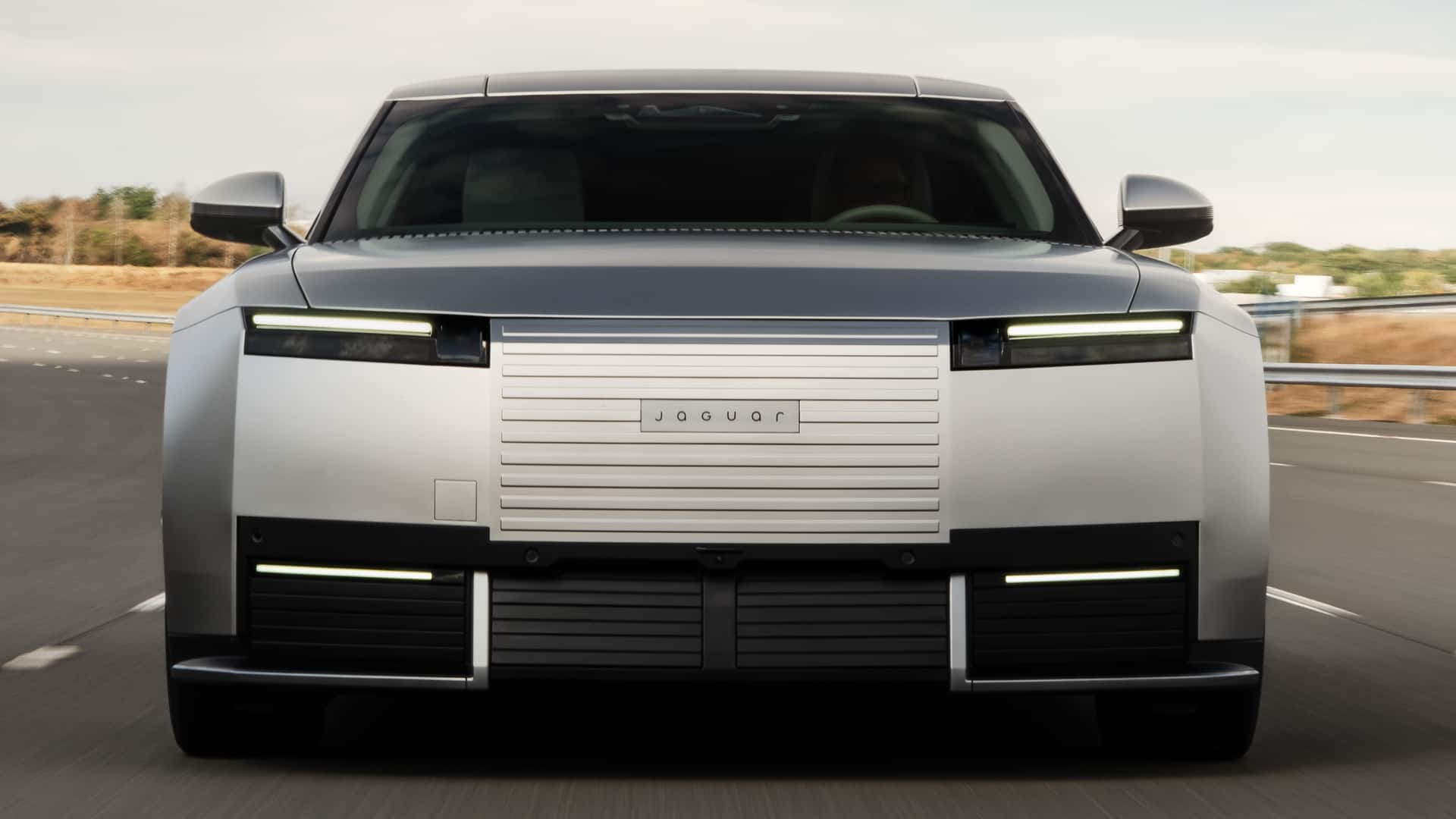
While the Type 01 serves as a bold statement of design intent—showcasing a minimalist, "sleek and subtle" aesthetic—it is by nature a niche product. As a four-door grand tourer with an estimated starting price of $130,000, it is designed to capture headlines and establish brand prestige rather than drive high-volume sales. However, the automotive industry reality remains that consumer demand is heavily skewed toward high-riding crossovers and SUVs.
Rawdon Glover, Managing Director at Jaguar, has publicly acknowledged that the brand’s future portfolio must cater to a diverse set of requirements. "You can expect that in the portfolio," Glover noted, hinting that the "Type" nomenclature will be applied to vehicles that offer "different things for different audiences." Industry analysts suggest that the Type 02 is almost certainly destined to be an SUV or a crossover-utility vehicle, as such a body style would provide the necessary practicality that the current Type 01 lacks, while also serving as the primary volume driver for the company’s new financial structure.
A Chronology of the Jaguar Reinvention
The timeline for Jaguar’s transformation is ambitious, requiring a swift transition from existing internal combustion engine (ICE) platforms to an entirely new, bespoke EV architecture.
- Late 2023: Jaguar concludes the production cycle of several legacy models, including the long-standing XF sedan, which was once the cornerstone of the brand’s entry-level luxury sales.
- Early 2025: The company officially reveals the Type 01, marking the beginning of the "JLR reimagined" strategy. The design language, characterized by a lack of traditional grilles and a focus on long, clean lines, sets the tone for future models.
- February 2025: A trademark for "Type 02" is filed in the European Union, confirming internal development plans for the second vehicle in the new lineage.
- 2027 (Anticipated): The first customer deliveries of the Type 01 are expected to commence, signaling the true market entry of the new Jaguar.
- Post-2027: The Type 02 is projected to arrive, likely followed by a third model—rumored to be a large, ultra-luxury sedan that will round out the initial three-vehicle launch phase.
This timeline is aggressive, particularly given the technical challenges involved in transitioning a legacy manufacturer to a purely electric brand. Jaguar is essentially moving from a volume-based model—where the XF once sold for under $50,000—to a model where the starting price is significantly higher, effectively pushing the brand into an entirely different competitive tier.
Market Positioning and Competitive Analysis
The move to abandon the $50,000 to $80,000 luxury segment is a high-stakes gamble. For years, Jaguar attempted to compete directly with the "German Big Three"—BMW, Mercedes-Benz, and Audi—as well as Japanese luxury players like Lexus. The company struggled with inconsistent brand loyalty and high depreciation rates on its sedans. By moving upmarket, Jaguar is attempting to insulate itself from the price wars currently plaguing the entry-level EV market, where Tesla and various Chinese manufacturers have driven costs down and margins thin.
By targeting the $130,000-plus bracket, Jaguar is placing itself in direct competition with the Porsche Taycan, the Lucid Air, and high-end models from Aston Martin. The success of this strategy relies heavily on the "Type" design language. If the Type 01 is perceived as a design triumph, the Type 02 will benefit from a "halo effect." If, however, the styling does not resonate with the ultra-wealthy demographic, the brand risks alienating its core enthusiast base without successfully capturing the new, affluent audience it covets.
Financial and Operational Implications
The shift to a premium-only strategy has forced JLR (Jaguar Land Rover) to streamline its operations significantly. The decision to "kill" all gas-powered cars was a polarizing move, but one that management argues was necessary to clear the path for the new electric-only identity.
Supporting this transition is a significant retooling of the manufacturing process. Jaguar is moving toward modular platforms that allow for the "Type" vehicles to share components while maintaining distinct visual identities. This is essential for maintaining the profit margins required by the brand’s new, lower-volume target. While the company has not released specific production numbers for the Type 01 or the projected Type 02, the shift implies a transition from a factory floor designed for mass assembly to one optimized for high-complexity, low-volume production.
Official Stance and Future Outlook
While executives have been tight-lipped regarding the specific dimensions, range, and powertrain specifications of the Type 02, the filing of the trademark is a clear signal that the development phase is well underway. The company has maintained a consistent message: the future of Jaguar is "copy of nothing." This slogan reflects the design philosophy behind the Type 01—a rejection of conventional, derivative styling in favor of something that feels fresh and avant-garde.
Observers note that the Type 02 will be the "make or break" vehicle for this strategy. While the Type 01 serves to capture attention, the Type 02 will be the product that actually populates the driveways of the brand’s new target demographic. If it maintains the same design language—defined by a total lack of traditional front-end cooling intakes and a focus on aerodynamics—it will represent one of the most cohesive design languages in the modern automotive landscape.
Conclusion: A New Identity in the Making
Jaguar’s trajectory is one of the most closely watched transformations in the global automotive industry. The company is essentially betting its future on the idea that it can succeed as a boutique, ultra-luxury brand by focusing on design-led, high-performance EVs.
The filing of the Type 02 trademark confirms that the company is not looking back. With the Type 01 acting as the spearhead and the Type 02 waiting in the wings to provide the necessary utility and market appeal, Jaguar is methodically constructing a portfolio designed to survive in a post-combustion world. The transition will undoubtedly be fraught with challenges—from supply chain hurdles to the difficulty of convincing a new, younger, and wealthier demographic to embrace a brand that has spent the last decade in the doldrums. However, the move toward a distinct, serialized, and design-focused naming convention suggests that for the first time in many years, Jaguar has a clear and defined path forward.
As the industry looks toward 2027 and beyond, the success of the "Type" era will depend on the brand’s ability to marry its storied British heritage with the ruthless, high-tech efficiency required of a modern EV manufacturer. For now, the trademarking of the Type 02 serves as a promise to the market: the evolution of the marque is only just beginning.