The Evolution of Coliving: How Remote Work Platforms are Reshaping the Global Digital Nomad Landscape

The rise of the digital nomad economy has necessitated a fundamental shift in how professionals balance professional obligations with the inherent volatility of international travel. For years, the remote work experience was defined by a series of suboptimal trade-offs: the instability of erratic hostel Wi-Fi, the professional isolation of private apartments, or the physical discomfort of public coffee shops. However, the post-pandemic normalization of remote work has catalyzed the emergence of professionalized coliving networks, providing a hybrid model that merges the operational requirements of a corporate office with the social infrastructure of a hospitality brand.
Among these platforms, Outsite has emerged as a significant player, having expanded from a niche surf-centric startup into a global network of over 50 locations designed specifically for location-independent professionals. This transition reflects a broader trend in the hospitality sector, where the "work-from-anywhere" movement has forced providers to pivot from leisure-focused lodging to high-performance infrastructure.
A Chronology of the Coliving Model
The coliving concept is not entirely new, but its recent maturation is a direct response to the explosion of the remote workforce. Following the 2008 financial crisis, shared living spaces began appearing in major tech hubs as a cost-effective solution for urban professionals. By 2015, when Outsite was founded in Santa Cruz, California, the focus shifted from simple urban density to lifestyle integration.

In its nascent stages, the platform catered to a specific subset of the population: surfers and entrepreneurs seeking a balance between athletic pursuits and business productivity. The model provided a proof of concept that remote workers were willing to pay a premium for environments that guaranteed high-speed, enterprise-grade internet, ergonomic workstations, and a curated peer group. As remote work shifted from an anomaly to a standard business practice between 2020 and 2022, the platform scaled its operations, moving from coastal boutique houses to urban centers like Bordeaux, Lisbon, and Mexico City.
Data-Driven Growth and Market Implications
Recent labor statistics underscore the demand for these specialized environments. According to industry reports from organizations such as the MBO Partners, the number of Americans identifying as digital nomads reached approximately 17 million in 2023, a significant increase from pre-pandemic figures. This demographic represents a lucrative segment for the hospitality industry, as they typically prioritize extended stays—often ranging from two weeks to three months—over the traditional two-to-five-day hotel cycle.
The economic model of platforms like Outsite relies on a membership-based ecosystem. By implementing a tiered membership structure—ranging from annual fees of $199 to a lifetime option of $499—the company secures recurring revenue while building a predictable base of repeat users. This membership data allows the platform to forecast demand in specific geographic regions, effectively mitigating the risks associated with seasonal occupancy fluctuations that typically plague the travel industry.
Professional Infrastructure vs. Traditional Hospitality
A critical point of differentiation between standard short-term rentals, such as those found on platforms like Airbnb, and dedicated coliving spaces is the standardization of the work environment. Traditional rentals are rarely optimized for sustained, eight-hour workdays. The lack of ergonomic seating, consistent lighting, and dedicated quiet zones in most residential rentals often leads to physical strain and reduced productivity.
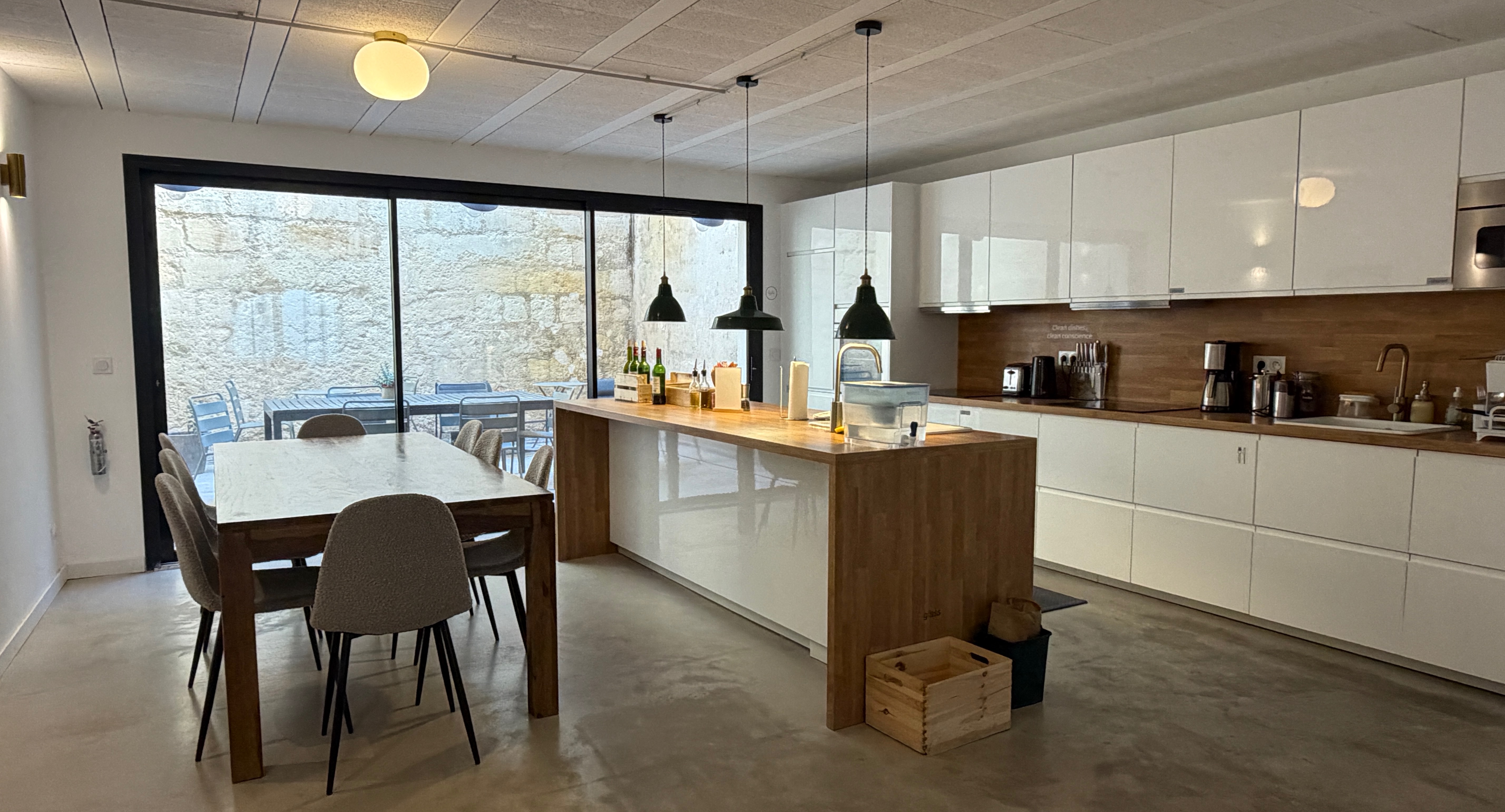
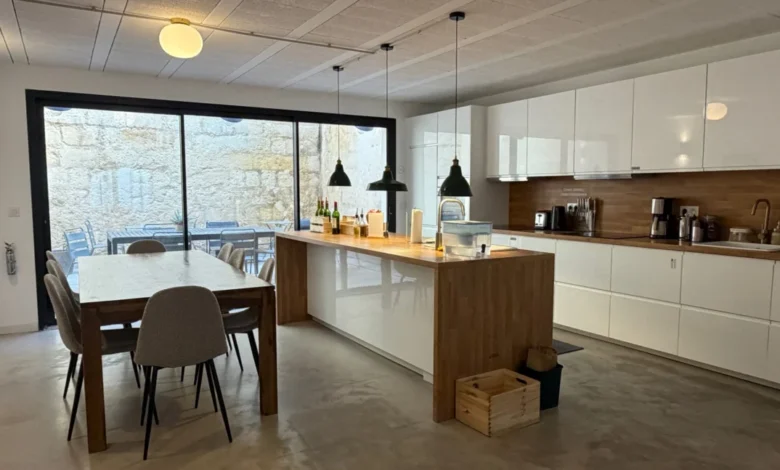
Outsite and its competitors have sought to rectify these deficiencies by treating the office as the primary anchor of the space. Each location is equipped with enterprise-grade connectivity, sound-dampened workspaces, and office-standard peripherals. In a recent analysis of the Bordeaux, France location, observers noted that the physical layout prioritizes "deep work" zones, separating them from the high-traffic communal areas like kitchens and living rooms. This separation is essential for maintaining a professional standard of conduct, ensuring that the environment remains suitable for virtual meetings and high-stakes collaboration.
Community Curation as a Retention Strategy
Beyond the physical infrastructure, the primary value proposition of the coliving model is the intentional curation of a community. Professional isolation is frequently cited by remote workers as the greatest detriment to long-term career satisfaction. Unlike a traditional hotel, where guests are often transient and anonymous, coliving platforms utilize community managers to facilitate social cohesion.
Through the integration of dedicated communication channels (such as WhatsApp or Slack) and the scheduling of localized events—including family-style dinners, industry-specific networking sessions, and cultural excursions—the platform transforms a stay into a social network. This strategy is statistically effective for retention. Users who participate in community-led activities report higher satisfaction rates and are more likely to utilize the platform’s network for future travel, effectively turning a service-based transaction into a lifestyle commitment.
Regulatory and Economic Challenges
Despite the rapid growth of this sector, the model faces significant challenges, particularly regarding local real estate laws. In many major metropolitan areas, zoning regulations are built for either long-term residential leases or short-term tourism. Coliving, which often sits in a gray area between these two categories, has faced pushback in cities like New York, where regulations regarding minimum stay durations are strictly enforced to protect local housing stock.
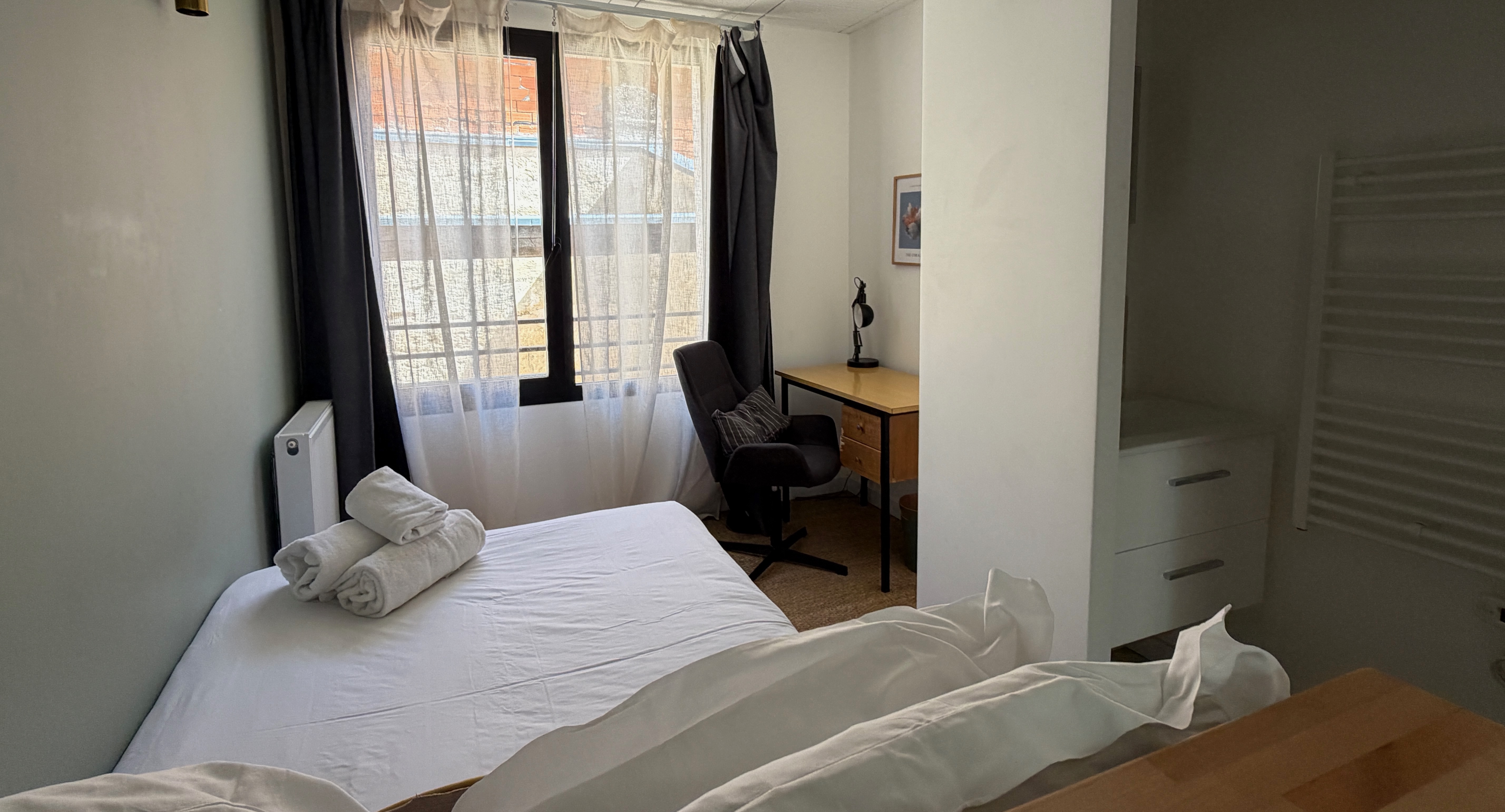
These legal constraints force platforms to limit their operations in high-demand markets to 30-day minimums, which in turn necessitates a shift in their target demographic from short-term travelers to "digital nomads-in-residence." Furthermore, the premium pricing model—while competitive when compared to the combined cost of a separate apartment and a coworking membership—remains a barrier for entry-level workers. This has led to a demographic skew toward established professionals in their 30s and 40s who possess the disposable income to prioritize convenience and community over pure cost-minimization.
Broader Societal Impact
The rise of such platforms signifies a permanent shift in the traditional office-home dichotomy. As corporations continue to embrace decentralized work, the demand for professionalized remote hubs will likely increase. This expansion could have profound impacts on the urban planning of secondary cities. If professional nomads continue to congregate in mid-sized cities, local economies stand to benefit from a new class of high-earning, long-stay residents who contribute to the local tax base without necessarily displacing the local workforce.
However, critics point to the potential for "gentrification by remote work," where the influx of high-earning nomads drives up the cost of living in desirable locales. As platforms like Outsite scale, their responsibility to engage with local communities—not just as tourists, but as participants in the local economy—will become a central point of scrutiny.
Conclusion
The transition toward professionalized coliving environments represents a logical evolution of the global workforce. By addressing the fundamental pain points of remote work—namely, productivity, social isolation, and logistical instability—these platforms are establishing a new standard for the modern professional. While the model remains a premium offering, its ability to provide a consistent, high-quality experience regardless of geographic location makes it a compelling alternative to traditional hospitality. As remote work continues to evolve, the success of these platforms will depend on their ability to balance rapid geographic expansion with the maintenance of the curated, high-trust community environments that define their value proposition. The future of travel, it seems, is not merely about visiting a destination, but about integrating one’s professional and personal life seamlessly into the fabric of the global community.