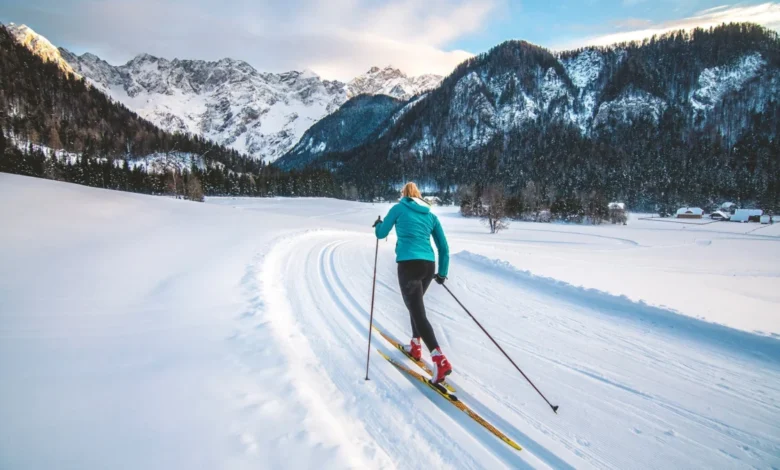
Cross-country skiing represents one of the most physically demanding yet rewarding winter disciplines, requiring a delicate balance between aerobic output and thermal regulation. As the 2026–2027 winter season arrives, athletes are increasingly focused on high-performance gear that can withstand the volatile climate shifts observed over the past few years. From the sub-zero plunges of the Midwest to the wet, heavy thaws of the Northeast, modern Nordic equipment has evolved to prioritize moisture management, power transfer, and customizable fits. Following an intensive four-month testing period across diverse environments in Maine and the Midwest, a consensus has emerged regarding the essential components for a successful season on the skin track.

The Evolution of Nordic Equipment and Climate Variability
The 2026 winter season provided a unique laboratory for gear testing. Across the upper Midwest, participants experienced a rare, sustained window of snowy conditions stretching from December through April. This period of high-frequency snow allowed for comprehensive evaluation in temperatures ranging from -15°F to 45°F. Simultaneously, testers in Maine faced the classic, unpredictable New England winter, characterized by heavy, wet snowpack and rapidly changing surface conditions.

This geographic diversity is critical because cross-country skiing is inherently an "internal furnace" sport. The metabolic heat generated by the full-body motion of skiing means that the primary challenge for gear is not merely warmth, but the efficient transport of sweat away from the body. When gear fails to manage this moisture, the result is rapid cooling during rest periods, which significantly increases the risk of hypothermia and diminishes athletic performance. The following selection of gear represents the top-performing equipment identified by our testing teams based on technical specifications, durability, and field-tested utility.
The Benchmark for Skate and Classic Boot Technology

The Fischer RC5 BOA Skate Boot has emerged as the industry leader for skate skiing, retailing at approximately $379. Its integration of the BOA closure system—previously reserved for elite-level Speedmax racing boots—marks a significant shift in consumer-grade accessibility. The BOA dial allows for micro-adjustments that outperform traditional laces, providing a uniform fit that eliminates "slop" during high-intensity skating. Furthermore, the inclusion of a thermally formable foam liner allows skiers to achieve a custom fit through a standard home oven heating process, a feature that significantly improves comfort for long-distance users.
For classic skiers, the Alfa Scenic GTX boot offers a sophisticated alternative that prioritizes insulation over raw weight reduction. Utilizing Solarcore—an aerogel-based insulation material developed in conjunction with NASA—the boot traps body heat while remaining remarkably thin. When paired with a GORE-TEX membrane, the boot maintains a waterproof barrier that effectively balances breathability with thermal retention. While it lacks the minimalist profile of a race-specific boot, its stability on uneven terrain makes it the superior choice for endurance-focused touring.

For those operating within the NNN BC (Backcountry) or Xplore binding systems, the market has seen notable refinements. The Alpina Outlander series, available in both men’s and women’s models, has set a high bar for comfort. Its interior cushioning, designed to prevent Achilles slippage, utilizes high-quality, open-cell PU foam that provides anatomical support often lacking in stock insoles. Conversely, the Rossignol XP12 remains the premier choice for Xplore binding users. While its weight of 3.5 pounds per pair is substantial, the torsional stiffness provided by its injected rubber shell and internal heel counter offers a level of precision that smaller, lighter boots cannot match.
Strategic Layering and Apparel Optimization

The modern Nordic wardrobe is trending toward high-performance, low-bulk materials that mirror the needs of alpine runners and mountain athletes. The Mammut Rime IN Hooded Jacket exemplifies this trend. By utilizing body-mapped, recycled polyester insulation, the jacket concentrates warmth at the core while employing stretchy, breathable side panels to facilitate the wide range of motion required for pole plants and stride extension.
In terms of base layers, the Ibex Woolies Pro Tech series has demonstrated that high-micron merino wool (17.5-micron) combined with nylon can provide the "buttery" feel of synthetic fabrics without sacrificing the odor-resistant and thermal-regulating properties of natural wool. This balance is vital for the multi-day, high-output nature of cross-country skiing, where changing gear mid-excursion is often impossible.

Headwear and accessories, while often overlooked, proved essential in the 2026 testing cycles. The Skida Alpine Fleece-Lined Headband emerged as a favorite among testers for its superior ear coverage and psychological utility—the use of bright, varied patterns provides a motivational boost that is often cited by Nordic athletes as an important factor in maintaining training consistency through the coldest months.
The Science of Pole Dynamics and Selection

Leki’s PRC 650 pole represents the current standard for non-professional racers. The primary technical consideration in pole selection is "swing weight." As a skier performs between 30 and 45 pole plants per minute, even minor imbalances in weight distribution can lead to significant muscular fatigue over a long tour. The PRC 650 utilizes a high-stiffness graphite shaft that minimizes this fatigue while maintaining a competitive price point. The "Shark" trigger system, which allows for a quick-release connection between the hand and the pole, provides convenience for adjusting gear or using communication devices without sacrificing the security of the connection during the plant phase of the stride.
Strategic Buying Advice for the 2027 Season

Prospective buyers should approach the purchase of Nordic gear with a focus on professional consultation. Because foot anatomy varies significantly, and most manufacturers utilize a "unisex" last that may be too wide for many skiers, fitting in a specialized shop is the only way to ensure proper power transfer.
Key considerations for the consumer include:

- Breathability over Insulation: New skiers often make the mistake of over-dressing. Always prioritize layers that can be shed or ventilated.
- The "Goldilocks" Zone: Identify your personal sweat profile. Those who run hot should opt for thinner, more ventilated base layers, while cold-blooded skiers should invest in high-quality mid-layers like the Fjällräven Bergtagen vest, which can be removed and compressed into a small package during high-intensity intervals.
- Hydration Strategy: While hydration packs are popular, they can become cumbersome for skate skiers. If opting for a pack, ensure it is designed specifically for high-aerobic movement to prevent the "bounce" that can disrupt a rhythmic stride.
- Sock Geometry: Avoid compression-heavy socks, which can restrict circulation in tight-fitting ski boots. The Darn Tough Snowburst series demonstrates that a midweight merino blend with a seamless toe is the optimal configuration for preventing blisters and maintaining comfort over long distances.
Broad Implications for the Sport
The 2026–2027 testing cycle highlights a clear industry shift: manufacturers are increasingly designing gear that blurs the lines between professional racing equipment and consumer-grade recreational apparel. The inclusion of race-grade technologies—such as the BOA closure system and aerogel insulation—in products aimed at the general public suggests that the barrier to entry for high-performance skiing is lowering.

Furthermore, the emphasis on recycled materials in products like the Mammut Rime and Fjällräven Bergtagen reflects a growing environmental awareness within the winter sports sector. As climate instability continues to challenge the duration and quality of the Nordic season, the focus on gear that can handle "slushy" and "variable" conditions will likely remain the primary driver for innovation. Athletes should anticipate further advancements in moisture-wicking textiles and synthetic insulation that mimic the properties of down while maintaining their integrity under wet conditions.
In conclusion, while the sport of cross-country skiing remains one of the most effective ways to maintain physical fitness during the winter months, the quality of the experience is inextricably linked to the gear selection. By focusing on breathable, high-performance layers, precision-fit footwear, and poles that account for swing-weight dynamics, skiers can effectively navigate the challenges of a warming and unpredictable climate, ensuring that every kilometer covered is efficient, warm, and comfortable. Whether navigating the groomed trails of the Midwest or the rugged backcountry of Maine, the 2027 gear class provides the necessary tools for both the novice and the experienced endurance athlete to excel.