How to Navigate Rising Ski Costs and Secure Free Lift Tickets for the 2026-2027 Winter Season

As the 2026-2027 winter season commences, the economic landscape of North American alpine sports faces a significant challenge. With daily lift ticket prices at premier destination resorts frequently exceeding the $250 threshold, the barrier to entry for casual and even frequent skiers has reached an all-time high. This inflationary trend in the mountain travel industry is being exacerbated by increased operational costs, high demand, and the looming environmental impact of a forecasted super El Niño event. For enthusiasts looking to maintain their time on the slopes without incurring exorbitant daily fees, strategic planning and the utilization of niche programs have become essential.
The current pricing structure is largely driven by the consolidation of the industry, where large-scale resort conglomerates have moved toward dynamic pricing models that prioritize pre-purchased season passes. While these passes offer value for high-frequency users, the casual skier—who might only visit the mountains three to five days per season—is often left paying the "window rate," which can fluctuate based on demand and weather patterns. However, several pathways exist for savvy adventurers to bypass these costs by trading time, loyalty, or consumer behavior for access to the mountain.
The Rise of Voluntourism in the Ski Industry
One of the most effective ways to secure a season pass is to move beyond the role of a consumer and into the role of a contributor. Many resorts are experiencing labor shortages in specialized support roles, leading them to formalize volunteer-to-pass programs.
Purgatory Resort in Colorado’s San Juan Mountains serves as a primary example of this shift. For the 2026-27 season, the resort has implemented a structured program that grants a full season pass in exchange for 14 days of volunteer service. The commitment is significant, requiring four of those days to fall during high-traffic periods such as the winter holidays or Presidents’ Day weekend. This arrangement benefits both the resort, which secures reliable support during peak operational times, and the skier, who saves thousands of dollars in annual pass costs.

Similar models are being employed by institutions such as Winter Park Resort in Colorado, Beech Mountain Resort in North Carolina, and Whiteface in New York. These programs often focus on guest safety, ski patrol support, or mountain ambassador roles. While these positions require a commitment of time, they offer an immersive way to experience the mountain culture while gaining valuable insights into the logistics of ski area management.
Aviation Partnerships and Strategic Travel
Airlines and ski resorts are increasingly collaborating to drive tourism through cross-promotional incentives. The Alaska Airlines Atmos Rewards Alpine Getaways program is the most prominent of these initiatives for the current season. By presenting a qualifying boarding pass at any of the nine participating western North American resorts, travelers can unlock a range of benefits, including complimentary lift tickets or substantial rental upgrades.
This initiative is a response to the "flight-to-slope" data, which indicates that skiers are increasingly choosing their destinations based on the total cost of travel, including lodging and lift access. By bundling these costs, resorts and airlines are attempting to capture the business of travelers who might otherwise be deterred by high mountain prices. Travelers are encouraged to review the list of participating airports and resorts on the Atmos Rewards website prior to booking, as these offers are often subject to blackout dates and capacity limits.
Opening Day Traditions and Seasonal Kick-offs
Resorts often use the opening weeks of the season to generate buzz and reward the most dedicated segment of their customer base. Jay Peak Resort in Vermont, for instance, held its "Day for the Devoted" on November 27, 2026. By offering 750 free lift tickets, the resort creates a community-focused event that serves as a loss-leader for the remainder of the season.
This strategy is not unique to Jay Peak; many independent mountains utilize "early-bird" giveaways to build brand loyalty. These events require rapid registration and are often exhausted within minutes of the portal opening. Industry analysts note that these promotional days serve as a crucial touchpoint for resorts to convert occasional visitors into long-term subscribers to their newsletter and digital platforms.

Consumer Incentives and Retail Partnerships
Retail-based incentives offer a more passive route to free access. The Helly Hansen "Ski Free" program is a long-standing model that links retail purchases with mountain access. By purchasing specific qualifying ski jackets or trousers from the latest collection, customers receive vouchers for a free day or a "buy-one-get-one" (BOGO) lift ticket at a vast network of participating resorts across North America and Europe.
This program effectively subsidizes the cost of a ski vacation through the purchase of essential gear. For a family of four, the savings from BOGO passes can represent a significant percentage of the total trip cost. The process is straightforward: upon purchasing the gear, the consumer registers their receipt and selects a participating resort. This model highlights a growing trend of "lifestyle bundling," where outdoor brands leverage their industry partnerships to provide added value to their customers beyond the utility of the apparel itself.
The Role of Adaptive Sports and Nonprofit Collaboration
The adaptive skiing community offers some of the most rewarding volunteer opportunities. Organizations such as Eagle Mount in Showdown, Montana, and Outdoors for All in Washington state provide essential services for people with disabilities to engage in snow sports. These nonprofits operate in partnership with local resorts and rely heavily on volunteer labor.
At Eagle Mount, volunteers aged 16 and older can earn a day pass for each day worked, with the opportunity to earn a full season pass after committing to eight days of service. Beyond the financial benefit, these roles provide participants with specialized training in adaptive instruction. The broader implication of these programs is the democratization of the slopes; by reducing the cost of entry for volunteers, these organizations ensure that adaptive athletes receive the one-on-one support necessary to enjoy the mountain environment safely.
Environmental Stewardship and Educational Tours
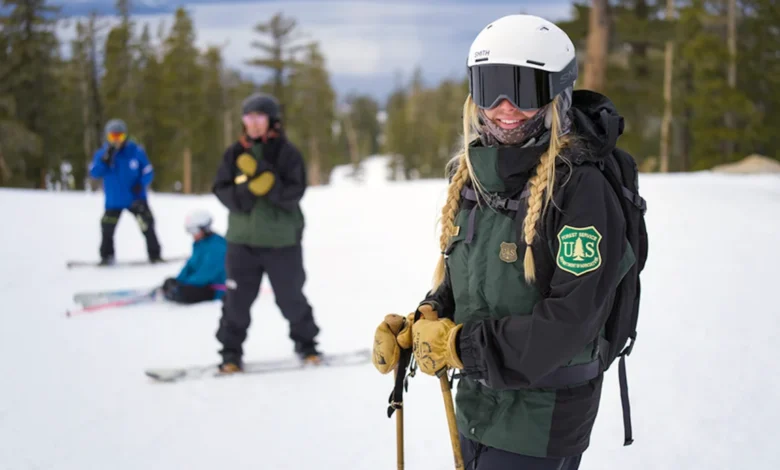
While not a direct substitute for a lift ticket, the "Ski With a Ranger" program at Heavenly Mountain Resort provides a unique, high-value experience that deepens the connection between the skier and the land. Led by U.S. Forest Service (USFS) staff, these tours offer an interpretive look at the management of public lands.

Kelso Carapia, a veteran recreation specialist with the USFS Lake Tahoe Basin Management Unit, emphasizes that these tours are strictly educational. "This is not a ski lesson," Carapia notes. "It is an interpretive tour. We are there to share the history, the ecology, and the stewardship required to manage these incredible landscapes."
For intermediate skiers and snowboarders, these tours provide a rare opportunity to engage with public land managers in a casual, active setting. While participants must provide their own lift ticket, the value lies in the access to information regarding fire management, watershed health, and the geological history of the Tahoe Basin. The program’s longevity—spanning 14 years—demonstrates a consistent demand for "value-added" experiences that go beyond mere vertical feet.
Analytical Outlook: The Future of Ski Access
The economic pressure on the ski industry is unlikely to abate in the coming years. As climate patterns like the super El Niño continue to impact snow consistency and resort operating costs, the cost of maintaining high-speed lifts, snowmaking infrastructure, and base area amenities will continue to climb.
The industry is currently in a period of transition, moving away from a traditional "pay-as-you-go" model toward a more complex ecosystem of subscriptions, loyalty programs, and strategic partnerships. For the consumer, the takeaway is clear: the era of the spontaneous, budget-friendly ski trip is largely over. However, for those willing to invest time in volunteer work, leverage retail partnerships, or engage with community-focused events, the mountains remain accessible.
The success of these programs also highlights a shift in resort management philosophy. By engaging the public through volunteering, education, and loyalty-based rewards, resorts are not just selling tickets; they are building a community of stakeholders who feel invested in the long-term health and sustainability of the mountain. As the 2026-2027 season progresses, these strategies will likely become the standard for any skier looking to manage their budget in an increasingly expensive sporting environment. Those who remain proactive, monitoring resort updates and early-season registrations, will find that there is still significant value to be found on the snow.