The Antigravity A1 Drone Revolutionizes Aerial Cinematography Through Advanced 360-Degree Capture Technology

The landscape of aerial photography underwent a significant transformation in late 2025 with the release of the Antigravity A1, a drone designed to bypass the mechanical limitations of traditional gimbal-stabilized cameras. By integrating a dual-lens 360-degree capture system, the A1 shifts the paradigm of drone operation from real-time manual piloting to a post-production "re-framing" workflow. This technological pivot addresses a long-standing challenge in drone cinematography: the trade-off between flight stability and the ability to capture dynamic, multi-directional footage.
The Technological Architecture of the A1
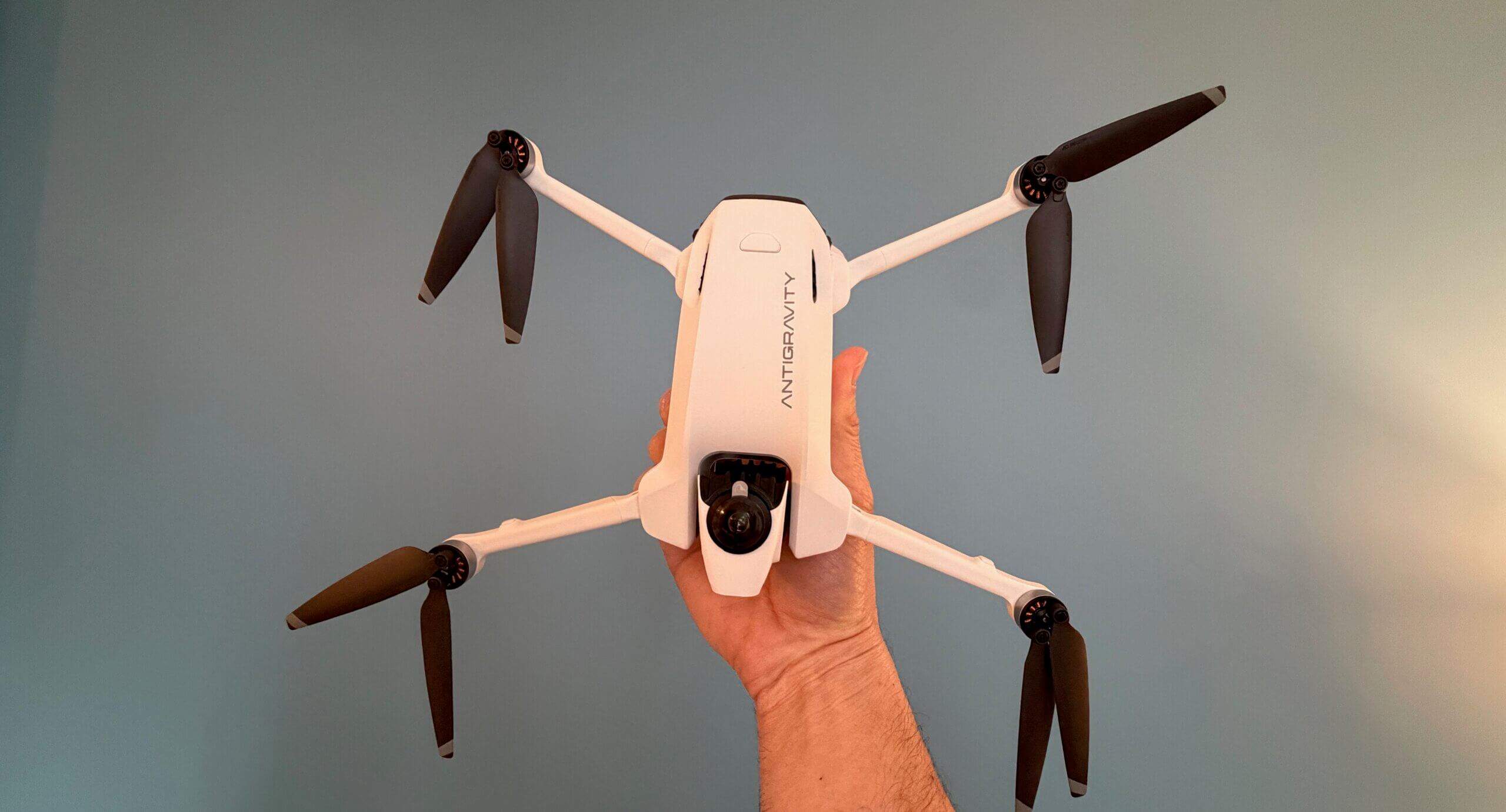
At the core of the Antigravity A1 is a sophisticated optical array. Unlike conventional drones that utilize a forward-facing camera mounted on a three-axis gimbal, the A1 employs two ultra-wide-angle lenses. Positioned on the top and bottom of the fuselage, each lens captures a 200-degree field of view. Through proprietary stitching software, these images are fused into a seamless, spherical 360-degree environment.
The hardware utilizes 1/1.28-inch CMOS sensors. While market-leading professional cinema drones often feature larger 1-inch or Micro Four Thirds sensors, the A1’s optics are calibrated specifically for high-contrast, high-dynamic-range environments. This sensor size is notably larger than those found in standard consumer-grade 360-degree action cameras, allowing for improved low-light performance—a critical factor for photographers working during sunrise or sunset, when lighting conditions fluctuate rapidly.
Regulatory Compliance and Engineering Design
A pivotal aspect of the A1’s market entry is its weight profile. Global aviation authorities, including the Federal Aviation Administration (FAA) in the United States and the European Union Aviation Safety Agency (EASA), generally mandate registration and stricter pilot certification for unmanned aerial vehicles (UAVs) weighing 250 grams or more.
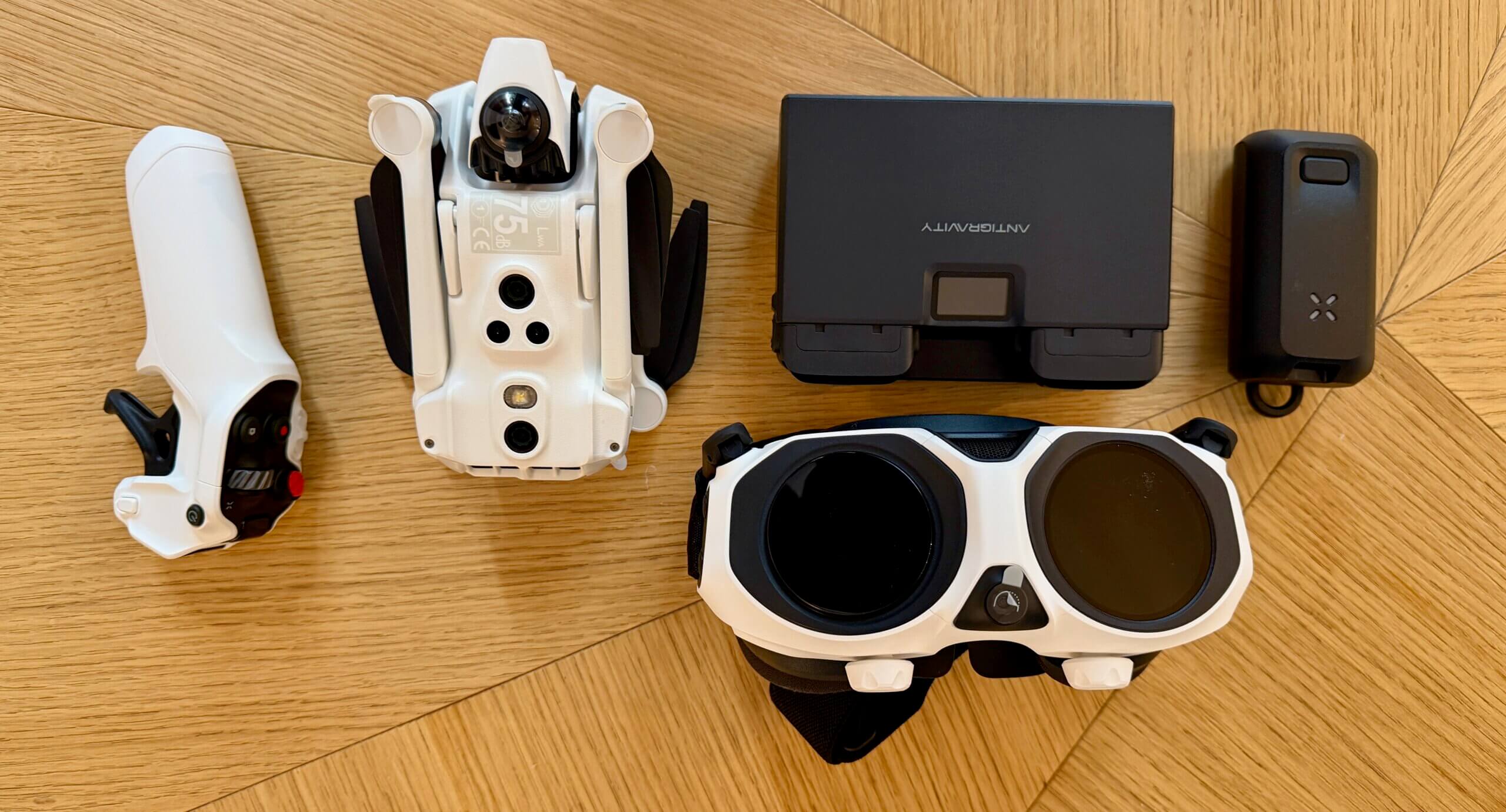
Antigravity engineered the A1 to weigh exactly 249 grams, inclusive of its standard battery pack. This strategic design decision allows operators to bypass several tiers of regulatory oversight in many jurisdictions, significantly lowering the barrier to entry for hobbyists and freelance creators. The chassis is constructed from carbon-fiber-reinforced polymer, a material choice that optimizes the strength-to-weight ratio, ensuring the drone maintains structural integrity during high-velocity maneuvers while remaining light enough to adhere to aviation weight thresholds.
Chronology of Development and Market Release
The path to the A1’s release began in early 2024, as the drone industry faced a plateau in gimbal-based camera innovation. Developers identified that "re-framing"—the ability to select a target angle from a 360-degree source file after the flight is completed—could eliminate the "pilot error" associated with tracking fast-moving subjects.
Following a series of closed-beta testing cycles in mid-2025, the product was officially launched in the fourth quarter of the year. The rollout was accompanied by the introduction of the "Antigravity Studio" software suite, which integrated AI-driven tracking tools, allowing the drone to identify subjects such as cyclists, vehicles, or athletes, and automatically generate optimal viewing angles without manual input from the user.
Pilot Experience and Control Systems
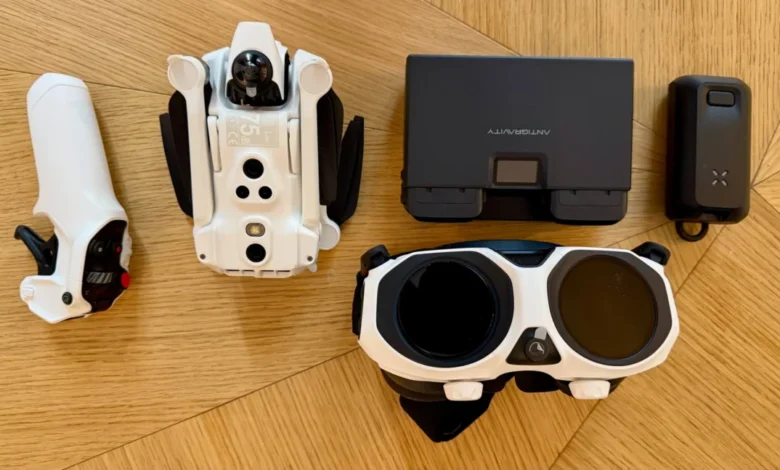
The A1 offers a dual-control paradigm. The primary interface is a single-handed motion controller that relies on spatial awareness: the drone follows the orientation of the controller, making the flight experience intuitive for users without extensive FPV (First Person View) training. For users desiring higher precision, the system supports traditional "Mode 2" manual sticks, allowing for the acrobatic flight patterns favored by professional cinematographers.
The immersive element is further bolstered by the integration of Vision Goggles, which feature dual 4K micro-OLED displays with a 120Hz refresh rate. Because the drone captures a full sphere, the pilot’s head movements are tracked in real-time, allowing them to look around the environment while the drone maintains a steady flight path. This spatial awareness provides a distinct advantage in complex environments, such as forests or urban centers, where traditional narrow-angle cameras might miss peripheral hazards.
Comparative Performance and Operational Data
In terms of flight dynamics, the A1 is categorized as a "cinewhoop," emphasizing stability over raw speed. It achieves a top speed of 36 mph, sufficient for most commercial and creative applications. A standout feature is the "Turtle Mode," which utilizes propeller reversal to right the aircraft should it land upside down, preventing the need for manual retrieval in difficult terrain.
Battery performance remains the most significant constraint for the A1. The standard battery provides approximately 20 minutes of real-world flight time, though this can vary based on wind resistance and data processing loads. A "Pro Battery" option exists, extending flight time to nearly 40 minutes; however, this upgrade pushes the drone’s total weight beyond the 250-gram limit, thereby subjecting the operator to standard commercial drone regulations.
Broader Industry Implications
The release of the Antigravity A1 signals a move toward computational photography in the drone sector. By offloading the burden of composition from the flight phase to the editing phase, the technology enables a higher "work-per-minute" ratio. A single flight can effectively replace multiple passes with a fixed-camera drone, as the operator can extract wide, medium, and close-up shots from a single 360-degree recording.
Market analysts note that the A1 effectively bridges the gap between consumer-level hobbyist drones and professional-grade cinema equipment. While the image resolution—marketed as 8K—is spread across the entire sphere, meaning that a cropped, flat-video export will inherently have lower pixel density than a native 8K forward-facing camera, the trade-off in creative flexibility is significant.
As of early 2026, the adoption of 360-degree drone technology has begun to shift the aesthetic standards for social media content and independent filmmaking. The "fly now, frame later" methodology is likely to become a standard feature in the next generation of aerial hardware. While the fragile nature of the dual-lens system remains a concern for durability in extreme environments, the Antigravity A1 represents a calculated step forward in the evolution of remote sensing and visual storytelling, providing creators with a versatile, lightweight, and highly capable instrument that fundamentally alters the requirements of professional aerial cinematography.
Related posts: