The retail landscape for home goods has shifted significantly over the past decade, moving away from high-markup traditional luxury toward direct-to-consumer models that prioritize supply chain efficiency. Quince, a brand that has gained substantial market share by eliminating intermediaries, has officially launched its highly anticipated Black Friday sales event. Running through November 30, this promotion serves as a critical period for the company, offering significant price reductions across its core product categories, including high-end textiles, furniture, and seasonal decor. Unlike static sitewide sales, the company is employing a rotating 24-hour promotional strategy, requiring consumers to monitor daily inventory updates to maximize savings on specific home essentials.

This year’s event is characterized by aggressive discounting on products that rarely see price volatility. By leveraging a lean operational model, Quince has historically maintained lower price points than traditional department store competitors. However, the Black Friday window represents a rare opportunity for consumers to acquire premium-grade materials—such as European flax linen and Turkish cotton—at costs often below their already competitive retail rates.
The Evolution of the Direct-to-Consumer Home Market
To understand the significance of this sale, one must consider the broader context of the home goods industry. Following the global supply chain disruptions of 2020 and 2021, consumers became increasingly sensitive to both price and the longevity of household goods. The "buy it for life" mentality gained traction, leading shoppers to favor natural, durable fibers like linen over synthetic blends. Quince’s success is largely attributed to this shift. By focusing on essentialism and material quality, the company has managed to scale rapidly, moving from niche online retailer to a formidable player in the home furnishings space.

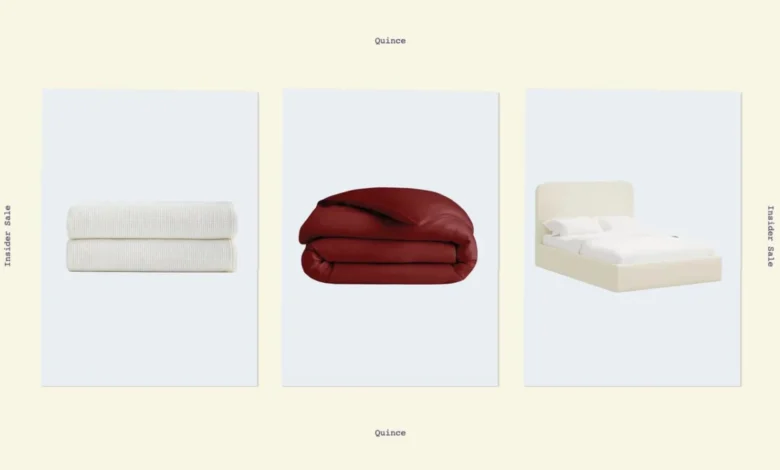
Market analysts note that the current inflationary environment has forced many retailers to either raise prices or reduce the quality of their inputs. Quince’s ability to offer discounts during the holiday season suggests a robust inventory management strategy. The current promotion includes items such as the European Linen Stripe Duvet Cover Set, which has seen a reduction from $204 to $163. This 20% discount is representative of the brand’s broader approach to holiday pricing, which aims to drive volume during the most competitive shopping window of the year.
Strategic Product Focus: Bedding and Bath
The core of the current sale revolves around textile bundles, which represent the highest turnover items for the brand. The European Linen Fitted Sheet Set, now priced at $96 down from $120, serves as a benchmark for the company’s pricing strategy. These products are frequently highlighted in industry reviews for their resilience; contributors have noted that the linen maintains structural integrity and tactile softness even after extensive cycles of washing and usage.

Beyond sheets, the Turkish Ultra Plush Bath Towel Bundle, discounted to $95 from $110, addresses a specific consumer pain point: the trade-off between absorbency and weight. By sourcing high-quality Turkish cotton, the company has attempted to bridge the gap between lightweight utility and luxury comfort. These items are often purchased in tandem during the Black Friday period, as consumers look to refresh guest bathrooms in anticipation of holiday hosting duties.
Furniture and Large-Format Investments
While smaller home goods drive the bulk of the transaction volume, the inclusion of furniture in the Black Friday promotion marks a shift toward higher-ticket items. The Performance Velvet Sofa, which has seen its price reduced from $1,650 to $1,485, reflects the brand’s expansion into the living room furniture market. The emphasis here is on "performance" materials—textiles engineered for high-traffic environments—which aligns with modern interior design trends favoring both aesthetics and durability.

The integration of furniture into the sale is a strategic move to capture consumers who are not just looking for seasonal gifts, but for long-term home improvements. In previous years, such items were often excluded from deep-discount events. The inclusion of the Wingback Bed frame, now priced at $1,150, suggests that Quince is attempting to compete directly with legacy furniture retailers by offering high-design silhouettes at a fraction of the cost, bolstered by the psychological "urgency" of the Black Friday timeline.
Seasonal Decor and Holiday Timing
The presence of the Pre-Lit Frosted Fraser Fir, reduced to $425 from $475, underscores the company’s intent to dominate the entire holiday planning cycle. Artificial Christmas trees have become a competitive battleground for home retailers, with price wars often dictated by the quality of the "pre-lit" lighting systems and the realism of the foliage. By keeping these items within the rotation of daily deals, Quince encourages repeat site visits, which is a common tactic to increase customer lifetime value (CLV) during the fourth quarter.

Industry Implications and Consumer Behavior
The implications of this sale extend beyond individual transactions. The retail sector is currently observing a "flight to value," where even affluent consumers are seeking to maximize the utility of their spending. Quince’s business model—which emphasizes the "factory price" concept—resonates strongly with this demographic. By highlighting the specific material origins of their goods, the company creates a narrative of transparency that traditional big-box retailers often struggle to replicate.
Furthermore, the 24-hour rotating sale cycle creates a gamified shopping experience. By limiting the availability of certain deals to a single day, the brand maintains a high level of digital engagement. This strategy effectively manages inventory flow, preventing the "stockout" scenarios that can plague e-commerce operations during high-traffic holidays.

Looking Ahead to 2027
As the market approaches the end of 2026, the retail sector is looking toward the stabilization of consumer spending. Data from the current promotion will likely inform the brand’s procurement and design decisions for the coming year. If the performance velvet and linen categories continue to outperform, it is highly probable that Quince will expand its product lines to include more specialized furniture pieces, such as modular sectionals or integrated storage solutions.
For the consumer, the current Black Friday event offers a window into the potential future of the home retail industry: one where price, provenance, and accessibility are merged through digital-first supply chains. Whether it is an investment in a new sofa or a simple refresh of the bedroom, the strategy remains consistent: the elimination of excess cost in favor of product performance.

Summary of Key Promotional Data
- European Linen Stripe Duvet Cover Set: Reduced to $163 (from $204).
- Performance Linen Wingback Bed: Reduced to $1,150 (from $1,300).
- Fellow Corvo EKG Electric Kettle: Reduced to $144 (from $180).
- Organic Airy Gauze Box Quilt Set: Reduced to $163 (from $204).
- Turkish Ultra Plush Bath Towel Bundle: Reduced to $95 (from $110).
- Performance Velvet Sofa: Reduced to $1,485 (from $1,650).
- European Linen Fitted Sheet Set: Reduced to $96 (from $120).
- Pre-Lit Frosted Fraser Fir: Reduced to $425 (from $475).
The sale concludes on November 30, 2026. As with all major retail events, consumers are advised to verify availability and shipping timelines, particularly as the holiday shipping window narrows following Black Friday and Cyber Monday. The brand’s commitment to rotating deals means that shoppers who miss a specific item on one day may find it replaced by a new selection the following morning, maintaining the momentum of the sales event through the end of the month. As the year draws to a close, this period remains the most significant indicator of the company’s health and its ongoing effort to redefine the price-to-quality ratio in the home goods sector.