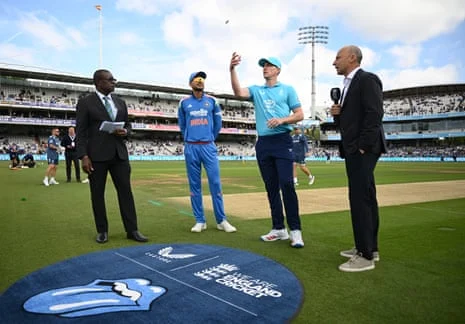
In a crucial series decider at the iconic Lord’s Cricket Ground, England captain Harry Brook has won the toss and elected to bat first against India. The highly anticipated third One Day International (ODI) is poised to determine the victor of this closely contested bilateral series, with both teams bringing significant pressure and narrative to the fore. The absence of India’s star fast bowler, Jasprit Bumrah, due to a knee injury, marks a significant blow to the visitors’ bowling arsenal.
The pitch, described as a "custard cream coloured surface," suggests a potentially balanced encounter, offering something for both batsmen and bowlers throughout the day. England have brought back pace bowler Josh Tongue into their playing XI, bolstering their attack for this pivotal fixture. India, meanwhile, have made three changes to their squad, underscoring their strategic adjustments in response to the series situation and player availability.
Bumrah’s Absence: A Major Setback for India
The most significant team news ahead of the match is the unavailability of Jasprit Bumrah. A statement released by the Indian cricket board confirmed that Bumrah sustained an "impact injury on his left knee while fielding in the second ODI in Cardiff." The subsequent "reactive swelling" in his left knee has rendered him unfit for selection for this final match. Bumrah’s absence is a considerable blow, given his status as one of the premier fast bowlers in world cricket, renowned for his ability to take wickets at crucial junctures and his exceptional control in all formats of the game. His unique bowling action and death bowling expertise have been pivotal for India in many campaigns.
India’s bowling attack will now need to find alternative ways to pressure the English batting lineup without their leading strike bowler. The responsibility will likely fall more heavily on the shoulders of other pacers like Arshdeep Singh and Prasidh Krishna, who have been brought back into the fold. The inclusion of young spinners Axar Patel and Prince Yadav also suggests an effort to add variety and control to India’s bowling options.
England’s Strategic Choice and Building Momentum
For England, captain Harry Brook’s decision to bat first indicates a confidence in his team’s ability to set a strong total on the surface. The English ODI side has undergone a period of transition in recent years, aiming to rebuild and find consistent form as they look towards the next ICC Cricket World Cup. A series victory at Lord’s, especially after a period of fluctuating fortunes, would serve as a significant morale booster and a testament to the team’s developing capabilities under Brook’s leadership. The return of Josh Tongue suggests a desire to exploit any early movement the pitch might offer.

The opening pair of Ben Duckett and Jacob Bethell have shown glimpses of aggressive intent in the early overs, aiming to provide England with a solid foundation. Their early boundary-hitting has set a positive tone, indicating a proactive approach from the outset. The presence of seasoned campaigners like Joe Root and Jos Buttler in the middle order provides stability and experience, crucial for navigating the pressures of a series decider.
Context of the Series: A Battle for Supremacy
This third ODI represents the culmination of a hard-fought series that has kept fans on the edge of their seats. The bilateral nature of the contest, coupled with the historic setting of Lord’s, amplifies the stakes. For India, a series loss on this tour would be a significant disappointment, particularly given the high expectations surrounding the team. It would also fuel speculation about the future of some senior players, including captain Rohit Sharma, though the Board of Control for Cricket in India (BCCI) has publicly dismissed rumours of Sharma’s impending ODI retirement. The BCCI’s stance highlights the importance placed on experienced leadership, even amidst periods of scrutiny.
Conversely, a series win for England would be a much-needed injection of confidence. The team has been working to re-establish its dominance in the ODI format, a format where they have previously achieved significant success, including a World Cup triumph. A victory here would signify progress in their rebuilding phase and provide valuable momentum as they prepare for future international engagements.
Pre-Match Tributes and Reverence
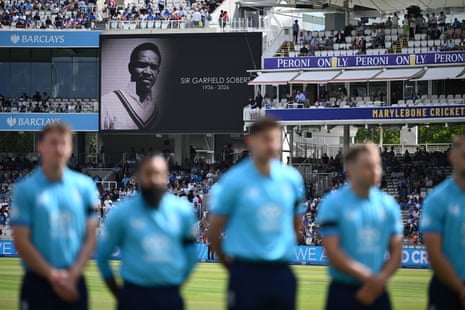
Before the commencement of play, the atmosphere at Lord’s was tinged with solemnity and respect as players from both sides observed a minute of silence in honour of the legendary Sir Garfield Sobers, who recently passed away. Sobers, widely regarded as one of the greatest all-rounders in cricket history, left an indelible mark on the sport with his flamboyant batting, skillful bowling, and exceptional fielding. The tributes highlighted his contribution to the game, particularly his role in the dominant West Indies teams of his era. His legacy is one of joyous freedom and unparalleled talent, a player who inspired generations.
The inclusion of related articles about Sir Garfield Sobers’ career and passing further emphasizes the profound impact he had on the cricketing world and the deep respect he commanded. His passing marks the end of an era, and his influence continues to be felt by players and fans alike.
The Match Unfolds: Early Exchanges
As the game commenced, the opening overs set a brisk pace. England’s openers, Ben Duckett and Jacob Bethell, adopted an aggressive stance against the Indian pacers. Arshdeep Singh, bowling with good pace and seam movement from the Pavilion End, tested the English batsmen early on. Duckett managed to get off the mark with a well-placed glide, while Bethell also found a single.
The second over, bowled by Prasidh Krishna, saw a shift in momentum as England began to find the boundary. Krishna strayed onto Duckett’s pads, and the opener punished him with two consecutive fours to the square leg boundary. The first of these was slightly uppish but found the gap effectively. Bethell then added another boundary, exploiting an inside edge that rolled past the wicket-keeper for four more. This over marked a positive start for England, accumulating 16 runs and asserting their intent.
In the third over, Duckett and Bethell continued their aggressive approach, adding another 11 runs. Duckett, in particular, looked in fine touch, driving down the ground with confidence. The partnership between the two left-handers has provided England with a strong opening, setting a platform for the middle order to build upon.
Team Lineups
India: Rohit Sharma, Shubman Gill (c), Virat Kohli, Ishan Kishan, Shreyas Iyer, KL Rahul (wk), Axar Patel, Gurnoor Brar, Prince Yadav, Arshdeep Singh, Prasidh Krishna.
England: Ben Duckett, Jacob Bethell, Joe Root, Harry Brook (c), Jos Buttler (wk), Sam Curran, Will Jacks, Gus Atkinson, Jofra Archer, Adil Rashid, Josh Tongue.
The inclusion of Arshdeep Singh and Prince Yadav in the Indian lineup signifies a strategic reshuffling aimed at addressing the absence of Bumrah and potentially introducing fresh dynamics to their bowling attack. The series decider promises to be a captivating contest, with both teams eager to seize the moment and claim the series honours. The narrative is rich, with the pressure of a decider, the absence of a key player, and the historical significance of the venue all contributing to the drama. The early exchanges suggest England are keen to make their advantage count on home soil.
Related posts: